

Across many old traditions in Europe and other parts of the world, cold air was often interpreted as something more than a simple temperature change.
People believed it could signal the presence of spirits, unseen forces, or energies moving through a space.
This idea developed long before modern science explained air movement, insulation, or temperature shifts.
Because cold air cannot be seen, only felt, it naturally fits into beliefs about invisible beings. In folklore, anything invisible but physically noticeable was often linked to the spiritual world.
Cold air felt different from ordinary environmental changes, especially when it appeared suddenly or in quiet moments.
This created a strong emotional reaction, which people interpreted through symbolic thinking.
Over time, these experiences became part of stories about spirits, ancestors, and otherworldly presences.
In this article, we explore seven supernatural reasons why cold air was interpreted as a sign of spiritual presence in folklore.
1. Spirits Were Believed to Drain Heat From the Living

In many folk beliefs, spirits were thought to exist in a different form of energy than living humans. Because of this, they were often believed to affect the environment when they appeared.
One common idea was that spirits could draw warmth from the surrounding air or from living bodies. This was not seen as physical theft of heat, but as a natural effect of their presence.
When people suddenly felt cold, they interpreted it as a spirit entering the space and shifting the balance of energy.
In European folklore, this idea helped explain why coldness sometimes appeared without an obvious cause.
The sensation became a signal that something unseen had crossed into the physical world.
2. Cold Air Marked the Boundary Between Worlds

Another supernatural belief was that cold air appeared when the boundary between the physical world and the spirit world became thin.
In folklore, certain places or moments were thought to allow spirits to move closer to the living. When this happened, people believed the environment had changed slightly, often becoming colder.
This coldness was seen as a kind of “threshold effect,” a sign that something was passing between two realms.
Because the shift felt subtle but noticeable, it reinforced the idea of unseen movement. This belief made cold air feel like a warning or signal of spiritual proximity.
3. Spirits Were Associated With Stillness and Cold Energy
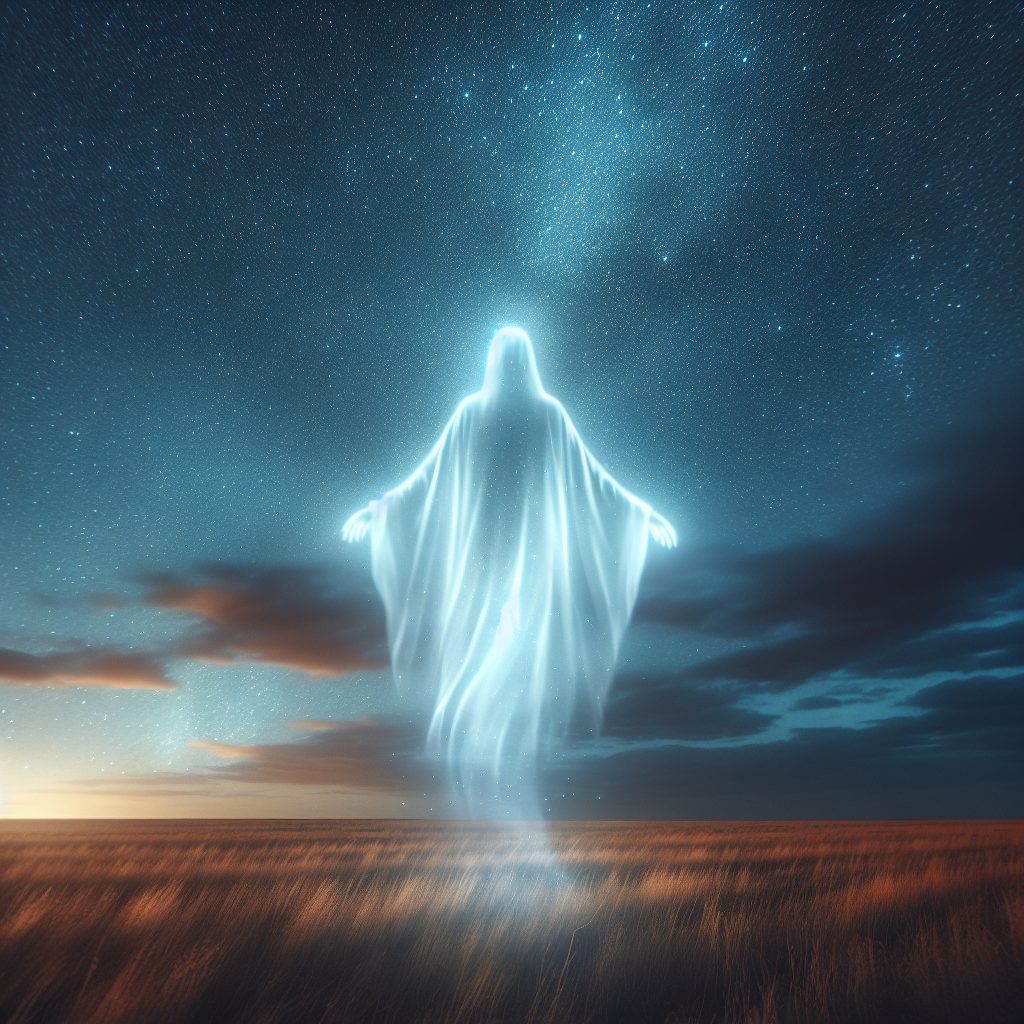
In many traditions, spirits were not imagined as warm or active like living beings. Instead, they were often connected to stillness, silence, and coldness.
This symbolic association came from the idea that life produces warmth, while death or the spirit state does not. Because of this, cold air was interpreted as a reflection of spiritual energy.
When a room suddenly felt colder, it was believed that a spirit might be present, bringing with it a different kind of energy.
This belief helped people connect physical sensations with emotional and spiritual interpretation.
4. Cold Sensations Were Linked to Spirit Movement

Folklore often described spirits as moving through spaces without being seen.
When people felt a sudden draft or cold breeze, they interpreted it as the movement of a spirit passing by.
The idea was that spirits displaced air as they moved, even if they had no physical body. This created the sensation of cold air traveling through a room or touching a person briefly.
In European storytelling traditions, these moments were often described as signs that a spirit had entered, observed, or passed through an area. The feeling of movement made the belief more vivid and personal.
5. Cold Air Appeared During Moments of Spiritual Emotion

People often reported feeling sudden coldness during emotionally intense moments, such as grief, fear, or deep reflection.
In folklore, these moments were seen as times when spiritual presence was more likely to be felt. It was believed that strong emotions could attract spirits or make their presence more noticeable.
The cold air experienced during these moments was interpreted as confirmation of that presence. Because emotion heightens physical awareness, the sensation felt even more significant.
This reinforced the belief that coldness and spiritual energy were connected through emotional intensity.
6. Sacred and Haunted Places Were Described as Cold

Many old stories describe haunted or sacred places as having unusual cold spots. People believed that spiritual energy could affect temperature, making certain areas feel colder than others.
These cold spots were often seen as evidence of spirits lingering in a location. Because these experiences were repeated in different stories, the association became stronger over time.
The idea that spirits leave behind a cold presence helped shape how people interpreted physical sensations in specific environments. Cold air became a kind of signature of spiritual activity in folklore.
7. The Body’s Reaction Reinforced Belief in Presence

Finally, the physical reaction to cold air helped reinforce supernatural interpretations.
When people suddenly felt cold, their bodies responded immediately with alertness, tension, or goosebumps.
In folklore, these reactions were seen as the body recognizing something unseen.
The idea developed that humans could sense spirits through physical intuition, even without seeing them. Cold air became one of the strongest signals of this perceived awareness.
Over time, this reinforced belief turned a natural sensation into a meaningful spiritual sign within traditional storytelling and cultural interpretation.

Sempre senti uma forte ligação com o Divino desde o meu nascimento. Como autora e mentora, a minha missão é ajudar os outros a encontrar o amor, a felicidade e a força interior nos momentos mais sombrios.