
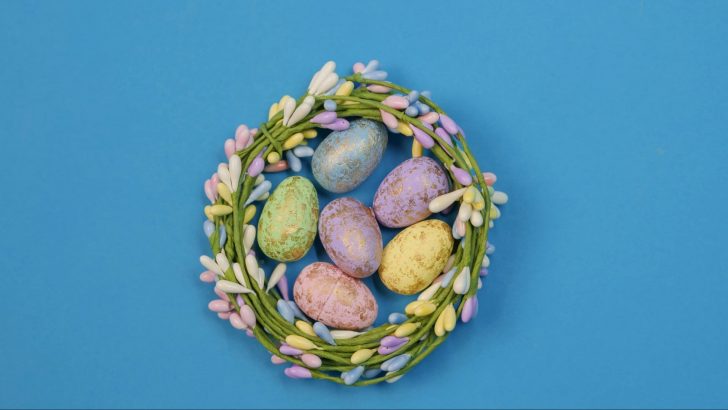
Long before Easter became the day we celebrate the resurrection of Christ, eggs were a powerful symbol of spring and fertility.
Right around this time of the year, pagan cultures worldwide celebrated the rebirth of nature and new beginnings.
The tradition of coloring and dyeing eggs far predates Christianity and is rooted in our reverence for the cycle of life and vitality.
1. Fertility and Rebirth
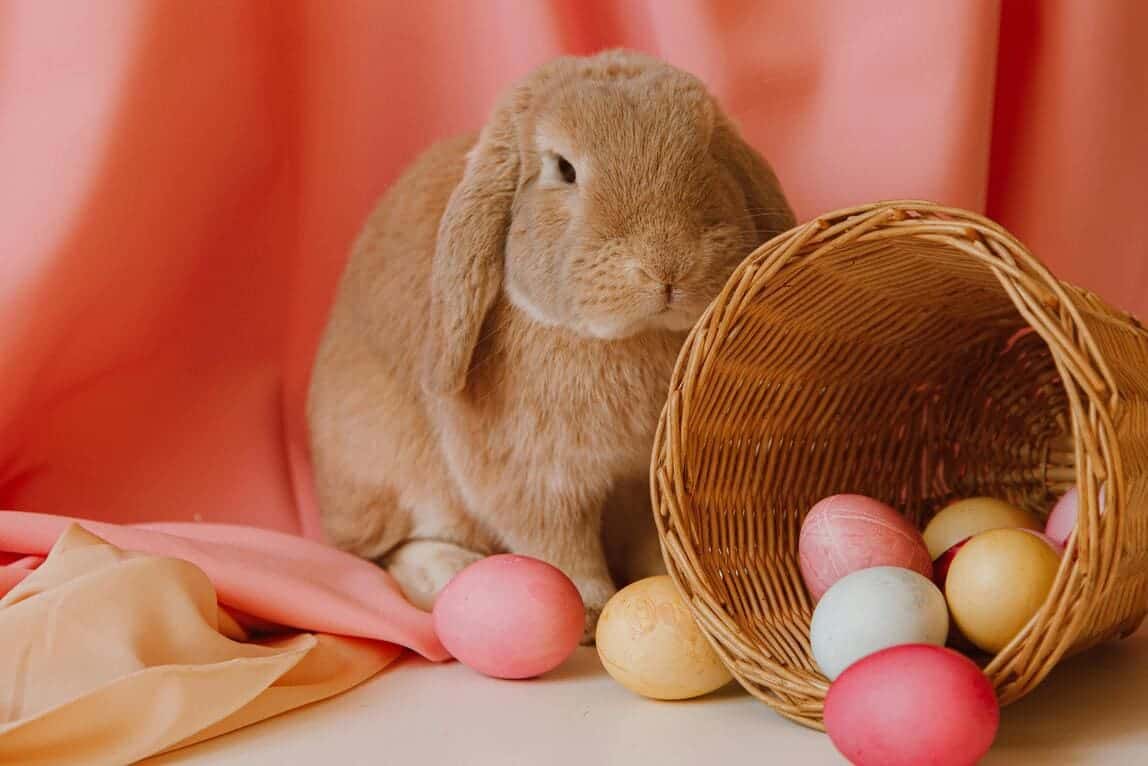
Egg has always been a powerful symbol of new life and fertility.
It was the most literal symbol of womb – one we could hold in our hand and watch as life hatches from it.
It’s the perfect symbol of the cycle of nature.
In ancient times, people believed that eggs carried the essence of life itself. They were closely connected to the earth’s fertility.
This symbolism clearly predates Christianity; it even predates the Old Testament.
It can be traced back to primitive rituals honoring spring’s arrival.
In many cultures, they also symbolized the end of winter’s darkness and the beginning of a season full of promise.
They reminded people that life constantly renews itself, even when it seems dormant or darkened.
2. Connection to Fertility Deities
Different ancient civilizations worshipped fertility gods and goddesses associated with eggs and springtime.
In Mesopotamia, the goddess Inanna (or Ishtar) was linked to them, symbolizing love and fertility.
The Greeks connected them to Demeter and Persephone, goddesses tied to agriculture, rebirth, and seasonal change.
These cultures believed that the egg held the magic of life’s continuity.
Rituals involving them often included exchanges or decorations meant to invoke abundance and ensure a fruitful year.
The egg’s symbolism was universal, spanning continents and religions, all tying it to the vital force needed for growth and rebirth.
3. The Act of Dyeing Eggs
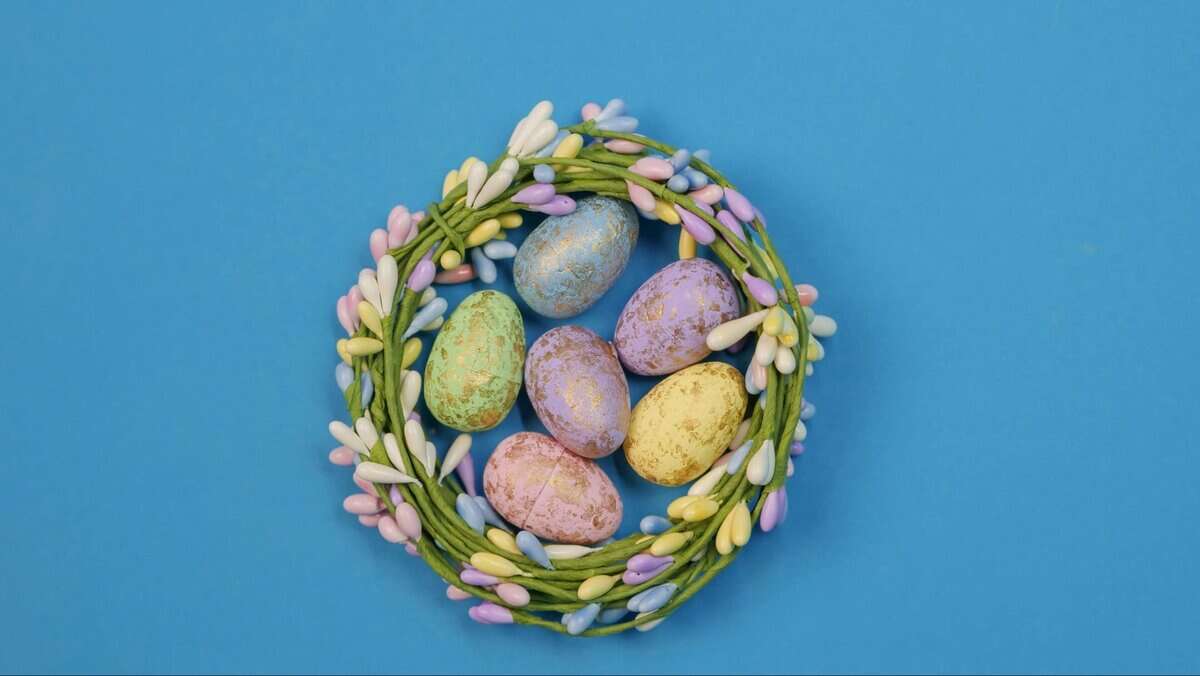
It’s assumed that the act of dyeing eggs started as a way to honor their sacred symbolism.
Bright colors, especially red, were used to symbolize vitality and life force.
Ancient peoples believed that coloring an egg gave it protective powers and good luck. The color was more than decoration; it was a ritual to ensure abundance.
Each color carried a símbolo: red for blood and life, green for renewal, yellow for the sun.
Over time, these practices became part of spring festivals, with colored eggs exchanged as tokens of hope and prosperity.
The whole ritual carried spiritual significance, transforming a simple object into a symbol of nature’s continual rebirth.
4. Blood of the Goddess
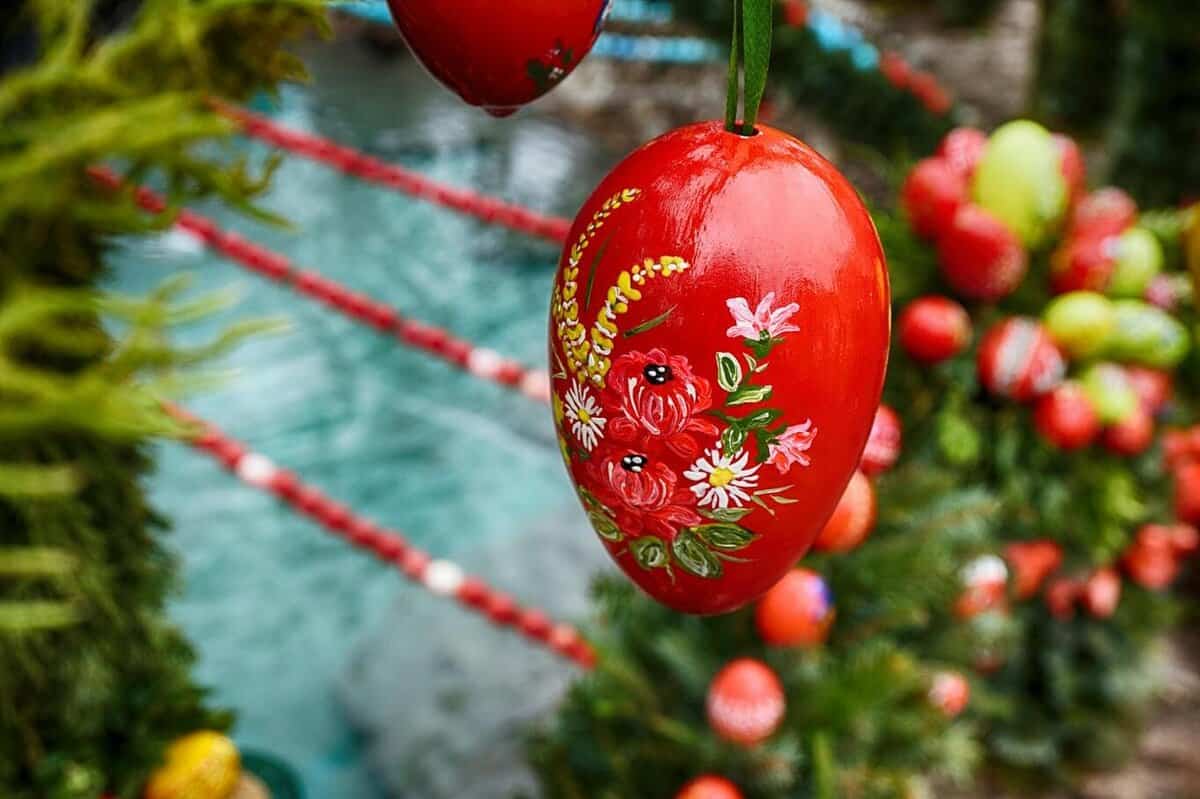
Red eggs, in particular, have deep symbolic meanings. In some cultures, a single red egg is kept until the next Easter as a spiritual guardian of the home.
These represent the blood of the goddess and the life force coursing through nature.
In ancient fertility rites, a red egg depicted the earth’s blood or the divine essence of goddesses like Inanna or Persephone.
The color red intensified its power, symbolizing vitality and sexual energy. It was a sacred object, believed to carry divine power.
By dyeing eggs red, ancient peoples honored the goddess’s life-giving essence and sought her blessings for fertility and a good year.
A red egg possesses great mystical power, as it’s connected to the very cycle of life, death, and renewal.
5. Eggs in European Pagan Traditions
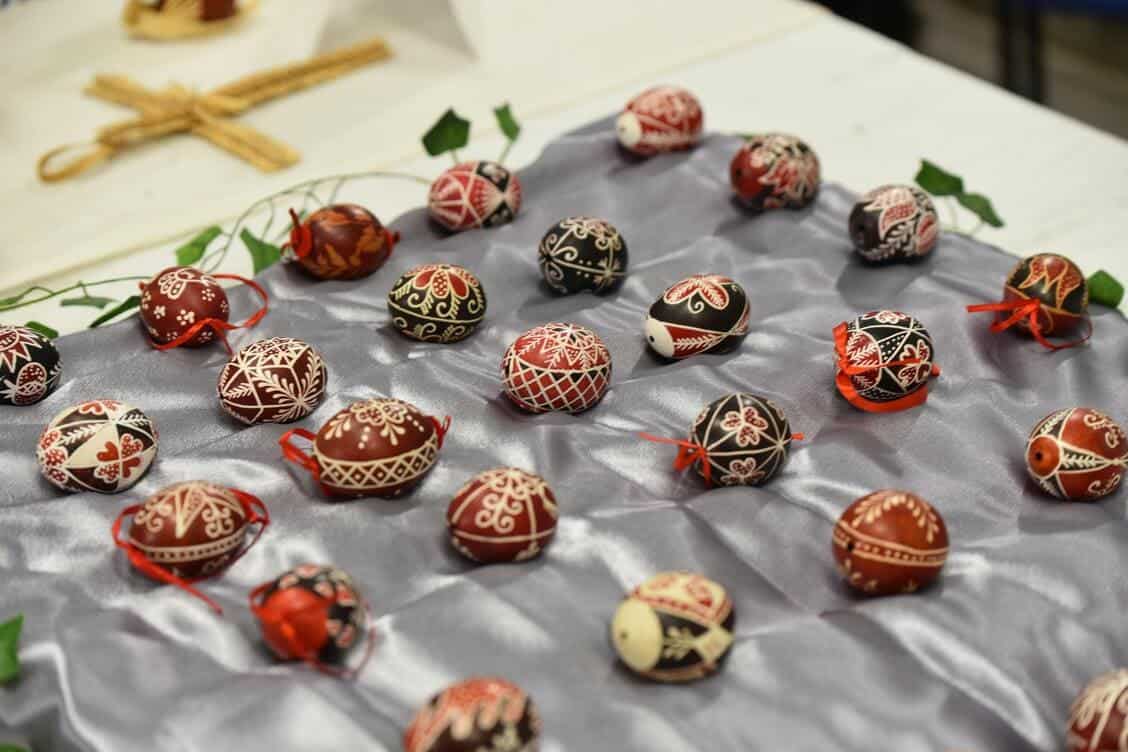
European pagan traditions embraced eggs as signs of rebirth and renewal during spring festivals.
People would hide or exchange them to celebrate the Earth’s awakening after winter.
Medieval Europeans, for example, associated them with the rebirth of the land, so these festivals marked the time for planting food.
The act of decorating was a ritual to invoke fertility and abundance.
These customs often involved community gatherings and storytelling.
The egg’s role in European pagan customs points to a shared human desire to connect with nature’s cycles and secure its generosity through symbolic acts.
6. The Spring Equinox and Sabbats
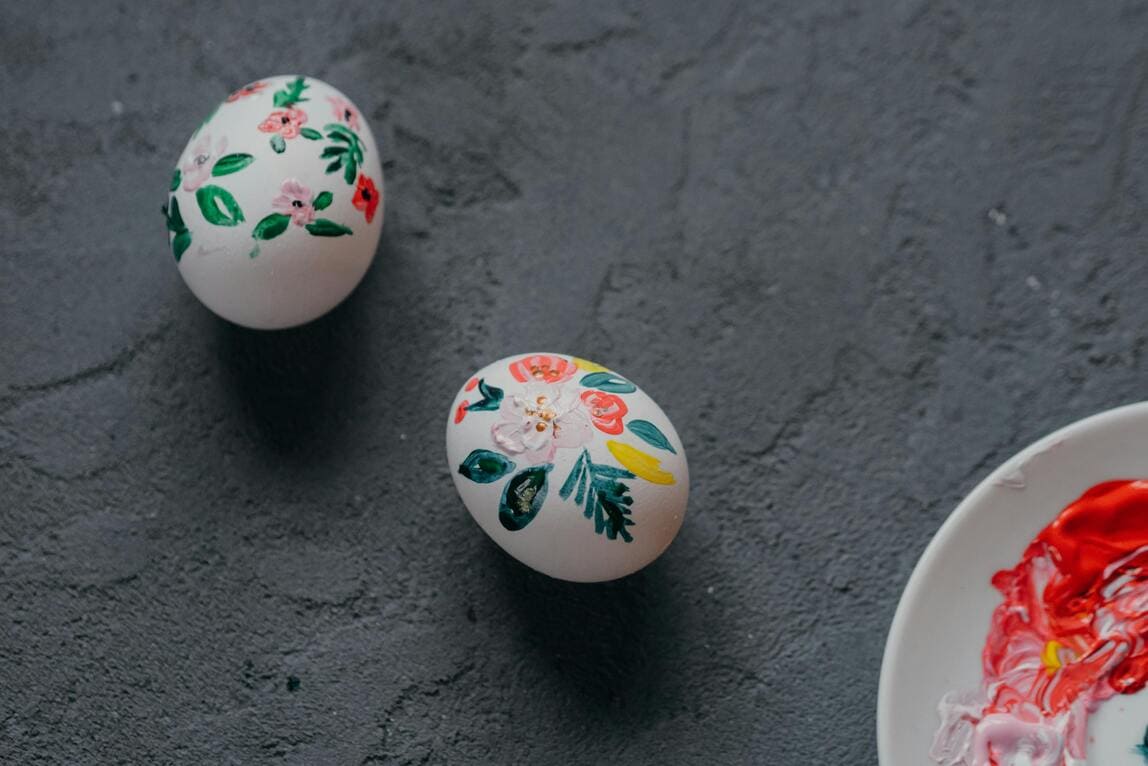
Egg-related rituals are closely tied to spring festivals like Ostara, the pagan celebration of the vernal equinox.
Ostara marks the moment when day and night are equal, which was taken as a sign of balance and new beginnings.
During this time, eggs became symbols of the awakening nature.
People decorated and exchanged them as tokens of the returning life force in the land. They symbolized the renewal of crops, animals, and humans alike.
The spring equinox was the ideal time for fertility rites.
This symbolism reinforced the idea that after enduring winter’s darkness, like would flourish again. Sounds familiar?
This very symbolism is the highlight of Easter and the promise of life after death.
7. Cultural Roots in Ancient Egypt and Persia
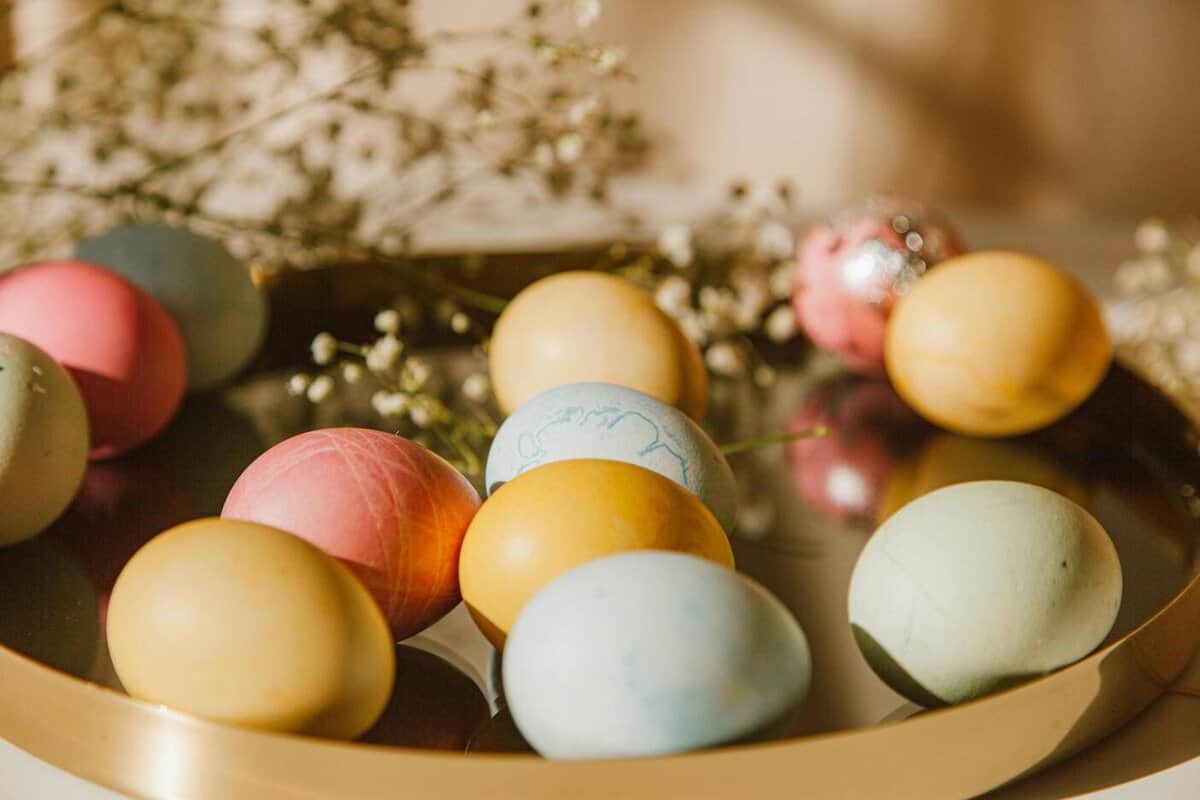
Even further back in history, ancient Egyptians and Persians also celebrated spring with eggs.
In Persia, during Nowruz (New Year), they were also painted as a symbol of fertility and new beginnings.
They were displayed as part of spring rituals to honor the earth’s rebirth.
Similarly, in ancient Egypt, they appeared in spring festivals linked to the goddess Isis.
These traditions prove the universal symbolism of the egg as a carrier of fertility.
Over time, these customs blended and influenced European practices, creating a rich tapestry of spring celebrations.
Humans all across the world came to the same conclusion: Life is indeed cyclical.
8. Easter Between Pagan and Christian Tradition

This is a story as old as time: A powerful empire enforces new religion and customs, but can only get so far.
Rome had managed to spread Christianity, but it couldn’t forbid all the customs that were ingrained in the pagan peoples it converted.
In fact, the church had to create many of its new traditions around the existing ones. That’s how we got Christmas, and it’s also how we got Easter.
The egg’s association with fertility and rebirth was reinterpreted to symbolize Christ’s victory over death.
Decorating eggs was sold as a Christian tradition, though anyone who’s willing to explore their symbolism beyond the surface level sees right through it.
Despite this change, the core meaning persisted – they still signified rebirth and renewal.

A little Aquarius, devoted to writing and embroidery. Through my writing, I hope to empower readers to align with their true selves and navigate life’s mysteries with confidence.