

What exactly separates a cult from a legitimate religion? The differences are subtle but important.
Many people think that these are just synonyms, and sure, most religions did start as cults.
Religions have been around for centuries, shaping cultures and societies, while cults can appear suddenly and often with harmful motives.
So, how exactly can we tell them apart?
1. Why Longevity Matters

One of the biggest differences between cults and religions is how long they’ve been around.
Great religions like Christianity, Buddhism, and Islam have centuries, and even thousands of years of history behind them.
Their longevity isn’t just about tradition; it’s a proven track record of surviving societal changes and evolving over time.
Cults, on the other hand, tend to pop up quickly, and often disappear just as fast.
Their short lifespan usually indicates instability or harmful practices. Long-standing religions have been tested by time and critics.
Age brings a level of legitimacy, but it also proves that the faiths are able to adapt and serve their communities over time.
2. Leadership and Authority
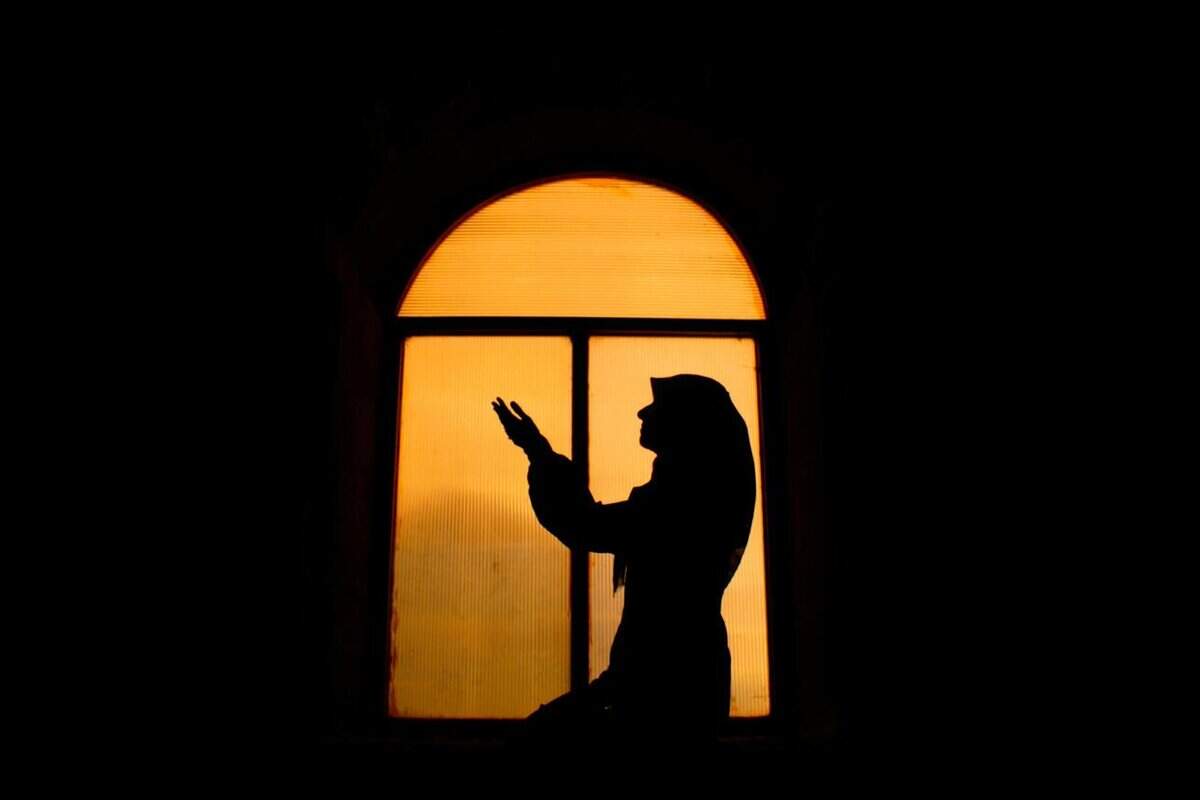
This might be the crucial difference.
In religions, liderança is well-structured; bishops, imams, monks, and councils are accountable to followers and tradition.
While there can be charismatic leaders, authority tends to be rooted in doctrine and holy books.
Cults, however, tend to revolve around a single leader who demands unquestioning obedience.
This leader controls every aspect of members’ lives – what they think, wear, believe, and do. They create dependency by manipulating their followers.
Legitimate religions tend to promote obedience to the higher power, not any individual person.
It’s also perfectly acceptable in most religions to explore different philosophies and even leave the community if you so choose.
Cults tend to make this very difficult, often using fear and gaslighting to prevent followers from leaving.
3. Guidance vs. Control

Religions generally encourage community and compassion.
Members are supported spiritually and emotionally, and those less fortunate might also receive material support from their religious community.
While strictness and rules depend on religion and denomination, free will and autonomy are generally encouraged.
This might be the case for some cults as well, though the most notorious ones treat their members as tools.
They manipulate, isolate people from their loved ones, and impose strict and often irrational rules.
Cults tend to create an environment of fear – fear of leaving, fear of different beliefs, fear of the outside world.
The goal is control, not enlightenment or harmony.
The difference comes down to whether the group nurtures its members or exploits them.
4. What Makes a Religion “Real”?

A legitimate religion usually has a long history, established doctrines, and recognition from society.
Typically, great religions have raízes in some even more ancient belief systems – like Christianity is rooted in Judaism, and Judaism is rooted in ancient Sumerian religion.
It often has a clear moral code and a community that sustains it over generations.
Cults, however, tend to lack transparency and formal doctrines. Also, society tends to stay away from them in general.
Legitimacy doesn’t only come from age. It comes down to a transparent, accountable structure that respects members’ rights.
Governments and societies tend to recognize official religions because they contribute in different and useful ways.
5. The Real Test of Legitimacy

Even though age is typically an important factor when it comes to a religion’s legitimacy, it’s not all.
Newer religions and spiritual movements can be meaningful if they promote positive values e transparência.
What matters more is how they treat their followers, how they adapt over time, and whether their teachings promote self-improvement and freedom.
Conversely, some ancient religions have dark histories that are still frightening to read about.
The real test is whether the group fosters a healthy community and respects individual rights. These factors make all the difference.
6. The Danger of Small Cults

Cults can be dangerous because they’re often secretive and tightly controlled, especially if they’re small.
One person holds all the power, and since these groups tend to be on the smaller side, it’s even easier to assert tight control over each individual member.
They may isolate members from their families and use different tactics to keep control.
Some cults have been linked to abuse, violence, and even worse casualties, as seen in infamous cases like Jonestown ou Waco.
Their danger lies in their ability to exploit vulnerability and create dependency.
7. The Bigger Picture

Religions often shape cultures, laws, and societal valores. They influence art and morality.
They evolve with society and usually aim to serve the greater good.
Cults, however, tend to be more isolated, focusing on the leader’s vision rather than societal good.
They often reject mainstream values and can foster intolerance or even violence.
This difference is also why governments and societies are more cautious about recognizing new religions.
The impact on the wider community is a key factor in differentiating the two.

A little Aquarius, devoted to writing and embroidery. Through my writing, I hope to empower readers to align with their true selves and navigate life’s mysteries with confidence.