
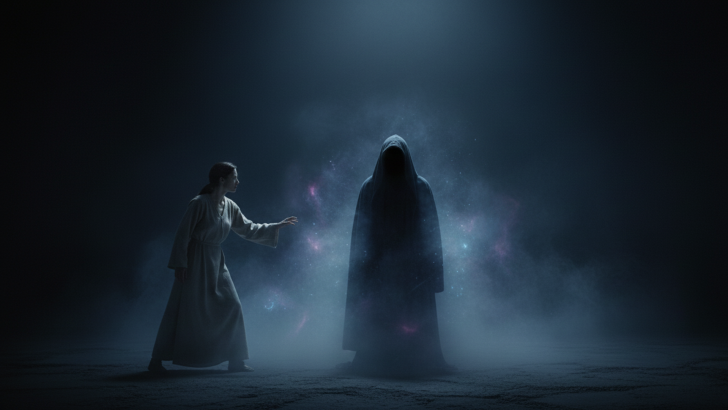
Some old stories are told in soft voices, because people believe certain truths are too heavy for the human mind.
One of the most mysterious figures in these stories is the demon Astaroth. He appears in many ancient texts as a quiet and patient spirit who reveals knowledge that humans were never meant to carry.
People imagined him as a presence that does not shout or threaten. Instead, he whispers secrets that can change the way someone sees themselves and the world.
The legends say that he knows the hidden parts of the mind, the secret wishes, and the fears that people never speak out loud.
Astaroth does not force anyone to listen. He waits for curious people to call for him, then answers with truths that feel like cold water on the heart.
His story shows how powerful and dangerous knowledge can be when someone is not ready to hear it.
Where Astaroth Comes From and Why His Name Frightened the Ancient World
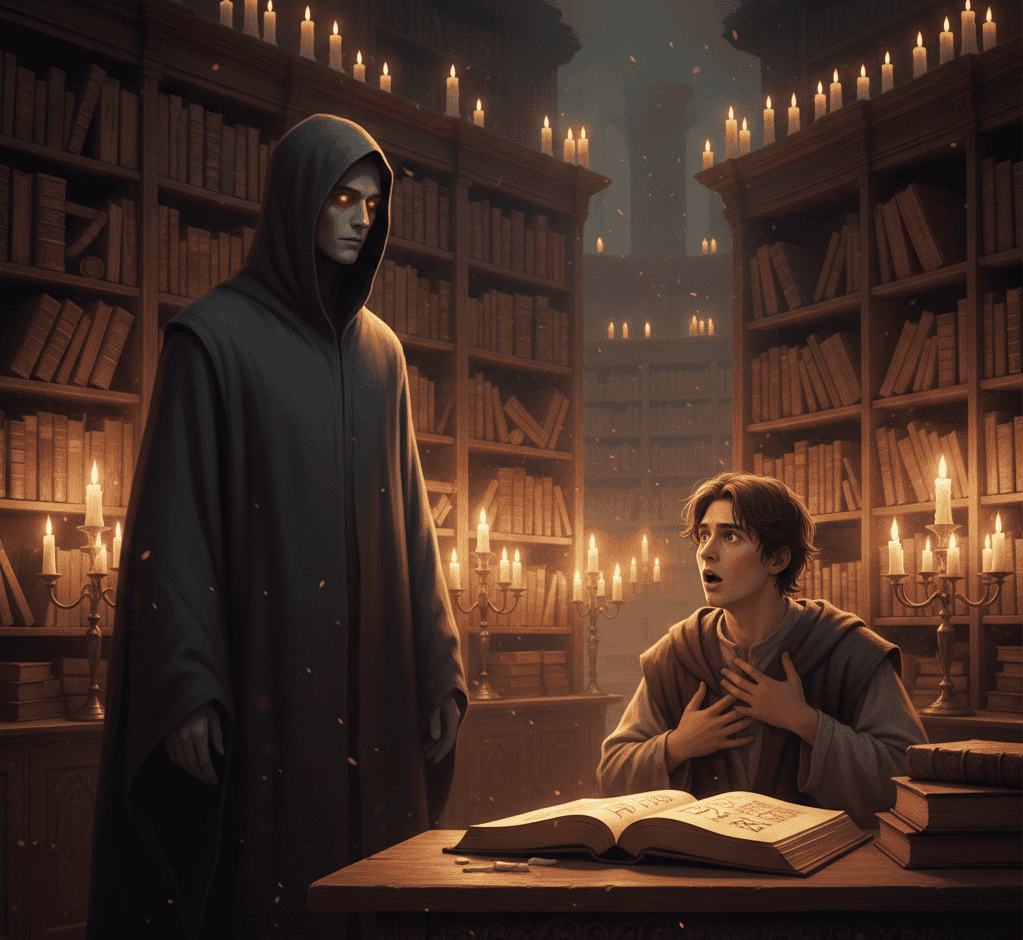
Astaroth appears in several different traditions, each describing him in a slightly different way.
In some writings, he is a fallen spirit who once belonged to the heavens.
In others, he is a keeper of ancient wisdom who never wanted to guide humans, yet was constantly asked to do so.
People feared him not because he caused destruction, but because he understood the human mind too well.
They believed he could speak directly to the thoughts people hide from others and from themselves.
His presence was described as calm and cold. He did not tempt. He did not shout. He simply revealed things that the listener did not want to admit.
In many old stories, the ones who called for Astaroth were scholars, seekers, and people who felt that the world was filled with puzzles.
They hoped he would share secrets about life, death, nature, or fate. Astaroth answered, but not in the way they expected.
Instead of giving them power, he gave them insight that made them feel small. He told them truths that stripped away pride.
These truths were described as heavy and sharp. They cut through the illusions people built around themselves.
Some legends say that those who listened walked away wiser. Other legends say that they walked away troubled, unable to forget what they learned.
The idea of Astaroth grew from the fear of knowing too much, too fast, without the emotional strength to handle it.
The Truths Humans Should Never Hear
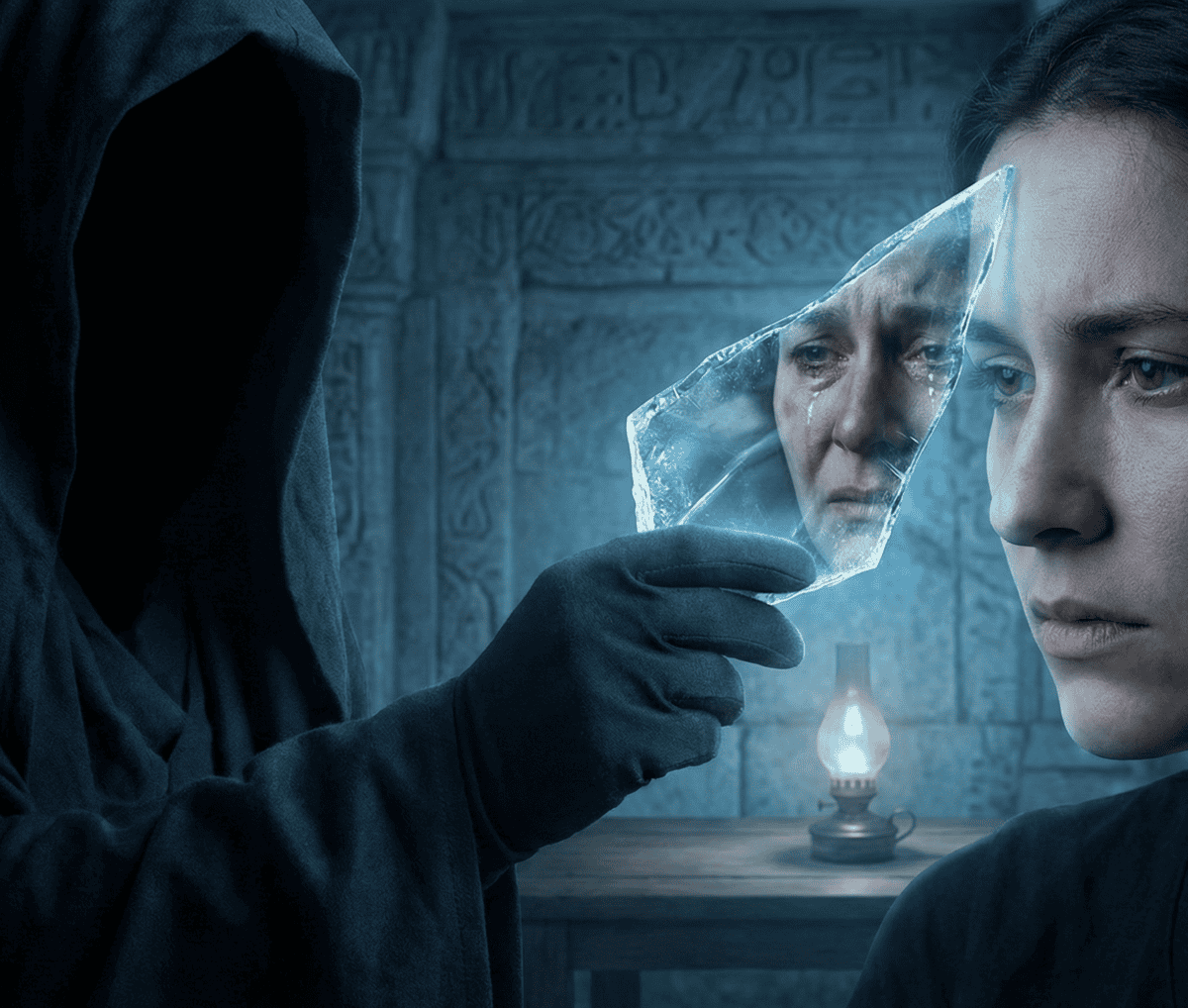
The myths surrounding Astaroth focus on the idea that some knowledge brings more pain than clarity. The demon does not lie.
He does not twist words. He speaks the truth so directly that it shocks the listener. In the stories, he tells people what they fear most about themselves.
He reveals the reasons behind their choices. He uncovers the emotions they try to hide. He explains how fragile human plans can be.
He shows how quickly life changes. His truths are not cruel. They are simply unsoftened. That is what makes them frightening.
In these tales, people come to him asking for guidance. They want to know their destiny. They want to understand their relationships.
They want to learn why they feel lost. Astaroth tells them answers that are not comforting. He tells someone that a dream they chase is not their true dream.
He tells someone that the person they love will never return the feeling. He tells someone that a fear they hide is shaping every decision they make.
These stories describe how humans often crave knowledge yet fear what it might reveal. Astaroth becomes a symbol of the moment when someone hears a truth they are not ready to accept.
The legends say that people who listened to him felt as if they had walked into a cold, clear lake. Everything inside them felt sharp and open.
Some could handle this clarity. Others could not. This part of the myth reflects a deep human feeling. People want honesty, but they also want softness.
Why Humans Seek Forbidden Answers
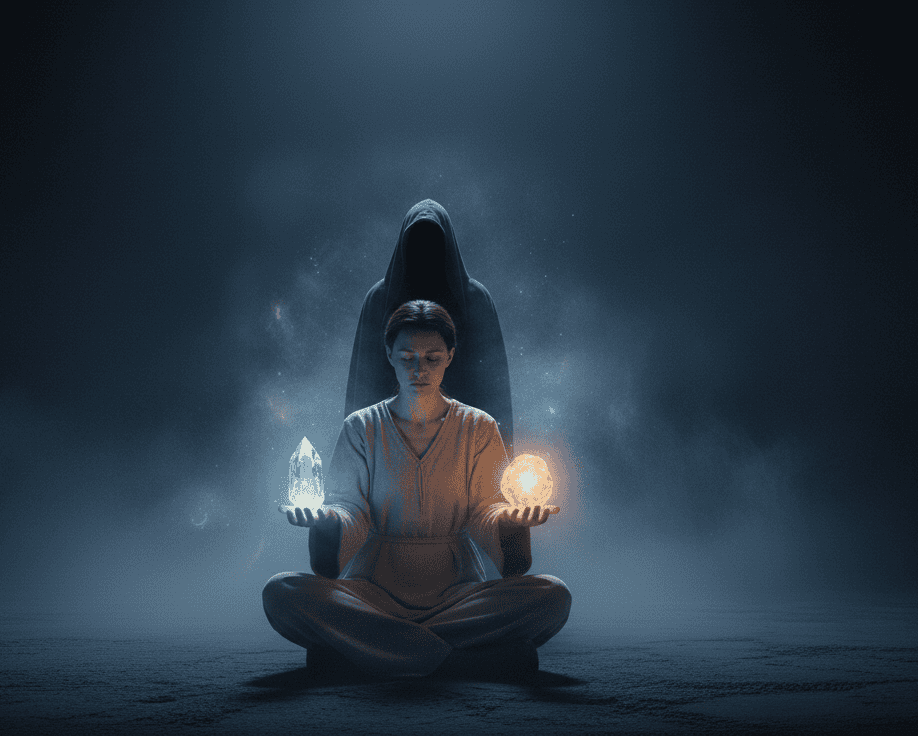
The legend of Astaroth survived for centuries because it captures something very human. People constantly look for meaning.
They want to know what will happen next. They want to understand their relationships, their emotions, and their fears.
They want certainty in a world that often feels confusing. Astaroth represents the type of knowledge that human beings hope for when they feel lost.
He embodies the desire to see behind the curtain of life. Yet his story reminds us that such answers do not always bring peace.
Many people turn to things that promise clarity. They read signs. They follow spiritual paths. They look for patterns that will explain their lives.
In the myths, those who seek Astaroth are not evil. They are curious, emotional, and restless. They hope the truth will guide them.
The problem appears when the truth is too direct. Astaroth teaches that every answer has a price. Sometimes knowing the truth changes the way someone sees themselves forever.
It may remove illusions that helped them feel safe. It may expose feelings they never wanted to admit. It may show the limits of their control.
The myth suggests that part of being human is learning the truth at the right time. Knowledge must grow with a person.
When it arrives too soon or too sharply, it can shake the foundation of the mind. Astaroth does not hold back.
This is why the stories say his wisdom can break someone who is not prepared for it. The tale invites people to think about their own search for answers.
It asks whether they truly want the deepest truth or whether they want comfort instead. This question is still relevant today, which is why people continue to share his story.
What Astaroth Teaches About Balance and Human Strength
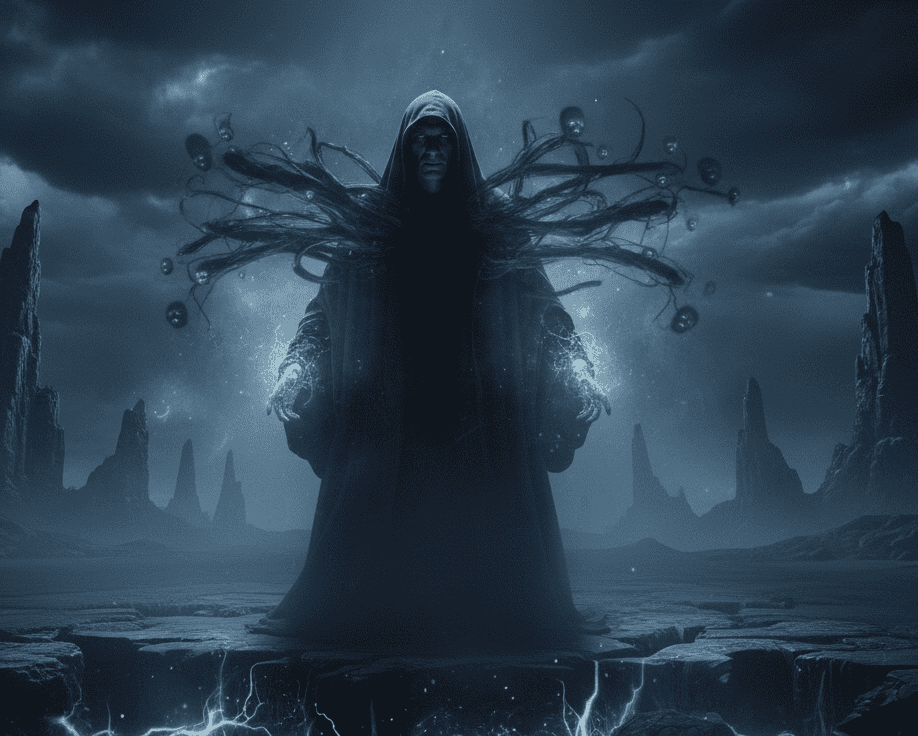
The final part of the legend focuses on the idea that truth is not a curse. It is a tool. Astaroth is not described as a monster in the old stories.
He is described as a force that reveals what lies beneath the surface. Those who call for him must be ready to face themselves without excuses.
His presence symbolises the moment when a person stops running from what they feel. For some, this moment brings clarity.
For others, it brings fear. In both cases, the truth changes them. The myth of Astaroth teaches that humans need balance.
Too little truth leads to confusion and denial. Too much truth, too quickly, can overwhelm the heart.
Even now, the figure of Astaroth appears in books, films, and conversations about the unknown.
He reminds us that the human soul is strong, but it needs time to grow. Truth is powerful. It can guide, heal, or hurt.
It depends on the heart that receives it. The demon Astaroth, who speaks truths humans should never hear, becomes a symbol of the careful steps we take as we learn who we are.
His story encourages us to seek knowledge, but also to protect our hearts. It reminds us that some truths can wait until we are ready to understand them.

Sempre senti uma forte ligação com o Divino desde o meu nascimento. Como autora e mentora, a minha missão é ajudar os outros a encontrar o amor, a felicidade e a força interior nos momentos mais sombrios.