

Stories about demons appear in many religious traditions, but in the Bible, they are usually shown as spiritual beings that oppose God and trouble human beings.
Whether someone reads these passages literally or symbolically, one theme appears again and again: evil is not presented as all-powerful.
In Scripture, demons react strongly when confronted with things connected to God’s authority, truth, and presence.
They are often shown as disturbed, exposed, or driven away. For many believers, these stories are reminders that fear does not have the final word.
For others, they can be read as symbolic lessons about how truth, faith, and inner strength overcome destructive influences.
In this article, we look at seven things that demons are said to fear according to biblical tradition and why these ideas continue to resonate with people today.
These themes have comforted people for centuries and continue to remind believers that darkness may look intimidating.
Still, it is never presented as stronger than God’s power, love, and ability to protect those who trust in Him.
1. The Name of Jesus

In the New Testament, demons are repeatedly shown reacting to Jesus with fear and recognition.
They are described as knowing who he is and acknowledging his authority. In several stories, they ask not to be tormented and obey when commanded to leave.
For Christians, this makes the name of Jesus a symbol of divine authority and protection. Many believers take comfort in this idea because it suggests that evil has limits.
Even people who read the stories symbolically often see this as a reminder that calling on something greater than yourself can bring courage during difficult moments.
It is like remembering that you are not facing life’s hardest battles alone. For many Christians, the name of Jesus brings peace, confidence, and the feeling that fear no longer has the loudest voice in the room.
2. Genuine Faith

Scripture often connects faith with confidence and spiritual strength. The idea is not that a person must be perfect, but that trusting deeply in God changes how fear is experienced.
In Christian teaching, faith is like standing on solid ground when everything else feels uncertain.
Demons, in this symbolic sense, are portrayed as weakened when a person refuses to surrender to panic or despair.
Many people find this idea comforting because it emphasizes trust rather than performance. Even a small amount of sincere faith is presented as meaningful and powerful.
Faith can be as simple as whispering, “God, help me,” when life feels overwhelming. According to Scripture, that kind of honest trust matters deeply.
It shifts attention away from fear and places it on the belief that God is stronger than anything that tries to shake you.
3. Prayer

Prayer appears throughout the Bible as a direct way to seek help, clarity, and protection. In the Gospels, prayer is often linked with spiritual resilience.
Some passages suggest that certain difficult situations require focused prayer. Whether understood literally or symbolically, prayer can help people feel calmer and more centered.
It creates a pause, shifts attention, and reminds believers that they are not facing challenges alone.
In that sense, prayer is portrayed as something that disrupts fear and strengthens the person who practices it.
Prayer can be formal, but it can also be as simple as talking to God like you would talk to a trusted friend. That simple conversation can bring comfort, strength, and a renewed sense of peace.
4. Truth

In Scripture, truth is frequently contrasted with deception. Demonic forces are associated with lies, confusion, and distortion.
Because of this, truth is portrayed as something that exposes what is hidden. When a lie is brought into the light, it loses much of its power.
This idea resonates beyond religion. In everyday life, many problems become less overwhelming when they are named honestly.
The biblical theme suggests that clarity and honesty are powerful tools against anything that thrives in secrecy or confusion.
Truth may sting at first, but it also clears the air. It helps people see things as they really are and reminds them that lies lose their strength once they are exposed and confronted openly.
5. Worship and Praise

Many biblical traditions describe praise as a way of turning attention away from fear and toward God.
Singing, gratitude, and worship are seen as acts that change the emotional and spiritual atmosphere. Even people who are not religious often notice that gratitude can shift perspective.
In Scripture, praise is presented as something that strengthens the believer and diminishes the influence of darkness. It is less about performance and more about where the heart is focused.
When someone chooses to thank God in the middle of a difficult season, it can feel like opening a window in a dark room. Hope, peace, and strength often begin to return little by little.
6. Obedience to God

The Bible often connects spiritual strength with a willingness to follow God’s guidance. This does not mean flawless behavior.
Rather, it points to a life oriented toward what is good and honest. In symbolic terms, destructive forces have less influence when a person is trying to live with integrity.
Choosing what is right, even when it is difficult, is portrayed as a powerful form of resistance against evil.
This message continues to resonate because it links everyday choices with deeper spiritual meaning.
Saying no to harmful habits and yes to what is good may seem simple, but Scripture presents those choices as deeply meaningful and spiritually powerful.
7. The Presence of God
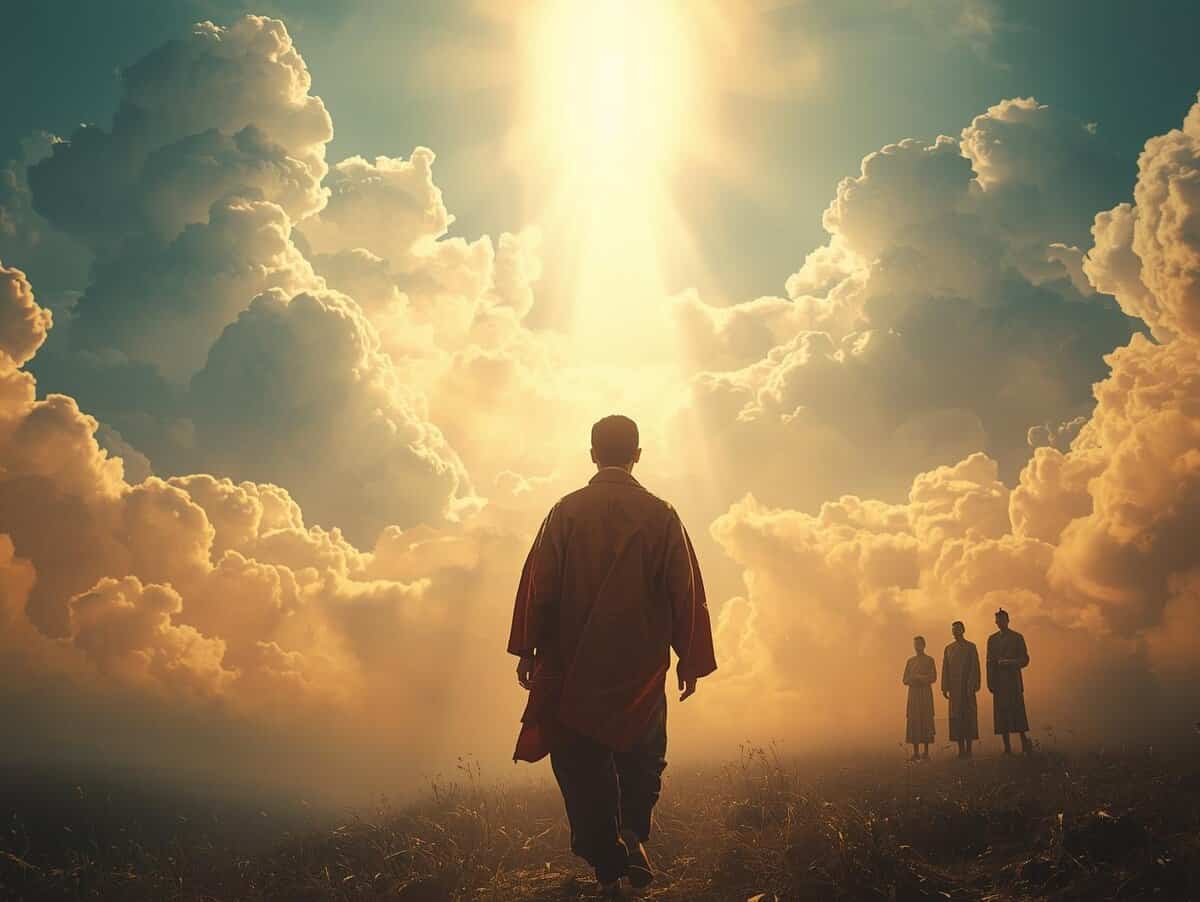
Above all, Scripture emphasizes the presence of God as the ultimate source of protection and peace. Demons are depicted as unable to stand against divine authority.
For believers, this is a deeply reassuring idea. It suggests that no matter how intense fear may feel, it is not greater than God’s presence.
Even outside a strictly literal reading, the theme remains meaningful. The sense of being supported by something greater than oneself can be profoundly stabilizing.
This is why many people see the presence of God as the central answer to fear in all its forms. It is the comforting reminder that wherever God is present, darkness loses its power and peace has room to grow.

Sempre senti uma forte ligação com o Divino desde o meu nascimento. Como autora e mentora, a minha missão é ajudar os outros a encontrar o amor, a felicidade e a força interior nos momentos mais sombrios.