
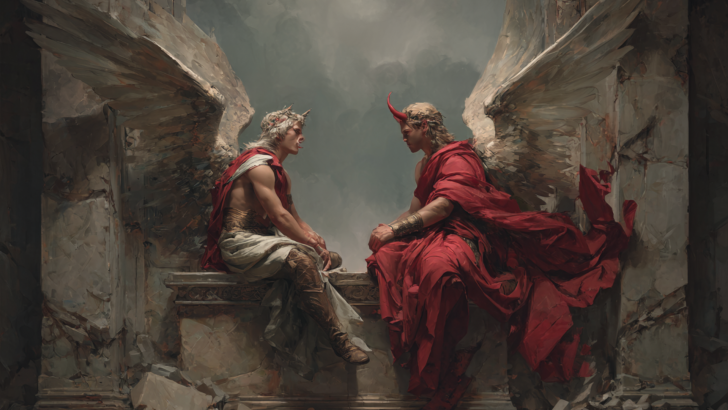
The names Lucifer and Helel are often thought of as interchangeable because they are frequently presented as the same person.
However, some biblical scholars claim the connection is far more complicated than that. Scholars point out that the original references to Helel were found in a very different context than the later references to Satan and/or the Devil.
Over centuries, as we have translated and interpreted ancient texts, separate figures who were originally distinctive may have gradually merged into a single figure and contributed to a fascinating debate over language, history, and religious tradition.
1. Who Was Helel?

Helel (when it is in Hebrew) comes from the passage in Isaiah and is translated to mean “shining one” (in English) or “morning star.”
This passage references someone who fell from greatness; therefore, readers connected this same figure to Lucifer or the Devil for centuries.
However, some argued that the original interpretation of Helel was not as a supernatural being. It is possible that the passage refers figuratively to a proud, but still mortal, ruler.
2. The Original Context Was Political

One reason scholars doubt the connection between the two names is that the political nature of the surrounding context of the Isaiah passage is evident.
In fact, most of the chapter discusses kings, empires, and political power; the language within the text of Isaiah is highly poetic and dramatized, and utilizes powerful imagery depicting the fall of an individual who was seen to be overly arrogant.
In ancient times, writers often compared powerful kings to stars or other heavenly bodies or even gods.
Helel may simply represent human pride instead of being a fallen angel or the figure we know as Satan today, making this passage a warning about power instead of describing where Satan came from.
3. The Morning Star Symbol Appeared Elsewhere

The morning star as a symbol has existed for a long time before it was associated with the devil in later Christian thought. In many ancient cultures, celestial symbols were used as images representing beauty, status, or ambition.
The morning star is visible for only a short time before dawn and disappears with the rising of the sun, creating a powerful image of greatness followed by decline.
Some scholars believe that Isaiah borrowed familiar imagery from his surrounding culture to describe the fall of a ruler. The use of this imagery was probably initially poetic in nature before it became theological.
4. The Name Lucifer Came Later
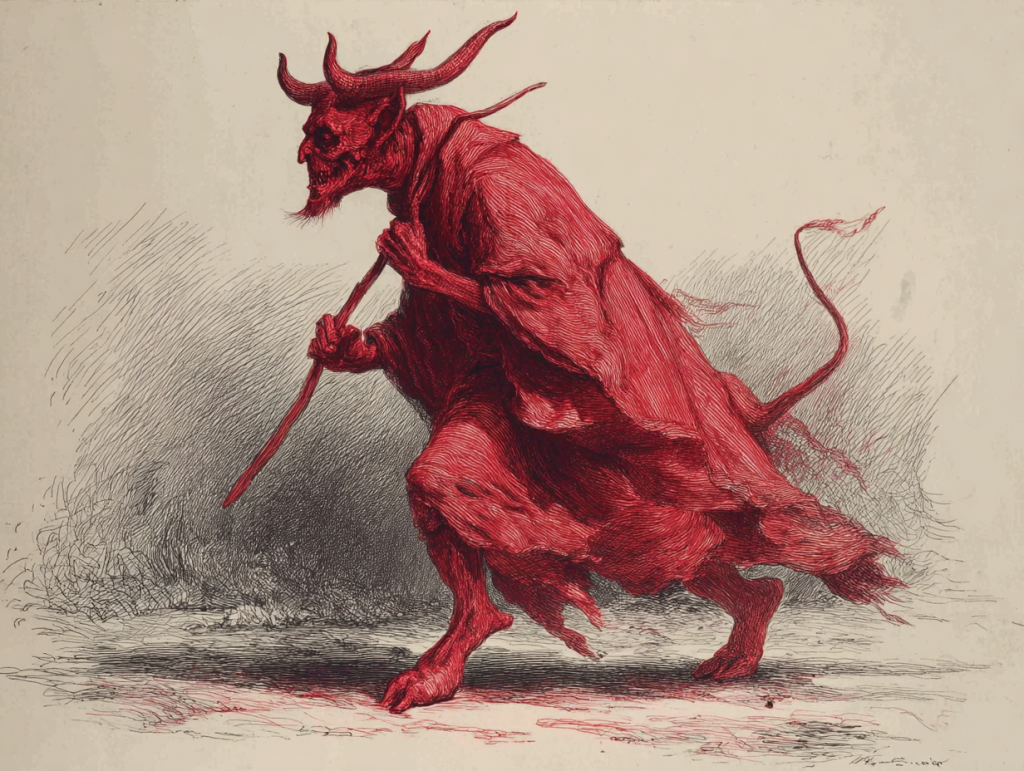
Many people are surprised to learn that the name Lucifer does not occur in the original Hebrew text. It became part of the conversation due to later Latin translations.
The Latin term “lucifer” means “light-bringer” or “morning star,” and gradually readers began to use the translated word as a proper name as opposed to simply being a descriptor for a non-specific reference to the morning star.
This change of use has had far-reaching implications; a poetic title became associated with one character over time and has shaped hundreds of years of religious tradition and popular imagination throughout history.
5. Satan Developed Separately In Many Texts

Satan was developed separately in a variety of biblical and religious texts and has many different functions and characteristics in these texts. Early accounts do not always depict him as the ultimate adversary as later traditions viewed him.
The further along religious thought developed, the more complex evil, rebellion, and spiritual opposition were described in writing.
Some assert that Satan and Helel were both independently formed, then later interlinked by additional interpreters.
6. Literature Helped Merge The Stories

Many of the later writers worked hard to connect Helel and Lucifer through religious commentaries, poetry, and theology that compiled passages into a singular story.
Over time, the story of a proud heavenly being that fell from grace became more developed in detail. These writings helped to shape the understanding of the text for many generations.
By the Middle Ages, many readers had accepted this integration to the degree they considered it an established fact when, in fact, it had slowly developed over centuries of interpretation.
7. Modern Scholars Continue Debating The Issue

Presently, historians, theologians, and biblical scholars still discuss and debate the origin of Helel as a word.
Some claim the traditionalism of Satan as Helel, but others hold that the intent of the text was never to connect Helel to the Devil. Both groups have examined the context, linguistic elements, and literary constructions in consideration of this issue.
The debate is ongoing because the text has a poetic style, and this contributes to its multiple possible meanings. The continued discussion of this subject underscores how ancient texts can generate new questions thousands of years after they were written.
8. Why The Distinction Matters
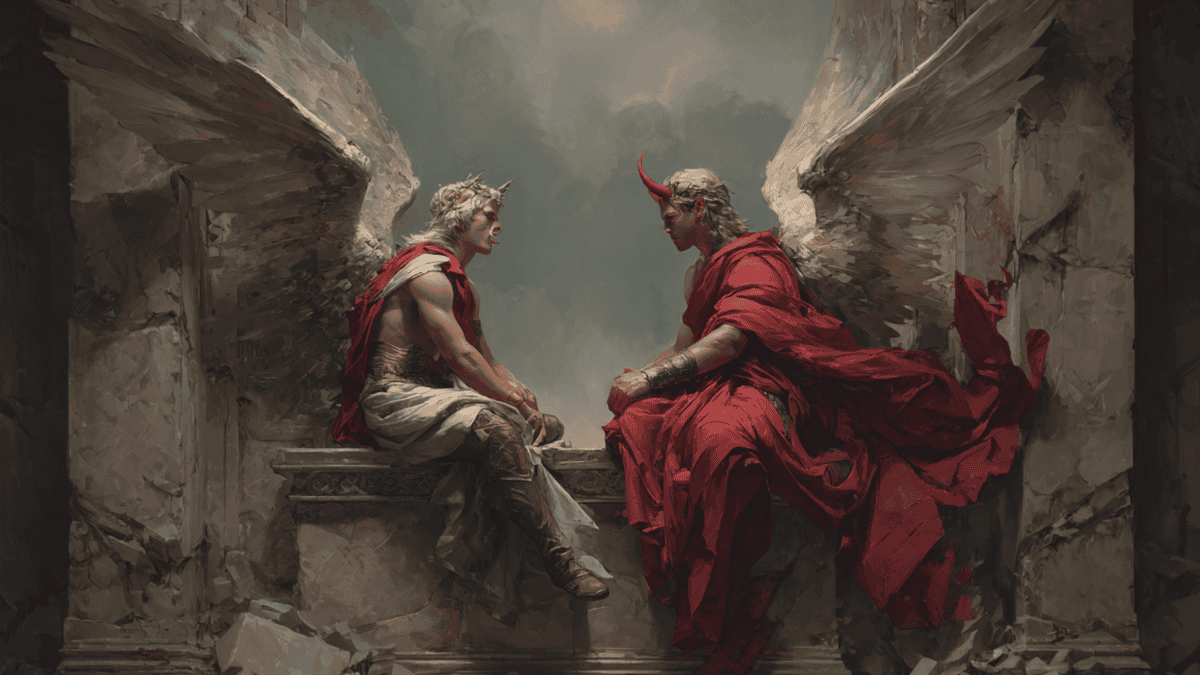
While initially splitting Helel from the Devil may appear to be an insignificant detail, this discussion demonstrates how translations, cultural influences, and storytelling create understanding within a religion.
Additionally, this discussion serves as a reminder to readers that ancient manuscripts can often contain multiple layers of meaning beyond the most current and popular understanding.

Born and raised in Bosnia and Herzegovina. Ever since I was a little girl, my imagination knew no bounds. I remember vividly how I’d scribble down short stories, each page bursting with adventures and characters conjured up from the whimsy of my mind. These stories weren’t just for me; they were my way of connecting with my friends, offering them a slice of my fantasy world during our playtimes. The joy and excitement on their faces as we dived into my fictional realms motivated me to keep writing. This early passion for storytelling naturally evolved into my pursuit of writing, turning a childhood hobby into a fulfilling career.