
Names carry intricate stories. Their hidden meanings often reflect cultural roots, values, traits, and even the status of those who bore them.
Across Europe’s long history, countless names have shaped identities and legends.
We’re going to explore 18 authentic European names that existed long before Christianity took over and Biblical names became the norm.
These names are windows into a world of myth and identity.
1. Archibald (Genuine, Bold, Brave)
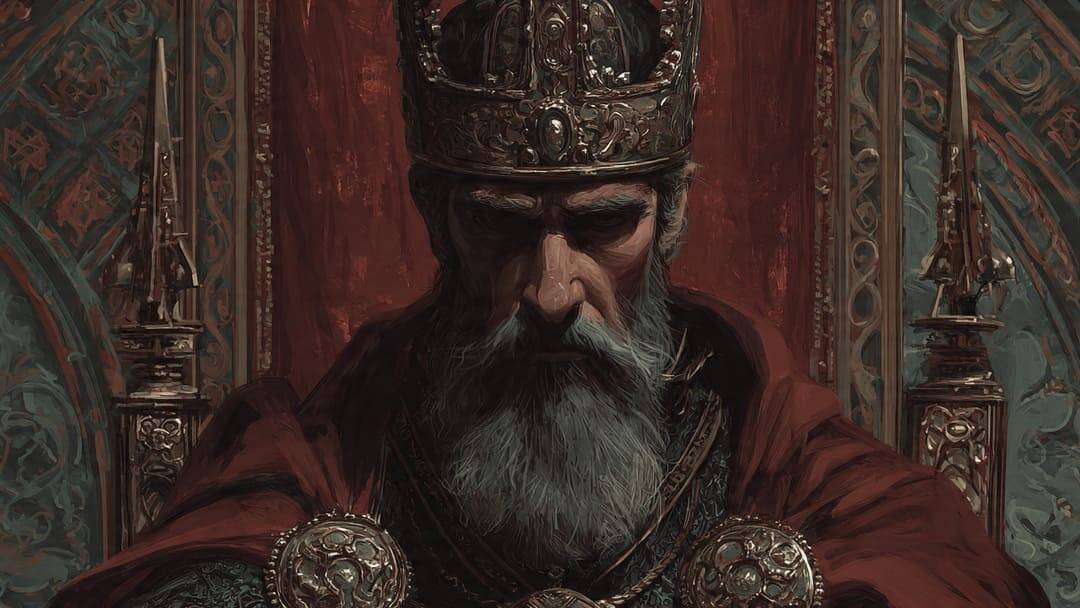
Archibald is a name that speaks of strength and honesty. It comes from the Germanic words “ercan” (genuine) and “bald” (bold), and it was often given to future warriors and leaders.
Its meaning suggests that the bearer is genuine and ready to face challenges directly.
In medieval Europe, Archibalds were often the pillars of integrity and courage. The name was always popular among kings and knights.
It’s an ancient name that still carries the weight of honor and valor.
2. Cassian (Vain)
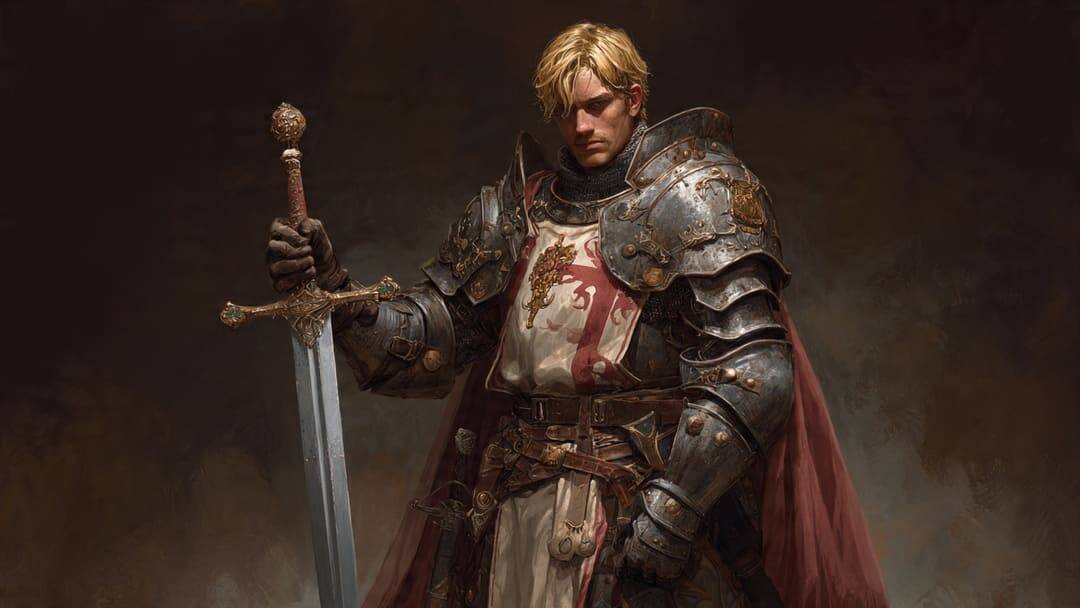
Cassian might not seem as noble at first glance, but its roots reveal a different meaning.
Derived from the Latin “Cassianus,” it was a name used by early scholars. Interestingly, some interpret the name as linked to vanity, possibly stemming from the Latin “cessa” (hollow, vain).
In ancient times, it might have been associated with those who took pride in their appearance or reputation.
Either way, it evolved over time, so it became a symbol of confidence rather than vanity.
3. Cathasach (Brave)

Cathasach is a name rooted in Celtic tradition, meaning “brave” or “courageous.”
In ancient Britain, bearing the name Cathasach was a mark of someone who stood fearless in the face of adversity. It was reserved for the future heroes of the community.
The name embodies all the qualities admired in Celtic culture.
To this day, it remains a symbol of a strong spirit and a noble heart.
4. Drogo (To Bear, to Carry)

Drogo is a name that’s heavy with meaning. Originating from Old Germanic roots, it means “to carry.”
Historically, it was given to those who were seen as carriers of strength or responsibility, mainly leaders and warriors.
In medieval Europe, the name Drogo was associated with traits needed to shoulder heavy burdens, whether physical, emotional, or societal.
It symbolizes endurance and support.
To carry the name Drogo is to carry a legacy of perseverance and dignity.
5. Drustan (Riot)
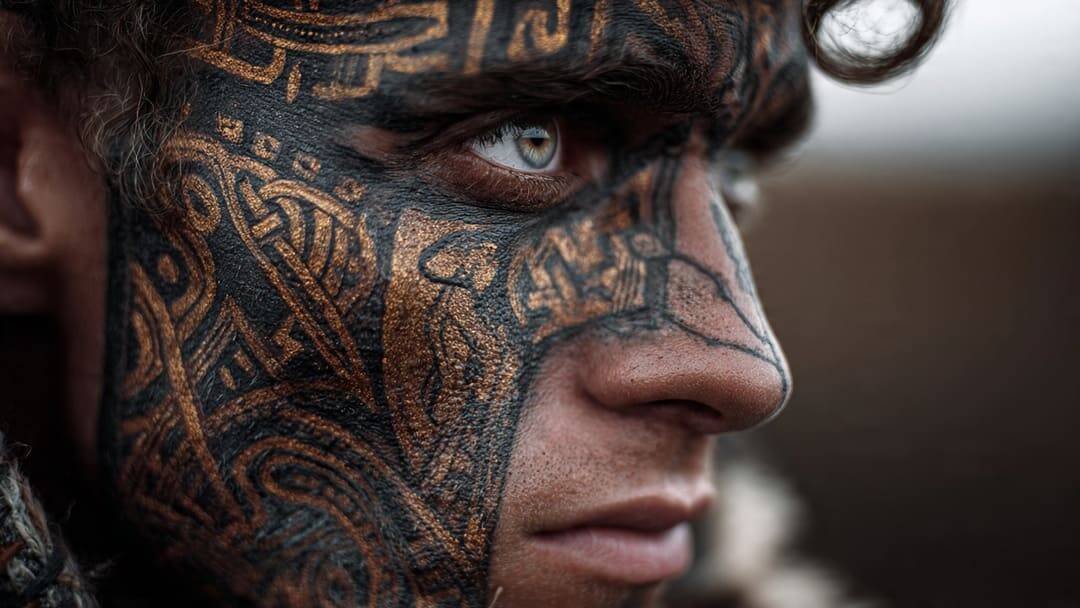
Drustan is believed to come from the Gaelic word “drest,” meaning “riot.”
The name likely signified someone who was fierce and unrestrained. It revealed qualities that should be both feared and admired.
It carries a wild energy, embodying the spirit of rebellion.
In ancient times, a person named Drustan might have been seen as a leader of change, or someone who wielded chaos for the greater good.
6. Emil (To Equal, to Excel)
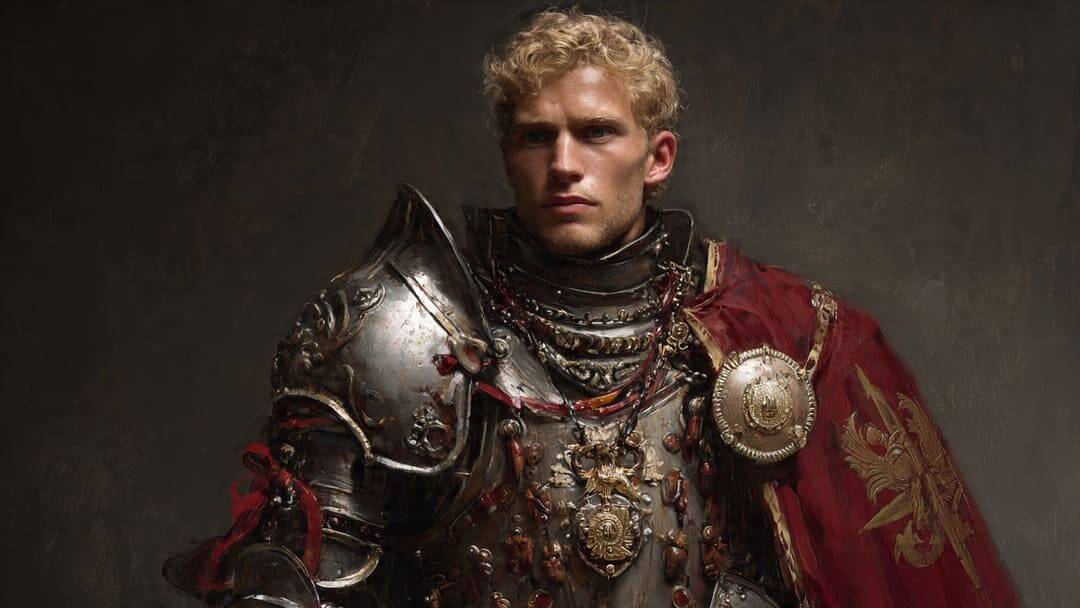
Emil is a name for those meant to stand out.
It comes from the Latin “Aemilius,” and signifies someone who excels or is equal among peers.
In old times, it was often given to individuals destined for greatness, someone who could elevate themselves and others.
It suggests excellence, fairness, and the ability to rise above challenges.
Emil carries a quiet confidence, inspiring those who bear it to reach their full potential without becoming arrogant.
7. Finnian (Fair, White)

Finnian is a name that paints a picture of purity and fairness. It comes from Gaelic tradition, and means “fair” or “white,” symbolizing innocence and beauty.
In Ireland, Finnian was a popular name, often associated with sabedoria and a good heart. The name evokes a sense of balance.
Bearing this name was a mark of someone who was honest and revered for their moral integrity. It might have also been connected to physical beauty and bright skin.
Either way, it’s a name that speaks of true nobility.
8. Gandalf (Wand Elf)
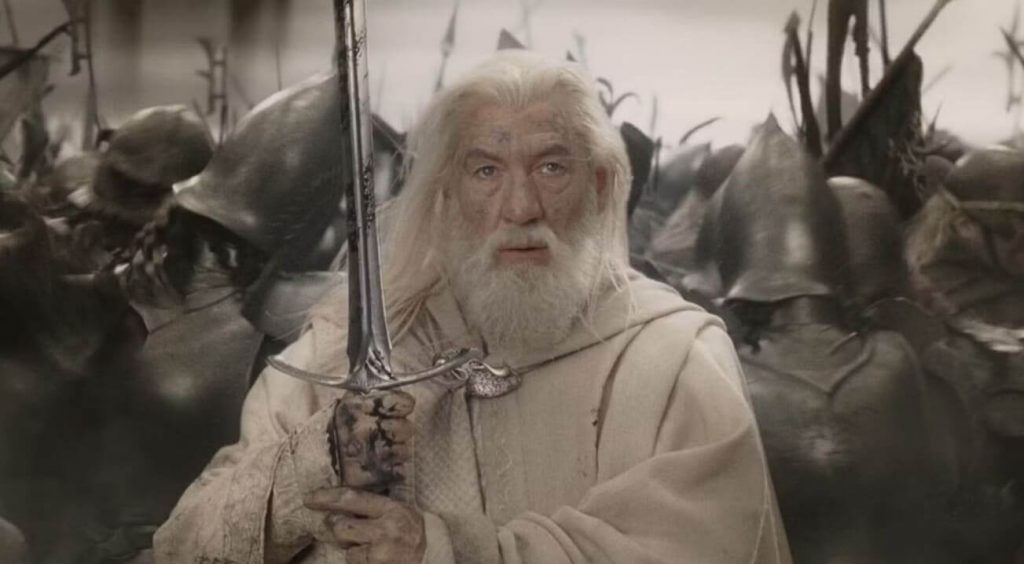
Yeah, Gandalf is a historical name, still legendary thanks to J.R.R. Tolkien.
The name comes from Old Norse and means “wand-elf”. It’s known from Völuspá and its catalogue of dwarves.
Its meaning is closely tied to magic and wizards, as it relates to a wand or staff, which are objects used for creating magic.
The name speaks of ancient sabedoria e nature spirits.
9. Kenrick (Fearless Leader)
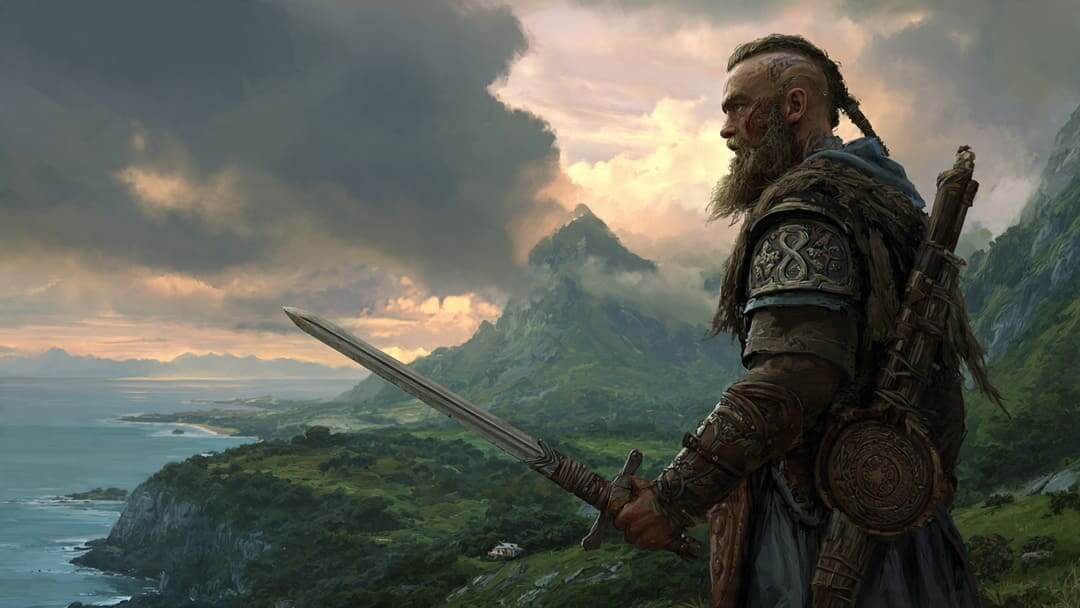
Kenrick comes from Old English, meaning “fearless” or “royal ruler.”
In ancient Britain, those named Kenrick were often warriors, chieftains, ou kings; people who commanded respect and led their communities.
The name carries an aura of authority and commitment to one’s people.
It’s a name that challenges its bearer to settle for nothing less than greatness.
10. Leoric (Lion-like)

Leoric is a name inspired by the lion, a symbol of strength and nobility.
It’s derived from Old Germanic roots, and it means lion-like, highlighting qualities of leadership and bravery.
In medieval Europe, it was associated with kings, nobles, and warriors who were dignified and fierce in battle.
Leoric is a powerful name, echoing the ancient reverence for the lion as king of beasts and a symbol of noble power.
It inspires its bearer to become someone worthy of respect.
11. Piers (Rock)
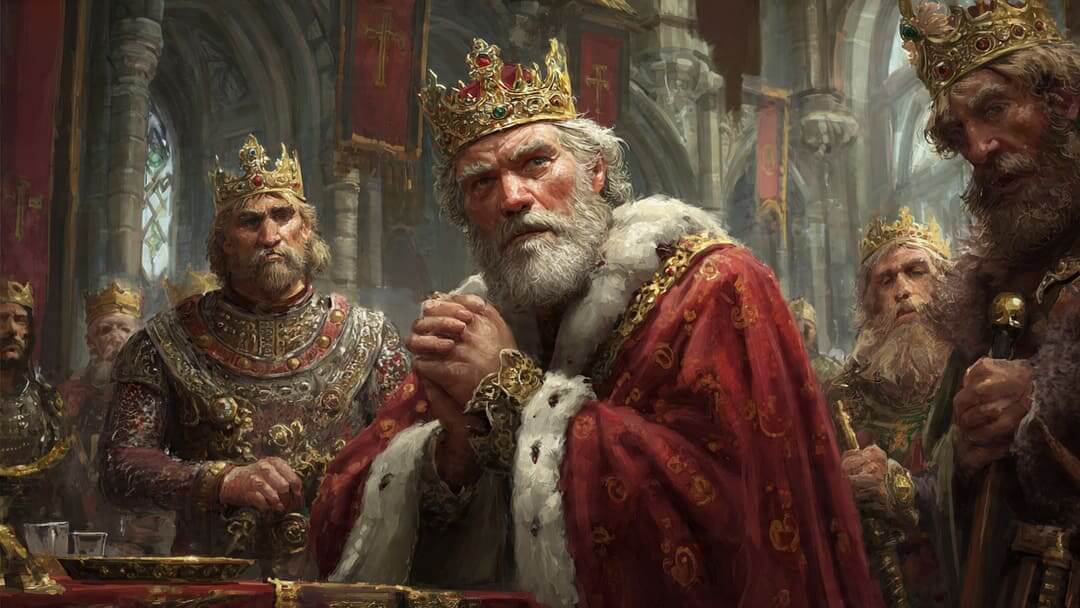
Piers is a name that symbolizes strength and stability. It comes from the Latin “Petrus,” meaning “rock,” and it’s given to those who are solid and dependable.
This meaning is the exact reason why Jesus Christ changed Simon’s name to Peter as a way to say He’s entrusting the church to him.
In ancient Europe, Piers was often associated with fortress-like qualities, like endurance and resilience.
It suggests someone who provides support to others, unmoved by any troubles.
The name speaks of strength that isn’t merely physical, but moral and mental. It stands for unwavering loyalty.
12. Ricard (Rich and Powerful Ruler)
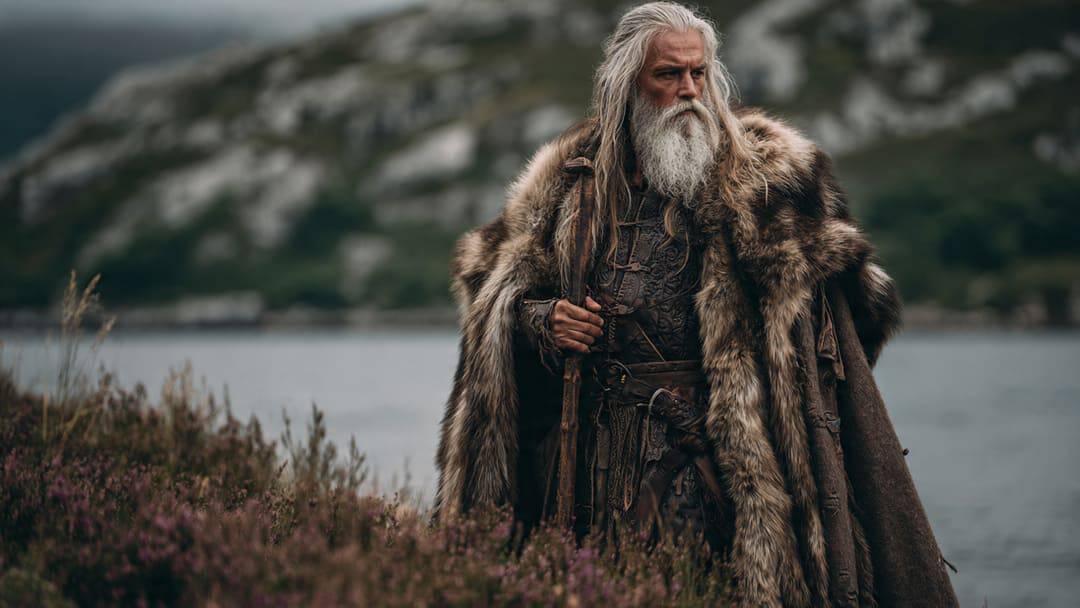
Ricard is a regal name that speaks of wealth and authority. It comes from Germanic roots, and combines “ric” (rich, powerful) and “hard” (strong).
In ancient Europe, Ricard was a name reserved for rulers – those who commanded respeito and wielded influência.
The name embodies sovereignty and responsibility.
It reminds the person who bears it to be wise, strong, and moral.
In our time, it can often be encountered in the form of “Richard.”
13. Wolf

Wolf is a name that’s primal and fierce. It’s popular all across Europe, in various languages (Vilkas, Varg, Vuk…).
The wolf symbolizes cunning, loyalty, power, and even the otherworld. It reflects independence and a strong survival instinct.
It was a name popularly given by parents who have lost children to illness; naming them after the wolf was meant to give them strength and protection against sickness and curses.
Its meaning carries untamed energy and warns of a person who’s recklessly fearless.
The name Wolf calls its bearer to be their most authentic self.
14. Zemislav (Nation’s Glory)
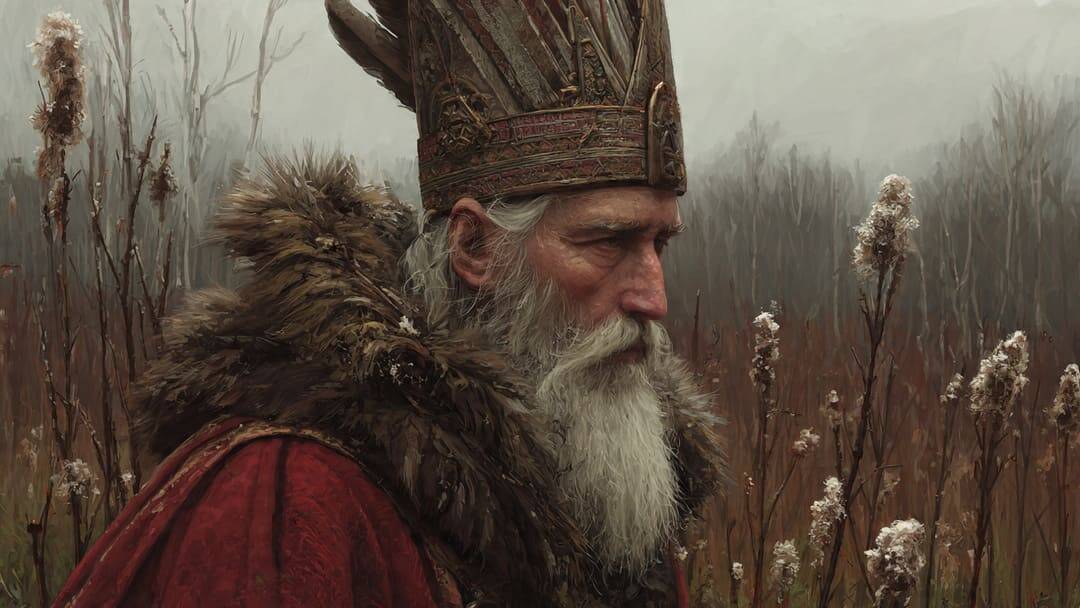
Zemislav is a patriotic and proud name. It means “nation’s glory.”
The name is of Slavic origin and reveals a deep sense of identity tied to homeland and honor. Ancient Slavs who bore this name were meant to embody the collective strength of their community.
It speaks of unidade and the aspiration for grandeza.
Those named Zemislav were seen as beacons of national/tribal pride, carrying the hopes of their people on their shoulders.
It inspires a deep sense of belonging.
15. Annora (Honor)
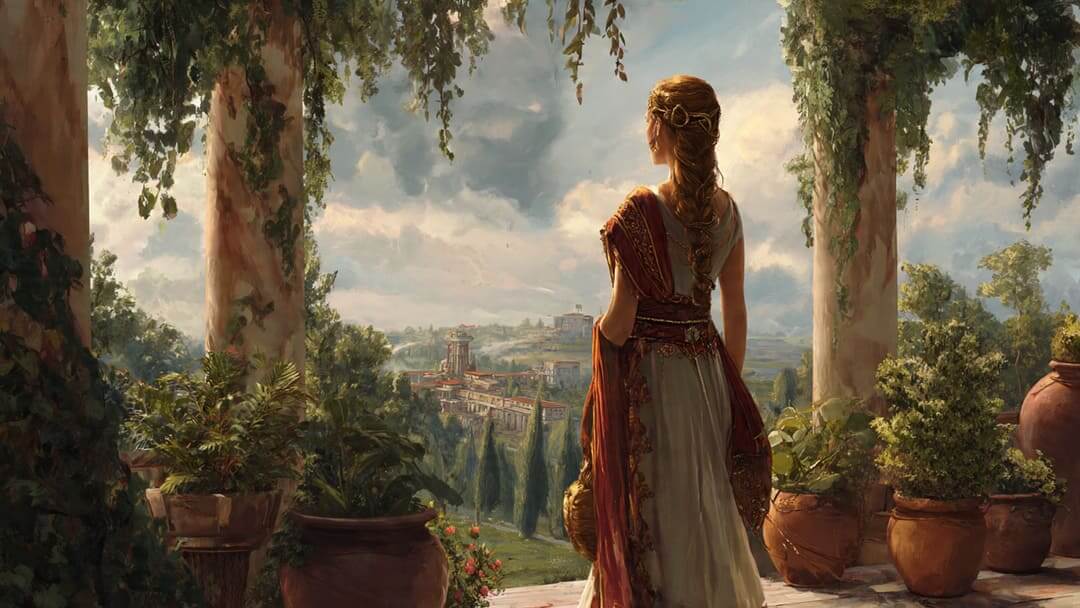
Annora is a name steeped in dignity and respect. It comes from Latin roots, and means “honor” and “nobility.”
In ancient times, this name would have determined someone to uphold integrity.
The name carries the weight of responsabilidade: the woman bearing it had to be honorable in actions and thoughts.
Annora embodies the ideals of virtue and nobility that the ancient cultures valued deeply.
To be named Annora is to inspire others by living morally.
16. Evelyn (Wished-for Child)
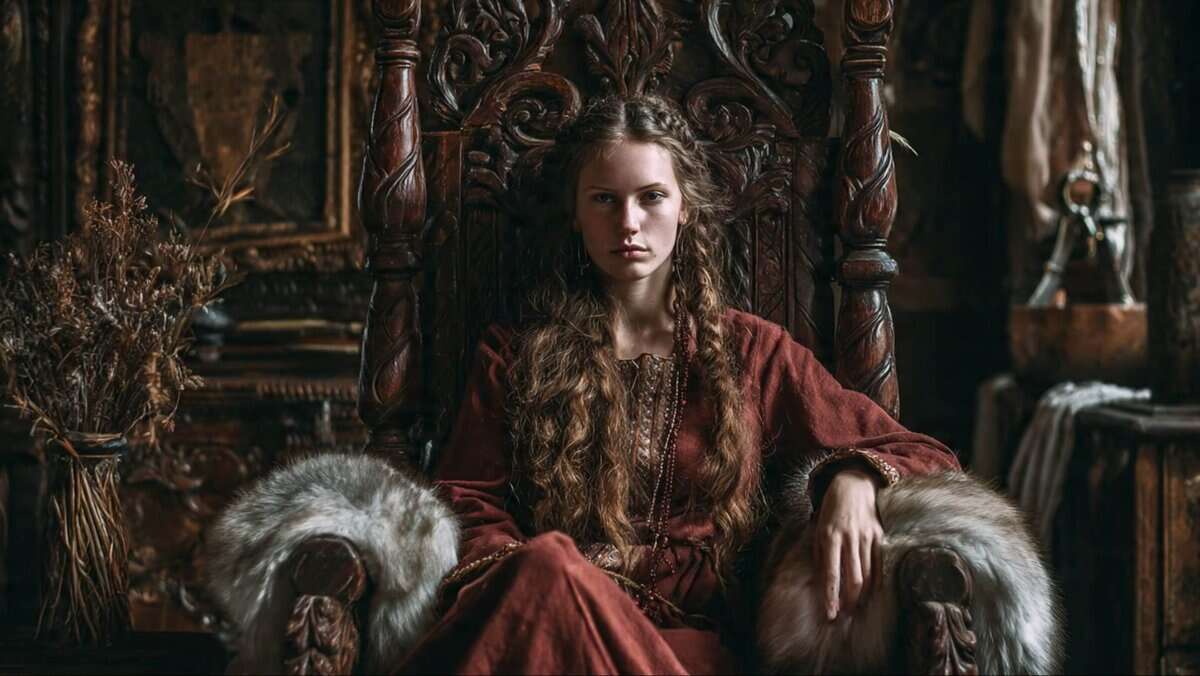
Evelyn is a girl’s name with a lovely meaning – “wished-for child.” It comes from Old French, and symbolizes a deep longing for a child.
It would typically be given by parents who struggled to conceive, who would choose a name like Evelyn to express gratitude and hope.
It carries a gentle energy and signifies the preciousness of life.
At the same time, it speaks of hope for the future, and the potential that children bring to their families.
17. Tristan (Sorrowful)
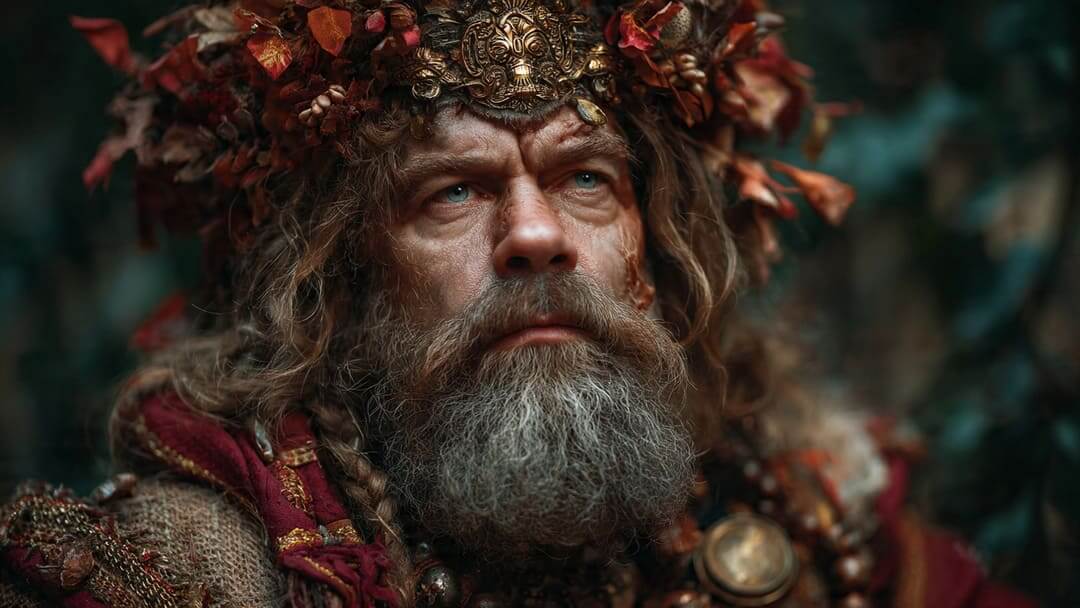
Tristan is a name we know from Celtic legends, where Tristan was a hero marked by tragedy and love.
The name means “sorrowful” or “sad,” though it’s also interpreted as resiliência in hard times.
It reminds us that suffering is part of the human experience, but it also calls for compassion.
Tristan celebrates the depth of human emotion and our ability to carry sorrow while clinging to hope.
18. Yolanda (Violet Flower)
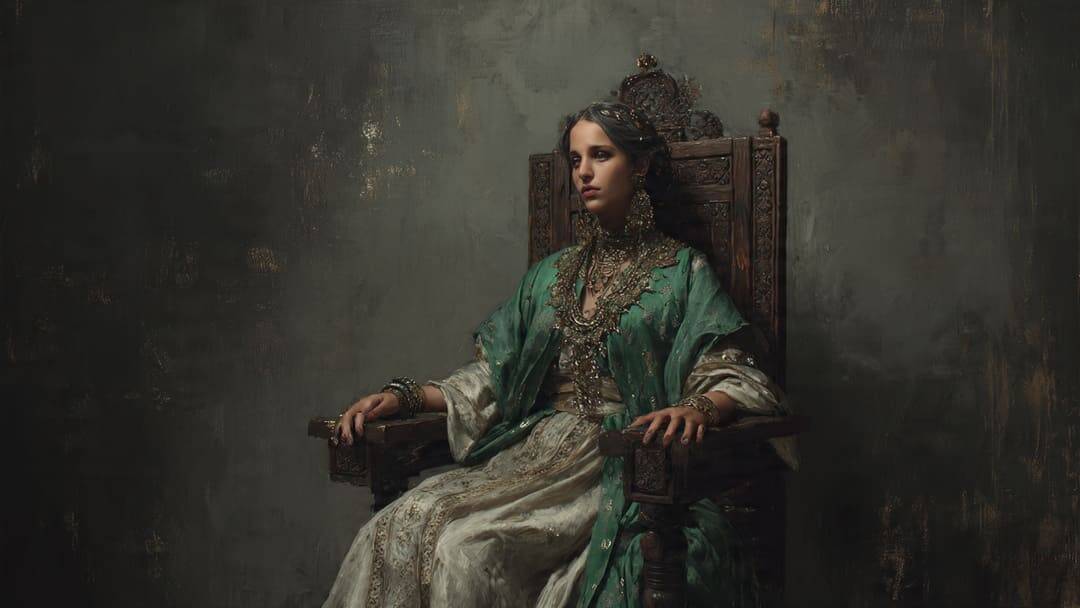
Yolanda is a name that evokes beauty and gentleness. It’s derived from the violet flower, and stands for humility, grace, and delicate strength.
It has roots in the Greek language, but the name was quite popular among the Slavs, too.
In ancient European tradition, flowers like violets were associated with love and modesty.
Parents would name their girls Yolanda to inspire softness and an enduring spirit.

A little Aquarius, devoted to writing and embroidery. Through my writing, I hope to empower readers to align with their true selves and navigate life’s mysteries with confidence.