
Most people are familiar with figures like Zeus, Hera, Poseidon, and Athena.
But long before these famous deities ruled the cosmos, the ancient Greeks believed there was Gaia, one of the oldest and most powerful beings in existence.
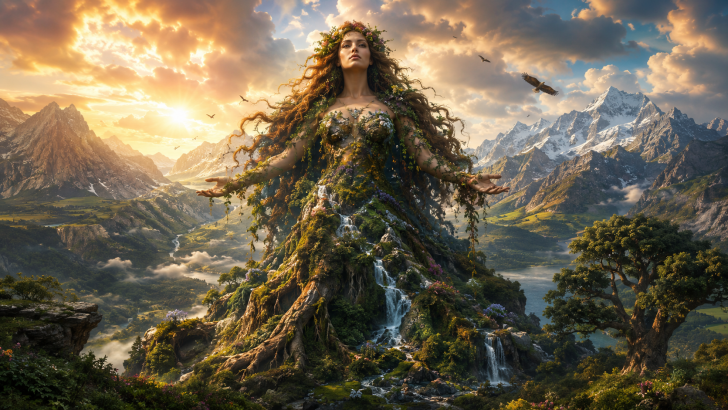
Gaia was not simply a goddess who lived on the Earth. She was the Earth itself. Mountains, valleys, forests, and fertile fields were all considered part of her divine being.
Without Gaia, many of the most famous stories in Greek mythology would never have happened.
Here are ten fascinating facts about Gaia, the Greek primordial Earth goddess.
1. Gaia Was One of the First Beings to Exist
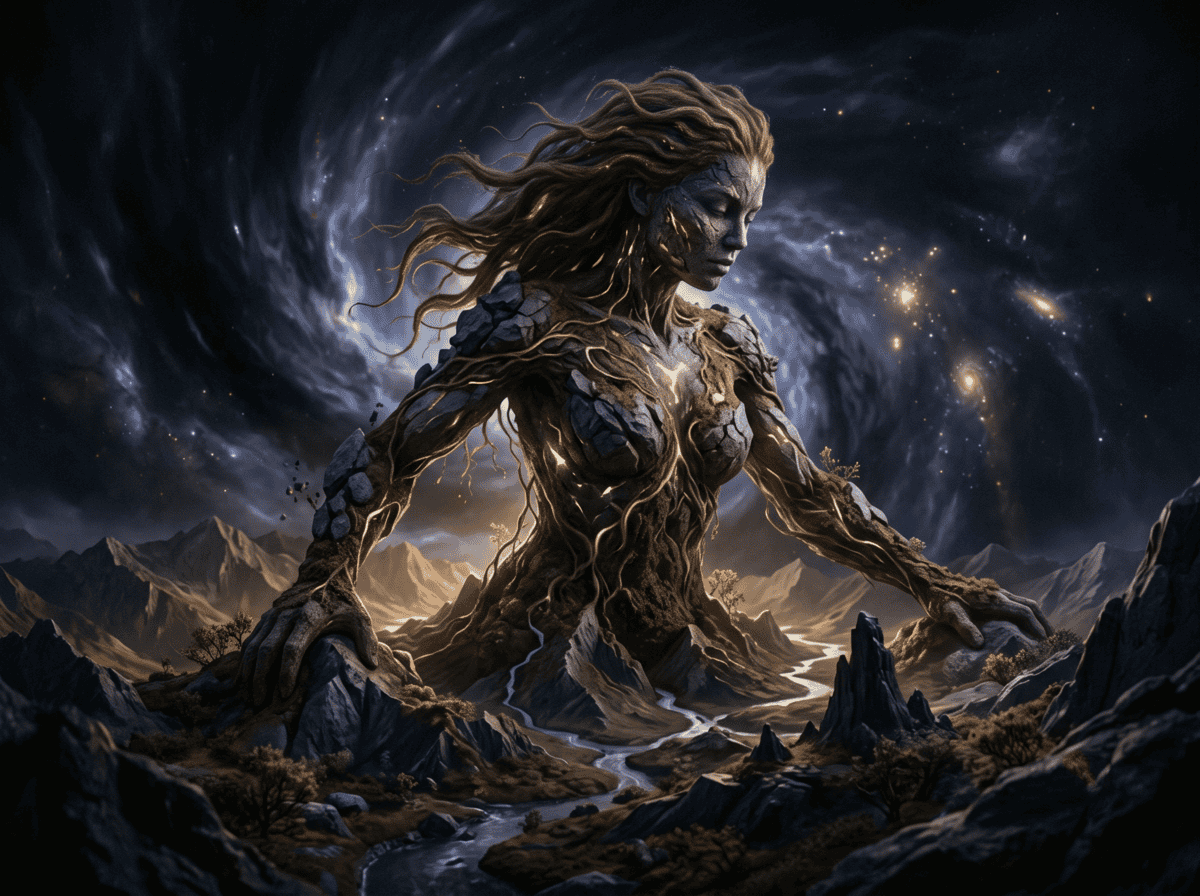
In Greek mythology, Gaia appeared near the very beginning of creation. According to the ancient poet Hesiod, one of the first things to exist was Chaos, a vast and empty void.
Soon afterward came Gaia, the Earth. Imagine a world before oceans, mountains, animals, or even the sky.
Gaia emerged into this emptiness and became the foundation upon which everything else would be built.
Unlike many gods who were born from parents, Gaia is often described as a primordial deity. This means she belonged to the earliest generation of divine beings.
Her ancient origins made her one of the most respected and powerful figures in all of Greek mythology.
2. She Was the Living Personification of the Earth
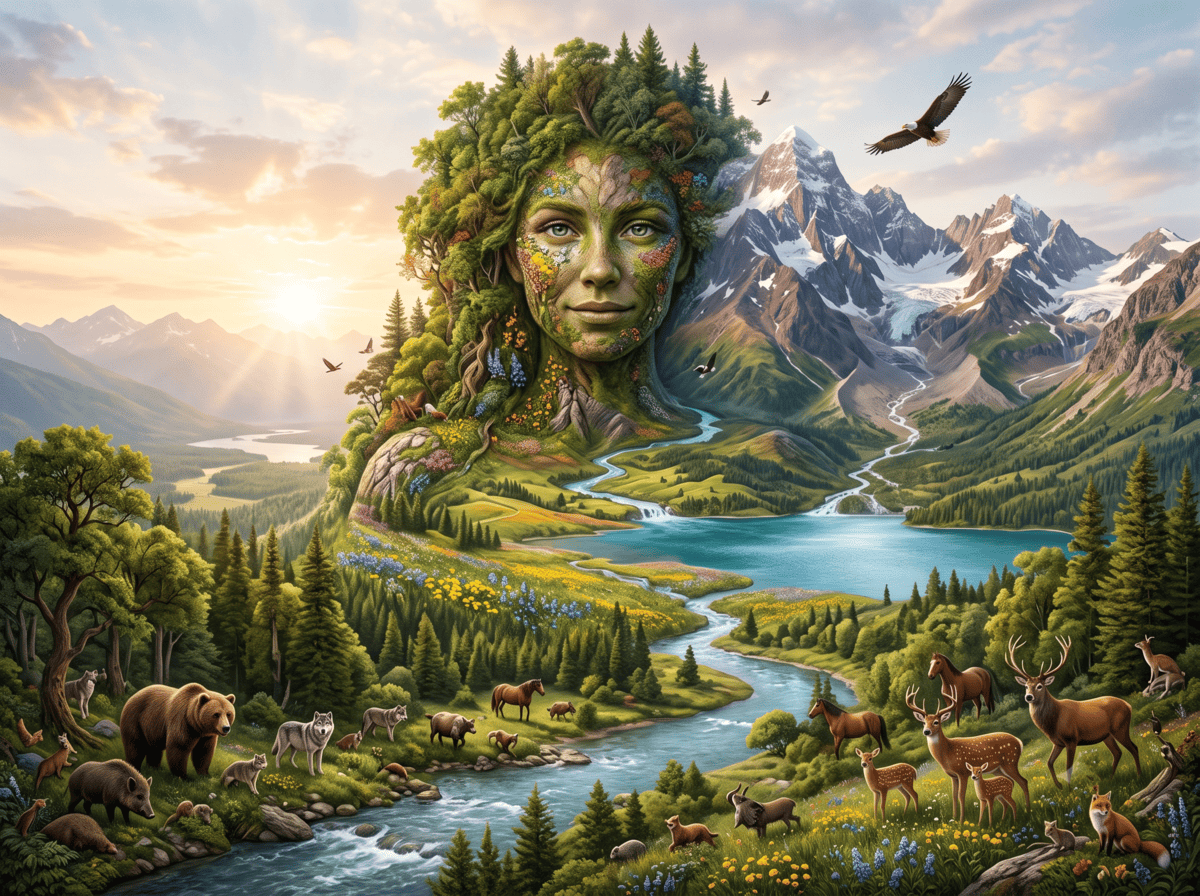
Gaia was not merely associated with the Earth. She was the Earth itself. The ancient Greeks saw the land beneath their feet as a living divine presence.
Fertile soil, towering mountains, and lush forests were all considered expressions of Gaia’s power.
Think about how dependent people were on the land in ancient times. Crops, water, shelter, and survival all depended on the Earth.
It is easy to understand why they viewed it as sacred. By personifying the Earth as Gaia, the Greeks created a goddess who represented stability, nourishment, and life itself.
Her role connected every living thing to the natural world, making her one of the most important deities in the Greek cosmos.
3. Gaia Gave Birth to the Sky
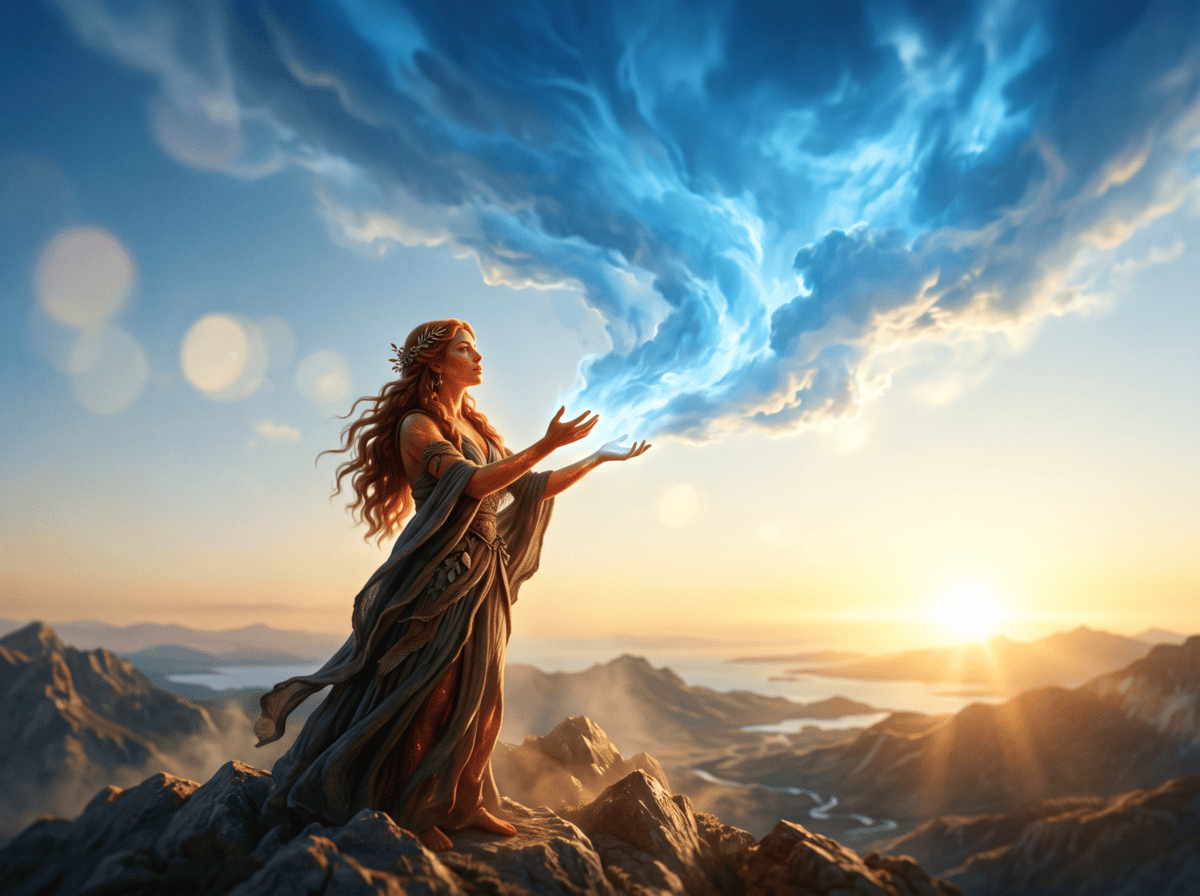
One of Gaia’s first acts was creating Uranus, the sky. According to the myths, she brought forth Uranus on her own.
He stretched above her, forming the heavens that covered the world. This image is both simple and powerful.
The Earth below and the sky above became two of the most fundamental parts of creation.
Later, Gaia and Uranus would become partners and produce many important descendants.
Their union helped populate the mythological world with powerful beings who would shape future generations of gods.
The story also highlights Gaia’s incredible creative power. Before the Olympians existed, she was already bringing entire realms into existence.
4. She Was the Mother of the Titans
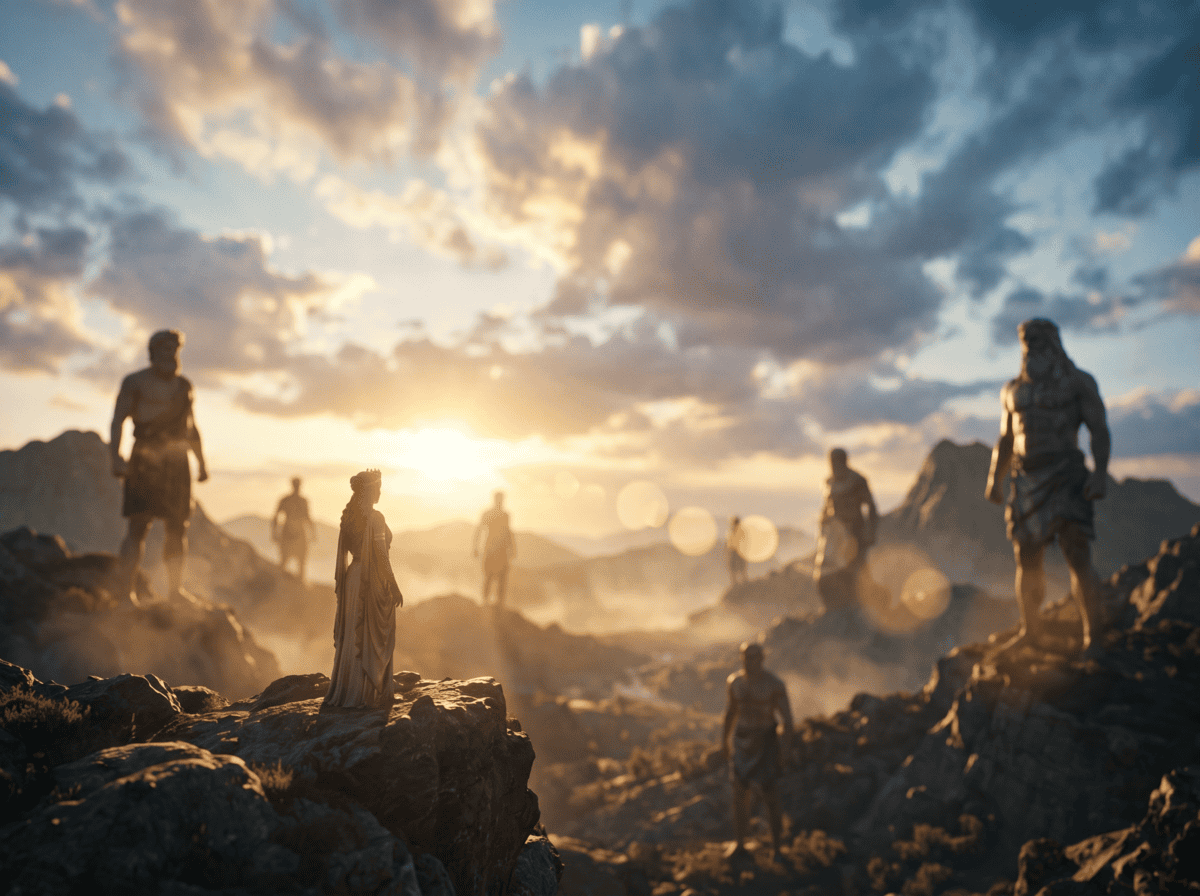
Among Gaia’s most famous children were the Titans. These powerful beings ruled before the Olympian gods rose to prominence.
Their ranks included figures such as Cronus, Rhea, Oceanus, and Hyperion. Imagine being the mother of an entire generation of divine rulers.
The Titans became some of the most influential figures in Greek mythology, and many later gods traced their ancestry back to them.
Because Gaia gave birth to the Titans, she earned a reputation as a great ancestral mother whose influence extended throughout the divine family tree.
5. She Also Created Giants and Other Powerful Beings
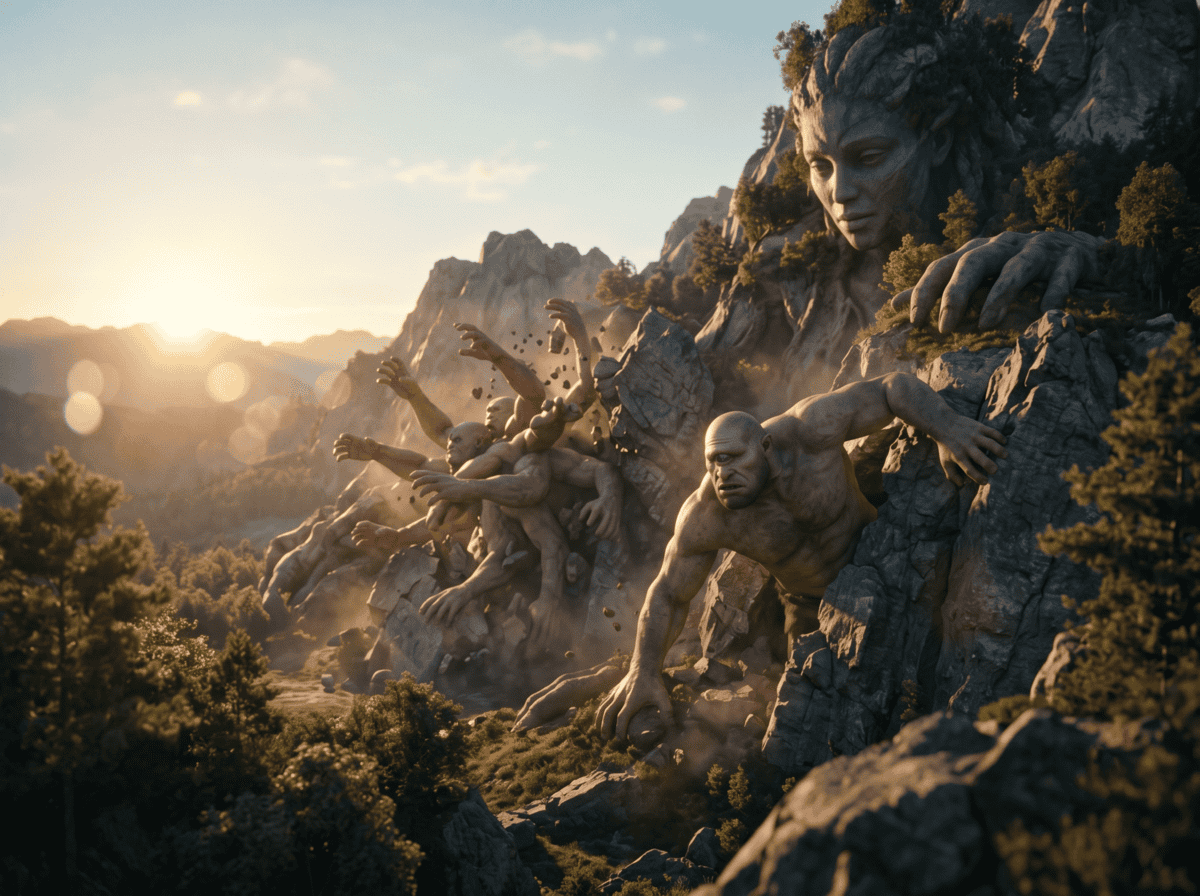
Gaia’s family extended far beyond the Titans. The myths credit her with giving birth to numerous powerful creatures, including the Cyclopes and the Hundred-Handed Ones.
The Cyclopes were giant beings with a single eye, while the Hundred-Handed Ones possessed enormous strength and many arms.
These unusual figures became important players in later mythological events. You can almost imagine the ancient Greeks marveling at such extraordinary beings.
Through Gaia, the myths explained the origins of both divine rulers and some of the most powerful creatures in existence.
6. Gaia Helped Overthrow Uranus
Although Gaia and Uranus were partners, their relationship eventually became troubled.
According to mythology, Uranus imprisoned some of their children because he feared their power. Gaia became furious over their suffering.
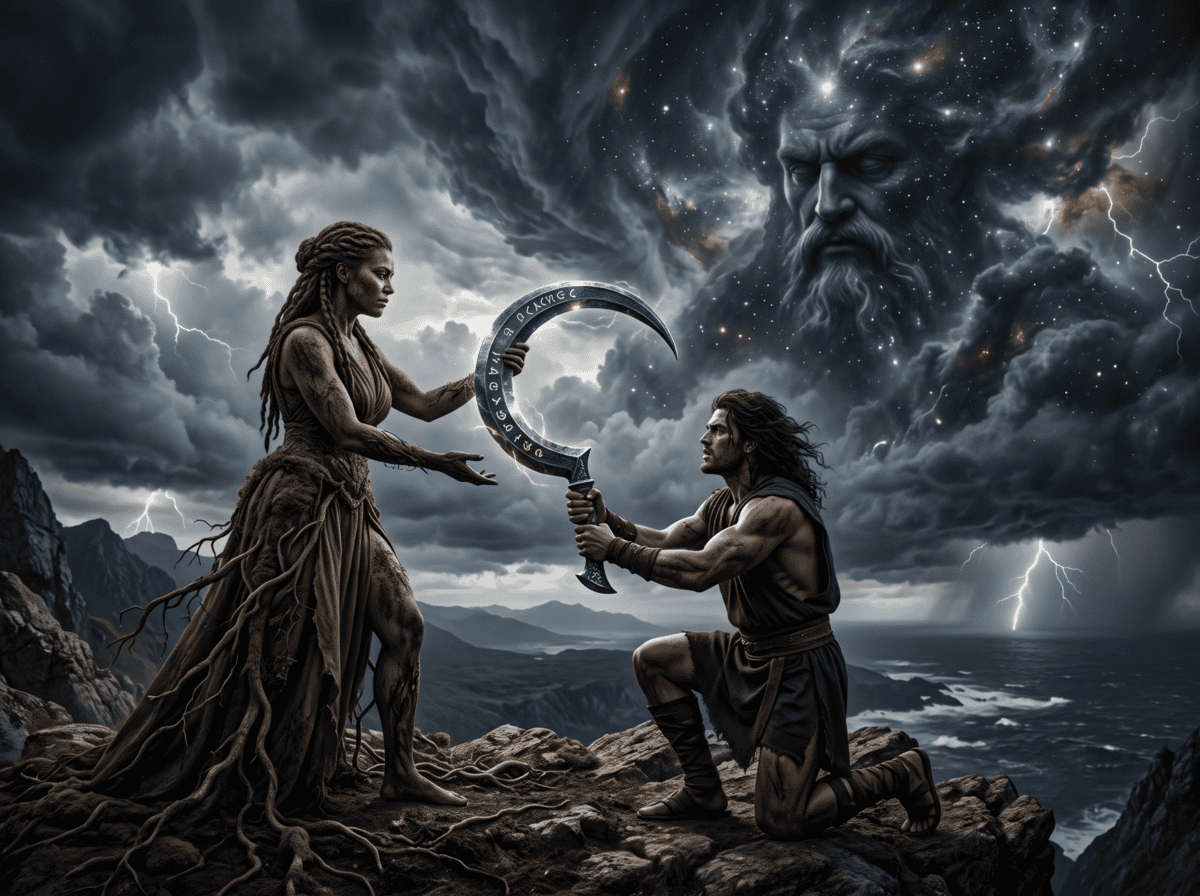
Determined to help them, she created a great sickle and encouraged her son, Cronus, to challenge his father.
Cronus agreed and successfully overthrew Uranus. This dramatic event became one of the most important turning points in Greek mythology.
It also revealed another side of Gaia’s personality. While she was nurturing and life-giving, she could also be determined and formidable when protecting her children.
7. She Often Acted as a Protector of Her Children
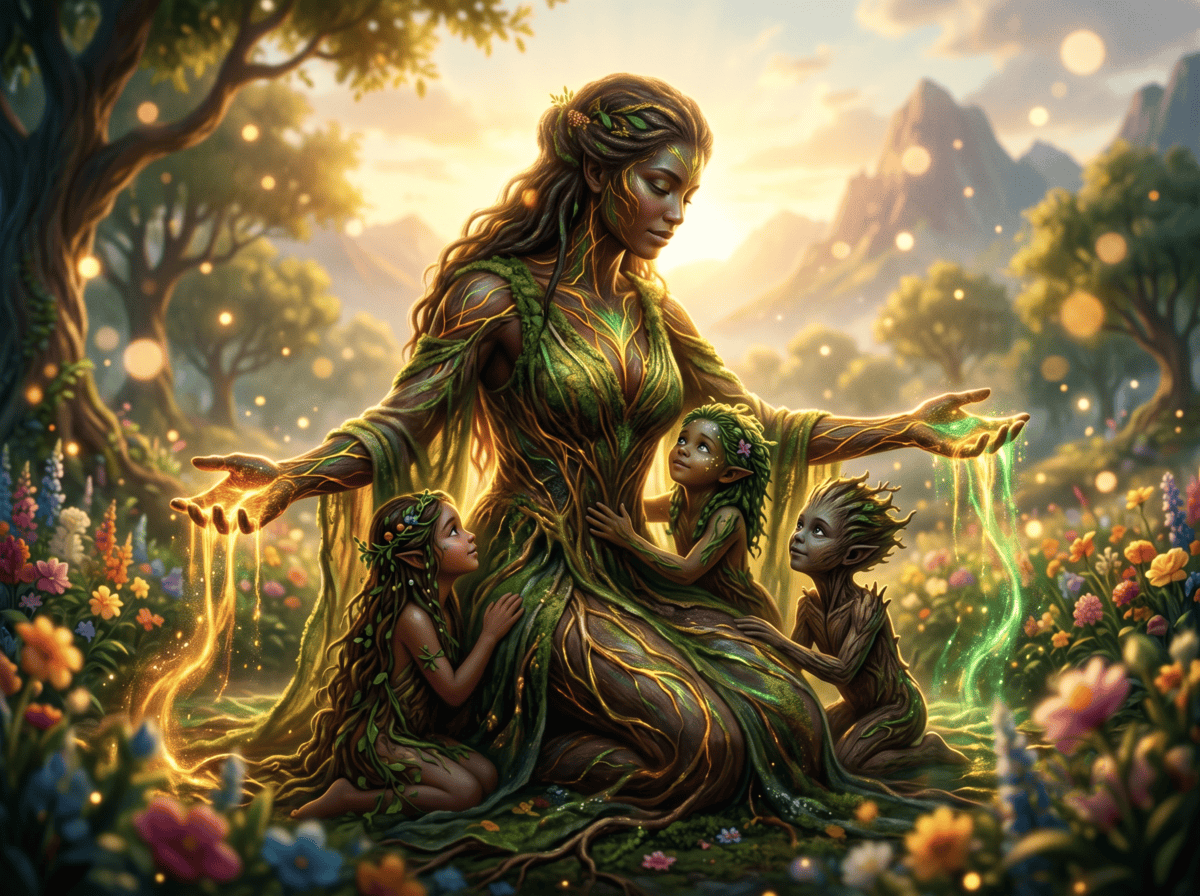
One theme appears repeatedly in stories involving Gaia. She frequently intervened when she believed her children had been treated unfairly or placed in danger.
Whether helping the Titans challenge Uranus or supporting later generations during conflicts, Gaia often acted out of loyalty to her descendants.
Think about how many myths feature parents protecting their children. Gaia embodies this idea on a cosmic scale.
Her actions were not always gentle, but they were often motivated by a desire to defend her family.
This protective nature helped make her one of the most complex and fascinating figures in Greek mythology.
8. Ancient Greeks Worshipped Gaia
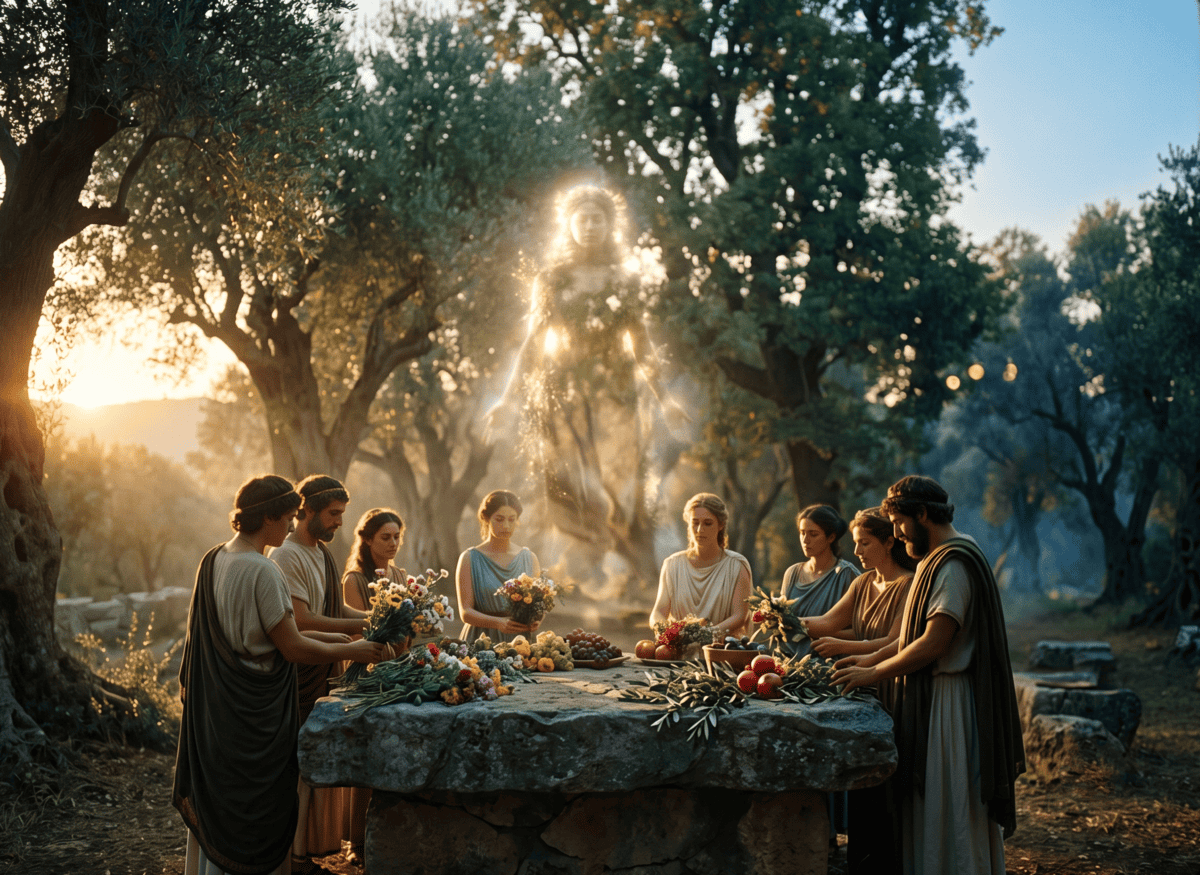
Gaia was not merely a mythological character. She was also worshipped as a goddess.
Various regions of ancient Greece honored her through prayers, offerings, and sacred sites. People sought her blessings for fertility and agriculture.
Imagine living in a farming community where successful harvests determined whether families would thrive.
A goddess connected to fertile land would naturally be worthy of great respect.
Although some later gods became more prominent in public worship, Gaia remained an important divine figure throughout Greek religious tradition.
9. She Was Associated With Prophecy
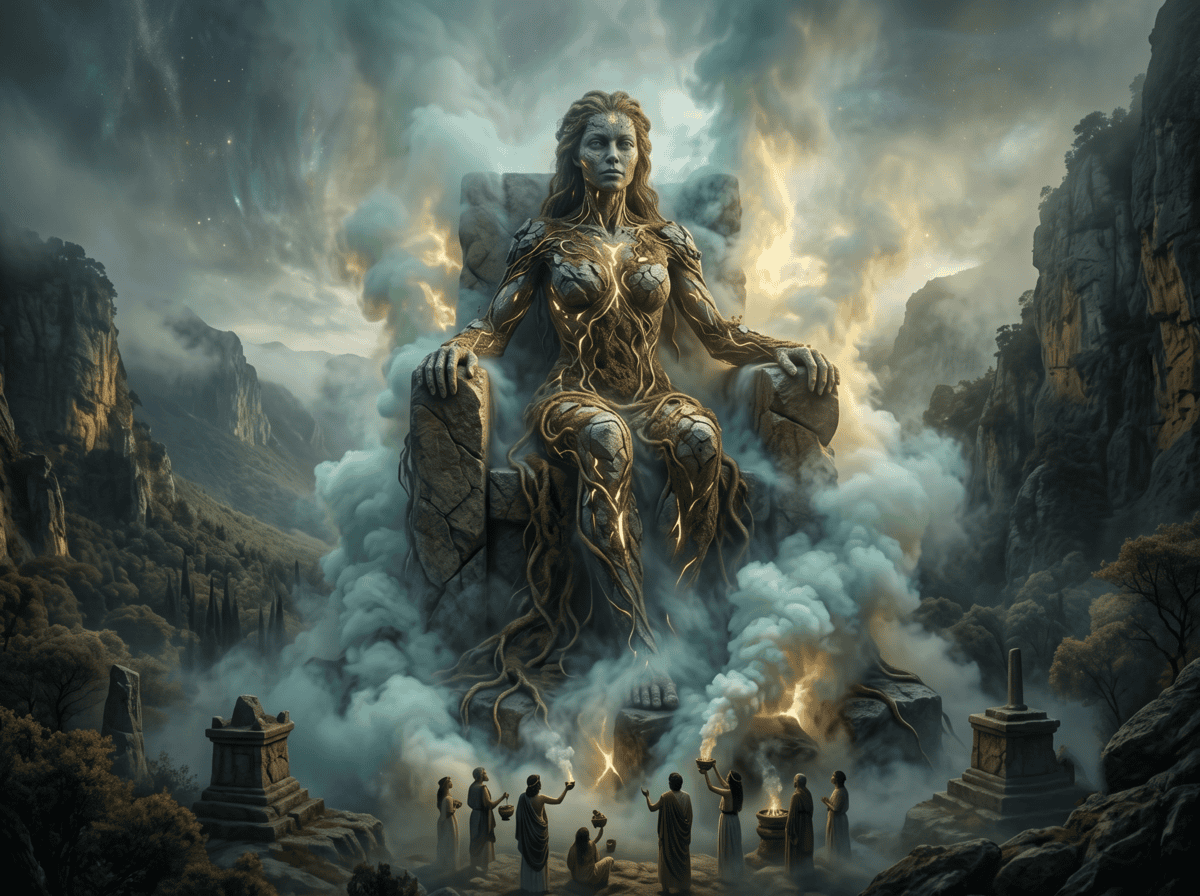
Many people are surprised to learn that Gaia had connections to prophecy and sacred knowledge.
Some ancient traditions suggested that prophetic powers existed at certain sacred locations before later becoming associated with other gods.
One famous example involves Delphi, which eventually became the most important oracle site dedicated to Apollo.
According to some myths, Gaia possessed a connection to the site before Apollo’s arrival.
This association linked her not only with the Earth but also with wisdom and hidden knowledge.
The idea makes sense when you think about it. As one of the oldest beings in existence, Gaia would have witnessed events stretching back to the beginning of creation.
10. Gaia’s Influence Can Still Be Seen Today
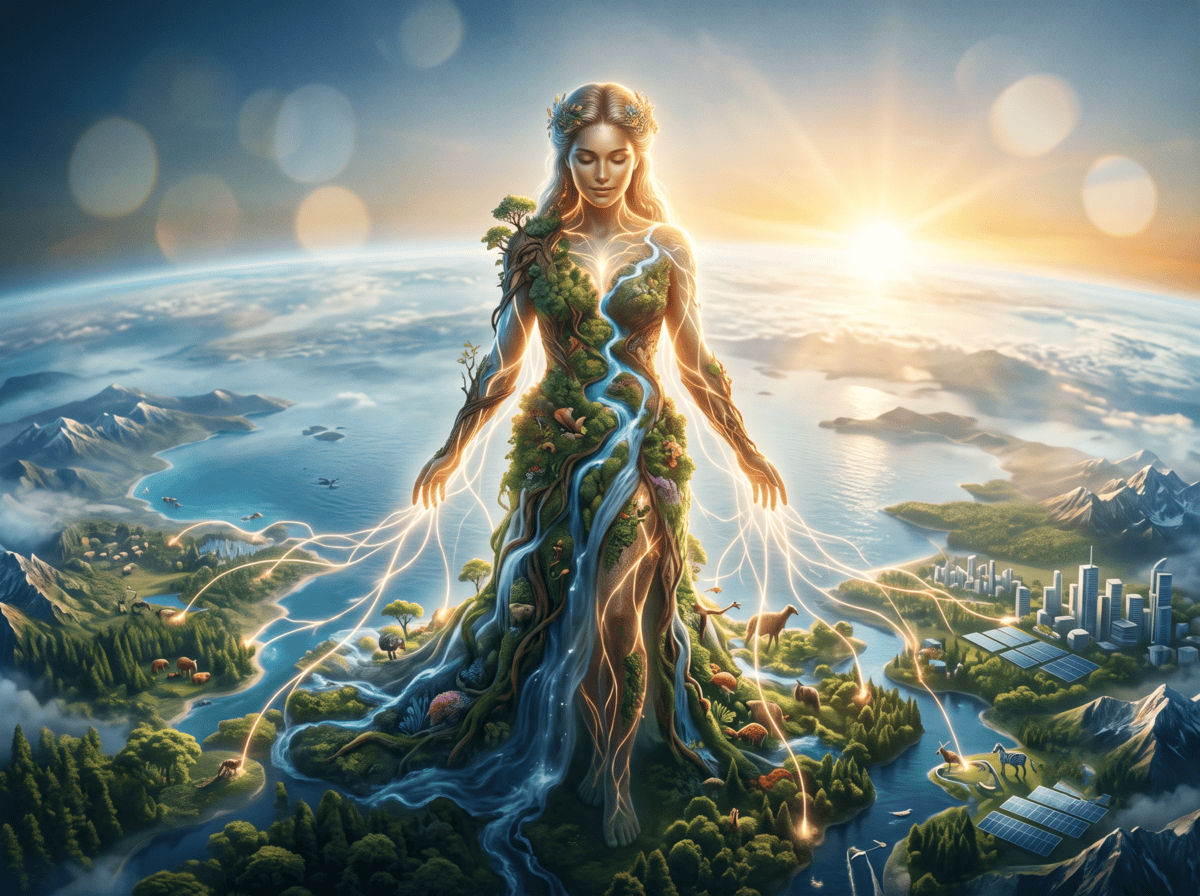
Thousands of years after the ancient Greeks first told stories about Gaia, her legacy remains remarkably strong.
Her name is often used in discussions about nature, ecology, and environmental protection. Many people see Gaia as a symbol of the interconnectedness of life on Earth.
The concept continues to inspire books, scientific discussions, and environmental movements.
It is fascinating that a goddess from ancient mythology still influences how people think about the natural world.
Part of her lasting appeal comes from the simple idea at the heart of her story. Everything depends on the Earth.
By personifying the planet as a living, nurturing force, Gaia became a powerful reminder of humanity’s connection to nature.

Sempre senti uma forte ligação com o Divino desde o meu nascimento. Como autora e mentora, a minha missão é ajudar os outros a encontrar o amor, a felicidade e a força interior nos momentos mais sombrios.