
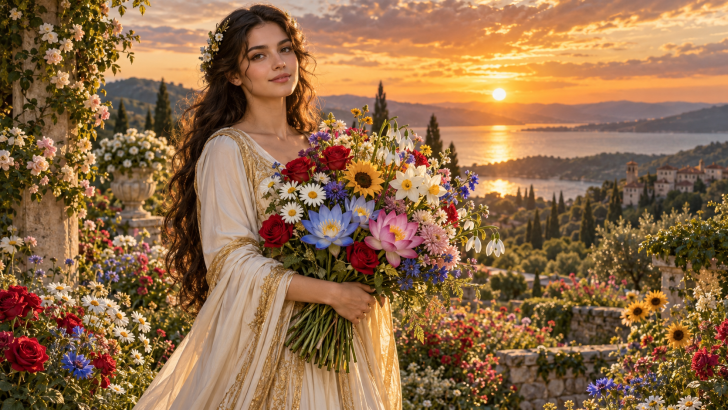
Flowers and goddesses have been connected for thousands of years. Sometimes the connection comes directly from mythology.
Aphrodite, for example, has famous links with roses.
In other cases, flowers became connected with goddesses through religion, art, poetry, folklore, or later traditions.
That gives us plenty of inspiration for modern flower magic. A flower can represent love, confidence, healing, courage, or a fresh start.
You do not even need to pick a real flower. A flower growing in your garden, a picture, or even a drawing can work as a symbol.
These spells are modern rituals inspired by goddesses from different cultures.
Here are nine flower spells inspired by goddesses from around the world.
1. Aphrodite – Rose Spell for Love
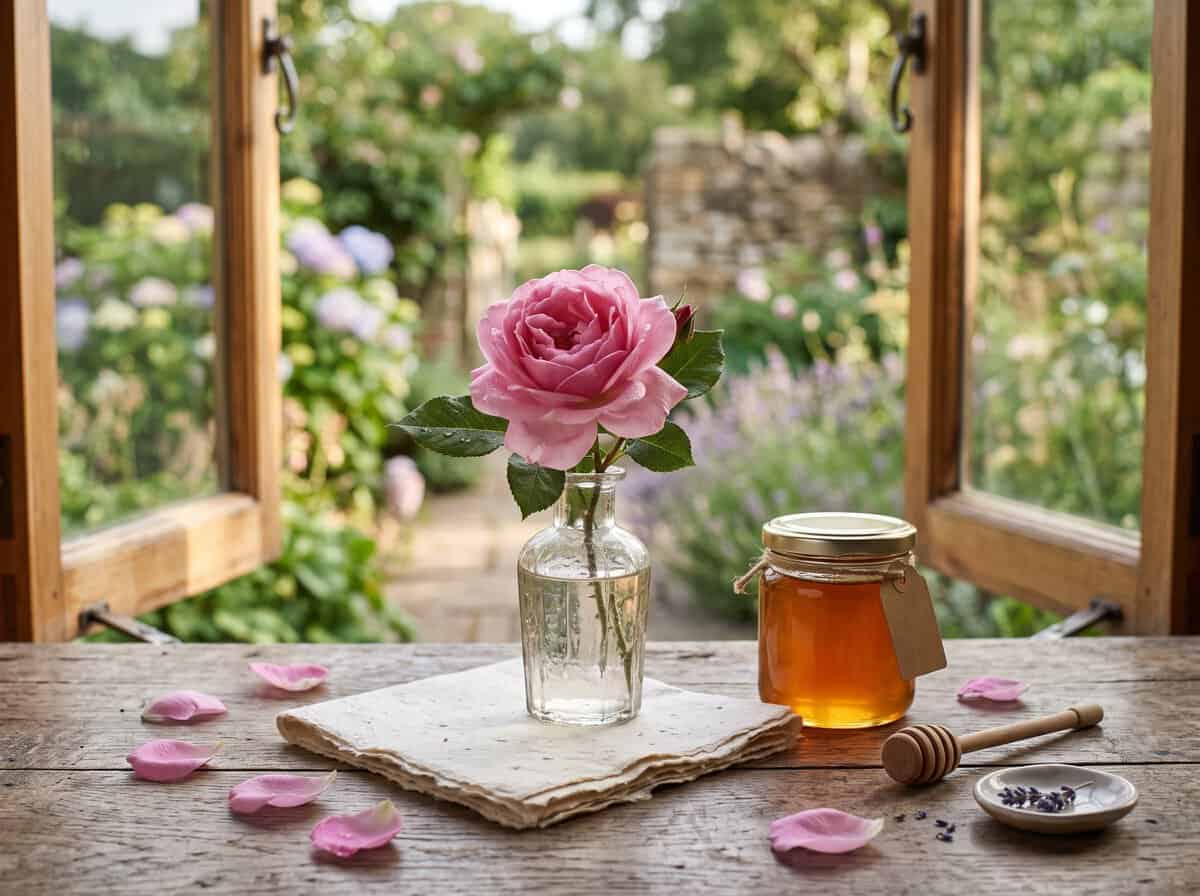
We have to begin with Aphrodite. The Greek goddess of love, beauty, and desire has one of mythology’s strongest connections with the rose.
For this spell, choose a red or pink rose. Place it in a vase and write three qualities you want love to bring into your life.
Maybe you choose: “Affection.” “Honesty.” “Attraction.” Place the paper beneath the vase.
Now look at your list again. Are you willing to give those same things to another person? That question is the important part.
Aphrodite brings the romantic side of the ritual, while the rose represents love moving in both directions.
Keep it somewhere visible while the flower remains fresh. When the rose eventually fades, keep the paper.
The flower does not need to last forever for its message to stay with you.
2. Freyja – Daisy Spell for Confidence in Love
Freyja is one of the most famous goddesses in Norse mythology.
She is connected with love and desire, but also with magic, wealth, battle, and the dead.
She is much more complicated than simply being a Norse goddess of love.
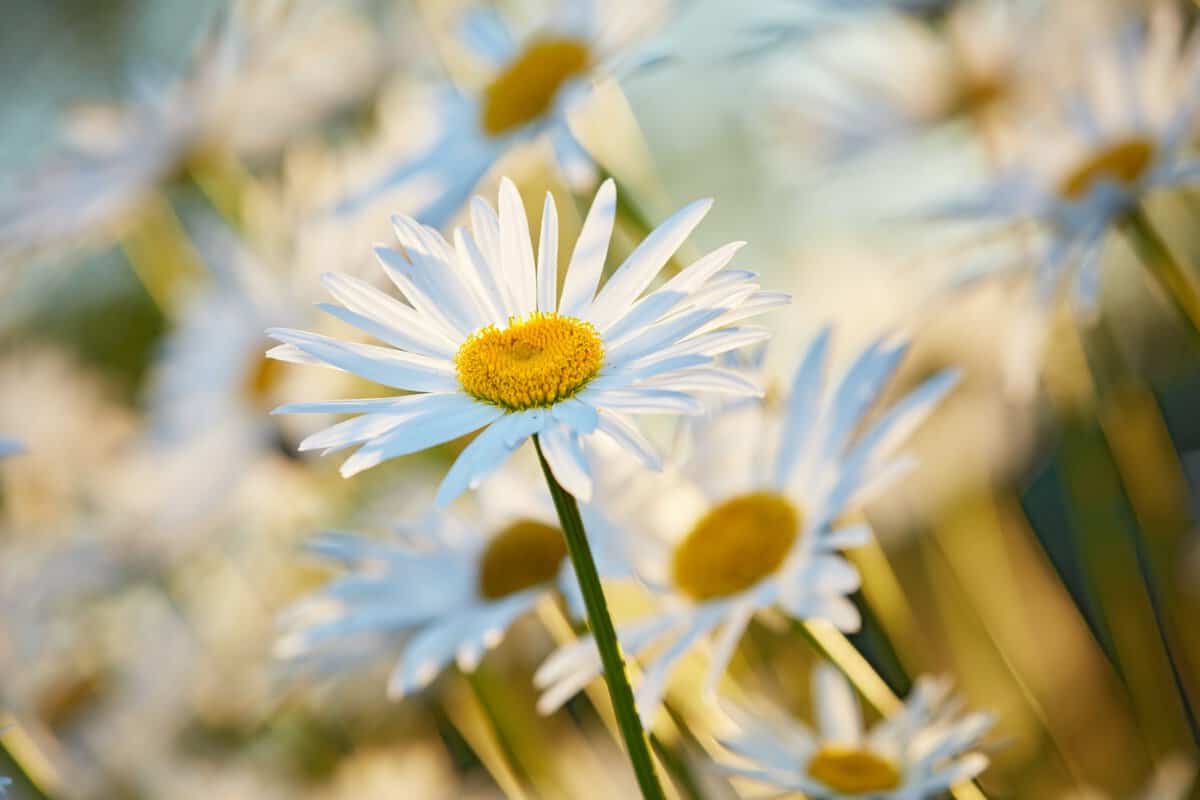
For a Freyja-inspired spell, use a daisy as a symbol of romantic confidence.
Instead of pulling petals while asking whether someone loves you, change the question.
Ask: “What do I want from love?” Write down your answer.
Maybe you want commitment. Maybe you want excitement.
Maybe you simply want someone who communicates clearly and makes you feel wanted.
The daisy becomes a reminder that you do not need to leave every romantic question to chance.
Knowing what you want makes it easier to recognize when something is right for you.
3. Lakshmi – Lotus Spell for Abundance
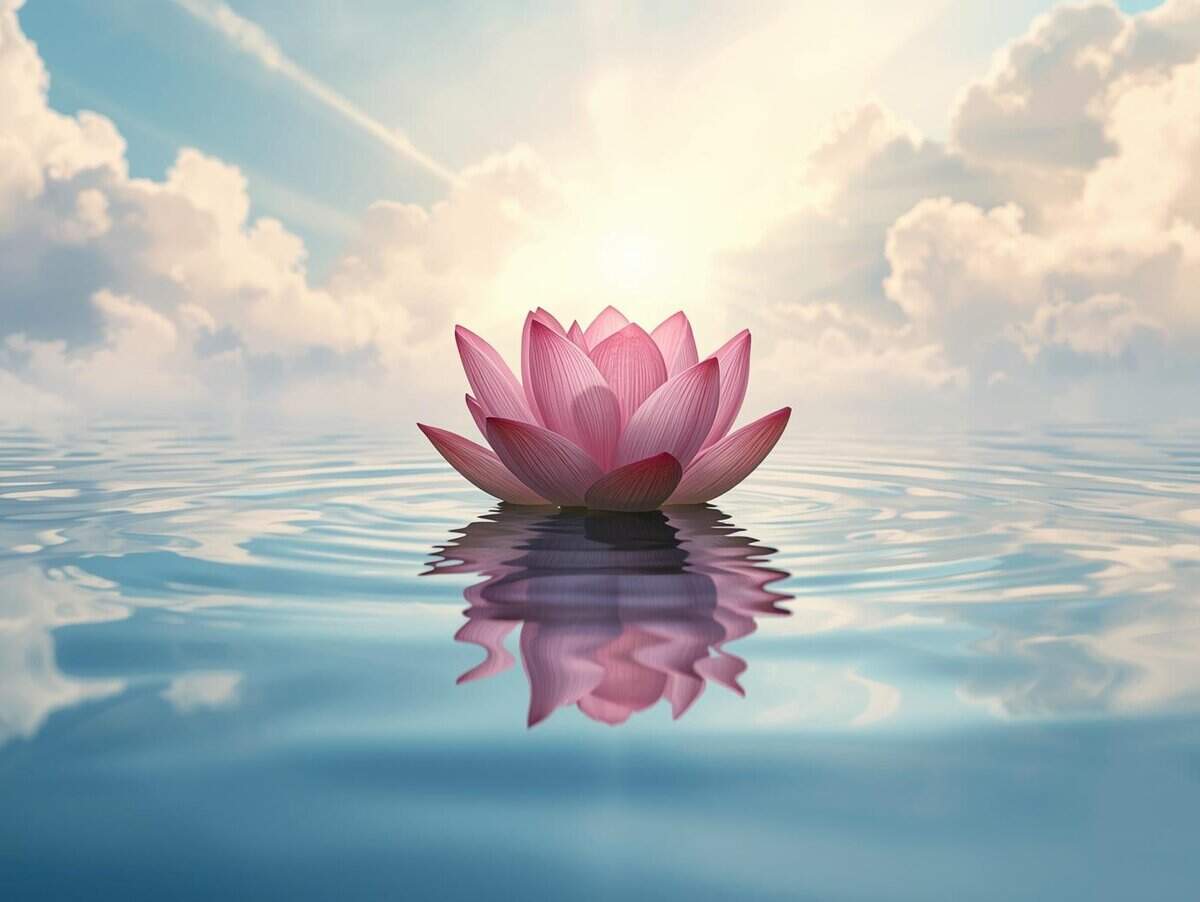
The lotus has deep importance in Hindu traditions and is strongly connected with Lakshmi.
Lakshmi is the Hindu goddess associated with prosperity, good fortune, beauty, and well-being.
She belongs to a living religion, so this is not meant to copy a traditional ritual.
Instead, use the lotus as a modern symbol of abundance. Draw or print a lotus with eight petals.
Inside each petal, write something that makes your life feel rich. Money can be one.
But think about other forms of abundance too. Family. Friends. Knowledge. Time.
Opportunities. Creativity. A peaceful home. Then choose one area that you can actively strengthen.
The lotus becomes a reminder that abundance is much bigger than the number in a bank account.
4. Flora – Wildflower Spell for New Opportunities
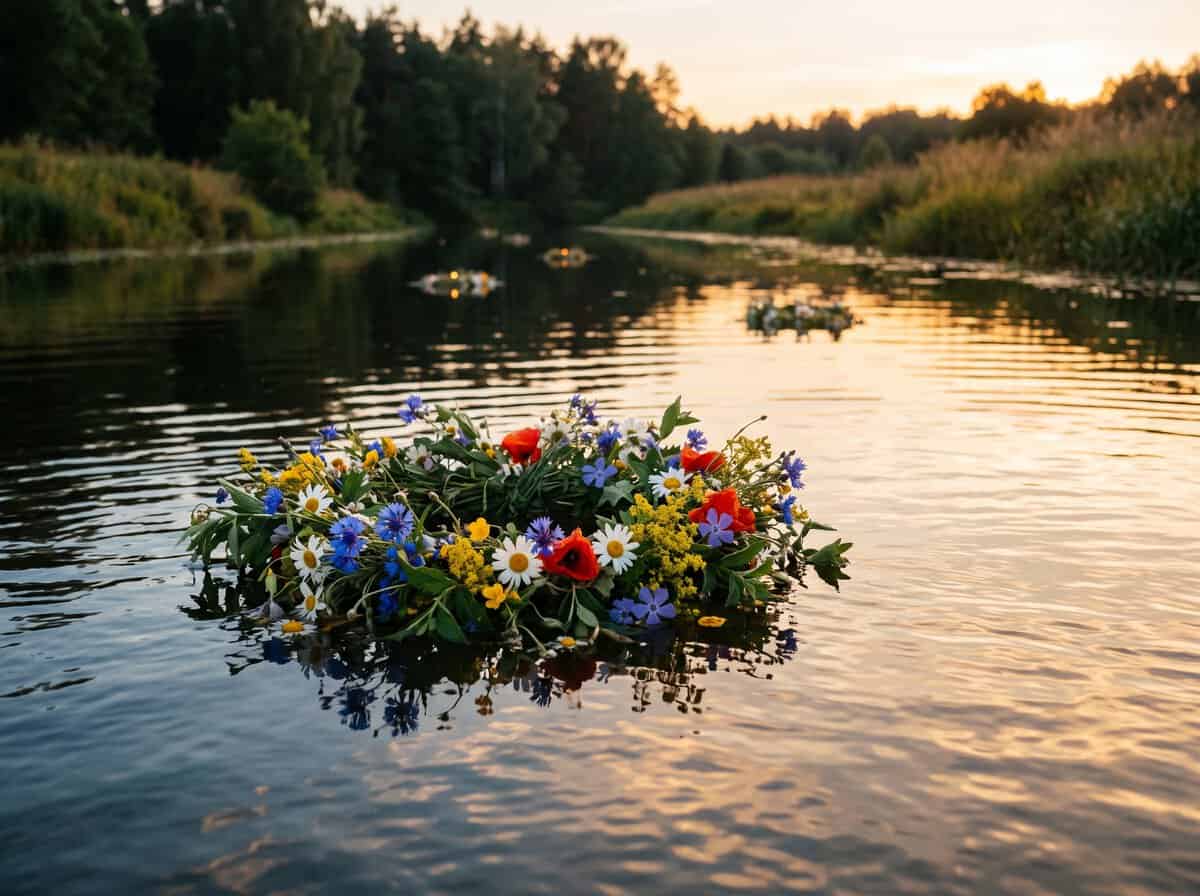
Flora was the Roman goddess of flowers, flowering plants, and spring. So naturally, she gets an entire handful of flowers.
Choose several different wildflowers. You can also use a picture of a colorful wildflower field.
Let every flower represent a different possibility. You do not even need to know what all those possibilities are yet.
Write one sentence: “I leave room for something better than I planned.” Keep it beside the flowers.
This spell is useful when you have become too attached to one exact outcome.
Sometimes we decide happiness must come through one person, one opportunity, or one particular path.
But a field does not need every flower to look the same to become beautiful. Your future does not need to follow one exact plan either.
5. Brigid – Snowdrop Spell for a Fresh Start
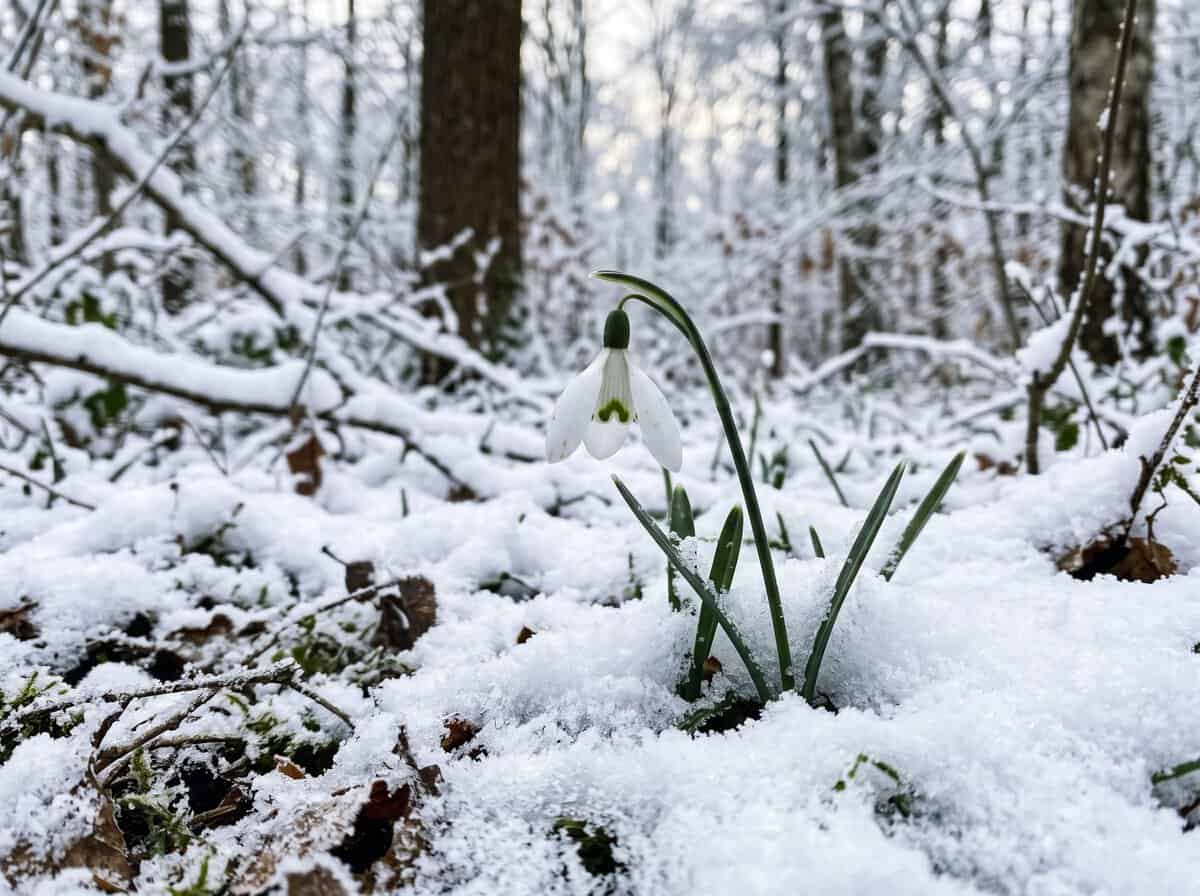
Brigid has roots in Irish tradition and later became closely connected with Saint Brigid in Christian culture.
She is associated with poetry, healing, smithcraft, and several other important areas.
Her festival comes around the beginning of February, when the first signs of spring are beginning to appear.
That makes the snowdrop a beautiful symbol for a Brigid-inspired fresh start.
Think of something you have been delaying. Now write down the smallest possible first step.
Maybe you need to open a document. Send a message. Make a plan. Practice something for ten minutes.
Then do that one thing. The snowdrop does not wait until every cold day has disappeared before it begins to grow.
6. Oshun – Sunflower Spell for Self-Worth
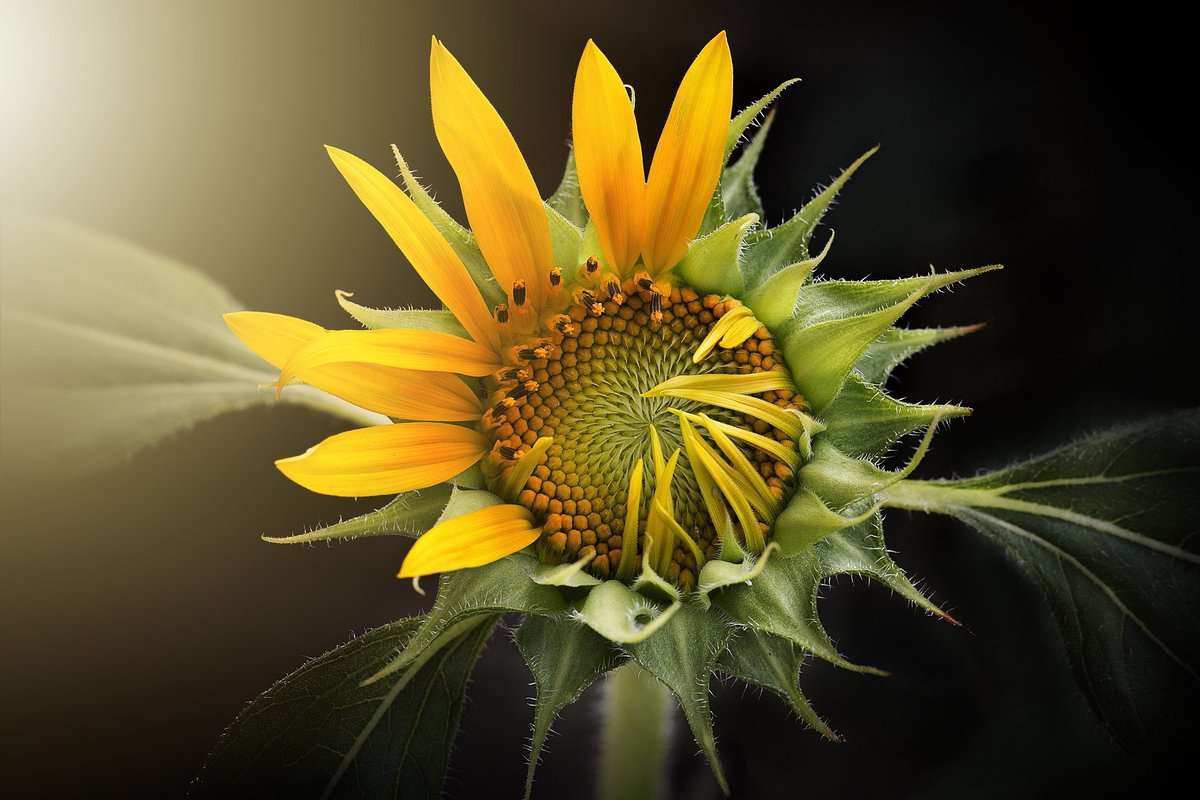
Oshun is an important orisha in Yoruba religion and traditions of the African diaspora.
She is connected with fresh water, beauty, love, fertility, prosperity, and other qualities.
Because this is a living religious tradition, this is not a traditional Oshun ritual.
Instead, the sunflower becomes a modern symbol inspired by themes of beauty and self-worth.
Place a sunflower or a picture of one near a mirror. Write three qualities you genuinely value in yourself.
Try to make at least two of them unrelated to appearance. Maybe you are thoughtful. Funny. Determined. Loyal. Creative.
Keep the list nearby. The sunflower represents standing tall without needing to compete with every other flower.
Someone else’s beauty does not take away yours. Someone else’s success does not make your own impossible.
7. Persephone – Narcissus Spell for Transformation
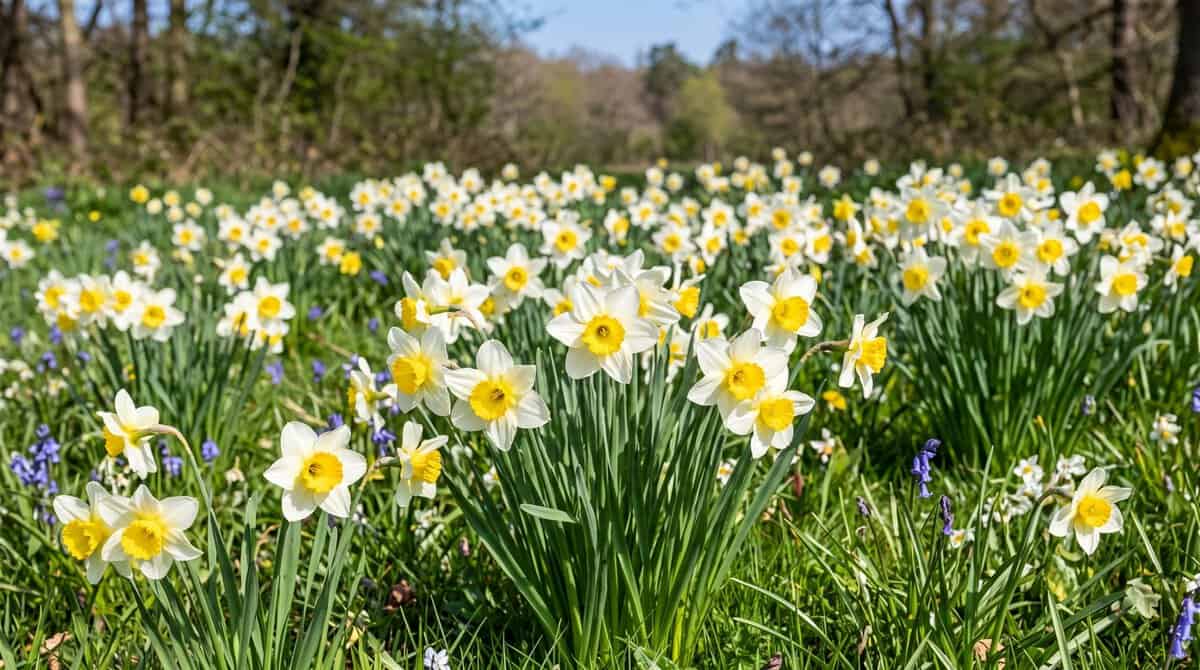
Flowers play an unforgettable role in Persephone’s story.
No Homeric Hymn to Demeter, Persephone is gathering flowers when a beautiful narcissus catches her attention.
Soon afterward, Hades takes her into the underworld. The flower appears right before one of the biggest changes in her story.
For this modern ritual, use a narcissus flower or a picture of one. Write down one part of your life that has changed.
Then answer two questions. “What did I lose?” “What did I gain?” Be honest about both answers.
Transformation is often described as though every change immediately makes us happier and stronger.
Real life is usually more complicated. Sometimes growing also means missing what came before.
8. Amaterasu – Chrysanthemum Spell for Bringing Back Your Light
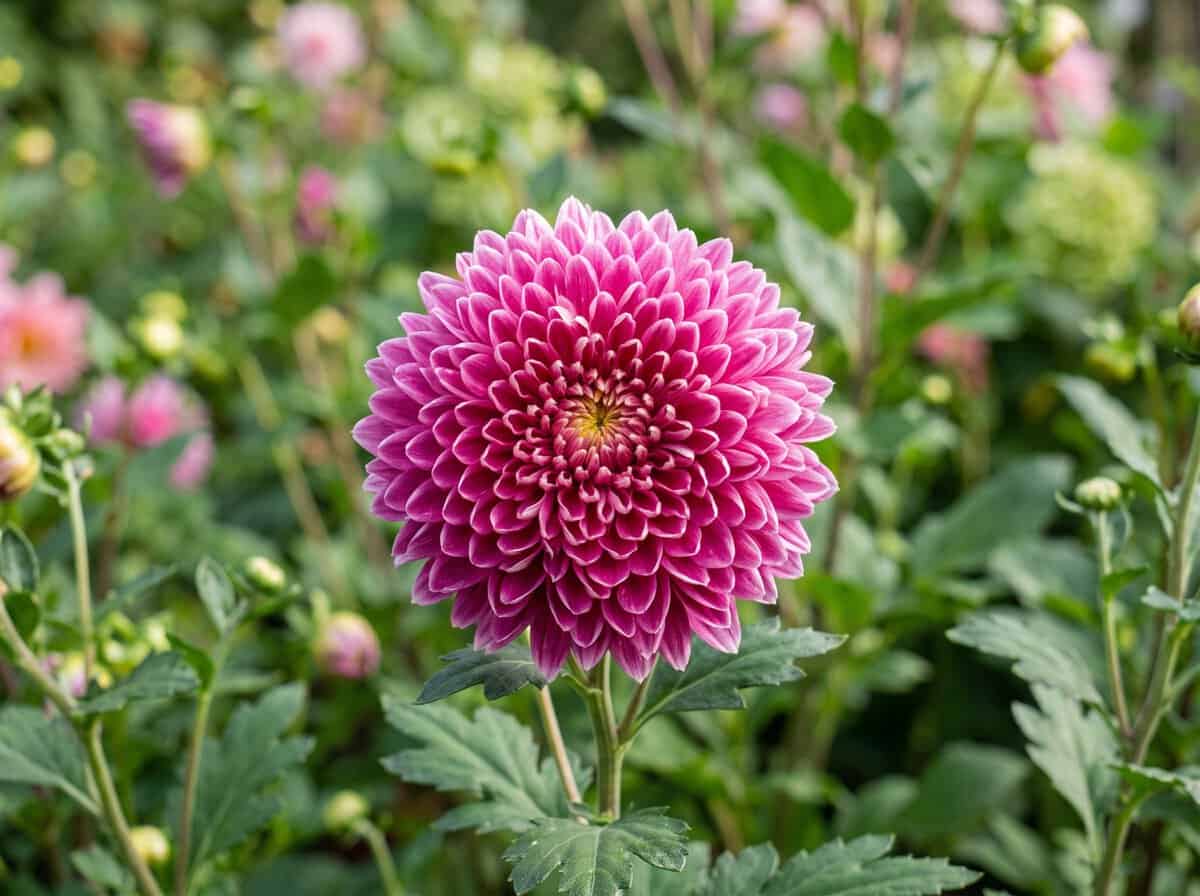
Amaterasu is the Shinto kami of the Sun and one of the most important figures in Japanese religious tradition.
In a famous story, she withdraws into a heavenly cave. Without her, the world loses its sunlight.
The other deities eventually find a way to bring her back outside.
The chrysanthemum is deeply important in Japanese culture, especially through its imperial connections.
It is not simply Amaterasu’s personal flower in ancient mythology.
For this modern ritual, let the flower represent bringing something joyful back into your life.
Think about one thing you used to love doing but slowly stopped.
Music? Reading? Painting? Going outside? Spending time with friends? Choose one. Bring a small version of it back.
You do not need to become exactly the person you were before. Just open the door enough to let a little light back in.
9. Mokosh – Cornflower Spell for Growing Something Real
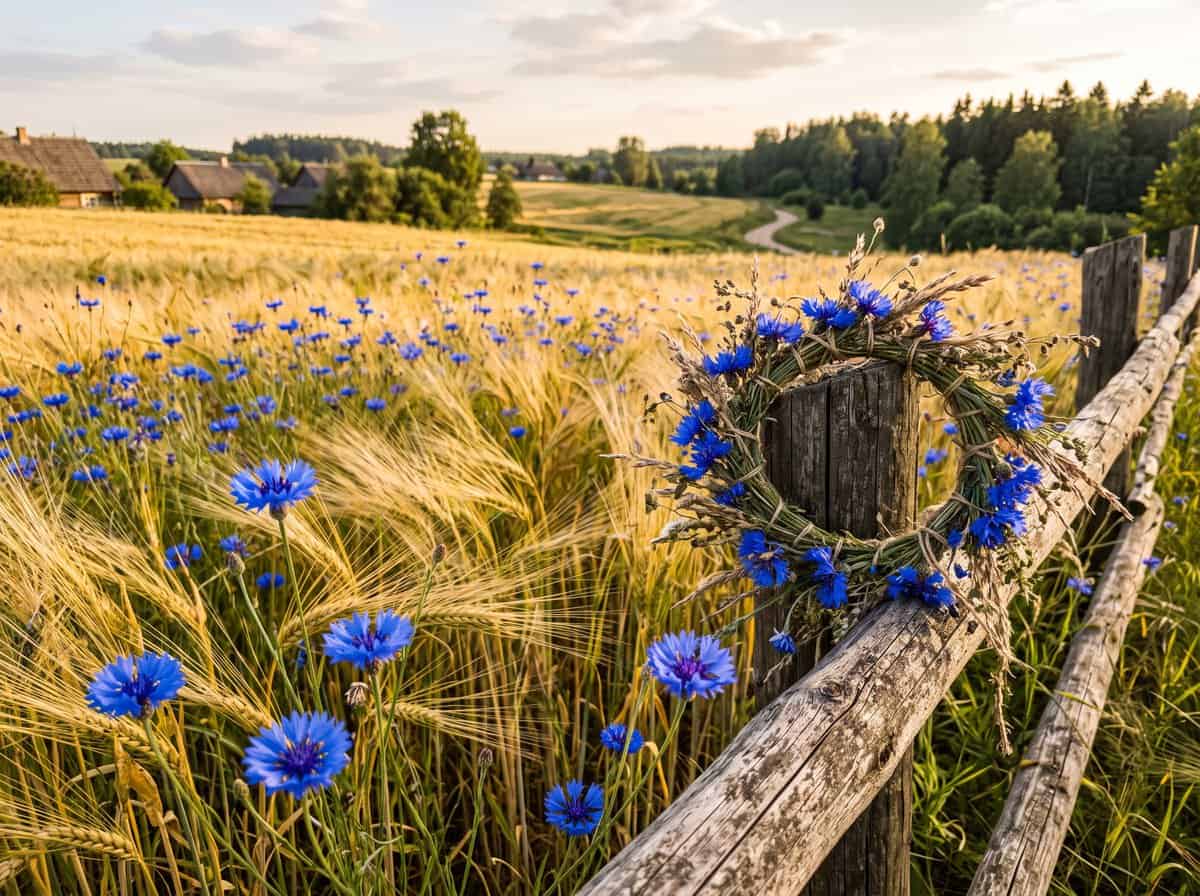
Mokosh is one of the female deities named among the gods honored by Prince Vladimir in the Primary Chronicle.
She is connected in later Slavic traditions and scholarship with women, spinning, moisture, fertility, and the earth.
For this modern Mokosh-inspired spell, choose a cornflower or another simple field flower.
You can also use a picture. Write one goal on a piece of paper.
Underneath it, write: “What can I do for this goal today?”
Choose one answer. Then do it. The flower represents growth, but the important part is the action.
Seeds do not become flowers because someone spends every day asking whether they are growing.
They need time and the right conditions. Goals can be surprisingly similar.
You can imagine what you want. You can hope for it.
But eventually, something needs to be planted in the real world too.

Sempre senti uma forte ligação com o Divino desde o meu nascimento. Como autora e mentora, a minha missão é ajudar os outros a encontrar o amor, a felicidade e a força interior nos momentos mais sombrios.