
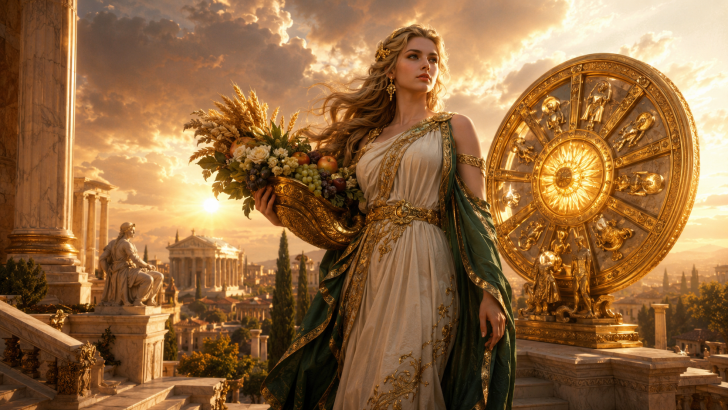
Some people seem to have incredible luck while others face one challenge after another. Why?
The ancient Romans asked the same question. They believed that fortune was not entirely random.
Instead, it was connected to a powerful goddess named Fortuna, whose favor could lift someone to great success or allow their fortunes to suddenly change.
Fortuna became one of the most beloved deities in Roman religion because everyone hoped for her blessing.
From emperors and soldiers to merchants and farmers, people from every walk of life honored her in the hope that tomorrow might be better than today.
Although she is remembered as the goddess of luck, her story is much richer than many people realize.
Here are ten things you didn’t know about Fortuna, the Roman goddess of luck.
1. Fortuna Was Originally a Goddess of Fertility
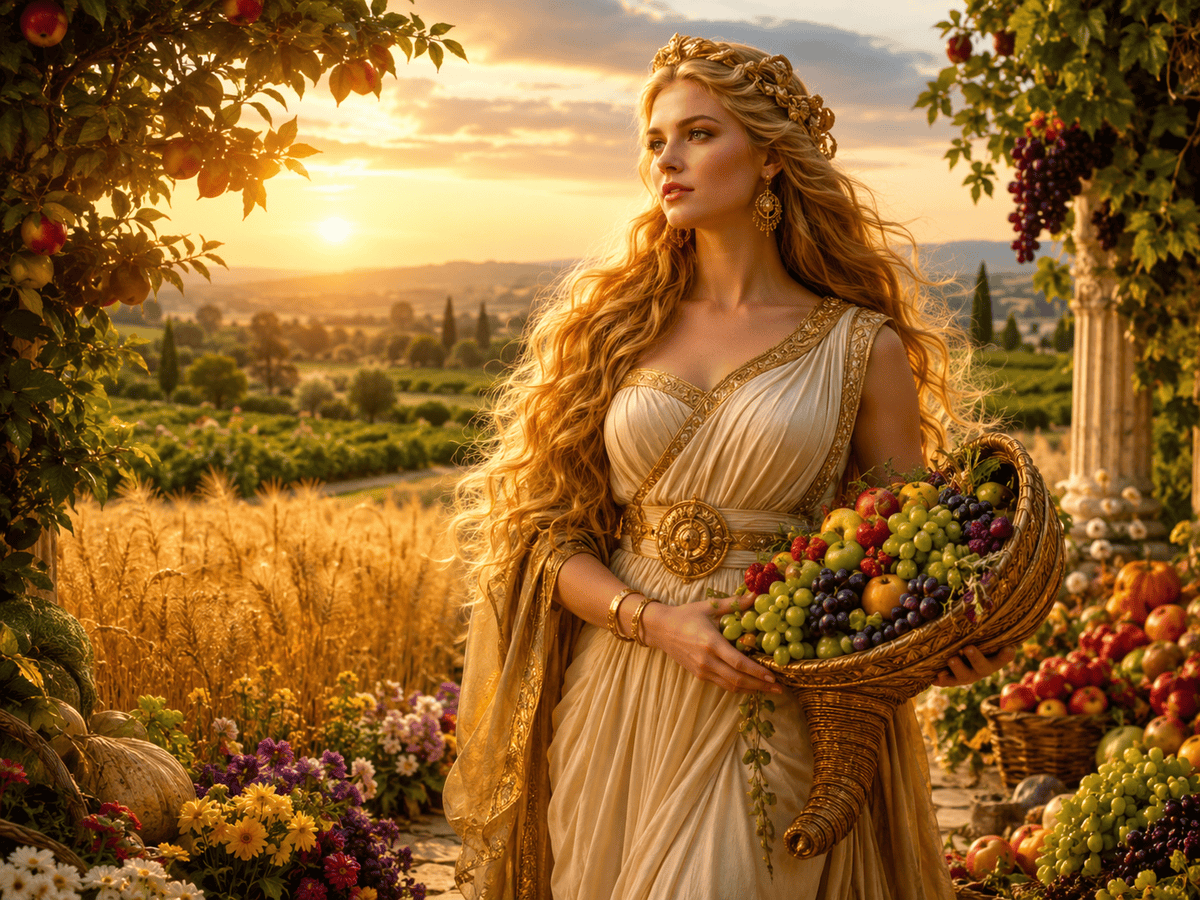
Before becoming famous as the goddess of luck, Fortuna had a different role. Some historians believe she was originally connected with fertility, agriculture, and the prosperity of the land.
Healthy crops and growing families were among the greatest blessings people could receive, making her an important deity long before she became associated with fortune itself.
Over time, her influence expanded. This transformation helped make her one of Rome’s most widely worshipped goddesses.
Instead of watching over only harvests and fertility, Fortuna gradually became linked with nearly every kind of success a person could hope for.
2. Everyone Prayed to Fortuna
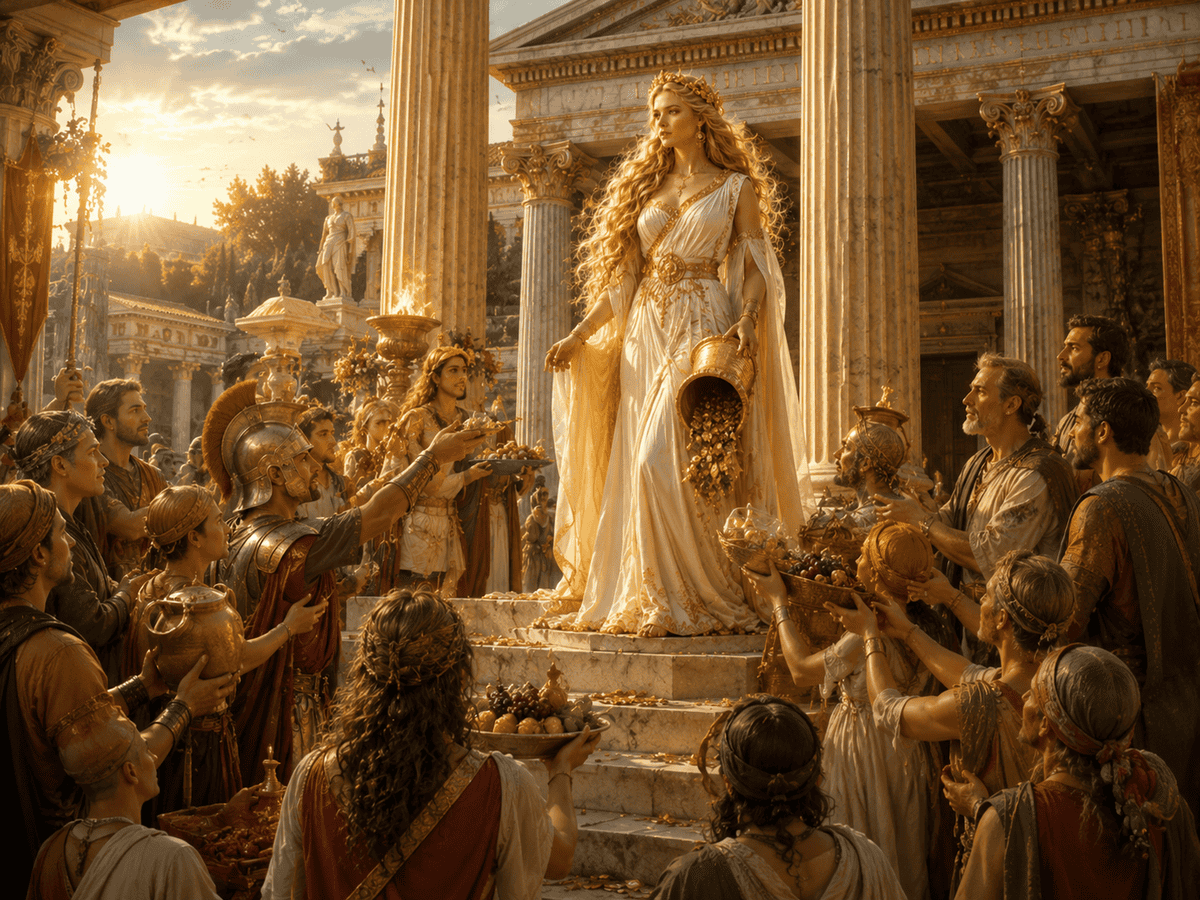
Unlike some Roman gods who appealed mainly to soldiers or farmers, Fortuna was worshipped by nearly everyone.
Merchants hoped she would bring profitable business. Travelers asked for safe journeys.
Parents prayed for their children’s future. Even Roman rulers sought her blessing before making important decisions.
Her popularity crossed social boundaries because every person experienced uncertainty.
No matter how carefully someone planned their life, unexpected opportunities and setbacks could still appear.
Fortuna represented that unpredictable part of life that nobody could fully control.
3. Her Wheel Became One of History’s Most Famous Symbols

The Wheel of Fortune is one of Fortuna’s best-known symbols. The spinning wheel represented the idea that success never remains in one place forever.
Someone enjoying wealth and power today might lose everything tomorrow, while another person could suddenly rise from poverty to prosperity.
This simple image became incredibly influential. Wheel of Fortune remains one of the oldest surviving symbols of changing destiny.
Centuries after the Roman Empire disappeared, artists, writers, and philosophers continued using the Wheel of Fortune as a symbol of life’s constant ups and downs.
4. She Was Often Blindfolded

Some ancient images of Fortuna show her wearing a blindfold. This idea reminded Romans that life was never completely predictable.
The blindfold symbolized the belief that luck does not always favor people based on wealth, status, or personal ability.
Good fortune could arrive unexpectedly, just as bad luck could strike without warning.
Even the most successful person could not assume tomorrow would look exactly like today.
Likewise, difficult times did not necessarily last forever. Fortuna’s blindfold reflected the surprising and impartial nature of chance.
5. She Carried a Cornucopia Filled With Blessings
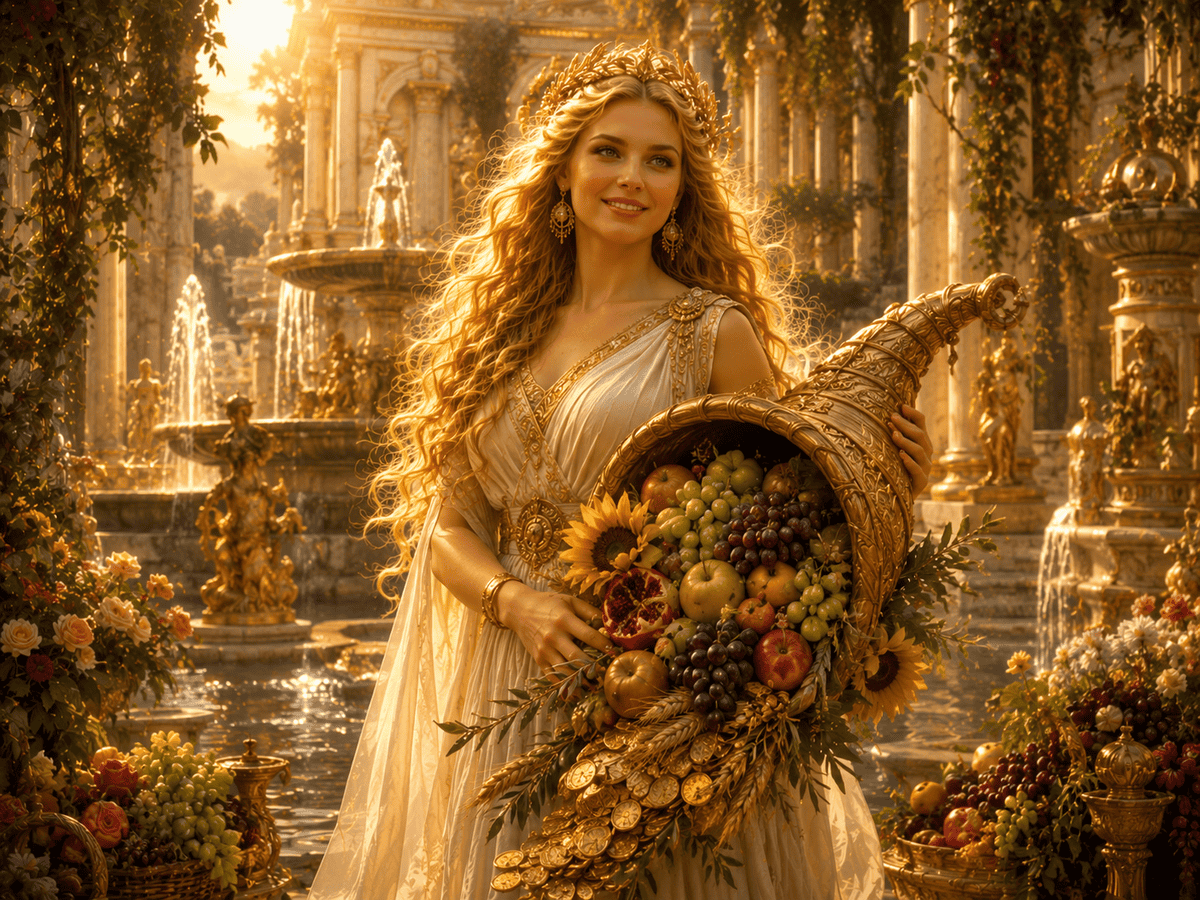
Fortuna was frequently shown holding a cornucopia, also called the horn of plenty. The overflowing horn represented abundance and prosperity.
It was filled with fruits, grain, and other foods that symbolized a successful and comfortable life.
This image suggested that Fortuna had the ability to provide more than just money.
Health, peace, opportunity, strong families, and successful harvests were also considered forms of good fortune.
The cornucopia reminded worshippers that true prosperity came in many different forms.
6. Fortuna Had Dozens of Different Forms
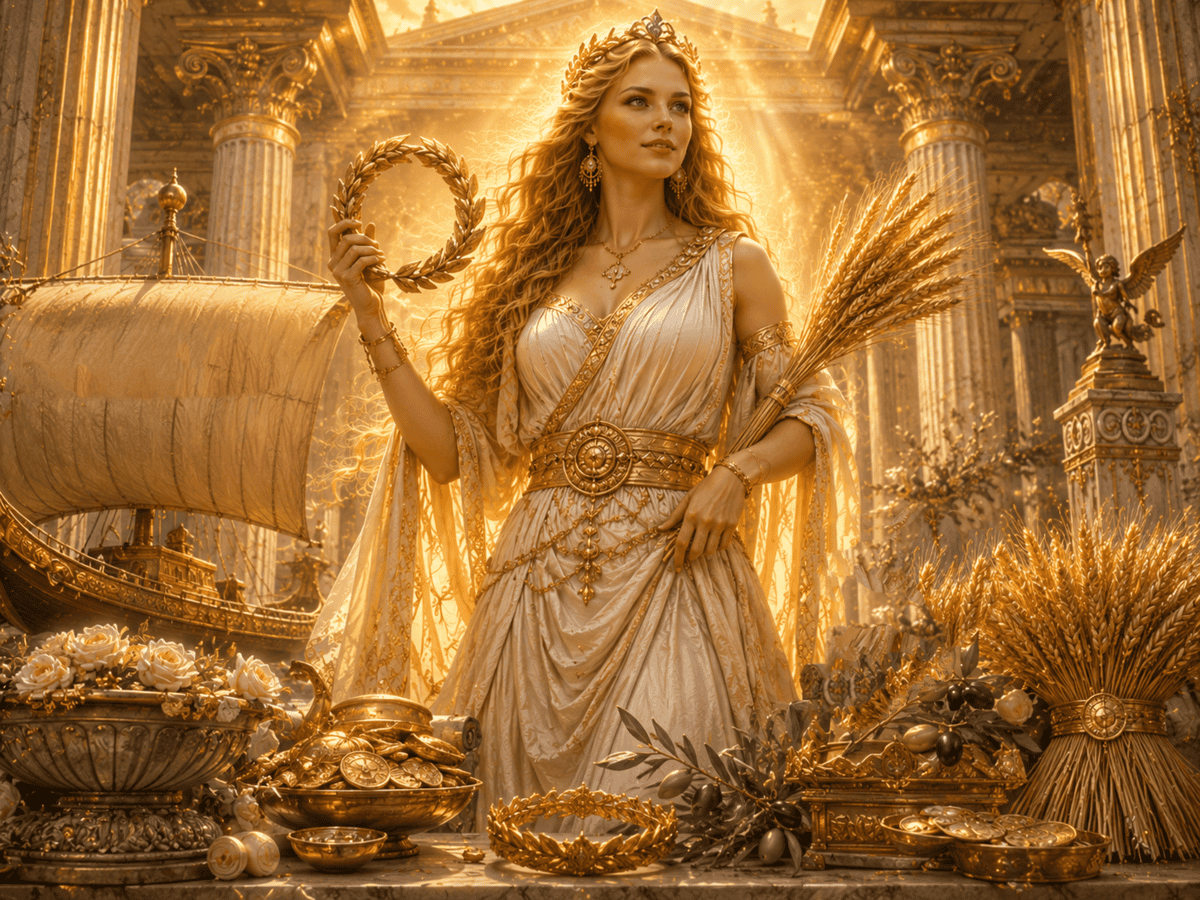
The Romans did not think of Fortuna as having only one role. Instead, they honored different aspects of the goddess depending on what they needed.
Some prayed to Fortuna for protection during travel. Others wanted her help in marriage, business, childbirth, or public life.
These different titles allowed people to feel that Fortuna understood their specific concerns.
Rather than being a distant goddess with one responsibility, she became a divine figure connected to nearly every stage of human life.
7. Roman Generals Thanked Fortuna After Victories
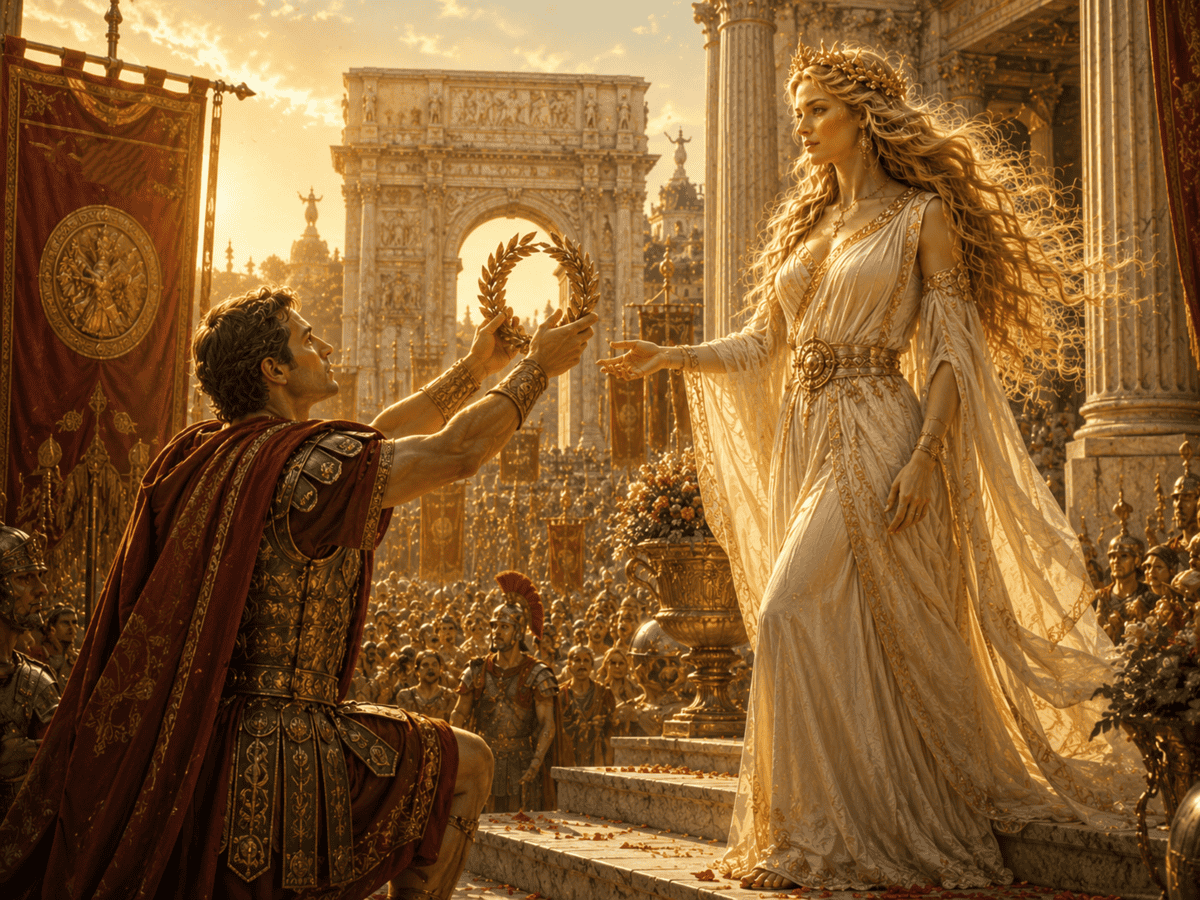
Military success depended on planning, discipline, and skilled leadership. Because of this, many victorious generals thanked Fortuna after returning home.
Even so, Roman commanders knew that unexpected events could change the outcome of any battle.
Temples, statues, and offerings expressed gratitude for what they believed was her favor.
To the Romans, victory was never achieved through strength alone. Good fortune was often seen as the final piece that determined whether a campaign ended in triumph or disaster.
8. Fortuna Was Closely Connected to Fate

Although Fortuna represented luck, she was also linked with fate. It was believed she had the power to influence it.
The Romans believed some events were shaped by destiny, while others seemed to depend on fortune and changing circumstances.
Fortuna stood at the meeting point between those two ideas. She reminded people that life was a mixture of careful choices and unexpected surprises.
No one could predict every opportunity or obstacle that might appear. That uncertainty made her one of the most respected goddesses in Roman religion.
9. She Had One of Rome’s Oldest Temples
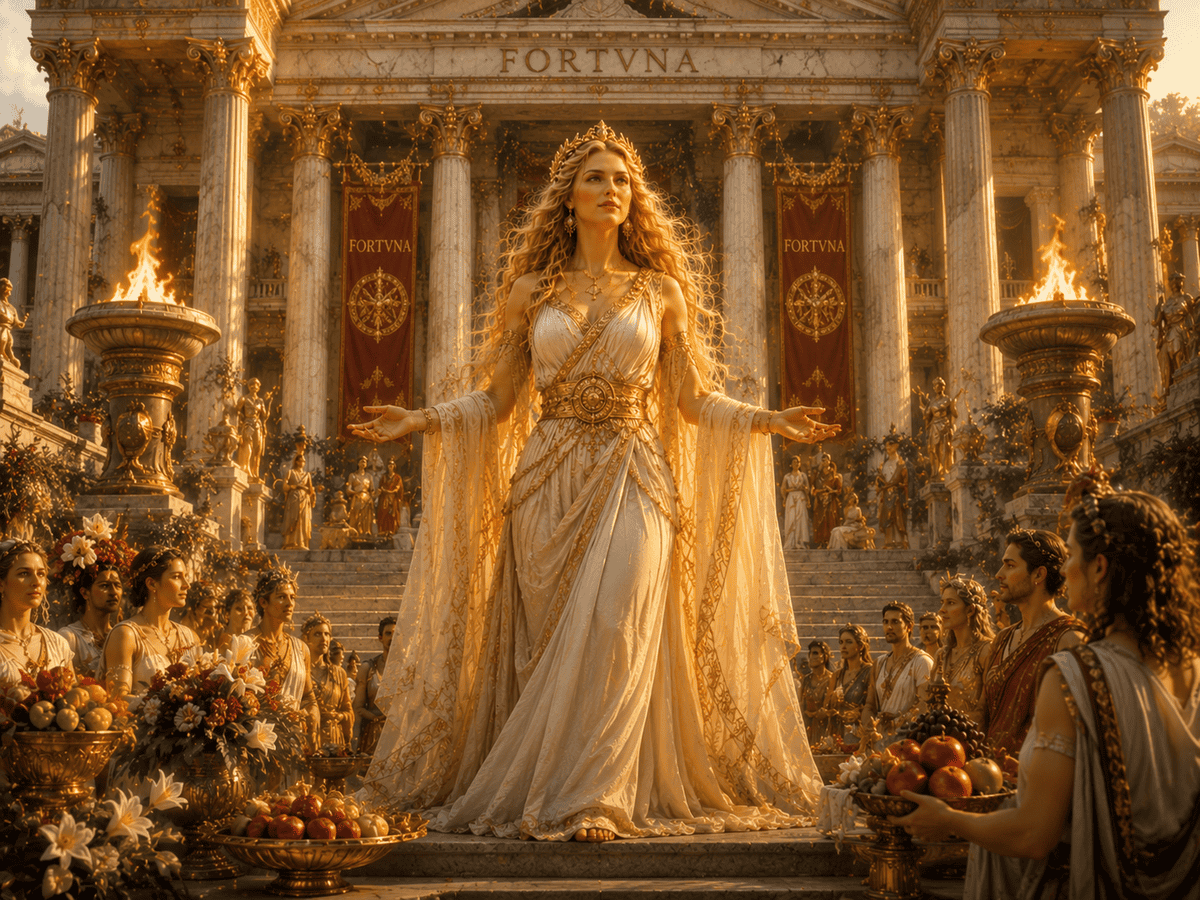
Fortuna’s importance can be seen in the many temples built in her honor. One of the oldest was the Temple of Fortuna Primigenia, which became a major religious center.
People traveled long distances to seek guidance and offer prayers there.
The sanctuary attracted visitors from across Italy who hoped the goddess would bless important decisions.
Its popularity shows just how deeply Fortuna was woven into Roman religious life.
She was far more than a symbol of luck. She was a goddess people genuinely trusted.
10. Her Legacy Survived Long After Ancient Rome Ended
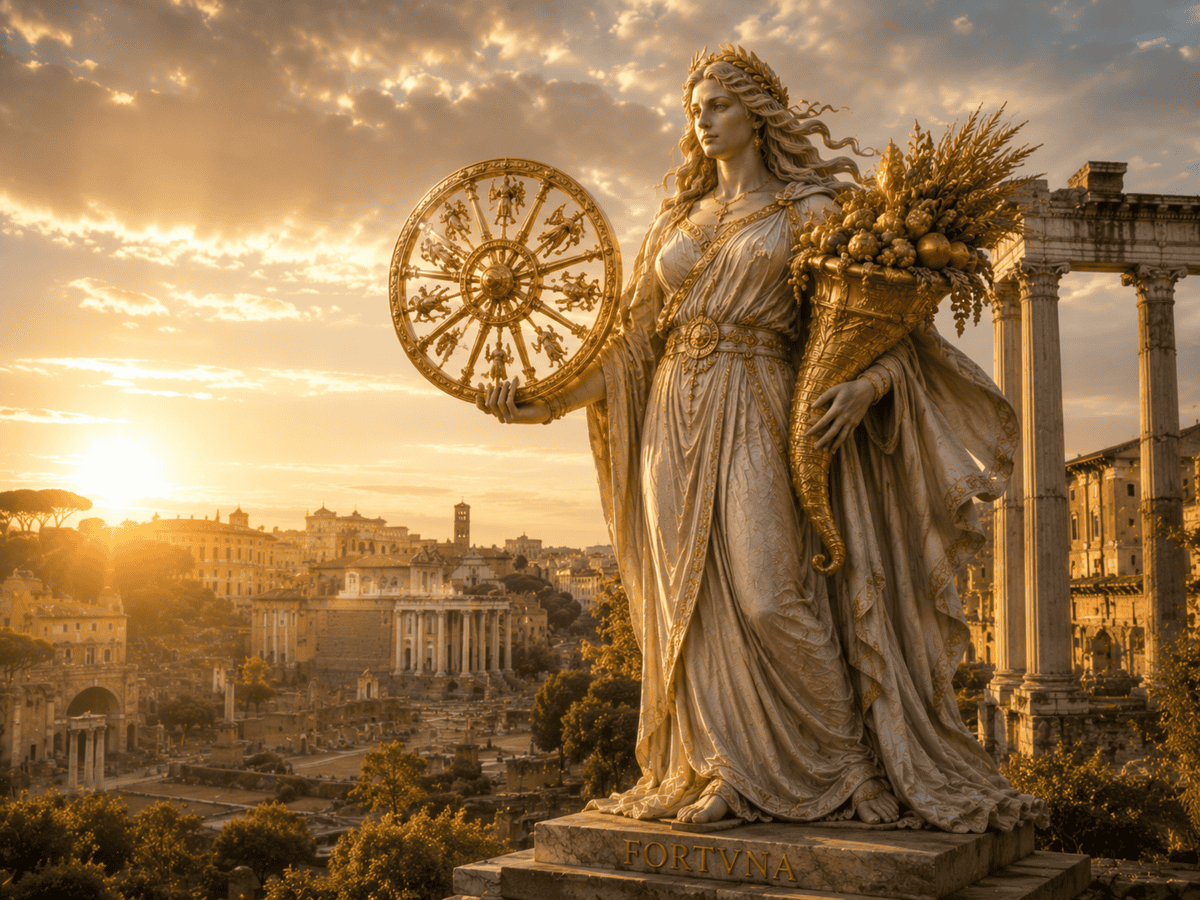
Many Roman gods gradually faded from public memory after the fall of the empire.
Fortuna was different. Her symbols continued appearing in medieval literature, Renaissance art, and later European culture.
The Wheel of Fortune became a lasting reminder that success and hardship rarely remain permanent.
Even today, people still talk about good fortune, bad fortune, and fortune smiling upon someone.
Although few realize where these ideas originated, they reflect the enduring influence of one of ancient Rome’s most fascinating goddesses.

Sempre senti uma forte ligação com o Divino desde o meu nascimento. Como autora e mentora, a minha missão é ajudar os outros a encontrar o amor, a felicidade e a força interior nos momentos mais sombrios.