

The story of fallen angels is one of the most mysterious and debated topics in religious traditions.
These angels were once part of God’s heavenly hosts but chose to rebel against Him. Instead of remaining loyal, they defied divine authority and brought corruption to the world.
The Bible, Jewish texts, and other religious writings suggest that God refused to forgive these angels, leaving them cast out of heaven forever.
But why would God deny forgiveness to beings who were created perfect?
Here are ten reasons why God might have refused to forgive the fallen angels, explained in simple words to help understand their unique story.
1. They Chose Rebellion
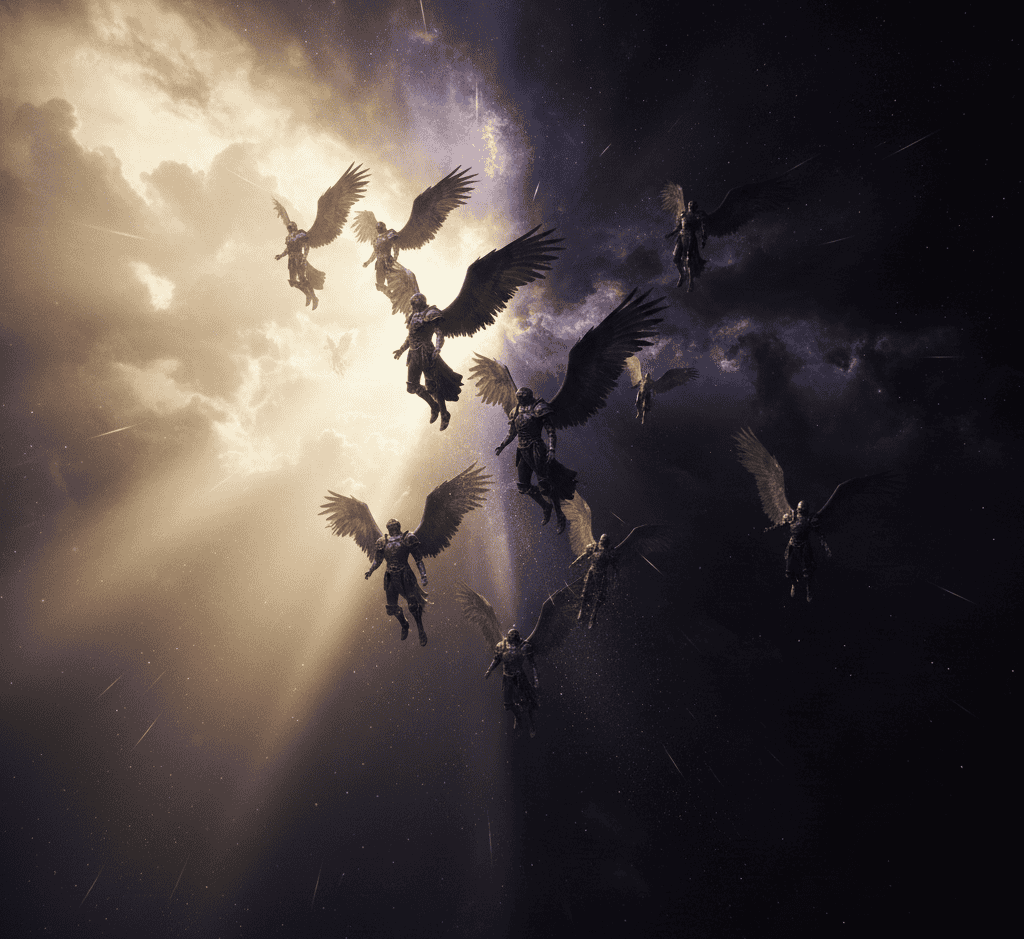
The first reason God did not forgive fallen angels is because they made a conscious choice to rebel.
Unlike humans, angels were created with perfect knowledge and understanding of God’s laws.
Their rebellion was not accidental or caused by ignorance. It was a deliberate decision to go against God.
By choosing disobedience, they demonstrated a lack of respect for divine authority and a desire to act independently.
God could not overlook this intentional defiance, as forgiving it would undermine the order of heaven.
Their rebellion also led to the corruption of the world, showing that their actions had serious consequences.
This deliberate choice made forgiveness impossible because it was not a simple mistake but a direct challenge to God’s will and the divine order.
2. They Corrupted Humanity

Another reason God refused to forgive fallen angels is their role in corrupting humanity.
According to some interpretations of the Bible, particularly in Genesis and other Jewish texts, these angels taught humans forbidden knowledge and led them into sin.
They influenced people to act against God’s commands, spreading violence, lust, and pride.
By interfering with human free will and morality, they caused immense suffering on Earth.
God’s refusal to forgive them shows that causing harm to humans and turning them away from righteousness is a serious offense.
Their rebellion was not just against heaven but also against God’s creation on Earth. This corruption proved that their actions had consequences far beyond themselves, making forgiveness impossible.
3. They Ignored Warnings
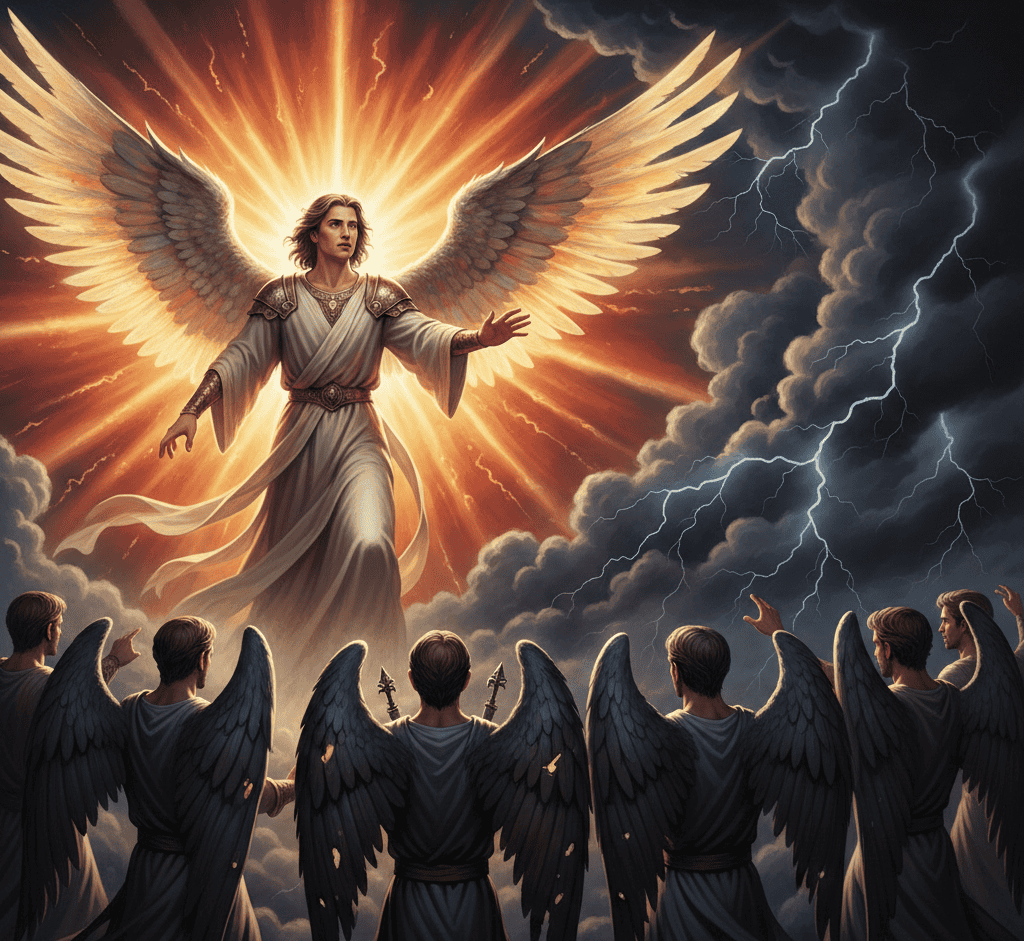
The fallen angels were not unaware of the consequences of their actions. Religious texts suggest that they were warned about the dangers of disobedience.
Despite these warnings, they continued their rebellion and actively defied God.
This repeated disobedience shows arrogance and a refusal to repent, which are major reasons forgiveness was denied.
God values repentance and humility, but the fallen angels refused to admit wrongdoing or change their behavior.
Their arrogance and stubbornness made it clear that they were unfit to return to heaven.
By ignoring warnings and continuing their rebellion, they sealed their own fate and ensured that mercy would not be extended to them.
4. They Wanted Power for Themselves

Many religious scholars believe that the fallen angels rebelled because they wanted power, control, or recognition.
They desired authority outside of God’s will, seeking to elevate themselves above their assigned place in heaven.
This ambition was a direct act of pride and selfishness, which goes against the nature of angels as beings created to serve and obey God.
God’s refusal to forgive them reflects the seriousness of trying to claim power that belongs only to Him.
Unlike humans, who can learn and repent, angels fully understood the gravity of seeking such power.
Their pride and desire for independence made forgiveness impossible, as it would have allowed them to benefit from the very sin they committed against divine order.
5. Their Sin Was Permanent
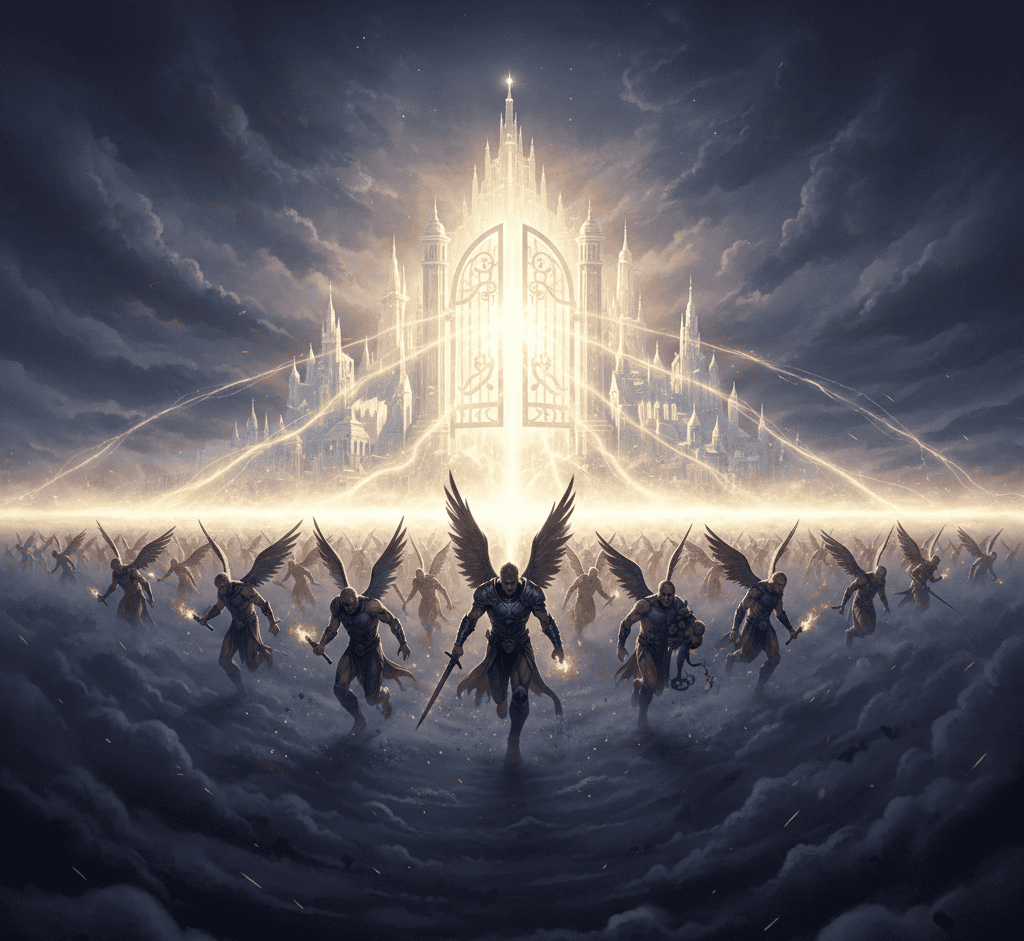
Fallen angels committed a sin that, according to religious texts, could not be reversed.
Unlike human sin, which can often be forgiven through repentance, the angels’ rebellion was a complete and permanent rejection of God.
They left heaven entirely, refusing to follow His authority in any way. This permanent choice meant that they could no longer be part of God’s plan or serve in His heavenly kingdom.
Forgiving them would have contradicted the eternal nature of their decision.
Their permanent rebellion was a statement of intent. They wanted nothing to do with God and actively opposed His order.
Because of this, forgiveness was not an option, as it would have gone against the consequences of their deliberate, unchangeable actions.
6. They Were Role Models for Evil
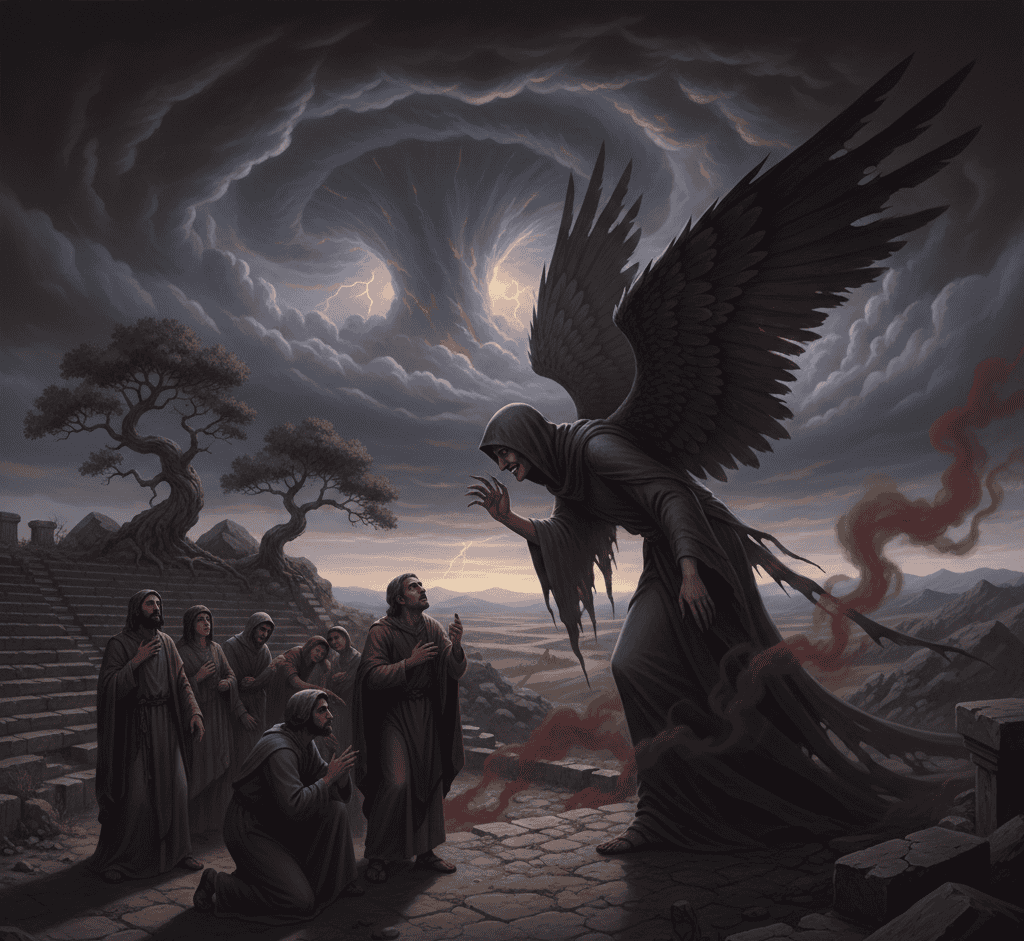
Fallen angels became models for evil forces in the world. By rebelling, they set an example for disobedience and pride that other angels or humans could follow.
Their actions encouraged sin, temptation, and the spread of chaos on Earth.
If God had forgiven them, it might have sent a message that rebellion could be excused, weakening the moral order of the universe.
By refusing forgiveness, God maintained the standard that disobedience, corruption, and pride have serious consequences.
Their role as corruptors showed that their sin was not only personal but also influential, creating harm beyond their own actions.
This responsibility for influencing others reinforced the need for their punishment.
7. They Refused to Repent

Forgiveness often depends on repentance, but the fallen angels refused to change or admit their wrongdoing.
Unlike humans, who may make mistakes unknowingly, angels knew the difference between right and wrong and still chose rebellion.
Repentance requires humility and acknowledgment of sin, but the fallen angels remained proud and defiant.
Their refusal to repent demonstrated a complete rejection of God’s mercy.
Since forgiveness in religious teachings is linked to sincere remorse, their continued arrogance left God no choice but to deny mercy.
Their unwillingness to repent highlights their permanent separation from divine grace and reinforces why they were cast out of heaven forever.
8. Their Actions Caused Great Harm
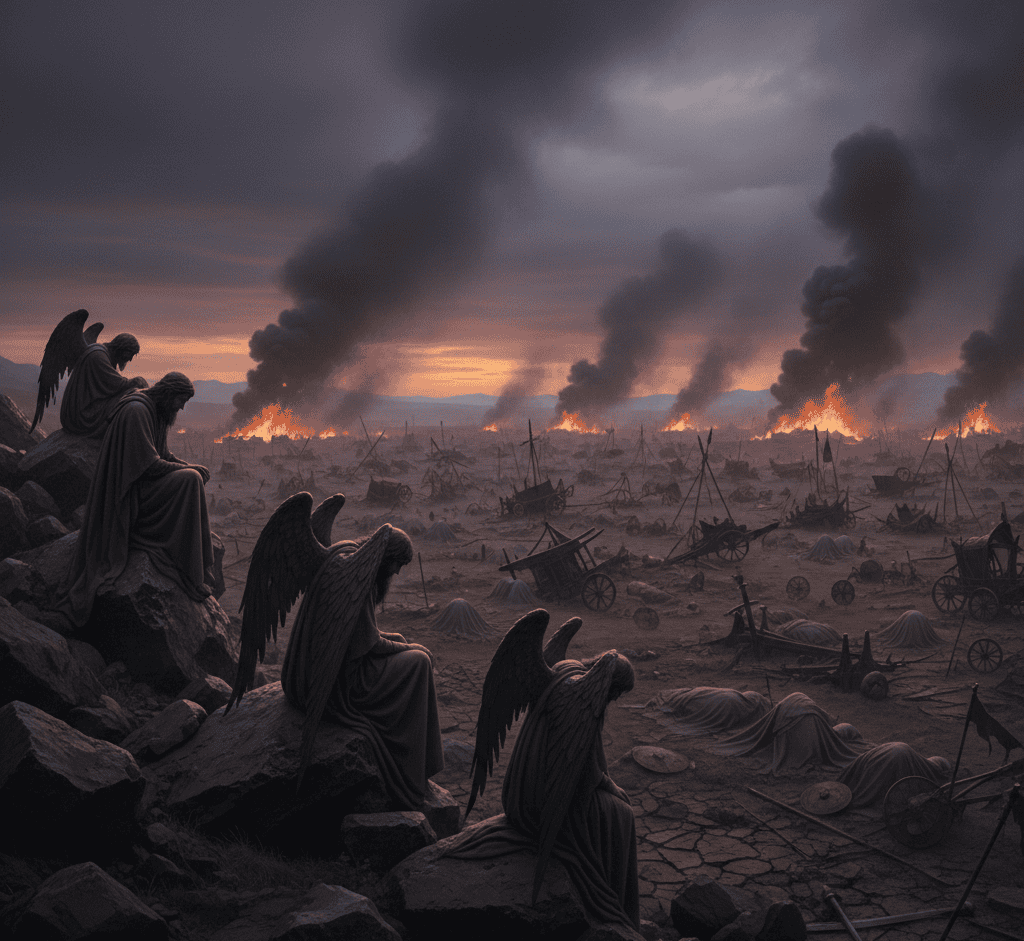
The fallen angels did not just rebel, they caused great damage in the world. They spread evil, encouraged violence, and tempted humans into sin.
God could not forgive beings whose actions had such a wide-reaching and destructive impact.
Forgiving them would have ignored the harm they caused, and religious texts emphasize justice as well as mercy.
The damage they created made their punishment necessary. Their rebellion was not harmless—it disrupted the balance of heaven and Earth, making it clear that their actions could not be overlooked or forgiven.
9. They Challenged God’s Authority
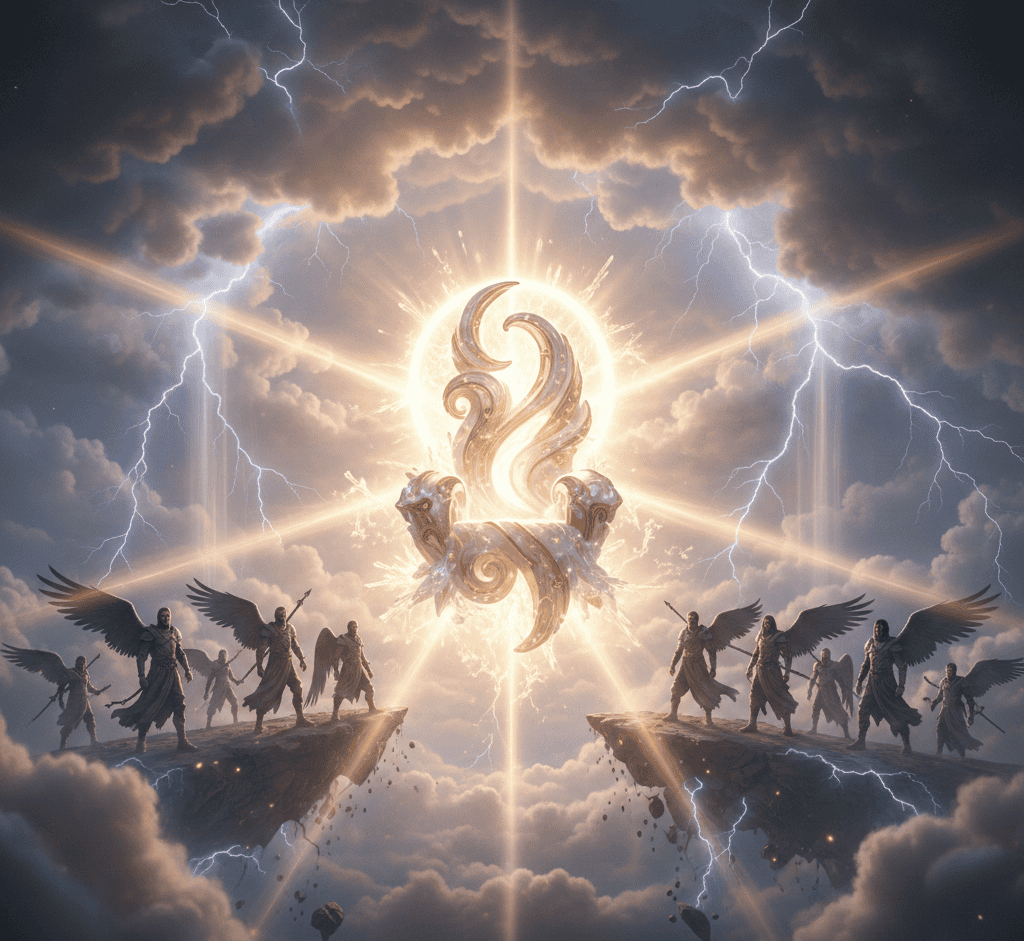
Another reason God refused forgiveness is that the fallen angels directly challenged His authority.
They attempted to act independently of God, deciding for themselves what was right and wrong.
This defiance was a threat to the divine order, and forgiveness would have undermined God’s power.
Angels were created to serve, and by rebelling, they questioned the very foundation of the universe.
Allowing them back would have set a dangerous precedent for other heavenly beings and for creation itself.
10. Their Punishment Served as a Warning

Their eternal punishment reminds both angels and humans of the consequences of pride, disobedience, and rebellion.
By seeing what happened to the fallen angels, others are encouraged to remain faithful, humble, and obedient.
The refusal of forgiveness establishes the moral order of the universe and reinforces the idea that serious rebellion cannot go unpunished.
It shows that actions have lasting consequences and that mercy is not automatic when someone knowingly and intentionally rejects God.
Their story continues to inspire caution, faith, and moral reflection for believers across generations.

Sempre senti uma forte ligação com o Divino desde o meu nascimento. Como autora e mentora, a minha missão é ajudar os outros a encontrar o amor, a felicidade e a força interior nos momentos mais sombrios.