
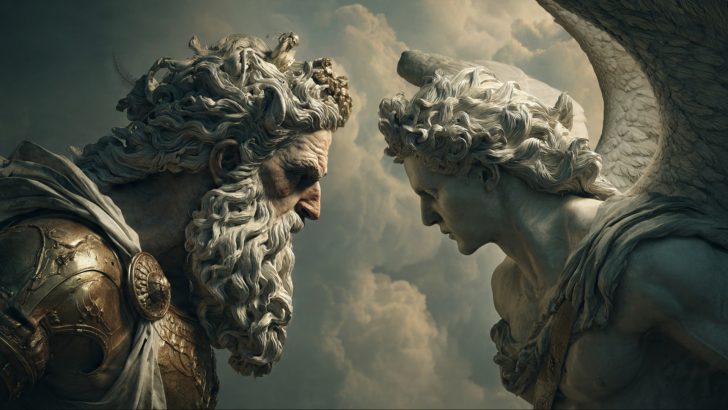
A strange theory has been making rounds all over my feed these days – people claim that Greek gods are actually the fallen angels from the Old Testament.
It sounds pretty out there, but it has gained a surprising amount of attention.
Let’s explore where this idea came from, and exactly how people managed to connect all these dots.
1. Where It All Started

This theory, of course, started as a mix of biblical interpretations and mythological stories, blending these texts with Greek legends.
Some believe that the biblical accounts of Lucifer and fallen angels moved across cultures, and that these beings somehow evolved into Greek gods.
The idea gained traction in fringe groups and conspiracy circles, who see the Bible as the secret history of the entire world.
They argue that ancient civilizations misunderstood these celestial beings, viewing them as gods.
The fact that Greek gods are often presented as flawed, proud, and even cruel helped solidify this theory in many people’s minds.
2. Who Promotes This Theory
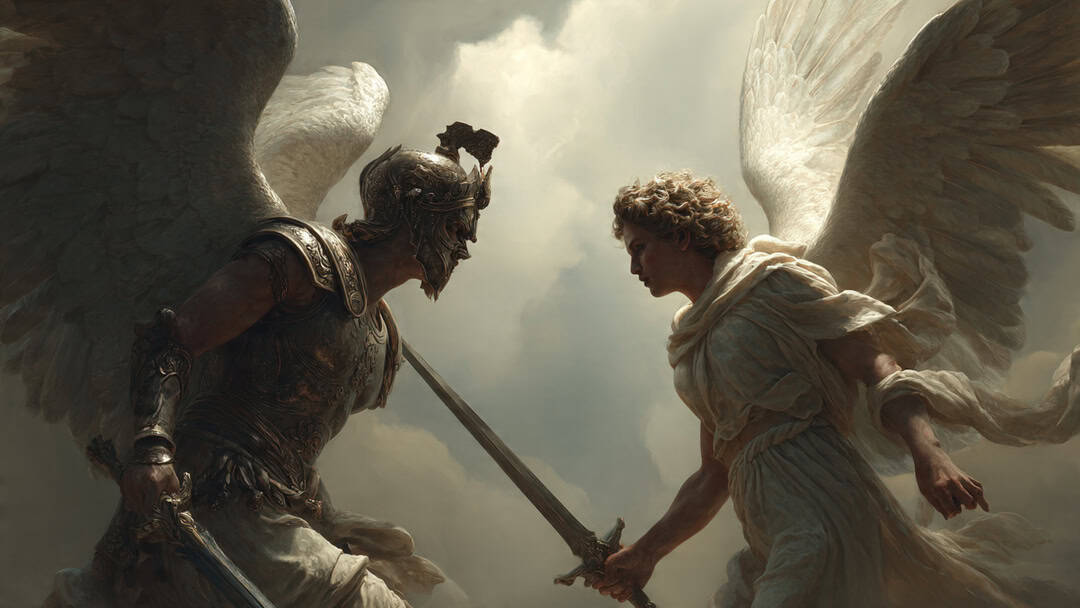
Most of these talking points come from alternative thinkers and fringe religious groups.
Também, Zecharia Sitchin, known for his ancient astronaut theories, contributed to this idea by blending biblical angels with extraterrestrial beings.
Some New Age thinkers also promote this concept, claiming it reveals a hidden history of cosmic rebellion.
Even some UFO enthusiasts see angels as ancient alien visitors.
These promoters tend to favor mystical and speculative interpretations that fit their worldview.
This way, they make the fallen angel theory an easy explanation for numerous mythological and biblical mysteries.
3. The Biblical Connection

Supporters of this theory often point to biblical passages like Ezekiel 28 e Isaiah 14, which describe fallen angels and Lucifer’s pride.
They argue that these descriptions match the characteristics of Greek gods who wield divine powers and influence humans.
The core idea is that these myths are actually distorted memories of angelic beings that fell from Heaven, corrupted by time and humanity.
In their view, Greek myths are just veiled stories about angelic beings who rebelled against God and were cast out, taking on new identities as false gods in the process.
4. Common Traits Between Fallen Angels and Gods

One of the main reasons this theory sounds so convincing to some is the similarities between the fallen angels and Greek gods.
Both are depicted as immortal, powerful, and able to influence human affairs. Their flaws are especially highlighted, such as enormous orgulho, spite, irae lust.
Angels are often shown as messengers and warriors of divine origin, much like how gods are portrayed in Greek mythology.
Supernatural força e divine authority are common to both.
These overlapping features are used to argue that they come from the same source.
It’s an appealing idea for those who see myth and religion as interconnected rather than separate stories.
5. Mythology as Allegory for Angelic Battles

Proponents also interpret Greek myths as allegories for celestial rebellion, like God’s angels fighting amongst themselves.
They claim these stories symbolize fallen angels rebelling and struggling for power.
According to them, ancient Greeks didn’t understand the true nature of these beings and turned them into gods, heroes, and monsters.
The battle between the gods and the Titans is used as an example of this spiritual warfare.
This perspective reframes Greek myths and ties them to the Bible.
6. Why This Theory Appeals to So Many
People find this idea appealing because it offers an all-encompassing explanation for the origins of Greek mythology and religion.
They suggest that there’s a hidden cosmic truth behind ancient stories, leading back to the Bible and fallen angels.
For many, it’s exciting to think that these stories are actually fragments of lost history.
Not to mention, some feel validated by the idea that a civilization as great as the Greeks owes its mythology to their holy book.
It also allows them to underscore the “wickedness” of pagan polytheism compared to believing in Yahweh and Jesus Christ.
7. The Main Flaw
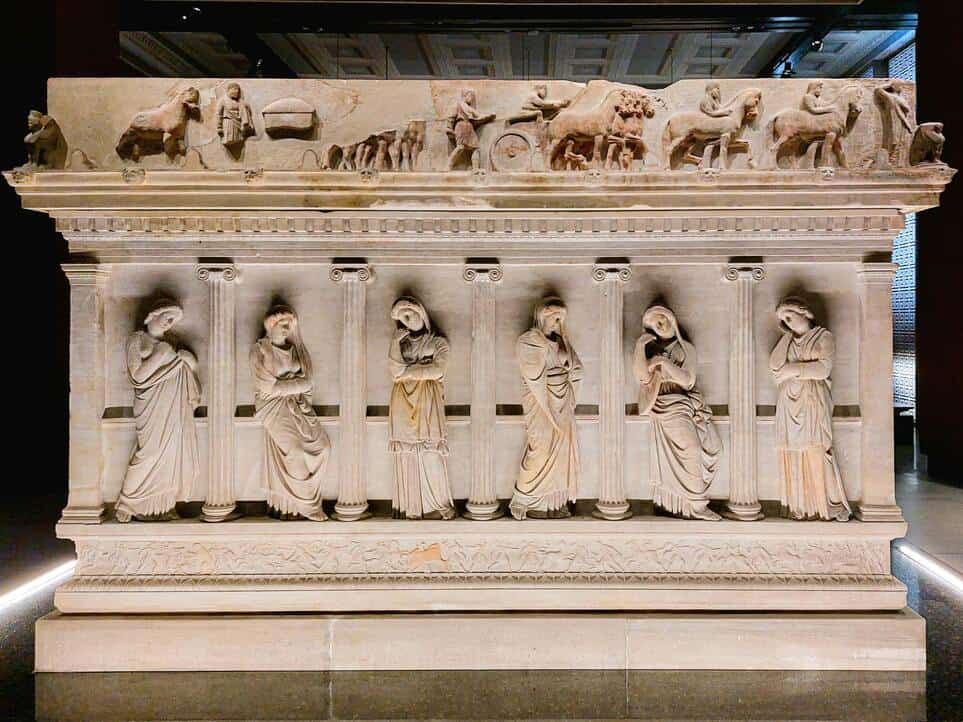
Mainstream scholars, as well as biblical experts, strongly reject this theory because it ignores cultural and historical contexts.
Greek mythology has clear roots in ancient Greek religion, rituals, and culture, with certain Oriental influences.
The texts used to support this theory are often taken out of context and interpreted too liberally.
There’s no solid evidence linking Greek gods to fallen angels; the timelines don’t even match up.
These stories originated in different cultures, with different purposes, and should be understood on their own terms.
Oversimplifying them is dismissive of both.
8. The Lack of Solid Evidence

Despite the intriguing nature of the theory, there’s no archaeological or textual proof that Greek gods are fallen angels from the Bible.
Greek mythology has developed independently within Greek culture, and it even predates the Old Testament by hundreds of years.
No ancient texts or artifacts suggest that Greek gods are anything other than mythic figures created by early Greeks to explain their world.
The biblical angels don’t resemble Greek gods in any direct way.
With that said, this theory remains speculative and imaginative.
9. The Oversimplification
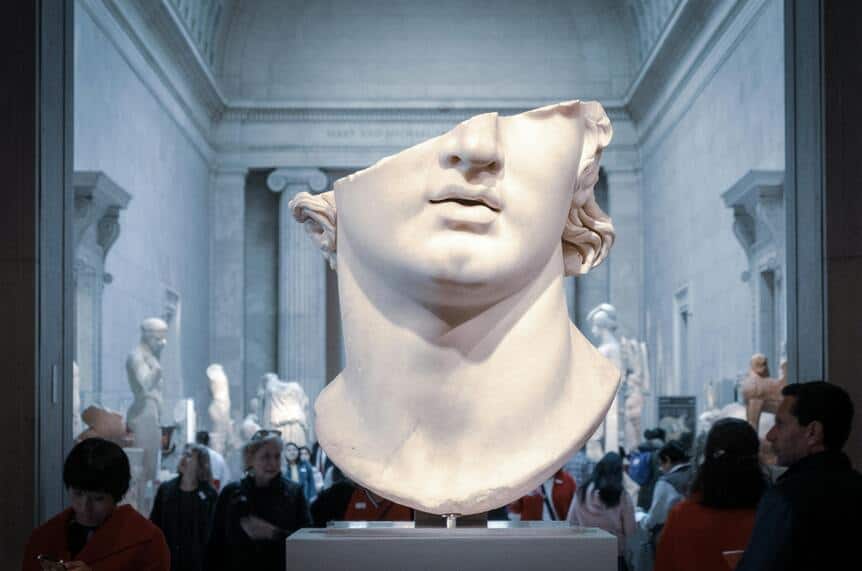
In the end, this theory oversimplifies complex religious and mythological traditions. It comes off as an attempt to project our modern, globalist worldview onto history.
It ignores the cultural differences and historical contexts that shaped Greek mythology and biblical texts.
Trying to merge these two worlds creates a distorted narrative.
It’s a modern reinterpretation that feeds into our curiosity but doesn’t hold up under scrutiny.

A little Aquarius, devoted to writing and embroidery. Through my writing, I hope to empower readers to align with their true selves and navigate life’s mysteries with confidence.