

For thousands of years, cultures around the world have associated certain plants with wealth, success, protection, and positive opportunities.
Long before vision boards, motivational books, or modern manifestation practices existed, people often turned to nature for symbolic support in their hopes and dreams.
Many herbs were carried in pouches, burned as incense, added to ritual baths, or placed near homes and sacred spaces.
While different traditions had different beliefs, these plants were often valued for their rarity, fragrance, appearance, or symbolic connection to abundance.
Today, these herbs are mostly appreciated for their cultural and historical significance.
Their stories offer a fascinating glimpse into how ancient people connected the natural world with their desires for a better future.
Here are ten rare herbs once used in manifestation and prosperity rituals.
1. High John the Conqueror Root

One of the most famous plants associated with prosperity folklore is High John the Conqueror root.
For generations, it was carried as a symbol of personal power, success, and overcoming obstacles.
In various folk traditions, people believed the root could help strengthen confidence and attract favorable outcomes.
Its unusual appearance and reputation made it highly sought after.
Many individuals kept it in small pouches or placed it among other symbolic objects connected to success.
Because it was not always easy to obtain, its rarity added to its mystique and value within prosperity traditions.
Stories about the root often emphasized resilience, determination, and the ability to overcome difficult circumstances.
2. Galangal Root
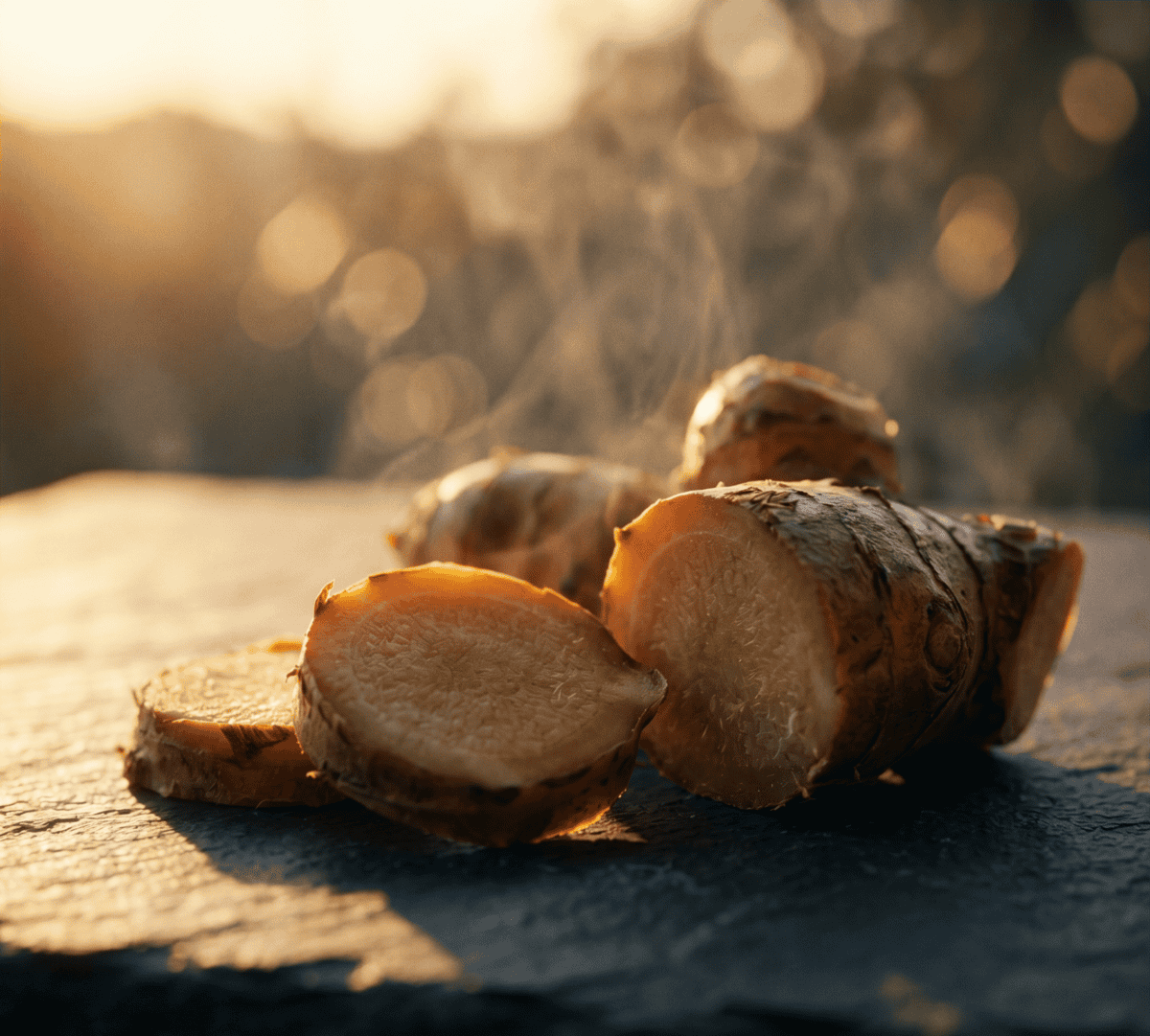
Galangal is a relative of ginger, but it has developed a unique reputation in several spiritual traditions.
Its strong aroma and distinctive appearance made it a popular ingredient in rituals connected to luck and financial opportunity.
Some people carried pieces of dried galangal as symbolic charms. Others incorporated it into ritual blends designed to represent movement, progress, and abundance.
Because the plant was uncommon in many regions where it became spiritually valued, it was often considered especially powerful.
Its connection to prosperity likely grew from both its rarity and its long history as a valuable trade item.
3. Vetiver
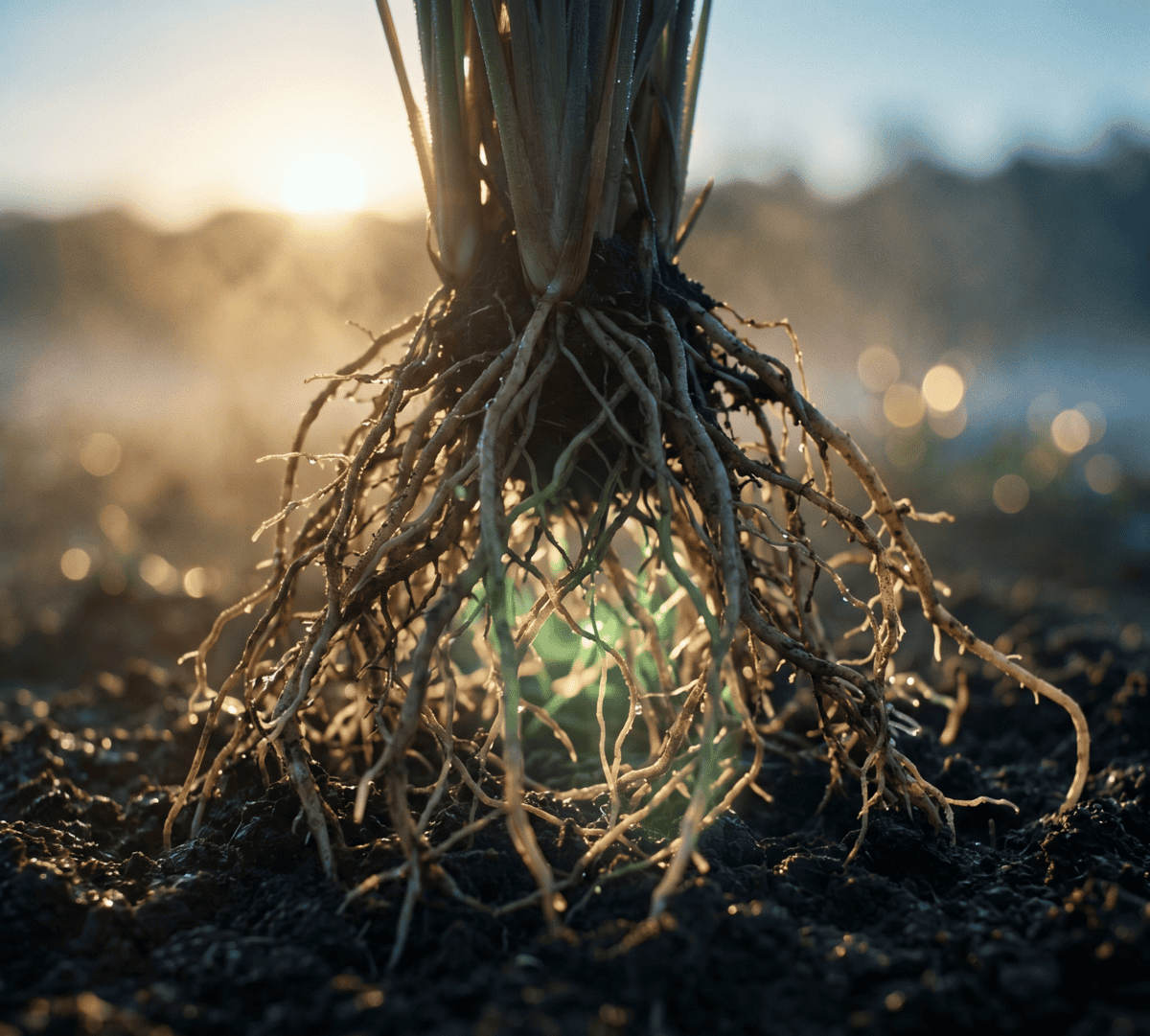
Vetiver is a fragrant grass known for its deep roots and earthy scent.
In certain traditions, it became associated with stability, wealth, and long-term success.
Its roots were sometimes used in sachets, symbolic charms, or aromatic blends.
Because the plant develops an extensive root system, it has come to symbolize strong foundations and lasting prosperity.
Many people believed it encouraged financial security rather than quick fortune.
Its pleasant fragrance also made it popular in perfumes and ceremonial preparations, increasing its reputation as a plant connected to abundance and well-being.
4. Spikenard

Spikenard was one of the most valuable aromatic plants of the ancient world.
Mentioned in biblical history and prized throughout ancient trade networks, it was often worth remarkable sums.
Its rarity and cost naturally connected it with wealth and luxury. In some traditions, the herb became a symbol of blessing, honor, and abundance.
Its fragrance was highly prized by rulers and wealthy households.
Because obtaining genuine spikenard required long-distance trade, it developed an aura of exclusivity that strengthened its association with prosperity and prestige.
5. Orris Root

Orris root comes from certain iris plants and has been valued for centuries because of its pleasant scent.
In various folk traditions, it became associated with attraction, success, and favorable opportunities.
The root was sometimes powdered and used in symbolic blends connected to prosperity.
Its elegant fragrance contributed to its reputation as a plant linked to refinement and abundance.
Since preparing orris root requires significant time and aging, it was often considered more valuable than many common herbs.
Its rarity helped make it a respected ingredient in historical prosperity practices.
6. Patchouli
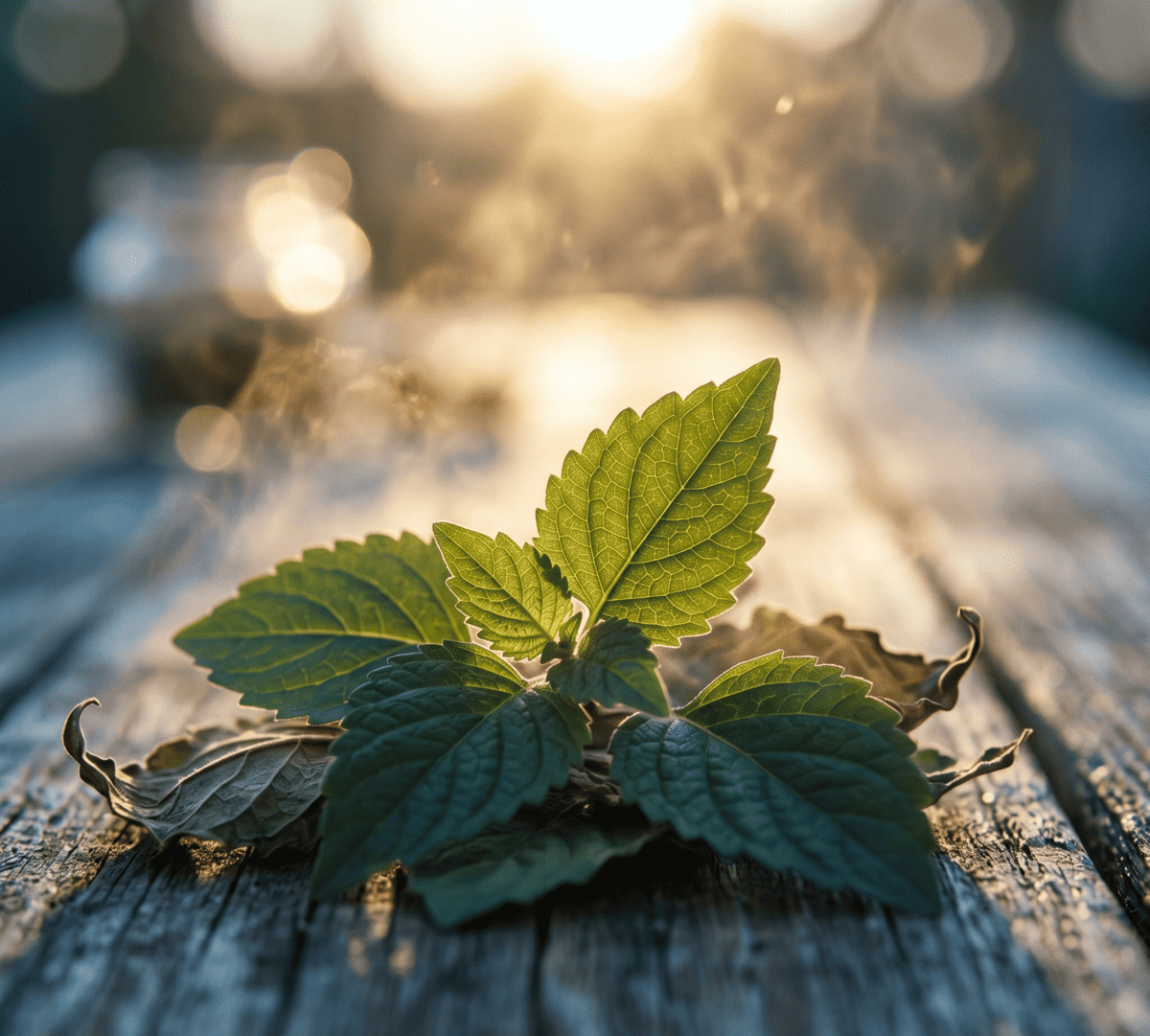
Today, patchouli is widely known as a fragrance, but it once carried strong symbolic associations with wealth.
Historically, merchants used patchouli leaves to protect valuable textiles during transport.
Because imported fabrics often arrived scented with patchouli, the aroma became linked with luxury and prosperity.
Over time, this connection influenced various folk traditions.
The herb’s distinctive scent made it memorable, and many people began associating it with financial success and abundance.
Its journey from trade routes to spiritual symbolism shows how cultural meanings can develop around ordinary plants.
7. Sweet Flag

Sweet flag has been valued in traditional practices across multiple cultures.
Its sword-shaped leaves and aromatic roots made it stand out from many other plants.
Some prosperity traditions connected the sweet flag with clear thinking, opportunity, and positive growth.
People occasionally placed the root in symbolic bundles or carried it as a reminder of their goals.
Its unusual appearance and pleasant fragrance contributed to its reputation.
Because it was not always commonly available, sweet flag often occupied a special place among herbs associated with success and advancement.
8. Costus Root

Costus root was highly valued in parts of the ancient world and appeared in trade networks stretching across continents.
Its rarity made it desirable, while its fragrance increased its appeal.
Some historical traditions linked the root with blessing, prosperity, and favorable fortune.
It was sometimes included in aromatic preparations used during important ceremonies.
Because obtaining costus often required long-distance travel and trade, it became associated with value and abundance.
Its story demonstrates how rare plants often acquired symbolic meanings connected to wealth and opportunity.
9. Angelica Root

Angelica root earned a reputation as a powerful protective herb in European folklore.
Beyond protection, it also became associated with blessings, good fortune, and positive outcomes.
Its tall growth and striking appearance helped distinguish it from surrounding plants.
Some traditions viewed angelica as a symbol of divine favor and guidance.
Because prosperity was often linked with protection and stability, the herb naturally became connected with abundance as well.
Its long history in herbal traditions contributed to its enduring reputation.
10. Saffron

Saffron is among the most expensive herbs in the world, and it has been treasured for thousands of years.
Harvesting saffron requires extraordinary effort, which helps explain its remarkable value.
Ancient cultures often associated it with wealth, luxury, and success. Its reputation continues to endure even today.
Its brilliant golden color further strengthened these symbolic connections.
Some traditions saw saffron as a representation of prosperity, achievement, and blessing.
Because only small amounts could command high prices, saffron became one of history’s most powerful botanical symbols of abundance and material success.

Sempre senti uma forte ligação com o Divino desde o meu nascimento. Como autora e mentora, a minha missão é ajudar os outros a encontrar o amor, a felicidade e a força interior nos momentos mais sombrios.