
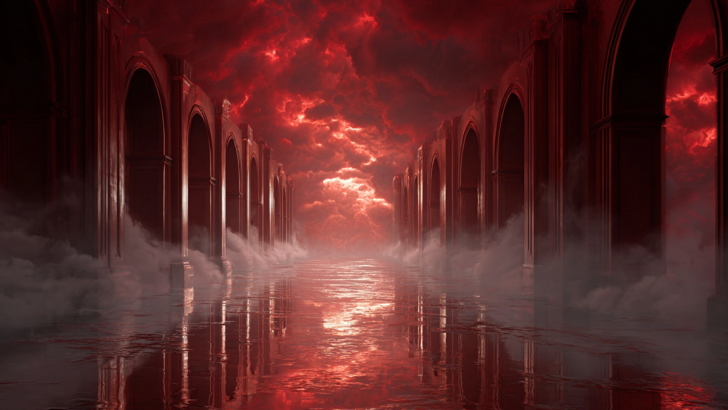
What happens after we die has captivated every culture, and the answers are as varied as they are riveting.
From shadowy underworlds to luminous realms of judgment or renewal, each mythology reveals what people valued most about life.
As you explore these ten visions, notice how courage, compassion, justice, and memory shape the road beyond. By the end, you might decide which destination sounds like the one you would choose.
1. Ancient Mesopotamian Underworld
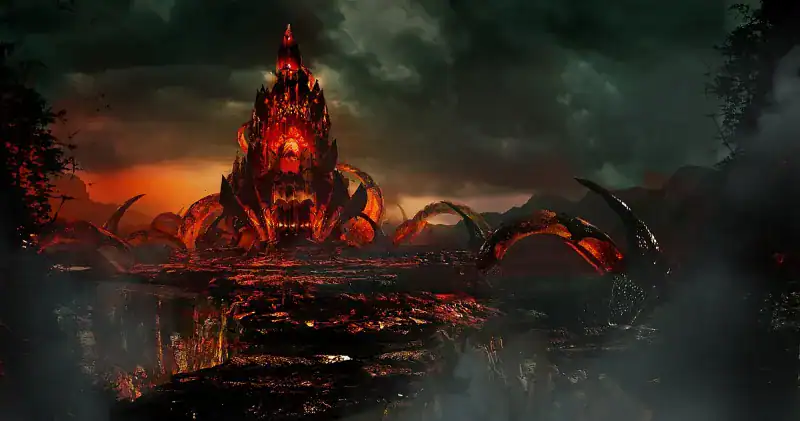
Picture a dim, dust laden realm beneath the earth, where silence hangs and everything feels muted. The Mesopotamian afterlife, called Kur or Irkalla, offers no reward or punishment. Souls eat dust, clothed in shadow, ruled by Ereshkigal, indifferent to earthly deeds.
You are not judged so much as simply admitted, which can feel unsettling yet oddly fair. No grand tests, no moral ledger, only a final leveling. It is bleak, yes, but it reminds you that memory among the living carries meaning.
2. Greek Underworld
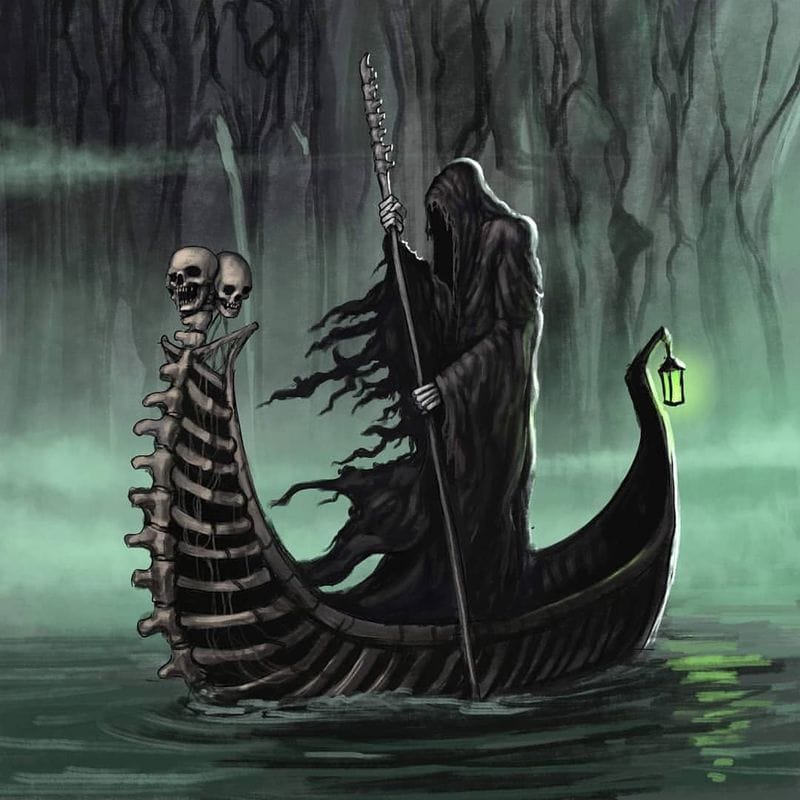
Step onto the riverbank, and you hear the lapping water of Styx as Charon waits for your coin. Past the gates, three paths branch: Elysium’s bright fields for the heroic, Asphodel’s soft plain for the many, and Tartarus’s abyss for the notorious. The afterlife matches the life.
You feel a reassuring logic: choices mattered, and destinies diverge. Elysium sounds tempting, with music, meadows, and camaraderie. If justice draws you, this map delivers both mercy and consequence, and the journey itself seals the lesson.
3. Norse Afterlife
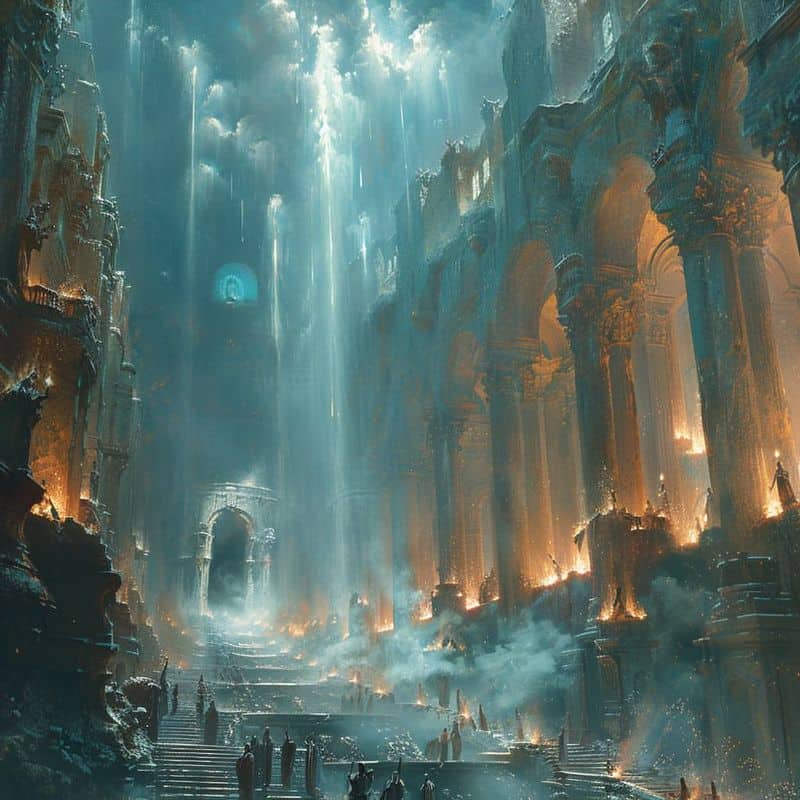
You hear the clatter of shields in Valhalla, where battle fallen heroes feast and train for Ragnarok. Some warriors join Freyja in Fólkvangr, open fields of honor, while the rest drift to Hel, a colder, quieter realm. Valor matters, and how you meet death determines your address.
If courage drives you, Valhalla sounds electric, a camaraderie of steel and song. Yet Hel offers reflection, a sober counterpoint to glory. This spectrum respects bravery without forgetting the ordinary dead.
4. Aztec Mictlan
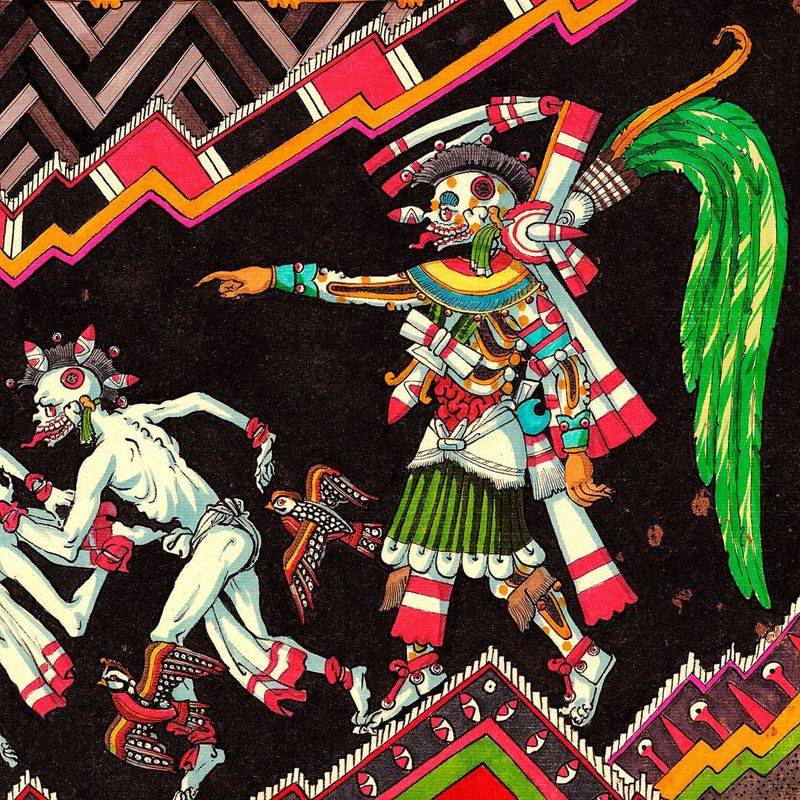
Imagine nine perilous levels, each trial sharpening resolve as you move deeper into Mictlan. Mountains crash, winds cut, rivers bite, and every crossing measures stamina and spirit. The destination is stillness, but the journey is the story.
You do not bargain with judges so much as prove endurance. If you respect grit and ritual, this path feels honest, honoring perseverance over perfection. Companions like a loyal dog help ferry you through challenges, suggesting that kindness in life pays off when the road grows dark.
5. Chinese Diyu
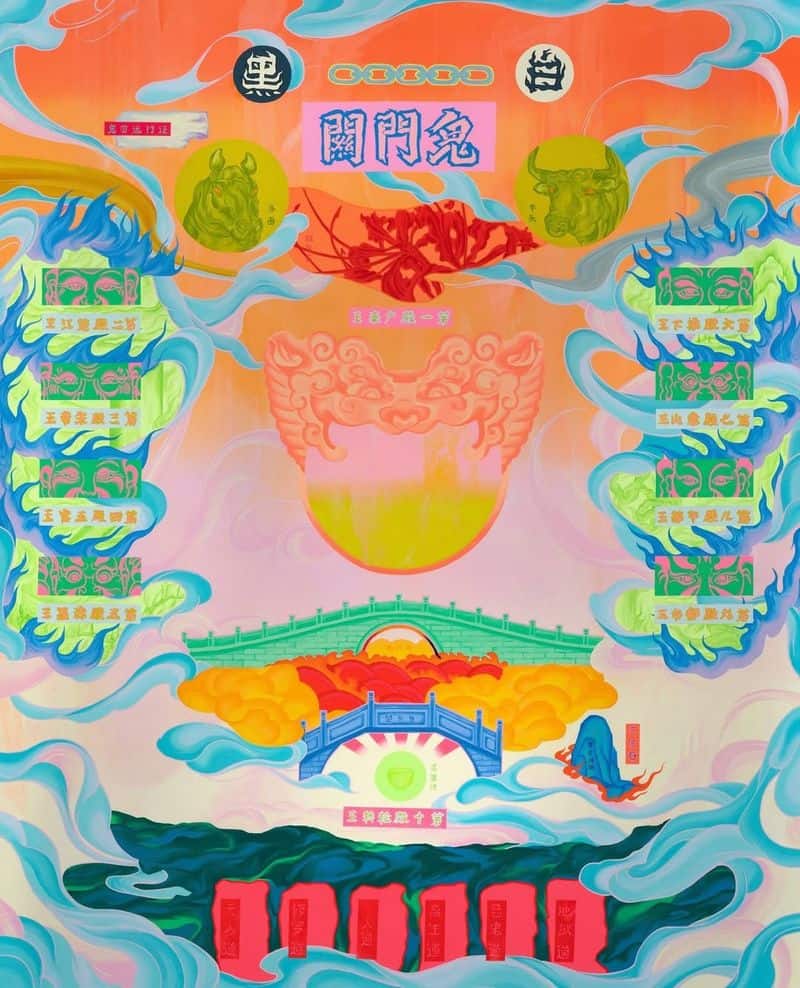
You enter Diyu and face ten courts where King Yama presides, unveiling deeds like pages in a ledger. Punishments refine rather than merely torment, carving away ignorance. After purification, reincarnation awaits, tailored to lessons unlearned or virtues earned.
If you crave moral clarity with a chance to improve, this system resonates. It balances justice, mercy, and growth, saying no one is fixed forever. The wheel turns, and you carry wisdom forward, which feels hopeful without being naive.
6. Finnic Tuonela
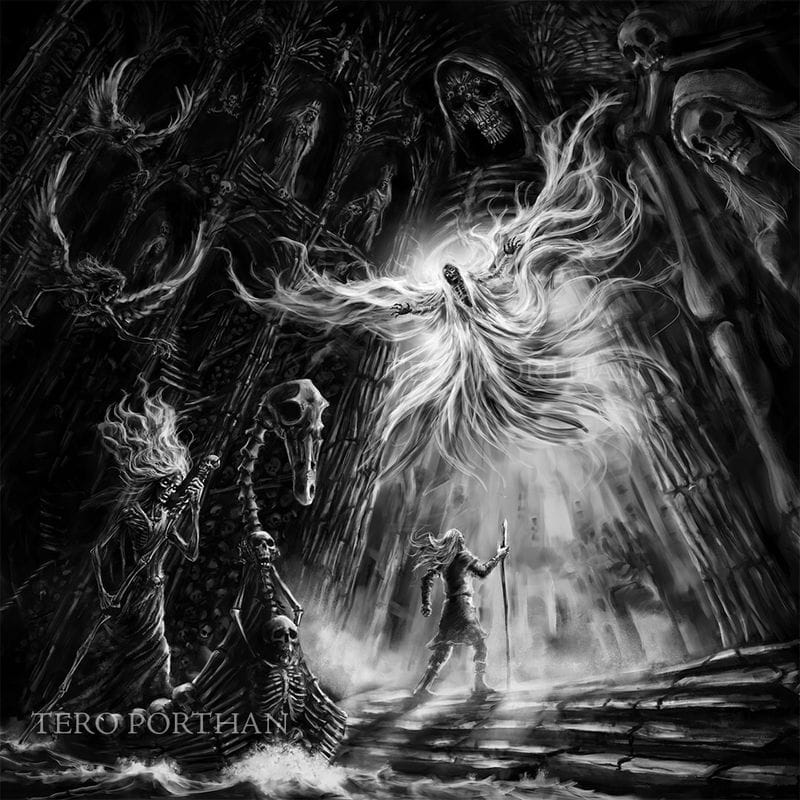
Tuonela lies across a dark river where swans glide silently and time seems asleep. The dead rest in a hush so deep it feels like winter pressed into eternity. Shamans can cross in trance, threading songs between worlds.
If you value calm and ancestral presence, Tuonela’s quiet might comfort you. It is not punishment, simply distance, a long exhale after life’s storms. You sense that memory, ritual, and song keep love warm across the water.
7. Tibetan Buddhism’s Bardo
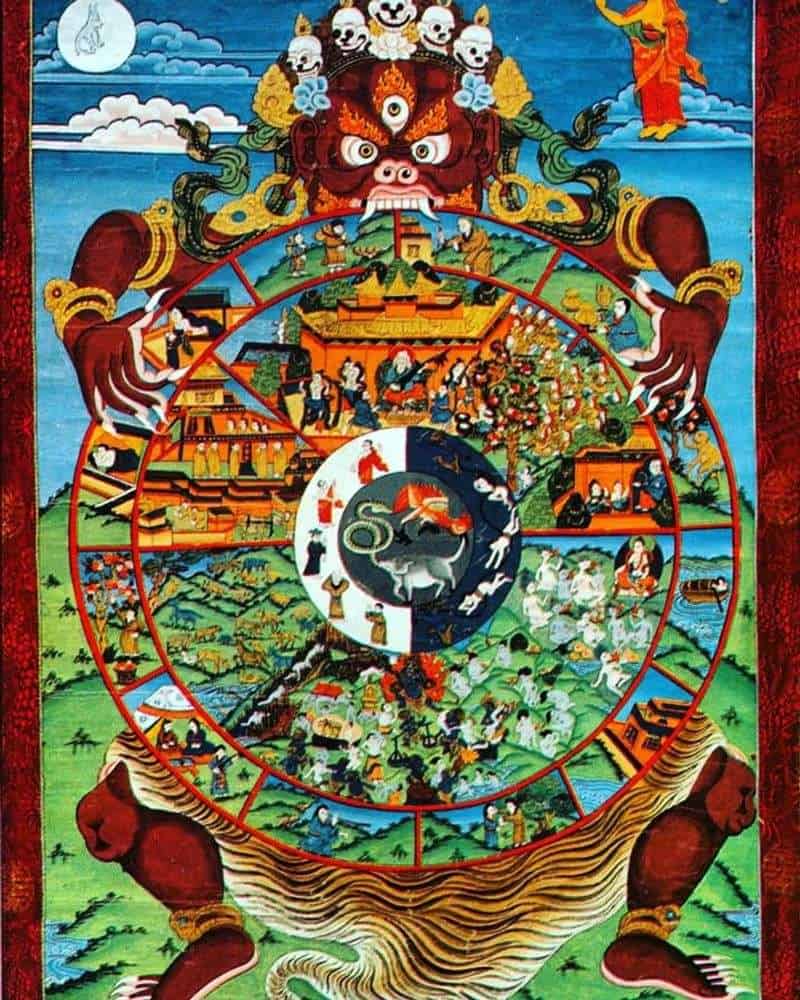
In the Bardo, everything you meet springs from mind, from radiant Buddhas to terrifying forms. Recognition is liberation, and fear dissolves if you remember your nature. Guidance texts whisper instructions, like signposts in lucid dreams.
If inner practice appeals, this path feels empowering. You are not at the mercy of a judge, only your clarity. The best outcome is awakening, sidestepping rebirth, though compassion may draw you back to help others find their way.
8. Baháʼí Faith’s Afterlife
Here, the afterlife is growth, a nearness to the divine that expands without end. Heaven and hell are distances, not places, measured by love and alignment. Progress continues beyond death, with service and learning still possible.
If you long for meaning without fear mongering, this vision feels gentle and profound. No gates slam, and no pits gape, only relationship maturing. You keep becoming, which sounds like hope with responsibility.
9. Zoroastrian Chinvat Bridge

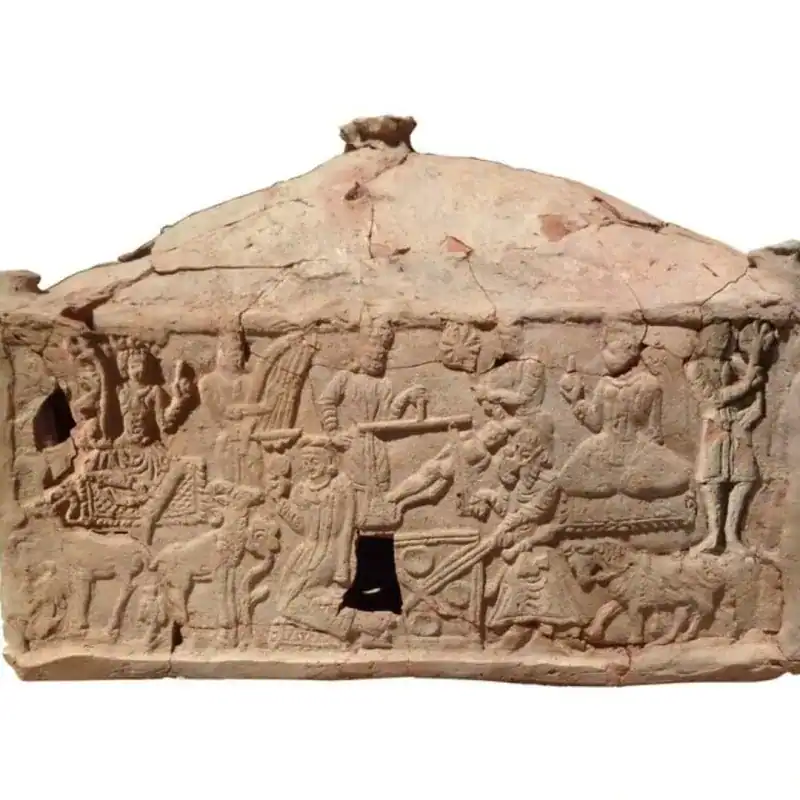
One bridge decides your passage, widening for the righteous, thinning to a blade for the harmful. Your deeds, thoughts, and words step onto the scale with you. Across the span lies a realm of light, while below churns a bitter abyss.
If moral clarity motivates you, the Chinvat Bridge feels bracing. Justice is immediate, and the cosmos answers choices in kind. The image is unforgettable, like a final exam written on wind and steel.
10. Maya’s Xibalba
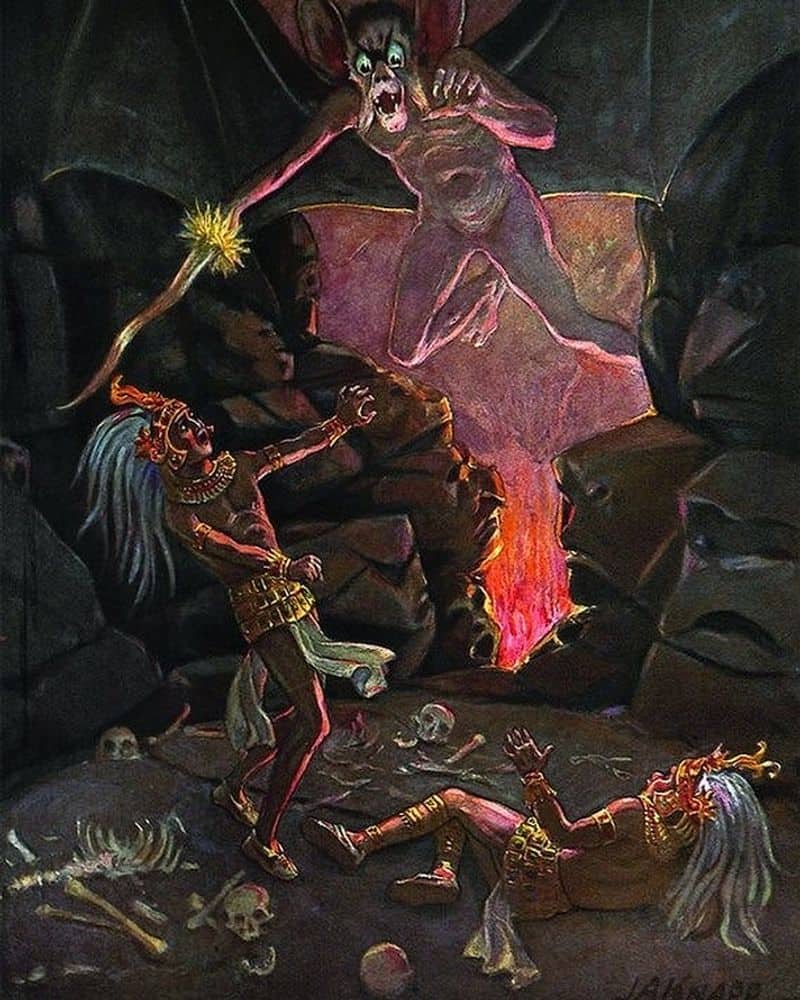
Down steep steps into Xibalba, trickster lords test courage with darkness, blades, and illusions. The trials expose weaknesses, but cleverness and heart can outwit doom. Heroes in the Popol Vuh turned the tables, proving death’s house can be navigated.
If you enjoy puzzles and resilience, this afterlife reads like an adventure. It is frightening, yes, yet oddly empowering, because wit matters as much as strength. Survival becomes a story you write under pressure.

Lover of good music, reading, astrology and making memories with friends and spreading positive vibes! 🎶✨I aim to inspire others to find meaning and purpose through a deeper understanding of the universe’s energies.