
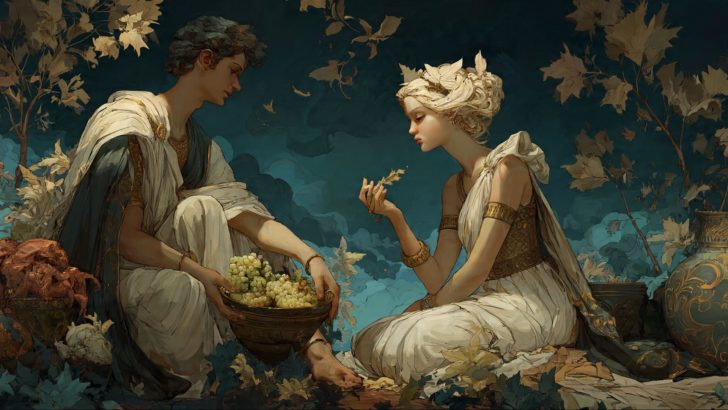
Greek gods are known for their very human-like behavior.
The myths present them as moody and impulsive, proud, impatient, and lustful, but they also have their good moments.
In some stories, they display unusual compassion and kindness to mortals.
Let’s go through some of the most noble deeds done by the gods!
1. Dionysus and Ariadne

Dionysus showed his kindness by blessing Ariadne, the princess who helped Theseus escape the Minotaur’s labyrinth.
After Theseus abandoned her on Naxos, Dionysus took her in. He married her and granted her immortality.
Such an act of love and mercy was rare among gods, who often acted selfishly.
His kindness saved Ariadne from a tragic fate and gave her a divine future.
With this deed, Dionysus displayed not only love but compassion; he saved someone in need, even when it wasn’t expected.
2. Hades and Orpheus

The god of the underworld, Hades, is so often portrayed as stern and unyielding. However, he showed unusual compassion to Orpheus.
When Orpheus begged for a chance to bring back his wife, Eurydice, Hades granted him permission to try.
It’s an act of mercy that not many would expect from the lord of the dead.
Although Orpheus’s curiosity took the better of him so he ultimately failed, Hade’s initial willingness to allow him to try reflected a surprising benevolence.
Even in the realm of the dead, there’s room for kindness.
3. The Nymphs and Perseus
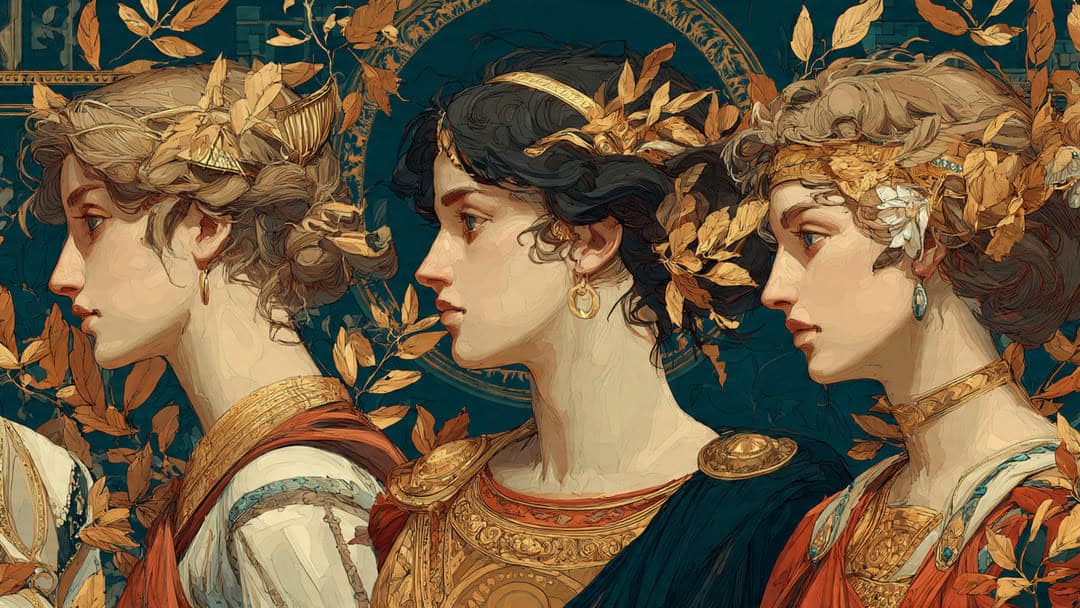
Perseus couldn’t have defeated Medusa without the help of the Stygian nymphs.
They were a mysterious group of women who resided in distant lands (they’re often called the Nymphs of the West).
It took Perseus some trouble to locate them, since only the three blind sisters, Graeae, could tell him where the nymphs could be found.
He had to steal the single eye and tooth the grotesque sisters shared between them to get the truth out.
The gods Hermes and Athena also gave him guidance, but ultimately, the graceful nymphs were the keepers of the divine tools.
They provided Perseus with three crucial items: the winged sandals, the bag, and the invisible helmet.
The items allowed him to stay unseen and to safely transport Medusa’s head.
4. Apollo and the Muses
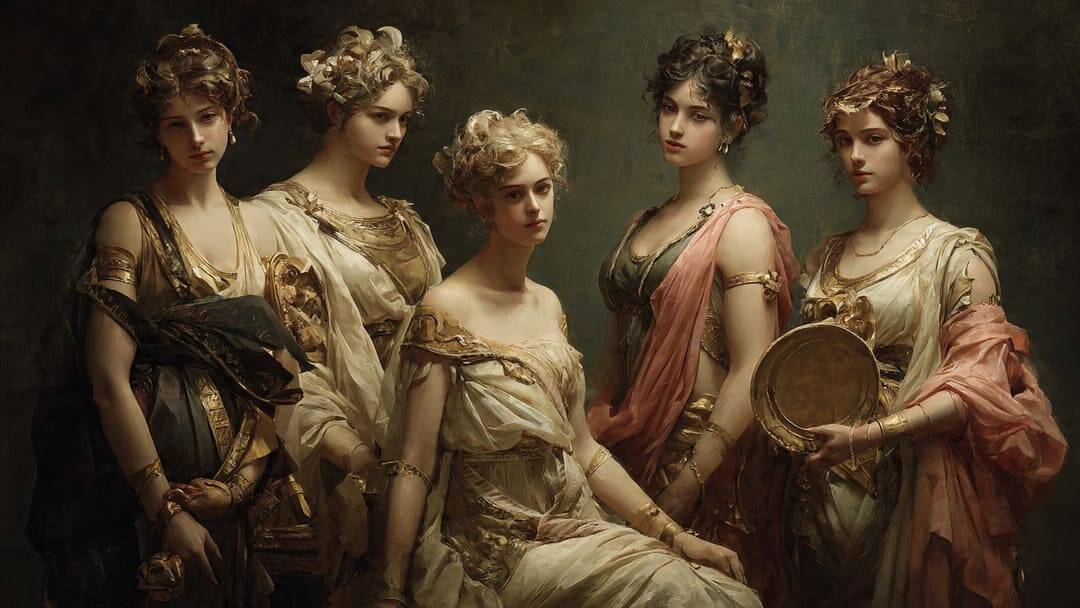
Apollo is a unique god in the Greek pantheon, since he was the only deity equally worshipped by all Greeks.
People from every city-state went on a pilgrimage to his temples, especially the one in Delphi. He’s the god of the sun, music, prophecy, and is often portrayed as the polar opposite of Dionysus.
Although not the father of muses (their parents were Zeus and Mnemosyne), Apollo was their leader. He brought harmony to their arts and blessed them with inspiration.
The nine sisters became the source of art, music, poetry, and inspiration across Greece.
Apollo’s blessing was a gift of cultural growth – a kindness that fostered the greatest achievements of civilization.
5. Aphrodite and Ino

Ino was a woman driven mad by her marido Athamas, who had already killed one of their sons, Learchus.
To get away from him, she grabbed their other son, Melicertes, and climbed the Molurian Rock near Megara.
Her madness gave her strength, and she was intent on jumping to her death into the sea and taking her son with her.
Aphrodite took pity on Ino and asked Poseidon to turn them into gods (this deed is sometimes attributed only to Poseidon).
Poseidon listened, and turned them both into dea deities; Ino became Leukothea, the protector of sailors, and Melicertes became Palaimon.
In Greek art, Palaimon is often presented riding a dolphin.
6. Demeter and Triptolemus
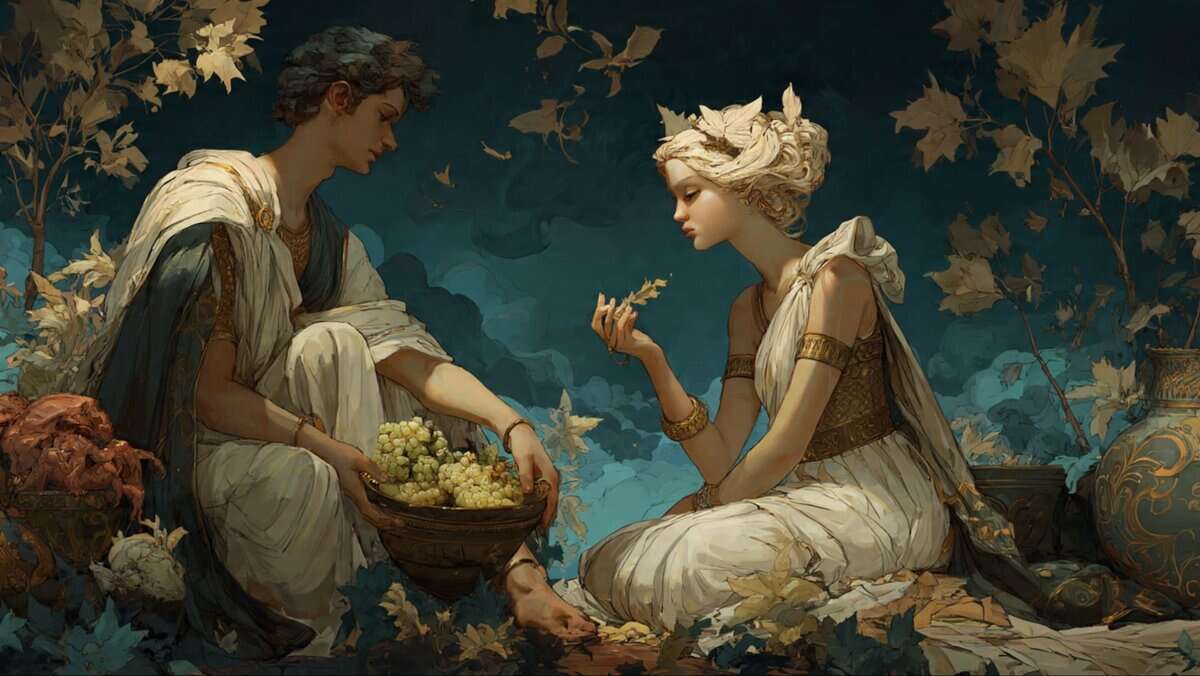
Demeter, the earth goddess of harvest and fertility, showed immense kindness to all of humanity by teaching Triptolemus the art of agriculture.
She blessed him with the knowledge of grain cultivation, and he passed it on, teaching the civilization to sustain itself.
This nurturing gift ensured the stability of mankind.
This myth reflects the moment when humans stopped living as hunter-gatherers and became farmers.
The gift of agriculture is a timeless symbol of divine generosity.

A little Aquarius, devoted to writing and embroidery. Through my writing, I hope to empower readers to align with their true selves and navigate life’s mysteries with confidence.