
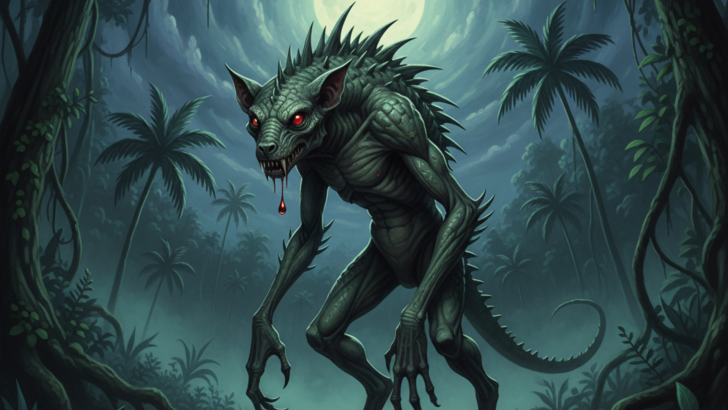
Every region has that one spooky creature that children whisper about, and adults pretend not to believe in.
In Latin America, especially Puerto Rico and parts of Mexico, that creature is El Chupacabra.
The name alone can make you picture glowing eyes, sharp fangs, a long tongue, and something sneaking around farms at night.
For decades, people have blamed it for drained livestock and strange tracks in the dirt. But is this creature truly a blood thirsty monster, or could something else be hiding behind the legend?
The story of El Chupacabra is full of mystery, fear, curiosity, and a surprising number of scientific theories.
Let us take a friendly walk through the legend and see what might be behind those famous nighttime scares.
The First Sightings and a Sudden Wave of Fear
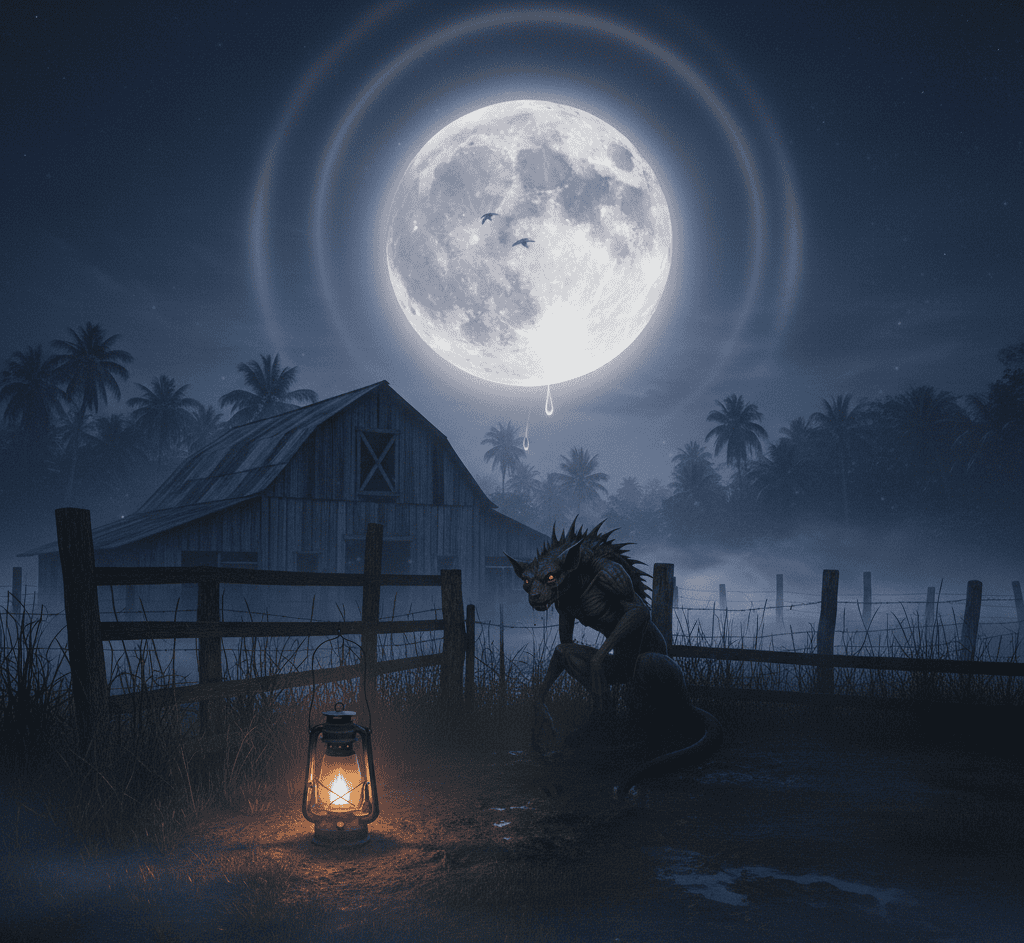
Many people trace the beginning of the Chupacabra story to Puerto Rico in the mid-1990s.
Farmers were waking up to find their goats, chickens, and even cattle lying still with small, round marks on their necks.
The animals looked as if the blood had been drained from them. This was something new, frightening, and hard to explain.
Rumors started spreading from farm to farm, and soon the entire island was buzzing with talk of a strange creature slipping through the trees at night.
Witnesses described it in different ways. Some claimed it stood upright like a hunched human with big red eyes and spines running down its back.
Others insisted it moved on all fours, almost like a hairless dog with glowing eyes. With every new sighting, the story grew bigger.
People shared what they saw with neighbors and reporters, and the creature slowly took shape in the public imagination.
The panic was not only about one creature. It was the feeling of something unknown touching everyday life.
Farmers worried about their animals. Parents worried about their children. Entire communities wondered what kind of creature could do something so strange without being caught.
The legend spread from Puerto Rico to the Dominican Republic, Chile, Mexico, and even parts of the southern United States.
In each place, the details shifted a little, but the basic idea stayed the same. Something out there was drinking the blood of livestock.
This fear filled the early years of the legend with a sense of suspense and excitement.
Creatures, Misidentifications, and Science
Once the first wave of panic settled, people started asking more grounded questions. What if the Chupacabra was not a new creature at all?
What if it were an animal that people were misidentifying because of fear, poor lighting, or simple confusion?
Scientists, veterinarians, and wildlife experts stepped in to study the strange reports and the remains of affected animals.
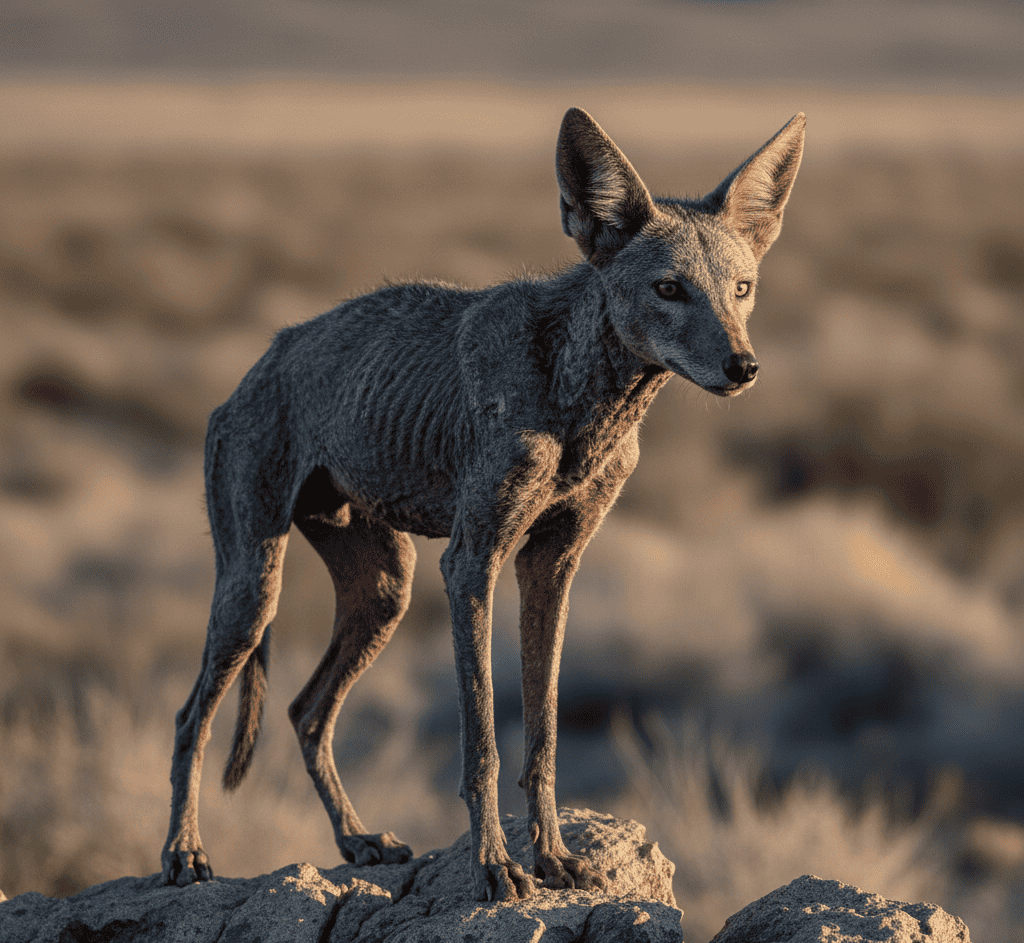
One popular explanation was that sick coyotes or wild dogs were being mistaken for something more supernatural.
When certain animals suffer from mange, a skin condition caused by mites, they lose hair and develop thick, gray skin.
This can make them look almost otherworldly. Their behavior can also change because mange leaves them weak, itchy, and desperate for food.
While some farmers described tiny punctures and no blood, veterinarians pointed out that many predators bite the neck of their prey in a way that looks clean, even though the cause is natural.
When animals die from shock or blood loss, it can look as though they were drained, even if the predator simply took a quick bite and left.
Science offered comforting answers, but these explanations did not satisfy everyone. Many people held on to the idea that something strange was happening.
After all, legends are not built on logic alone. They grow from the feelings of the people who live through them.
Culture, Storytelling, and the Power of the Unknown
The Chupacabra legend is much more than a story about a strange creature. It is a cultural symbol that reflects fears, hopes, and the natural love for a good mystery.
Every community adds its own twist to the tale. In Puerto Rico, the creature is often described as a spiny-backed alien-like figure.
In Mexico, it takes on a more canine form. In some places, people imagine it as a silent shadow. In others, it is loud and fast.
These differences show how flexible the legend is. People shape it based on their surroundings, beliefs, and personal experiences.
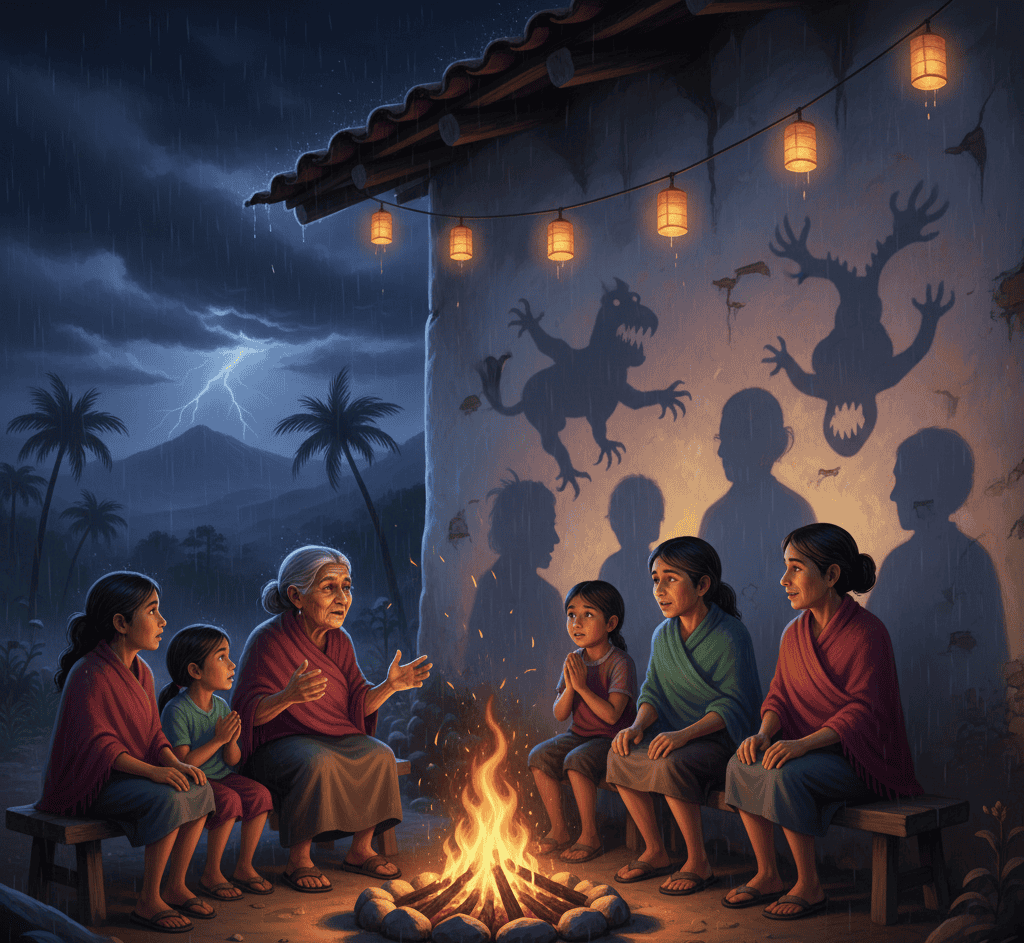
It becomes a character in local storytelling. Children tease each other with it during campfire nights. Grandparents bring it up during stormy evenings.
Farmers talk about it during long days in the field. The Chupacabra becomes part of everyday life, almost like a neighborhood ghost that everyone knows but no one has seen clearly.
The tale also reflects the relationship between humans and nature. When livestock is lost or strange tracks appear, it reminds people that the natural world is full of surprises.
The legend gives a face to those surprises. It turns fear into a story. Even if the creature itself never steps into the light, the idea of it becomes powerful.
This cultural power is what keeps the Chupacabra alive even when experts give logical explanations. People do not only want facts.
They enjoy mysteries. They enjoy the feeling that something strange might be hiding in the moonlit bushes, even if they hope it never jumps out at them.
Monster or Misunderstood Being?
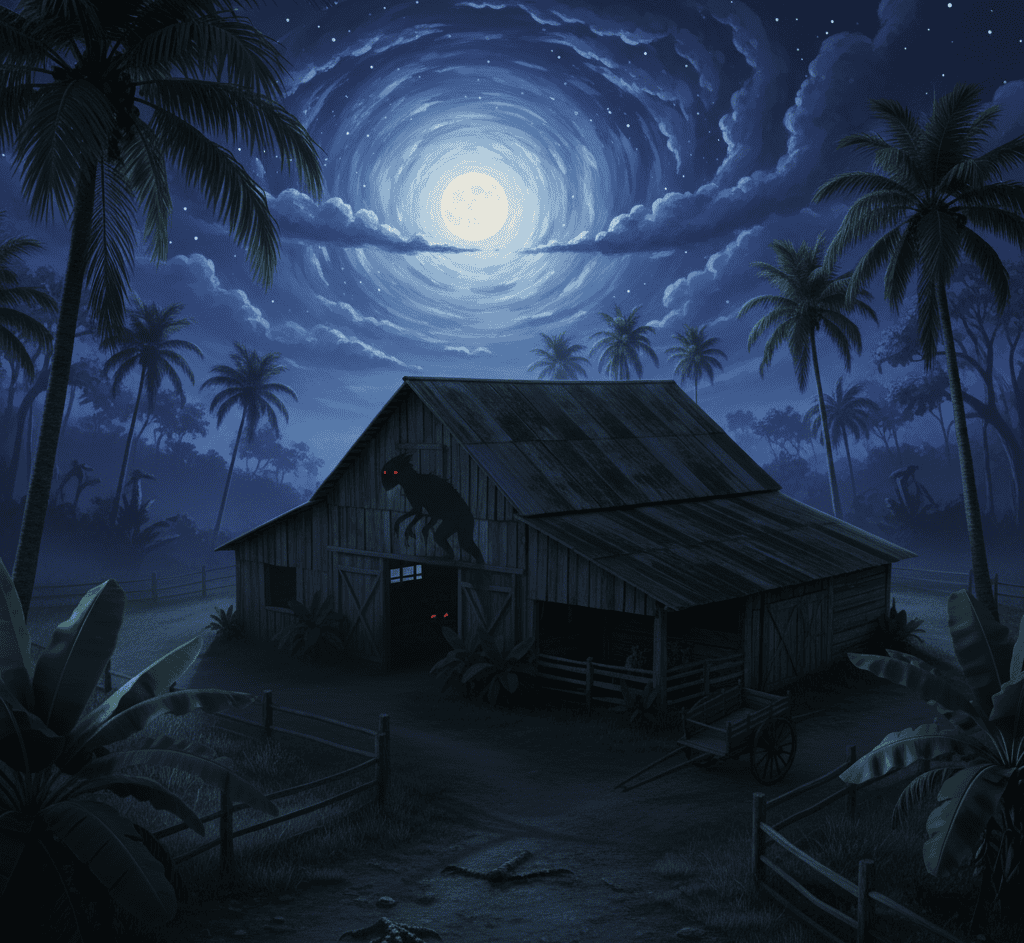
So is El Chupacabra a bloodsucking menace or simply a misunderstood creature caught in the spotlight of human imagination?
On one side, you have the frightening stories of drained animals and eerie shapes darting through the night.
On the other side, you have science offering grounded explanations. Sick animals, natural predators, and frightened witnesses can combine to create a powerful illusion.
Once the fear starts, every shadow becomes suspicious. Every strange sound feels threatening. The legend grows from simple misunderstandings.
There is also a softer way to view the creature. Some people like to imagine it as a shy and lonely being that wanders from place to place trying to survive.
In this view, the Chupacabra is not a monster. It is simply an animal pushed into human spaces by hunger or habitat changes.
It becomes a symbol of how little we know about the world around us and how quickly we jump to scary conclusions.
Whether you think it is a bloodsucker or a misunderstood wanderer, there is no denying that the tale of El Chupacabra continues to capture imaginations around the world.
It reminds us that the unknown can be both thrilling and comforting. As long as people love a good mystery, the creature will keep roaming through stories and the minds of anyone who hears its name whispered after dark.

Sempre senti uma forte ligação com o Divino desde o meu nascimento. Como autora e mentora, a minha missão é ajudar os outros a encontrar o amor, a felicidade e a força interior nos momentos mais sombrios.