
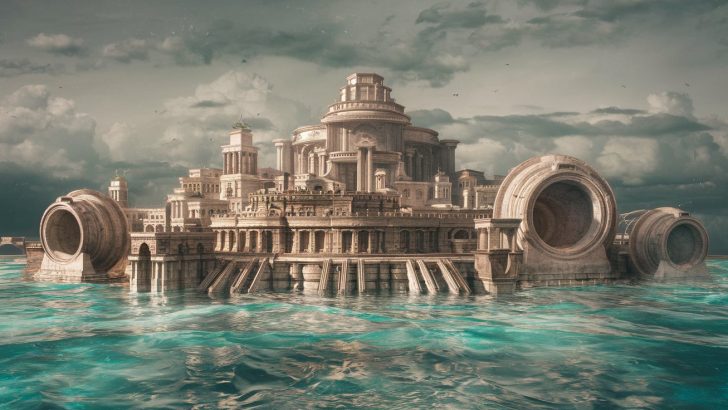
Throughout history, stories have been told about powerful kingdoms that disappeared without a clear trace.
Some of these places are described in ancient texts, myths, and legends, while others are based on real locations that were later lost or forgotten.
Over time, these stories have raised questions about whether these kingdoms truly existed or were simply imagined.
Archaeologists and historians continue to search for evidence, and in some cases, they have found clues that suggest these places may have been real.
These lost kingdoms remind us that history is not always complete and that many secrets may still be hidden. Here are eight lost kingdoms that might have been real.
1. Atlantis
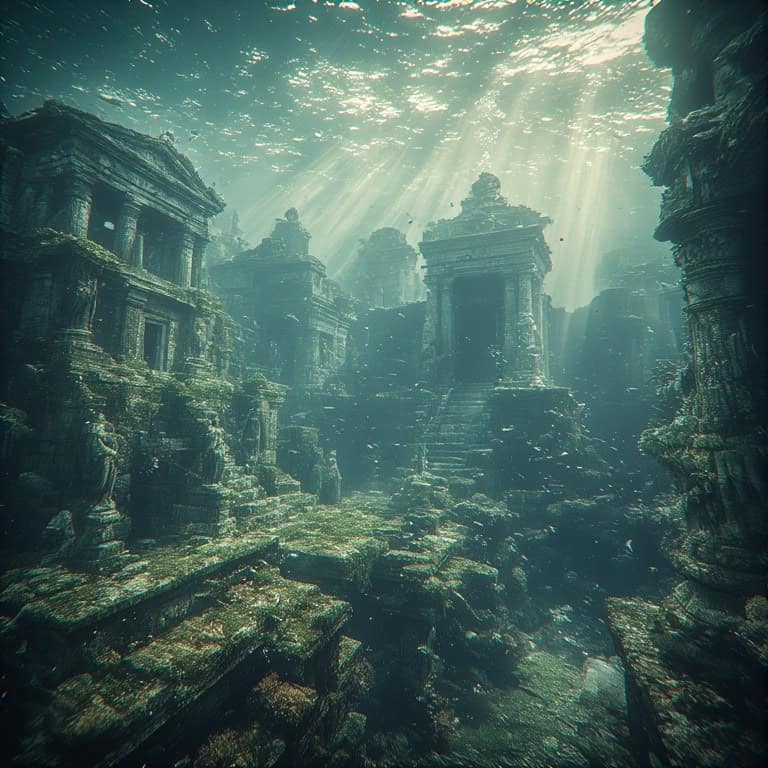
Atlantis is one of the most famous lost kingdoms ever described. The story comes from the ancient Greek philosopher Plato.
He wrote about a powerful and advanced island that sank into the ocean in a single day and night.
Atlantis was said to have great wealth, technology, and strong defenses. Some believe it was just a story meant to teach a lesson about pride and power.
Others think it could be based on a real place that was destroyed by a natural disaster, such as a flood or volcanic eruption.
Even today, people search for evidence of Atlantis, hoping to prove that this legendary kingdom once truly existed somewhere in the world.
2. El Dorado
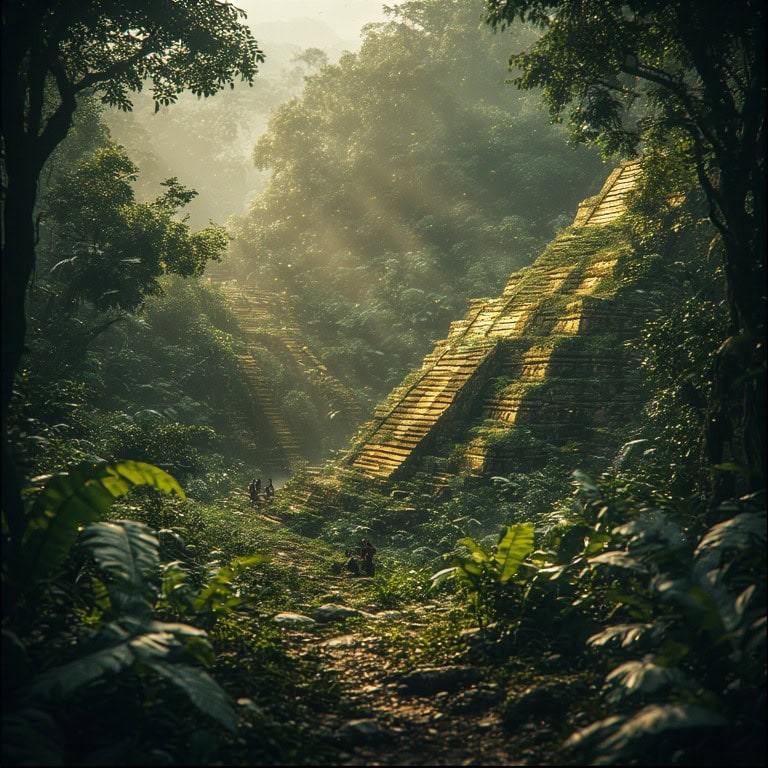
El Dorado was believed to be a city filled with gold and riches somewhere in South America.
Spanish explorers searched for it for many years, driven by stories of a king who covered himself in gold dust during ceremonies.
Over time, the story grew into a full kingdom of endless wealth. While no golden city has been found, historians believe the legend may be based on real traditions of indigenous people.
Some ceremonies did involve gold, which may have inspired the story. The search for El Dorado led to many dangerous journeys and discoveries.
Even though the exact place was never found, the legend continues to suggest that it may have started from a real culture or hidden location.
3. Lemuria
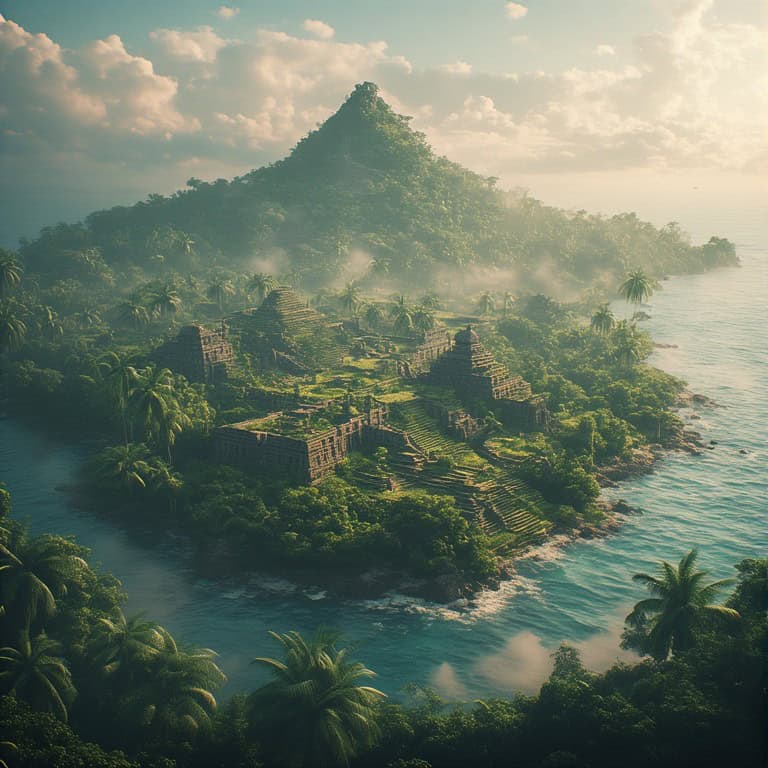
Lemuria is a mysterious lost land that was once thought to exist in the Indian Ocean. The idea began as a scientific theory to explain animal similarities between distant lands.
Over time, it turned into a story about an advanced and ancient civilization. Some believe Lemuria was home to a peaceful and highly developed society that disappeared long ago.
Others think it is purely fictional. While modern science no longer supports the original theory, the idea of Lemuria continues to appear in spiritual and historical discussions.
It remains one of the more unusual lost kingdoms, blending science, myth, and imagination into one lasting mystery.
4. The Kingdom of Kush
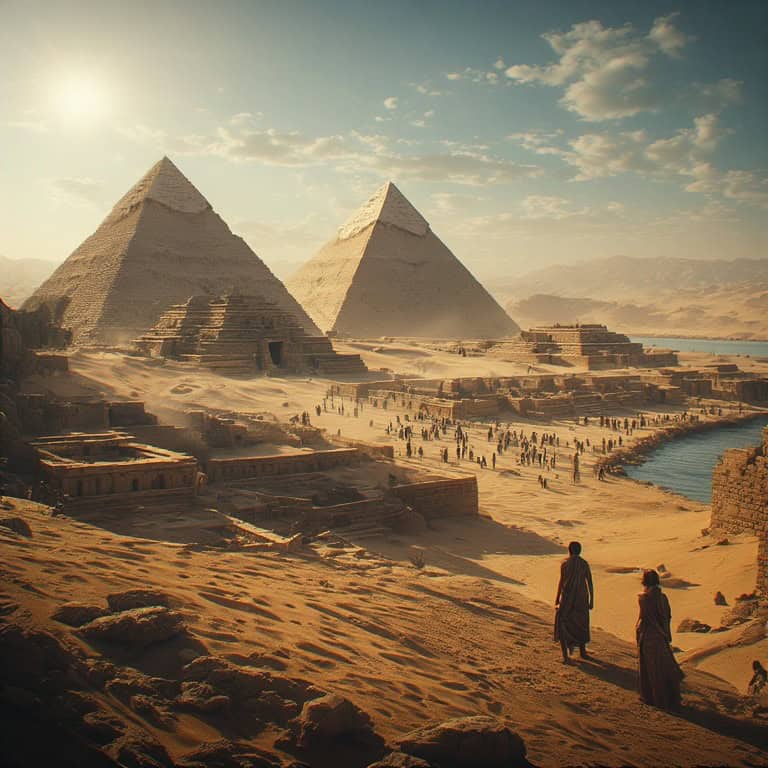
Kingdom of Kush was a powerful ancient kingdom located in what is now Sudan. It was known for its wealth, trade, and strong rulers.
While Kush is not entirely lost, much of its history remains unclear and was forgotten for many years. It had close connections with ancient Egypt and even ruled over it at one point.
Archaeologists have discovered pyramids and ruins that show how advanced this kingdom was. However, many details about its daily life, beliefs, and decline are still unknown.
Because of this, it is sometimes seen as a partially lost kingdom. Ongoing research continues to reveal new information, suggesting that Kush was even more important than once believed.
5. Lyonesse
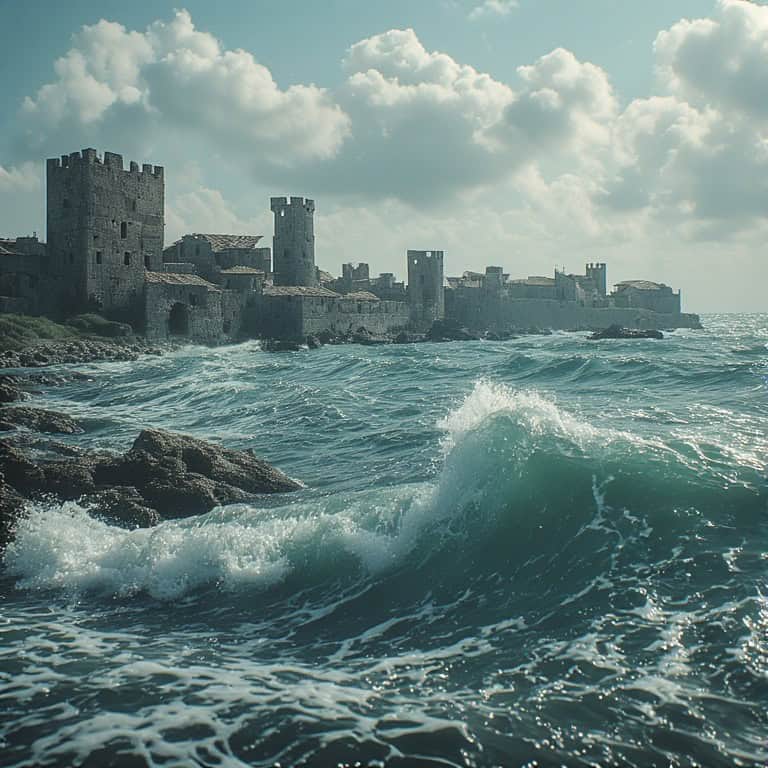
Lyonesse is said to have been a rich land located off the coast of England. According to legend, it was suddenly swallowed by the sea, leaving only a few survivors.
Lyonesse is often linked to stories of King Arthur and his knights. Some believe the story may be based on real flooding events that affected coastal areas long ago.
Changes in sea levels could have covered villages and lands, creating the legend over time. It may be a mix of real events and storytelling passed down through generations.
While there is no clear proof of Lyonesse, the idea of a land lost beneath the ocean continues to capture people’s imagination.
6. The Indus Valley Civilization
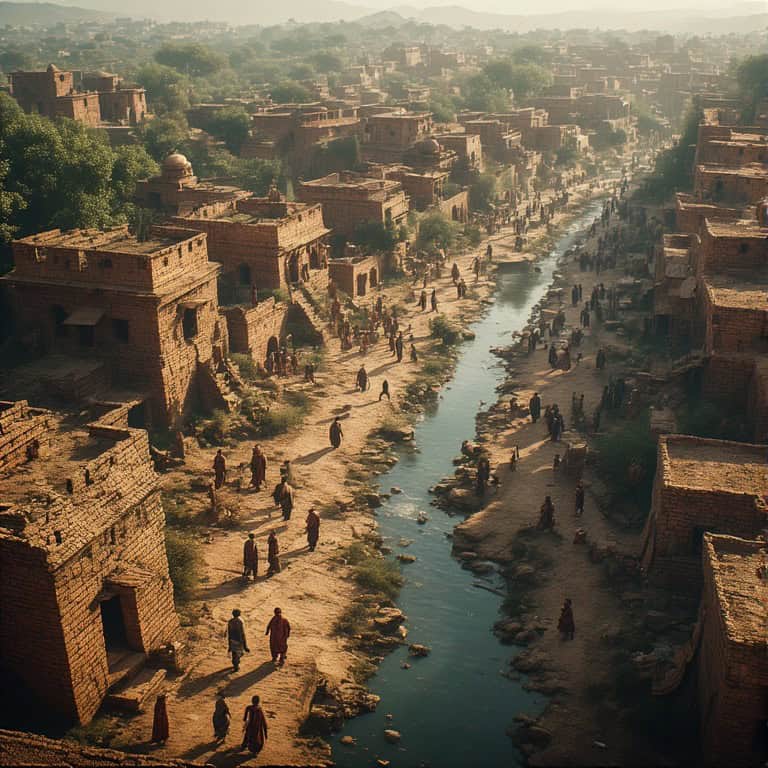
Indus Valley Civilization was one of the world’s earliest urban cultures. It included well-planned cities, advanced systems for water and sanitation, and strong trade networks.
Despite its success, the civilization declined and was largely forgotten for thousands of years. It was rediscovered in the 1900s through archaeological work.
Even now, many parts of its story remain unknown, including its language and the exact reason for its fall. Because so much is still a mystery, it is often seen as a lost kingdom.
Its rediscovery shows that entire civilizations can disappear and later be found again, changing our understanding of history.
7. Aztlán
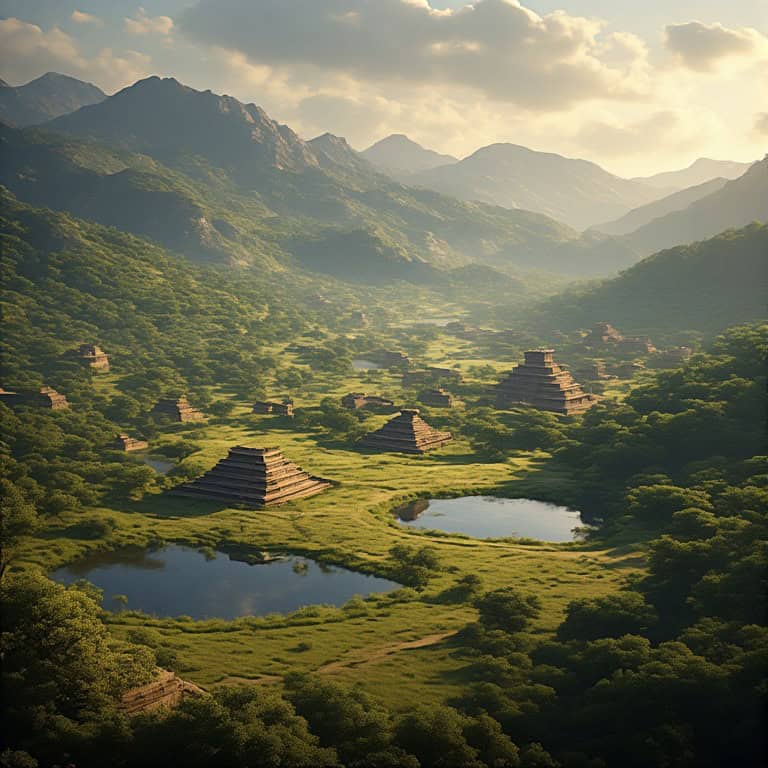
Aztlán is believed to be the original homeland of the Aztec people. According to their stories, they left Aztlán and traveled until they founded their great city.
The exact location of Aztlán is unknown, and no clear evidence has been found. Some believe it may have been a real place that was later abandoned or lost.
Others think it is symbolic, representing a spiritual beginning rather than a physical location. The mystery of Aztlán continues to interest historians and researchers.
It shows how history and belief can blend together, making it difficult to separate fact from legend.
8. Tartessos
Tartessos was an early civilization located in what is now southern Spain. Ancient Greek writers described it as a rich and advanced kingdom with strong trade connections.
However, after a certain point in history, Tartessos seems to disappear from records. Archaeologists have found some clues, but not enough to fully understand what happened.
Some believe it was destroyed by natural disasters, while others think it was slowly absorbed into other cultures.
Because of its sudden disappearance, Tartessos is often considered a lost kingdom. Its story remains incomplete, leaving room for new discoveries and continued mystery.

Sempre senti uma forte ligação com o Divino desde o meu nascimento. Como autora e mentora, a minha missão é ajudar os outros a encontrar o amor, a felicidade e a força interior nos momentos mais sombrios.