
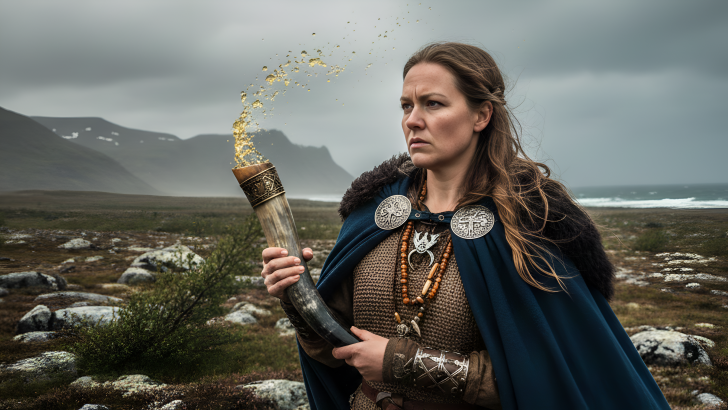
Norse mythology is filled with powerful objects created by gods, giants, and skilled dwarves. These magical items were not just tools or weapons.
They carried special abilities that shaped battles, protected the gods, and maintained order in the world.
Many of them symbolized strength, wisdom, protection, or the forces of nature.
The stories about these objects show how important craftsmanship, fate, and divine power were in Norse belief.
Each item had a purpose and often came with a story about sacrifice, trickery, or great skill.
Exploring these legendary objects helps us understand how the Norse people imagined power, responsibility, and the connection between magic and everyday survival.
1. Mjolnir, Thor’s Hammer
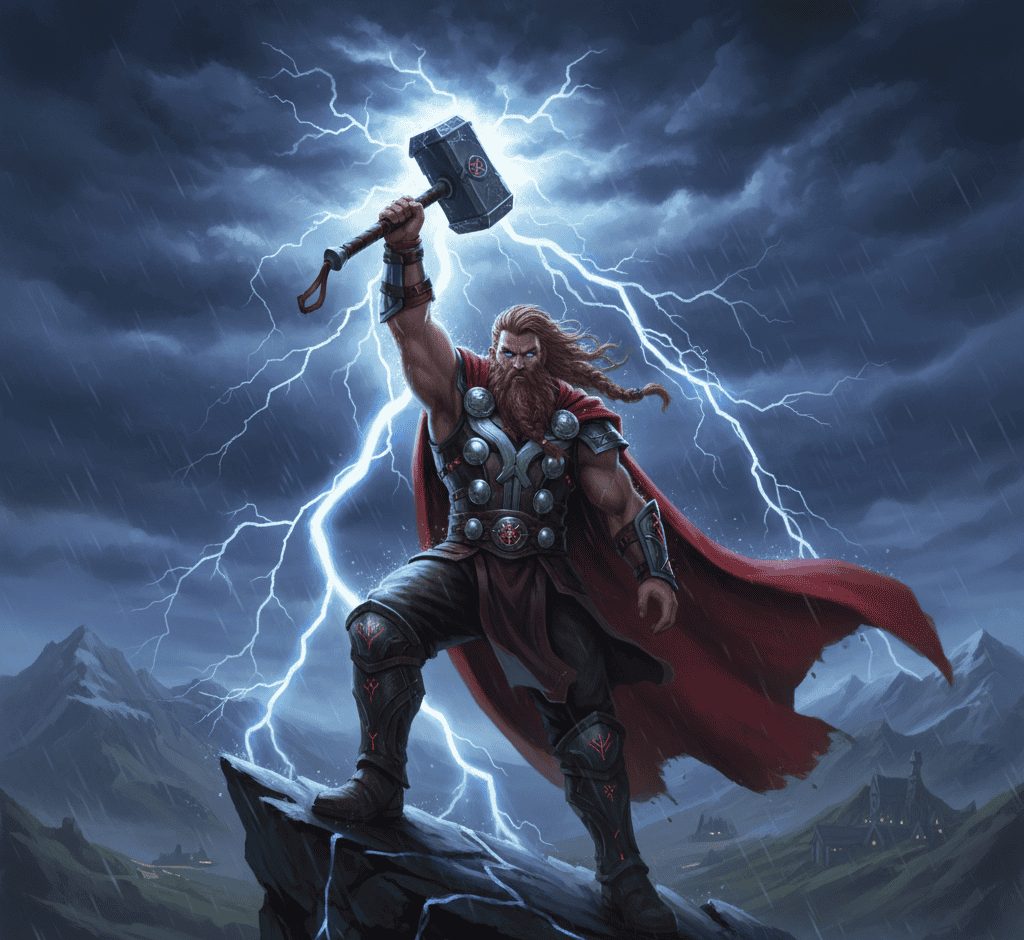
Mjolnir is one of the most famous objects in Norse mythology. This powerful hammer belonged to Thor, the god of thunder.
It was used to protect both the gods and humans from giants and other threats.
When thrown, Mjolnir always returned to Thor’s hand, making it a perfect weapon in battle.
It could also create thunder and lightning, showing Thor’s control over storms.
Beyond fighting, the hammer was used in blessings, weddings, and sacred ceremonies, symbolizing protection and strength.
Its short handle was the result of a mistake during its creation by dwarves. Even so, Mjolnir became a symbol of divine power, safety, and the defense of order against chaos.
2. Gungnir, Odin’s Spear
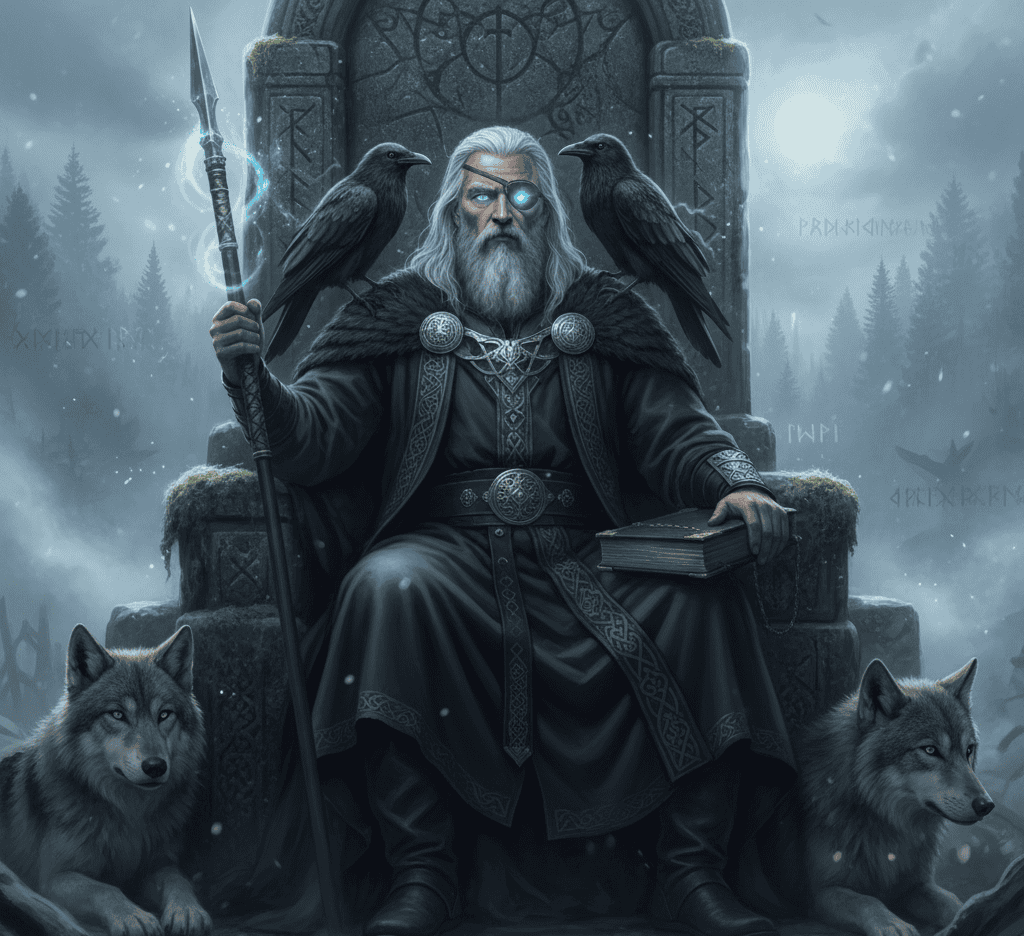
Gungnir was the powerful spear of Odin, the chief of the gods. It was crafted by skilled dwarves and was known for its perfect accuracy.
Once thrown, it would always hit its target and never fail in battle. This made it a symbol of authority, destiny, and divine judgment.
Odin often used Gungnir to begin wars, throwing it over enemy forces to dedicate the battle to himself.
In Norse culture, weapons were closely tied to honor and power, and Gungnir showed Odin’s role as a god of war and wisdom.
It reflected leadership, control, and the serious weight of decision.
3. Draupnir, the Golden Ring
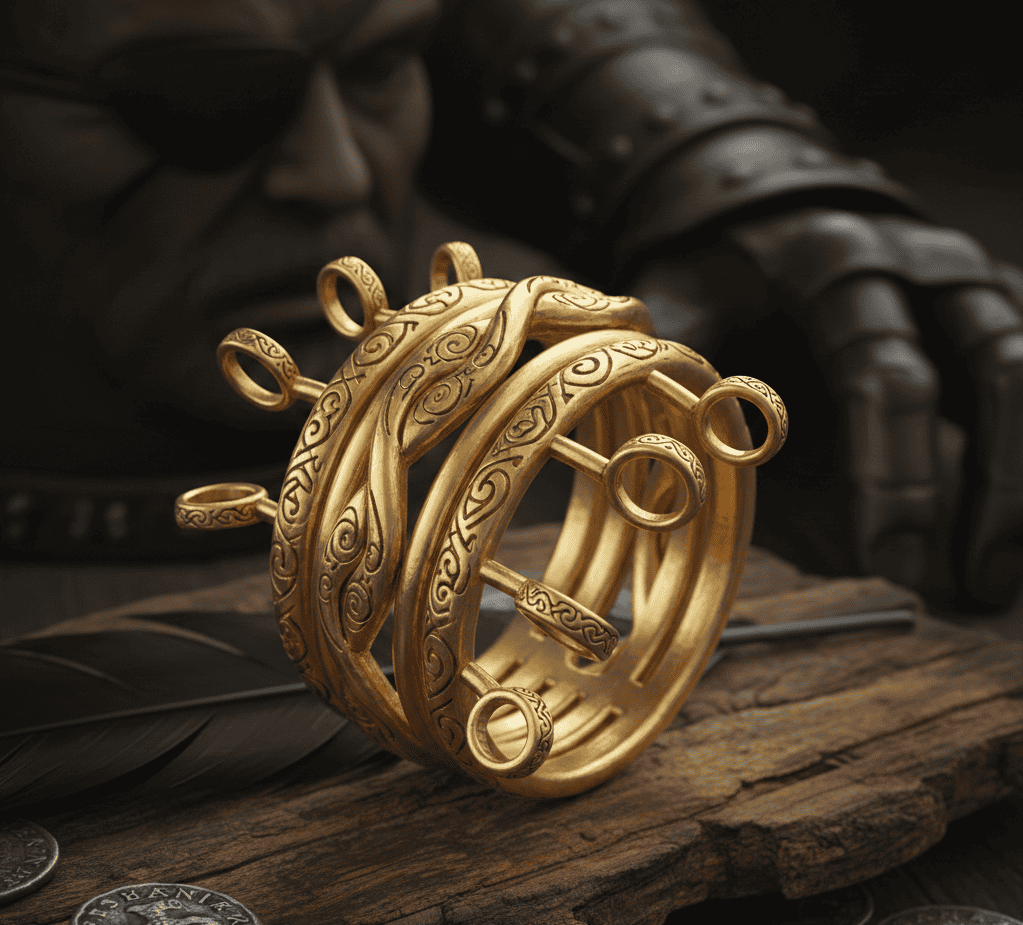
Draupnir was a magical golden ring owned by Odin. Its special power was the ability to create eight new rings every ninth night, each equal in weight and beauty to the original.
This made Draupnir a symbol of wealth, abundance, and endless prosperity.
The ring was crafted by dwarves and represented the idea that divine power could create lasting growth and renewal.
It was also placed on Balder’s funeral pyre, showing its connection to loyalty and remembrance. Draupnir reflected the importance of generosity and stability in leadership.
In a harsh world where resources were uncertain, the idea of endless wealth and renewal would have carried deep meaning and hope.
4. Skidbladnir, the Folding Ship
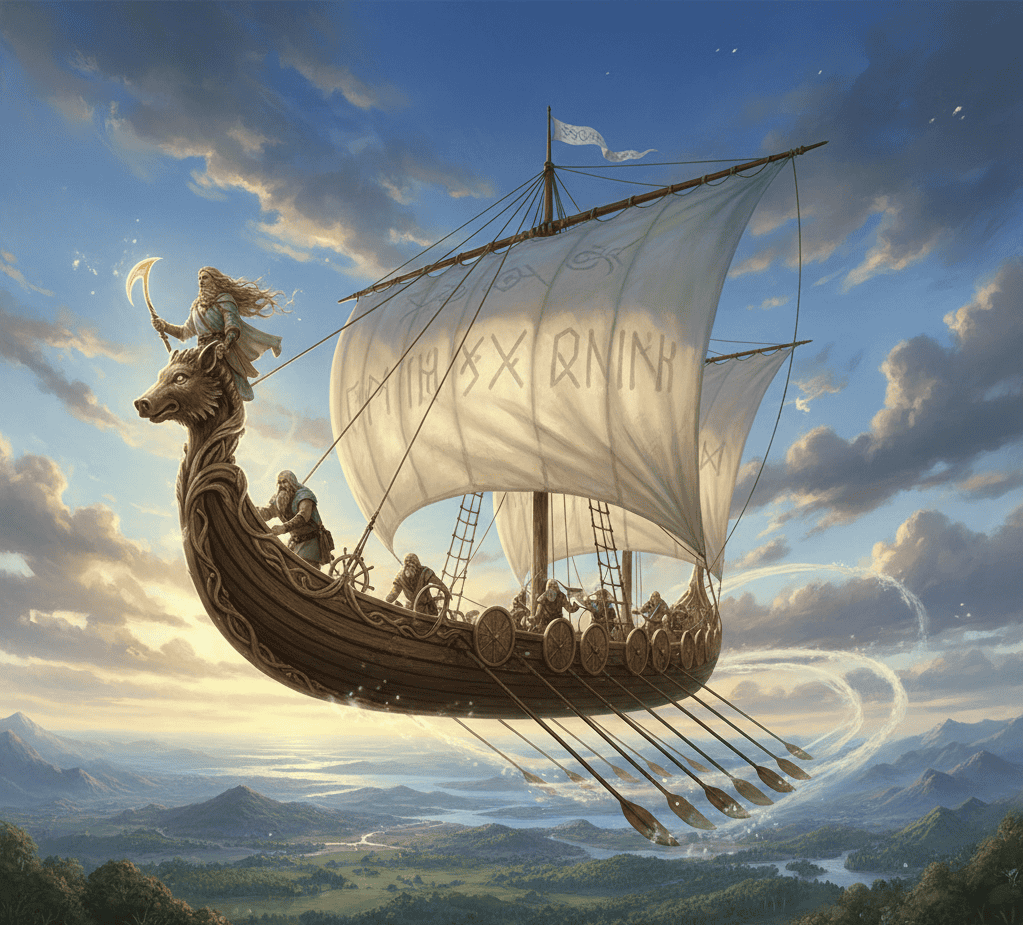
Skidbladnir was a magical ship owned by the god Freyr. It was created by dwarves and had the ability to always find favorable winds, ensuring safe and smooth travel.
No matter where it needed to go, the ship would reach its destination without trouble.
One of its most unusual features was that it could be folded up like cloth and carried in a small pouch when not in use.
This made it both practical and extraordinary. Skidbladnir symbolized safe journeys, trade, and exploration, all important parts of Norse life.
It reflected the importance of travel and the hope for protection during long and dangerous sea voyages.
5. Gullinbursti, the Golden Boar
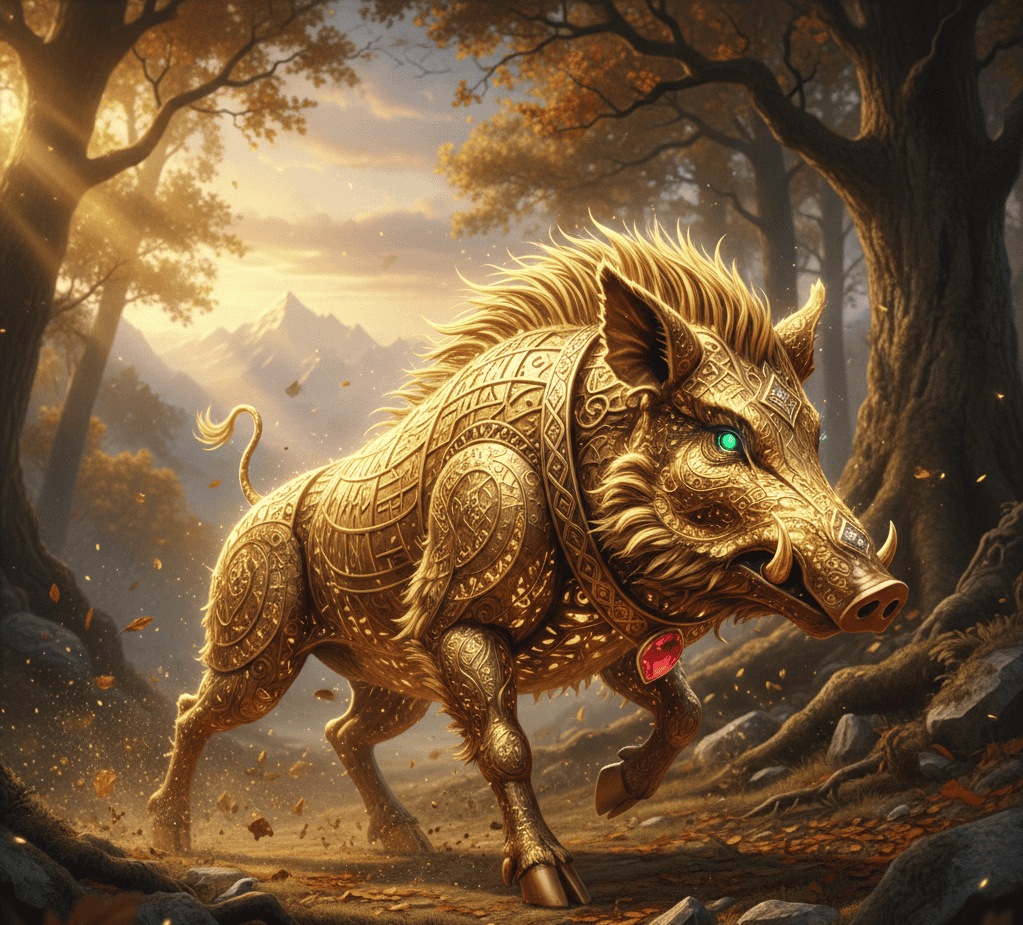
Gullinbursti was a magical boar created for the god Freyr by master dwarven craftsmen. Its golden bristles glowed in the dark, lighting the way wherever it traveled.
The boar could run faster than any horse, even through air and water, making it a powerful companion in both travel and battle.
Gullinbursti symbolized fertility, strength, and the life-giving power of the sun. In Norse culture, boars were also connected to protection and prosperity.
This magical creature showed how animals in mythology could represent natural forces and divine support.
It reflected the belief that strength and light could guide the gods and their followers through darkness and danger.
6. Gleipnir, the Impossible Chain

Gleipnir was the magical chain used to bind the dangerous wolf Fenrir. Unlike heavy iron chains, it looked soft and thin, almost like a ribbon.
However, it was made from impossible ingredients, including the sound of a cat’s footsteps and the roots of a mountain.
Because of this, Fenrir could not break it. Gleipnir symbolized cleverness and the power of intelligence over brute strength.
The gods knew that force alone would not control Fenrir, so they relied on skill and strategy.
This object shows an important lesson in Norse mythology: wisdom and creativity can succeed where physical power fails, especially when facing overwhelming danger.
7. Hofund, the Sword of Heimdall
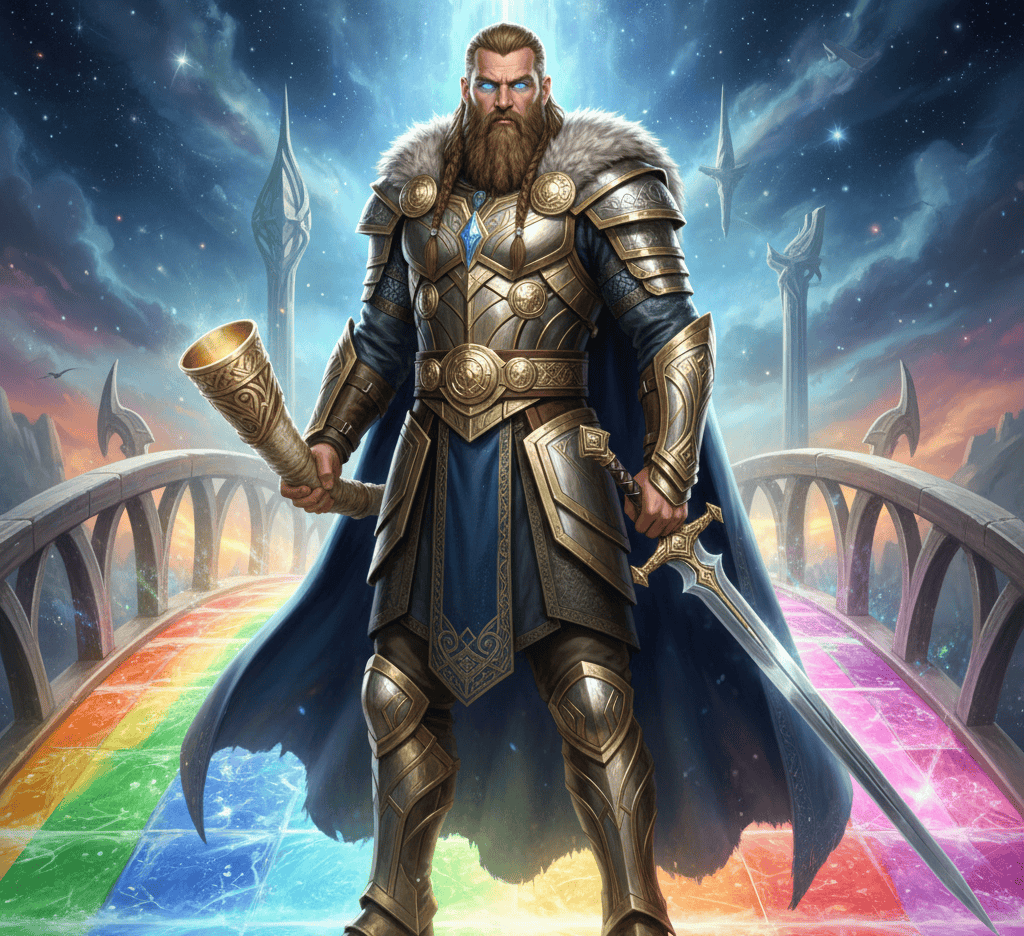
Hofund was the sword of Heimdall, the guardian of the rainbow bridge that connected the world of humans to the realm of the gods.
While not as famous as other weapons, it represented vigilance, protection, and readiness.
Heimdall was known for his sharp senses and constant watchfulness, and his sword reflected his duty to defend against approaching threats.
Hofund symbolized the importance of awareness and responsibility. In Norse belief, protection was not only about strength but also about attention and discipline.
The sword reminded people that guarding what is valuable requires patience, focus, and the willingness to act quickly when danger appears.
8. Sif’s Golden Hair
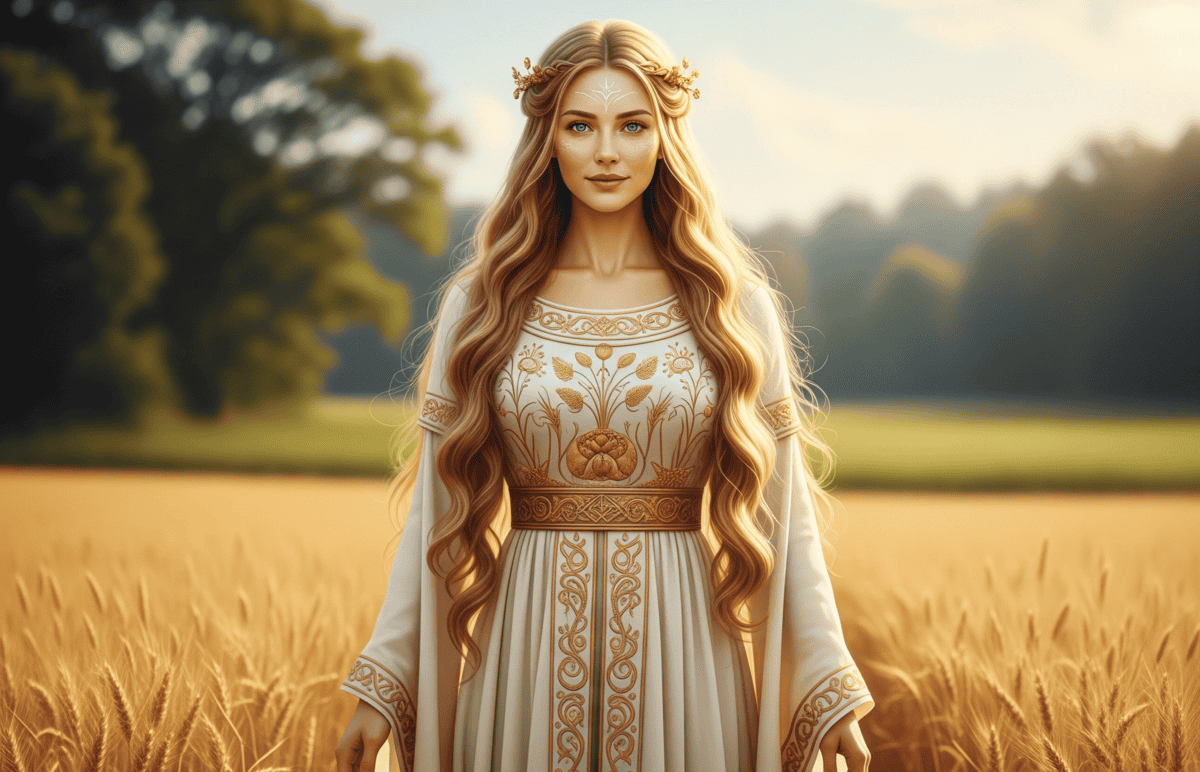
After the trickster Loki cut off the hair of Thor’s wife, Sif, the gods demanded that he fix his mistake. Loki persuaded dwarves to create new hair made of pure gold.
Once placed on Sif’s head, it grew like natural hair and shone brightly. This magical creation symbolized beauty, renewal, and the restoration of honor after wrongdoing.
It also represented the golden fields of grain, connecting Sif to fertility and the harvest.
The story shows how mistakes can be corrected through skill and effort. Sif’s golden hair reflects the Norse belief that balance and harmony should be restored whenever possible.
9. The Mead of Poetry
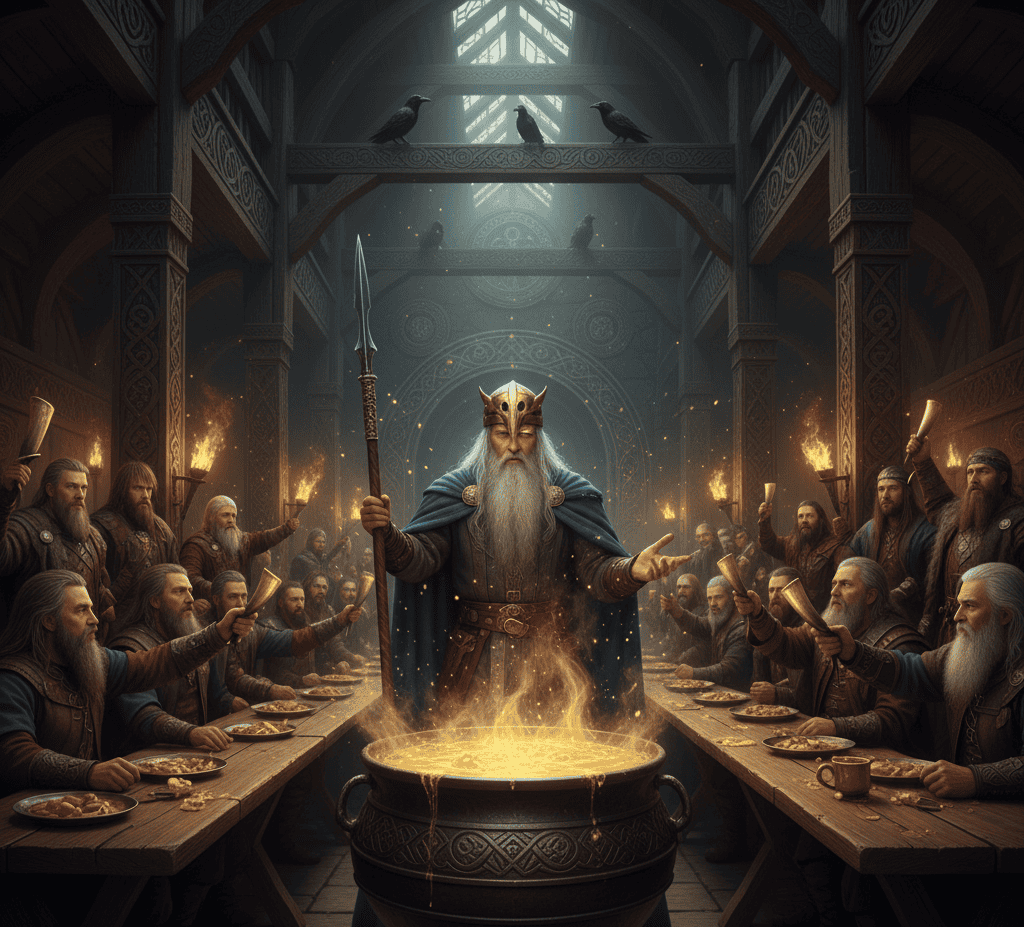
The Mead of Poetry was a magical drink created from the blood of a wise being named Kvasir. Anyone who drank it gained the gift of poetry, wisdom, and great knowledge.
The mead was highly valued and became the focus of a story involving theft, trickery, and Odin’s clever planning to obtain it.
This object symbolized inspiration, learning, and the power of words. In Norse culture, storytelling and poetry were essential for preserving history and honor.
The Mead of Poetry showed that wisdom was a treasure worth pursuing, even at great risk. It reflected the deep respect the Norse people had for knowledge, creativity, and expression.

Sempre senti uma forte ligação com o Divino desde o meu nascimento. Como autora e mentora, a minha missão é ajudar os outros a encontrar o amor, a felicidade e a força interior nos momentos mais sombrios.