
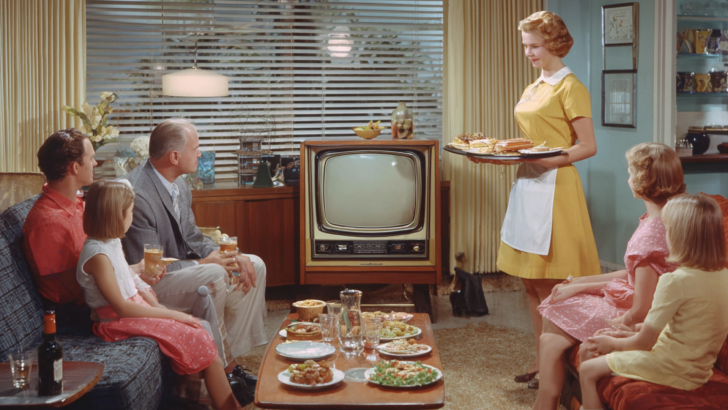
Every generation hears specific regras about relationships. Most of us learned these through our parents and grandparents, who thought that they were doing their best in helping couples maintain successful marriages.
Some of this advice continues to be valid today, but some of it originated from different social conditions than we experience today.
For instance, modern relationships tend to value equality, communication, and emotional awareness far more than partnerships did many years ago.
With changing times, couples have reevaluated what constitutes a healthy relationship. Here are 9 traditional pieces of marriage advice that many people are beginning to revise.
1. “Never Go To Bed Angry.”

Many couples argue. Partners need time to process a disagreement, so pushing for resolution later at night is a bad idea when both partners are tired and likely to be upset.
Currently, many relationship experts recommend stepping away from difficult situations when arguing and returning to them later once they’ve had a chance to “cool down” and collect their thoughts.
Typically, this strategy leads to being able to resolve the issue more easily the following day. Sometimes the best type of communication is taking a break rather than resolving the issue immediately.
2. “Stay Together No Matter What.”

Many people today believe that it is healthier to leave a toxic relationship than to stay because of a sense of obligation. Older generations often believed that marriage would last no matter what.
Modern views acknowledge that, and while commitment remains important, some relationships can become unhealthy or harmful.
Emotional safety, respect, and well-being are important factors to consider in any relationship. Therefore, it is important for both partners in a marriage to support and value each other, as commitment does not mean tolerating continuous harm or disrespect.
3. “The Man Should Always Be The Provider.”

Finances have traditionally been mostly the obligation of men. Men were the primary income earners, while women managed the home.
Today, many couples combine efforts to create financial support for their families, such as by sharing income, having both partners work, and contributing to the family in other ways.
Couples now have the opportunity to create partnerships that utilize both of their individual skills and values instead of adhering to traditional roles.
4. “Don’t Talk About Problems Outside The Marriage.”

Previously, many couples avoided talking to anyone other than their partner if they were struggling in their relationship; this was due to a belief that this would risk their privacy.
Nowadays, many people believe that getting help from family or friends will sometimes help the couple through their hard times. Regardless of who you are speaking to for advice, this can help you to relieve your stress level and to communicate in a healthier way.
Talking to someone for help or advice does not necessarily jeopardize the relationship. In many cases, it is much more beneficial to seek assistance from someone outside of the couple’s relationship, because this can assist the couple in resolving the issues they are experiencing.
5. “Keep Your Feelings To Yourself.”

Old advice advised emotional control, especially in conflict. People learned to hide feelings and/or needs.
Today, emotional honesty helps build intimacy in relationships; people who share their feelings build better trust and understand each other.
Healthy communication means expressing concerns politely rather than keeping them in; bottling emotions up leads to hurt/resentment over time.
6. “Marriage Means Sacrificing Your Dreams.”

Past cultural beliefs stated that people’s ambition could not continue after marriage. Today, many couples think both should keep trying to achieve their goals.
When you support each other’s development, you develop a stronger marriage. Your individual fulfillment does not reduce commitment to your spouse but allows you to contribute greatly to your spouse and to the marriage through the energy and confidence you possess.
The marriage should support your dreams.
7. “Jealousy Means Love.”

Jealousy was historically regarded as a sign of loving romance, but now it is seen as insecurity or being possessive.
Having a healthy relationship is based on trusting one another instead of being suspicious of one another. Building a stronger relationship will be accomplished by respecting each other’s independence.
Although it is normal to have occasional insecurities, if you have persistent jealousy in your relationship, it can create an unhealthy emotional environment. Trust is one of the most important elements of a healthy and stable relationship.
8. “You Should Change For Your Partner.”

In the past, it was common for one partner to make adjustments in their personality and/or behavior in order to accommodate the other partner.
Today, many couples focus on growing together (as opposed to forcing one another to change) while allowing the other partner to maintain his/her identity, and they support the other partner in improving their personal identity.
Respecting the uniqueness of each partner will help them remain true to themselves and their relationships. Changes made because of one’s desire to make changes tend to be healthier than changes made because of pressure from a partner.
9. “Long Marriages Are Always Happy.”
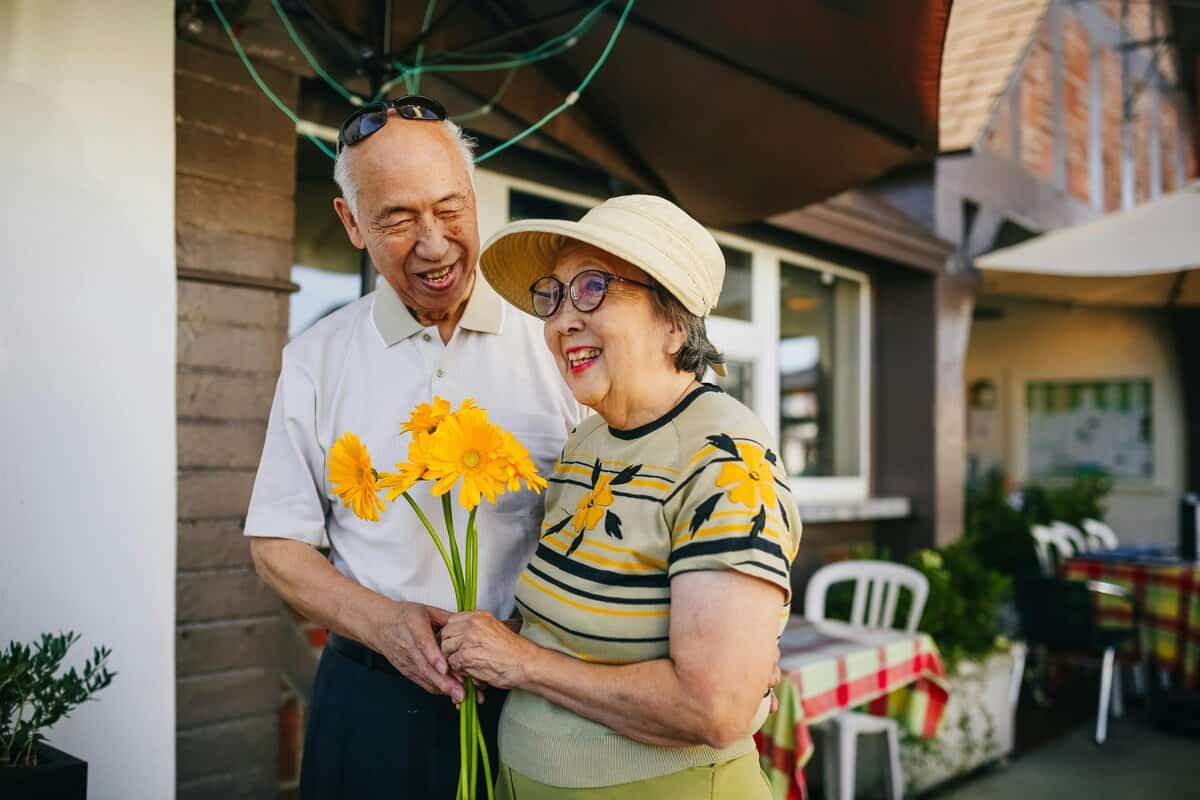
The previous generations thought that long-term relationships resulted in happiness and success. In fact, the length of a relationship does not represent the quality of a relationship, and numerous couples only stayed married due to social pressure and no other option.
Presently, couples focus on the quality of their relationship as opposed to how long they have been together. Respect, communication, and emotional safety are important aspects of a healthy marriage.
Modern-day couples tend to measure their success by how close a bond they have with their partner rather than the total number of years they have been married.

Born and raised in Bosnia and Herzegovina. Ever since I was a little girl, my imagination knew no bounds. I remember vividly how I’d scribble down short stories, each page bursting with adventures and characters conjured up from the whimsy of my mind. These stories weren’t just for me; they were my way of connecting with my friends, offering them a slice of my fantasy world during our playtimes. The joy and excitement on their faces as we dived into my fictional realms motivated me to keep writing. This early passion for storytelling naturally evolved into my pursuit of writing, turning a childhood hobby into a fulfilling career.