
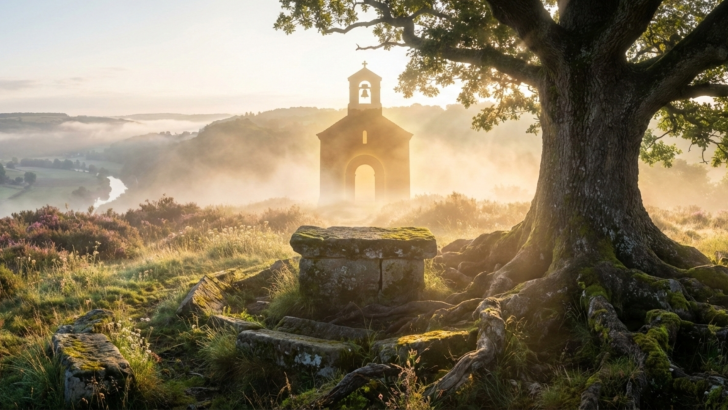
Across Europe, many medieval churches stand on land that was considered sacred long before Christianity arrived.
At first glance, these stone buildings seem purely Christian, shaped by crosses, bells, and carved saints. But beneath their floors and within their foundations lies a much older story.
Long before churches rose toward the sky, these same places were used for pagan worship. People gathered there to honor nature, seasonal cycles, local gods, and ancestral spirits.
When Christianity spread across Europe, it did not erase these sacred places. Instead, it often claimed them.
Churches were built directly over pagan temples, shrines, and ritual grounds. This was not accidental. It was a powerful choice that shaped faith, culture, and memory for centuries.
Understanding why medieval churches were built over pagan sites helps us see how belief systems change, overlap, and quietly survive through time.
Why Pagan Sacred Sites Were Chosen
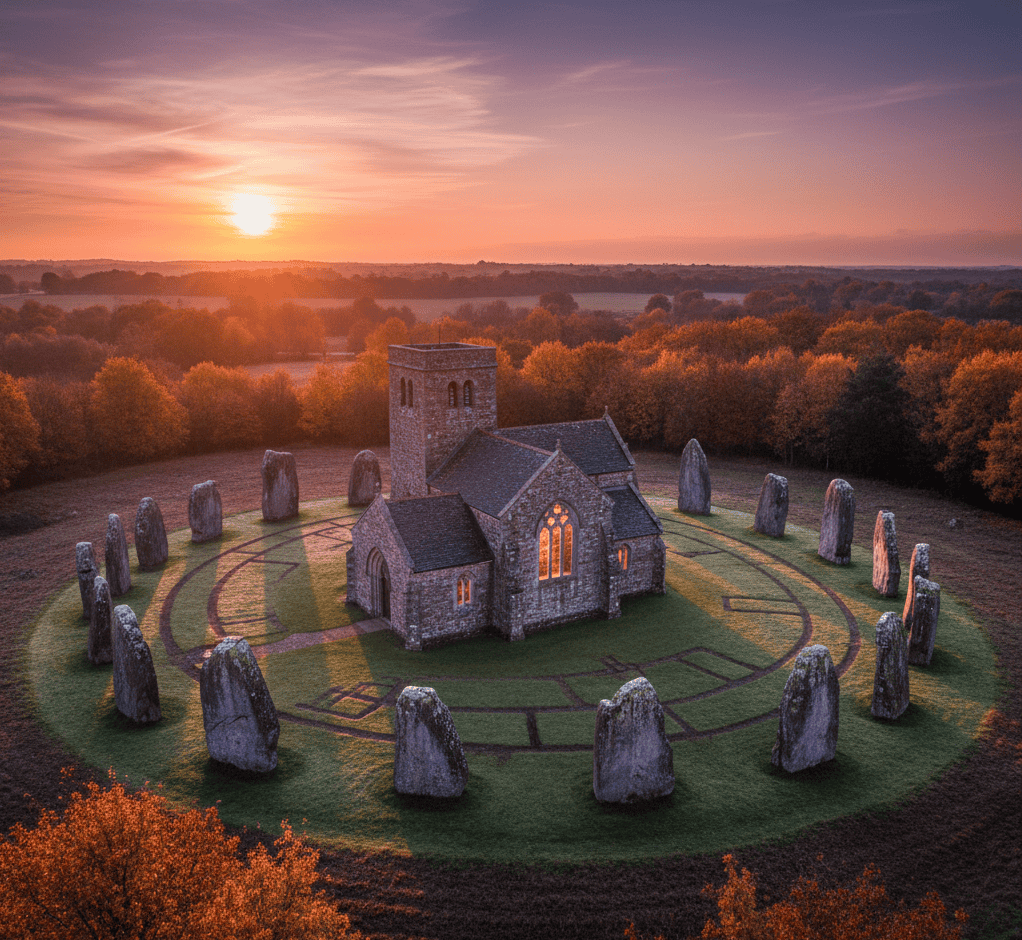
Pagan temples were not placed randomly. They stood on hills, near springs, beside ancient trees, or at crossroads believed to hold spiritual power.
These locations were already deeply meaningful to local communities. People had visited them for generations, leaving offerings, telling stories, and marking the turning of the seasons.
When Christianity arrived, missionaries quickly realized that faith is easier to accept when it feels familiar.
Building a church on a known sacred site helped new beliefs feel less foreign.
By placing churches where pagan temples once stood, Christian leaders redirected existing devotion rather than trying to erase it.
People were already used to coming to these places to pray, seek healing, or ask for protection. A new building with a new message allowed continuity.
The location stayed sacred, even if the meaning changed. This approach helped Christianity spread more smoothly, especially in rural areas where pagan traditions were deeply rooted.
There was also a symbolic reason for this choice. Building a church over a pagan site sent a clear message of spiritual victory.
It showed that the new faith had replaced the old one. Stone by stone, the church physically covered earlier beliefs. But this act did not always destroy the past.
In many cases, parts of pagan temples were reused in church walls or foundations. Ancient stones carved with older symbols were built into Christian structures, quietly preserving what came before.
How Pagan Beliefs Were Absorbed Rather Than Erased
Although medieval churches replaced pagan temples, many pagan ideas did not disappear. Instead, they blended into Christian practice.
Local festivals were often timed to match older seasonal celebrations. Spring fertility rites became Easter traditions.
Winter solstice festivals transformed into Christmas celebrations. The dates changed meaning, but the rhythm of the year remained the same.
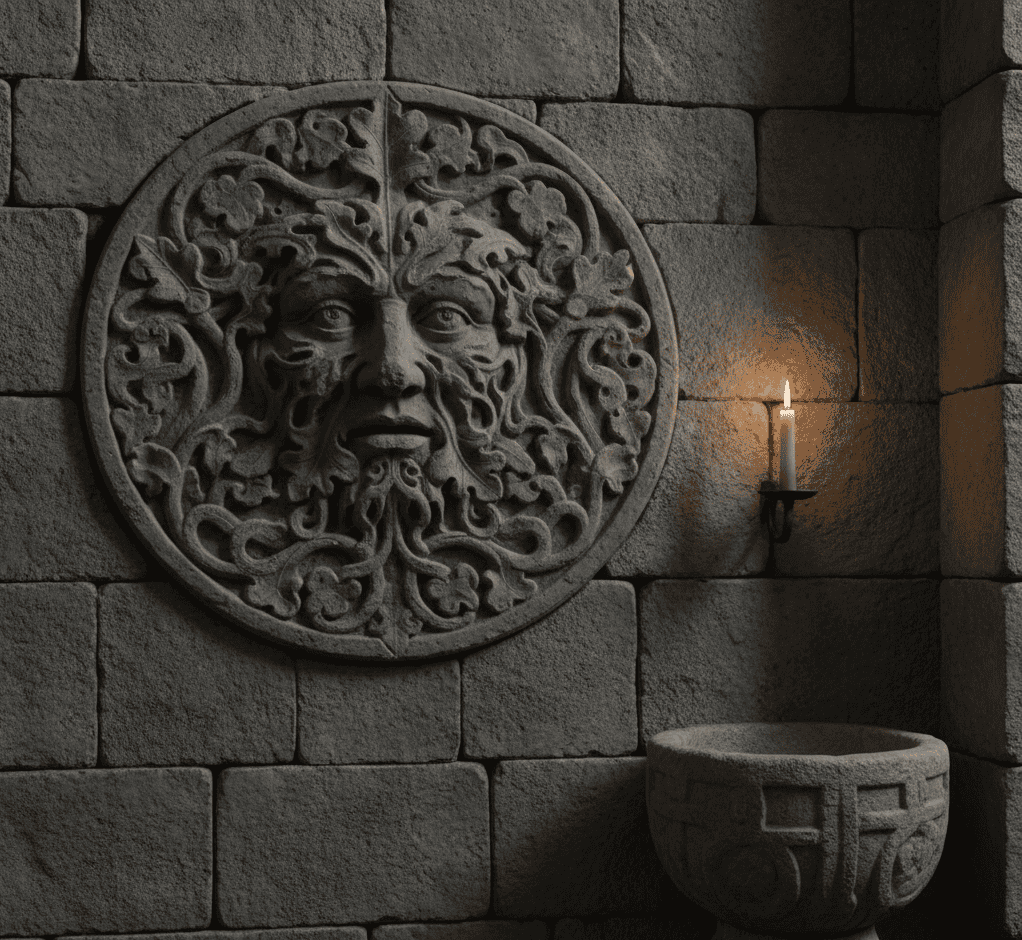
Inside churches, echoes of pagan symbolism can still be found. Carvings of plants, animals, and mythical creatures appear alongside Christian imagery.
Sacred wells once dedicated to nature spirits were renamed after saints and continued to be used for healing.
Pilgrimages that once honored pagan gods became journeys to Christian shrines, often located in the same place.
Saints themselves sometimes replaced local deities. A god associated with protection might become a saint known for guarding travelers.
A goddess linked to healing waters could become a holy figure connected to miracles. This blending allowed people to keep emotional ties to their traditions.
The church gained followers, and communities kept their sense of identity. This process shows that conversion was not always forced or sudden.
It was gradual and human. People did not forget their past overnight. By allowing familiar practices to continue in a new form, medieval Christianity became something people could live with rather than resist.
Famous Examples Hidden Beneath Stone Floors
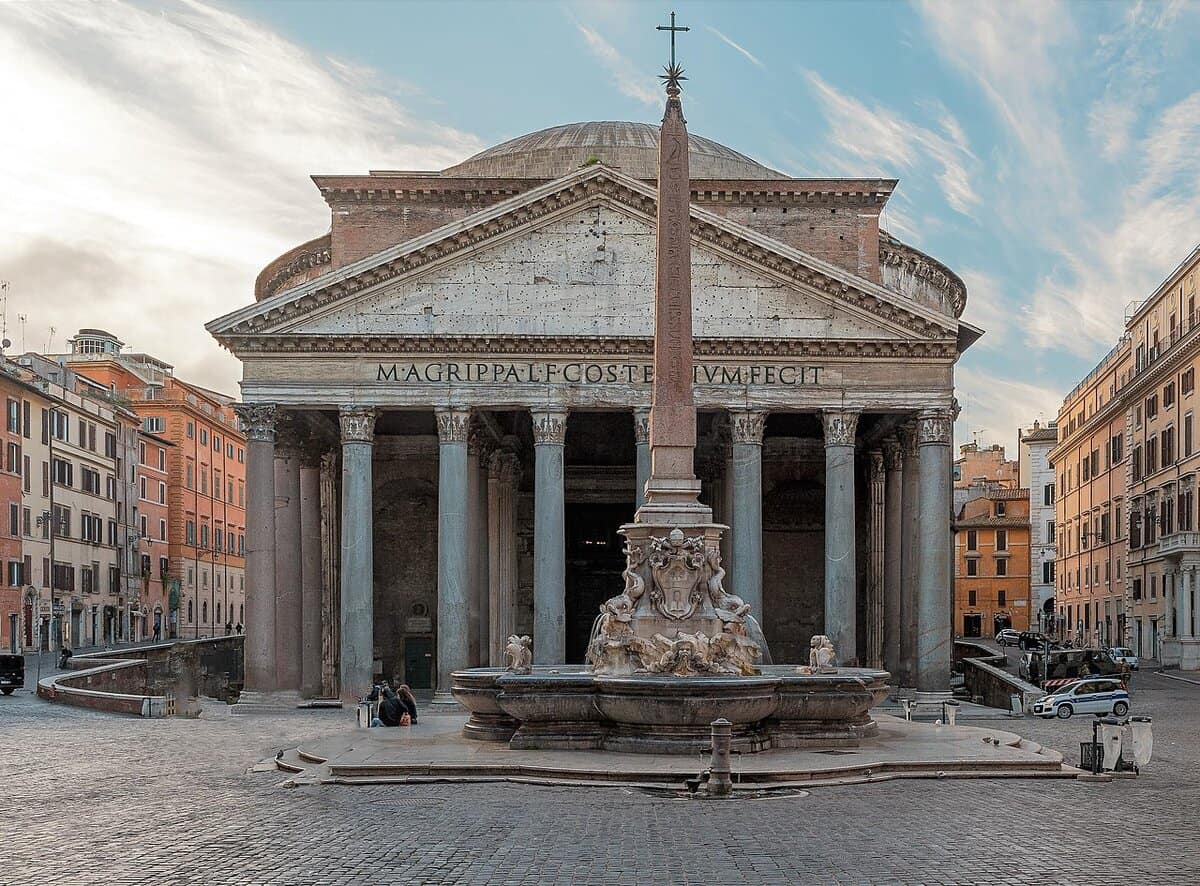
Many well-known medieval churches sit on top of much older sacred ground. In Rome, several churches were built over ancient temples dedicated to Roman gods.
The Pantheon, once devoted to all the gods, became a Christian church and still stands today.
Its structure remained largely unchanged, showing how new faiths often reused old spaces rather than destroying them.
In Britain, countless churches occupy former pagan sites. Stone circles, sacred groves, and hilltop shrines were common before Christianity arrived.
Churches built in these locations often align with solar events, just like the structures that came before them.
Some churches even sit near ancient standing stones, suggesting a deliberate connection to older beliefs about the land.
Across Scandinavia and Central Europe, churches replaced temples dedicated to gods of thunder, fertility, and harvest.
Archaeological digs beneath church floors have uncovered ritual pits, animal bones, and offerings that predate Christianity by centuries.
These discoveries reveal layers of belief stacked on top of each other, like pages in a very old book.
These examples remind us that history is not clean or simple. Sacred spaces evolve. Each generation leaves its mark while standing on the work of those before.
Medieval churches are not just Christian monuments. They are also quiet museums of older faiths, holding memories beneath their altars.
What These Churches Tell Us About Faith And Power
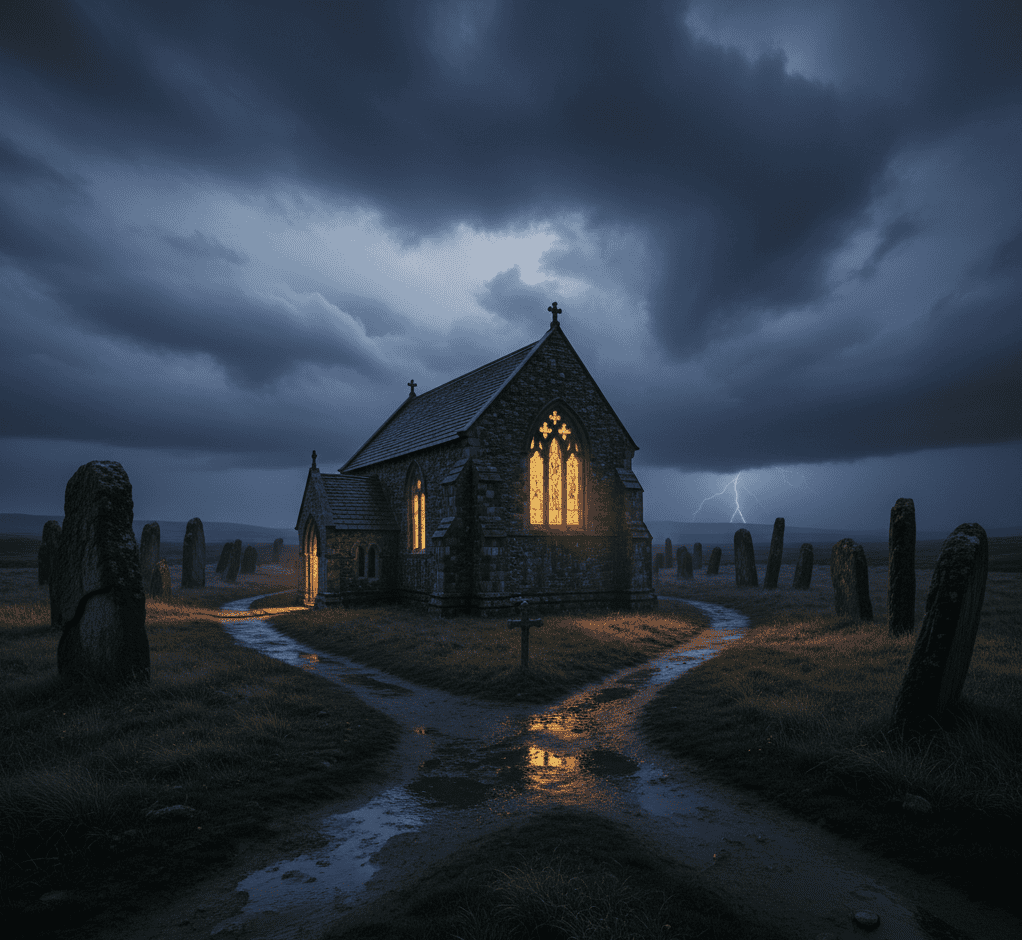
Building churches over pagan temples was about more than belief. It was also about authority. Control of sacred space meant control of community life.
Whoever guided worship shaped moral rules, social order, and daily behavior. By claiming pagan sites, the church claimed the heart of the community.
At the same time, these buildings reveal something gentle about human faith. People seek meaning in places that feel alive with history.
Sacred ground carries emotional weight. Rather than abandoning it, societies reuse it, reshape it, and give it new stories.
Today, when people walk into an old church, they may feel a sense of calm or awe without knowing why.
Part of that feeling comes from the age of the place itself. Generations have prayed there, feared there, and hoped there.
Long before church bells rang, other voices spoke in the same space. That shared human longing for connection never left.
The medieval churches built over pagan temples stand as reminders that belief systems do not simply replace one another.
They overlap, adapt, and survive together. Stone walls may mark a new chapter, but beneath them lies a deeper story.
These churches are not only houses of worship. They are bridges between worlds, linking ancient traditions to medieval faith and carrying echoes of both into the present day.

Sempre senti uma forte ligação com o Divino desde o meu nascimento. Como autora e mentora, a minha missão é ajudar os outros a encontrar o amor, a felicidade e a força interior nos momentos mais sombrios.