
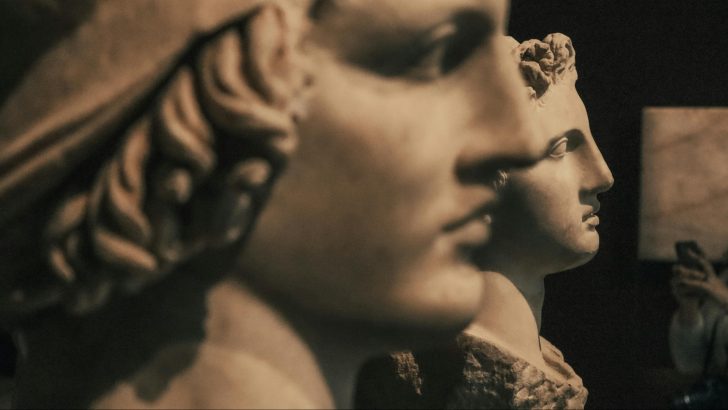
The beauty and delicacy of ancient Greek sculptures are nothing short of legendary.
Unlike the exaggerated figures from Egypt and Mesopotamia, this art captures a human ideal – graceful, balanced, and divine.
But this unique style didn’t just come from technical mastery. It’s a mindset: a deep belief that humans and gods aren’t so different.
This mindset shaped their art and culture, and even what it means to be human.
1. The Divine Lineage
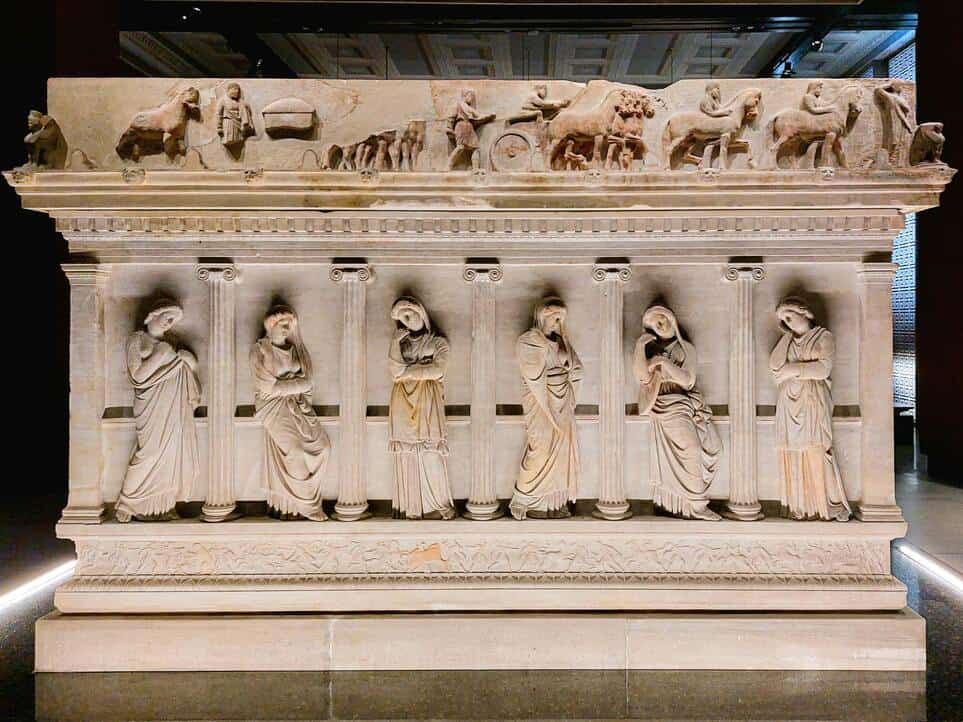
Ancient Greeks believed they were the children of gods, especially the Olympians. Their myths actually tell stories of divine ancestors who shaped their identity.
To them, those weren’t myths, but a way of thinking.
They saw themselves as part of a divine family, sharing qualities like beauty, wisdom, strength, kindness…
At the same time, the Greeks and their gods shared flaws, such as greed, lust, and violence.
This idea made it natural for them to portray humans with divine qualities, and gods in the form of beautiful humans.
The line between mortal and immortal was blurred, since they didn’t see themselves as servants of gods but as their heirs.
This mindset created the art that celebrates human potential.
2. Origin of the Olympian Gods
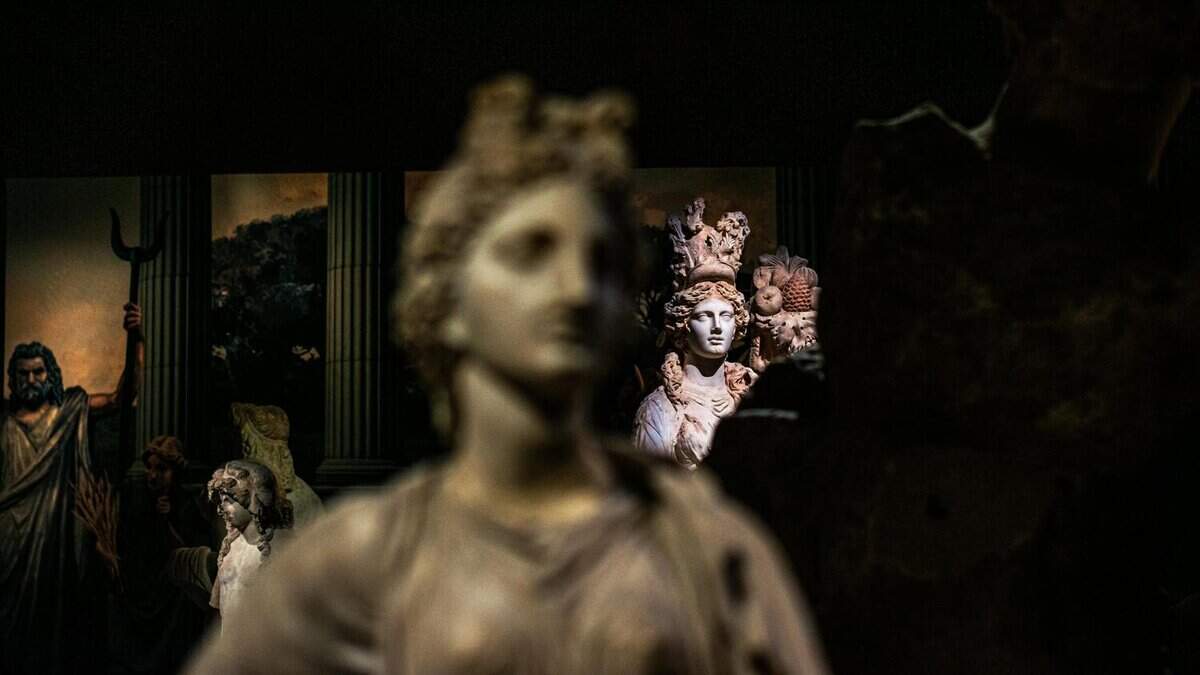
The Greek gods weren’t distant, unreachable beings; they were the ancestors and the role models.
Deities like Athena and Apollo represented the ideal qualities of humans elevated to divine heights.
The stories of their origins also highlight that gods and humans came from the same place. For instance, Athena was born from Zeus’s head, symbolizing the wisdom and strength of divine power.
These origin stories fostered the idea that gods were the ultimate ancestors, and humans could aspire to embody their virtues.
This connection made Greek art not just decorative, but deeply inspiring.
It’s a celebration of the best human qualities – moral strength, beauty, and power – carved in marble and bronze.
3. The Philosophy of Humans and Gods Being One
Greek philosophy played a big role in shaping this mindset. Thinkers like Socrates and Plato emphasized the unity of the human soul with divine truth.
They believed that humans could aspire to divine perfection through wisdom and virtue.
This idea influenced their art. Sculptures weren’t just representations; they were visualizations of ideal human forms, embodying divine virtues like balance and beauty.
The Greeks believed that by mastering their own bodies and minds, they could align themselves with divine principles.
Their sculptures reflect this aspiration.
It wasn’t about the aesthetics alone; it was about showing that humans had the potential to be divine eles próprios.
4. Heroic Ideals in Sculpture
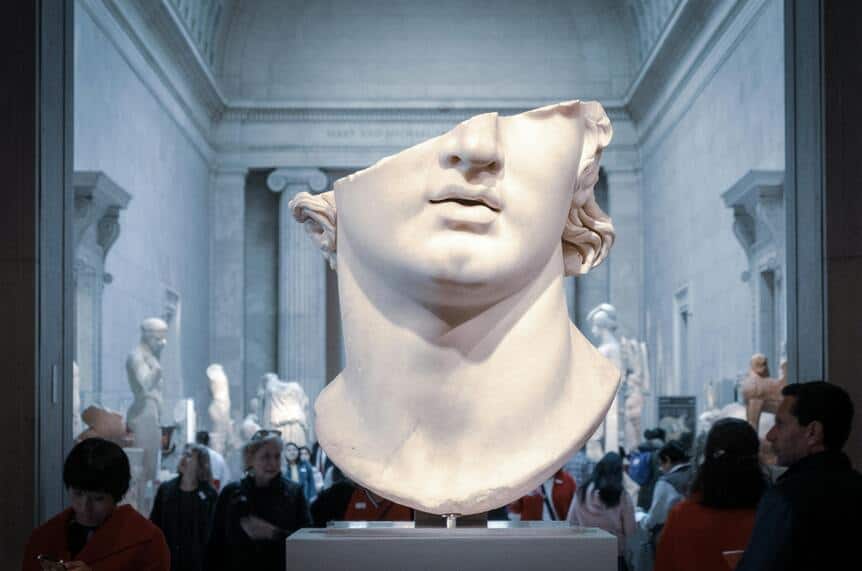
Greek culture celebrated heroes – figures like Heracles and Achilles – who combined human frailty com divine strength.
These heroes represented the perfect blend of mortal vulnerability and divine power. Their stories often depict them as semi-divine beings, destined for greatness.
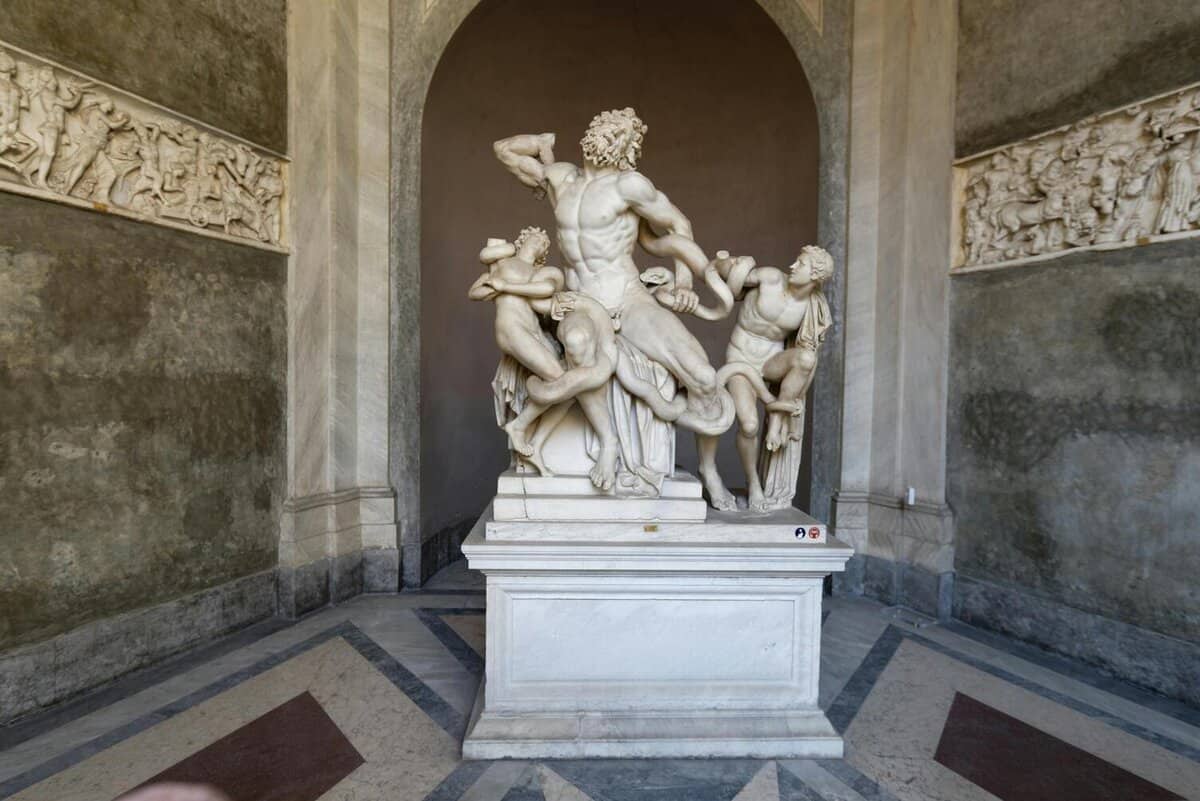
Greek sculpture captured this heroic ideal – muscular, poised, godlike, yet human.
It was a visual reminder that humans could aspire to divine greatness through physical perfection e moral virtue.
These sculptures were more than art. They were symbols of our potential to transcend mortal limits and approach the divine.
5. The Importance of Balance and Harmony
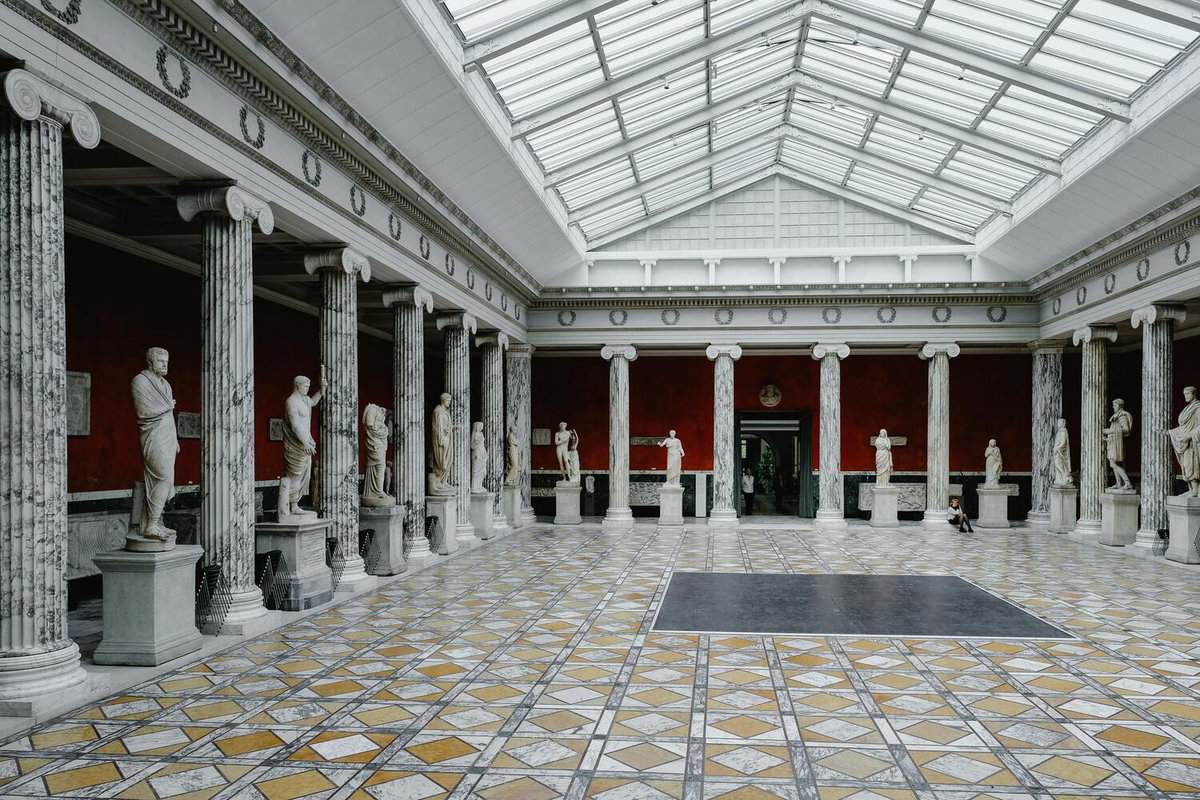
Greek art is renowned for its pursuit of harmony, reflecting their philosophical belief in ordem e ideal proportions.
The famous Golden Ratio was used to create sculptures that were perfect to the eye – neither too rigid nor too slack.
This quest for harmony reflected their worldview – that humans, like the universe, should live in balance.
Their sculptures aimed to embody this harmony, presenting figures that radiated divine strength and serenity.
This focus on proportion and balance reinforced the belief that humans could mirror the divine order through physical and moral greatness.
6. The Pride of Human Achievement
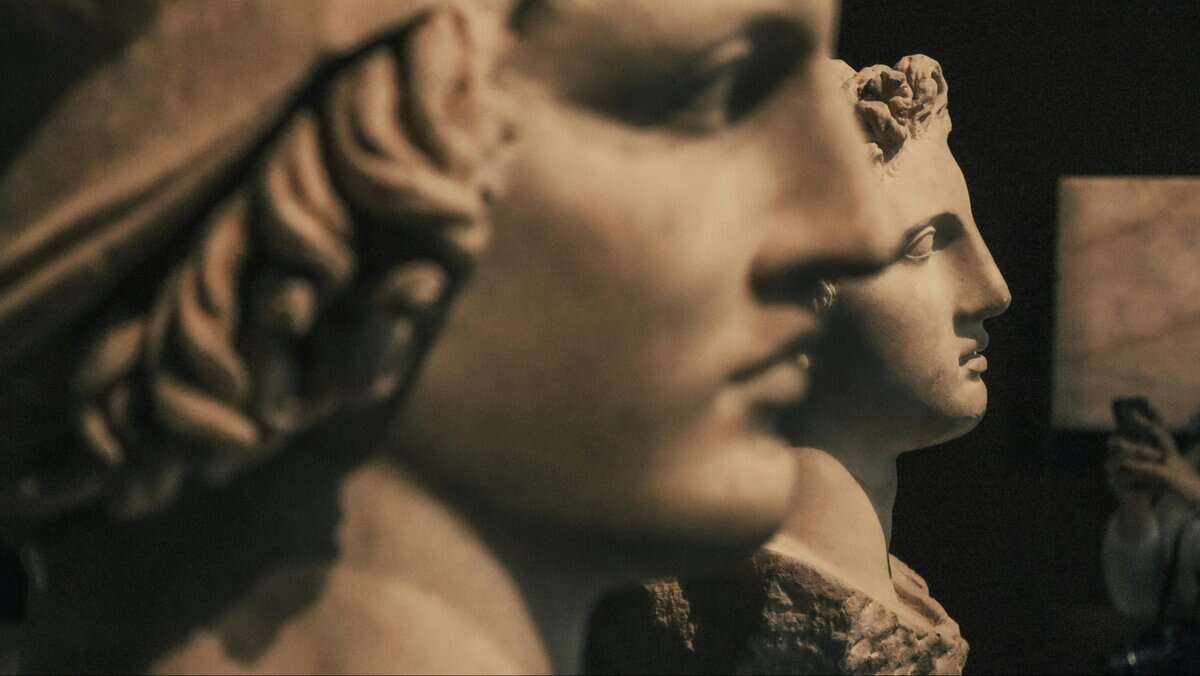
Greek sculptures are proud and often depicted in dynamic poses. This reflects their cultural attitude: humans aren’t servants of gods, but are also capable of greatness.
The Greeks celebrated human achievement – art, philosophy, warfare – and saw these as expressions of divine potential.
Their sculptures don’t shy away from showing muscles, emotion, or movement; they celebrate human power and beauty through these details.
This pride was rooted in their belief that humans possessed a divine spark.
By depicting themselves as semi-divine, they asserted their right to aspire to divine virtues. Their art is essentially a testament to human pride.
7. How Mythology Supports This View
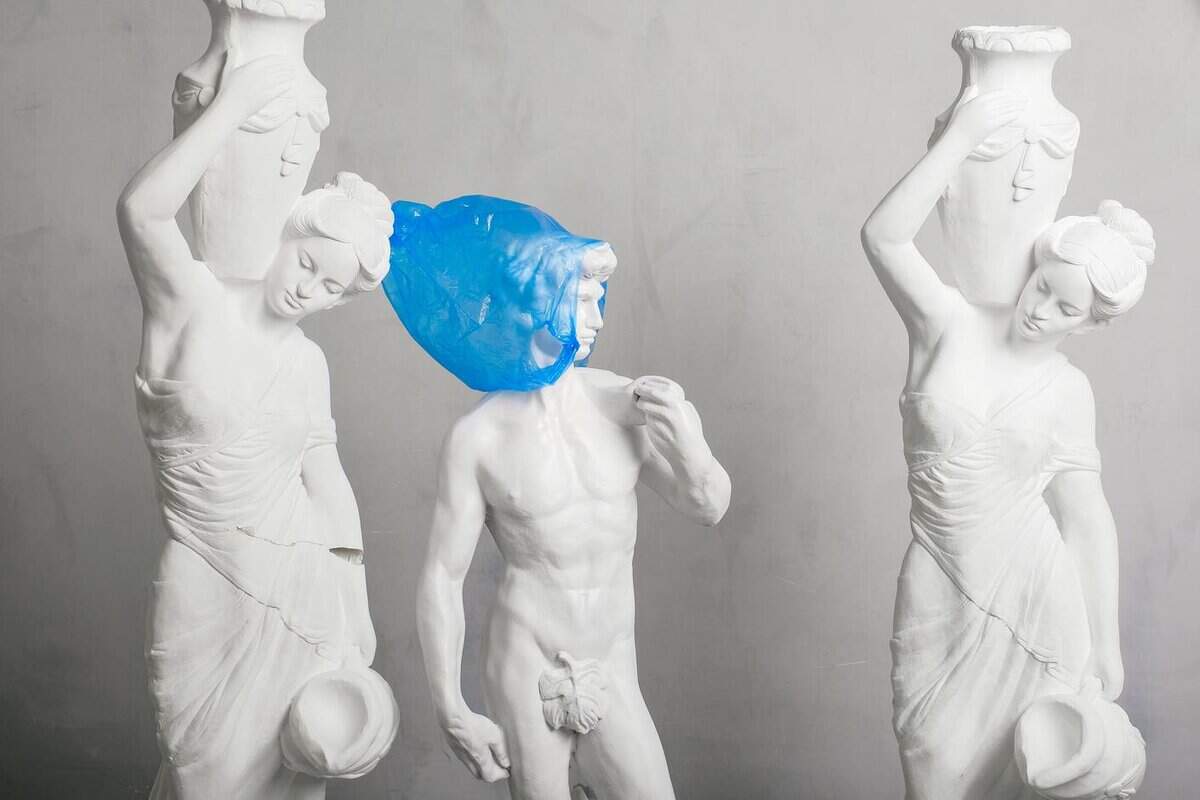
Greek myths are filled with stories of gods and mortals intermingling.
Demigods like Heracles and Perseus are half-human, half-divine, symbolizing the potential for humans to reach divine status. And these are only two out of many such heroes.
These stories tell us that greatness is achievable through strength, virtue, or wisdom.
Sculptures of gods and heroes echo these stories, as they show humans in elegant poses.
The myths support the idea that humans are not separate from the gods but connected through shared origin and qualities.
This cultural narrative created the artistic ideal – depicting humans as proud and powerful.
8. The Influence on Greek Identity
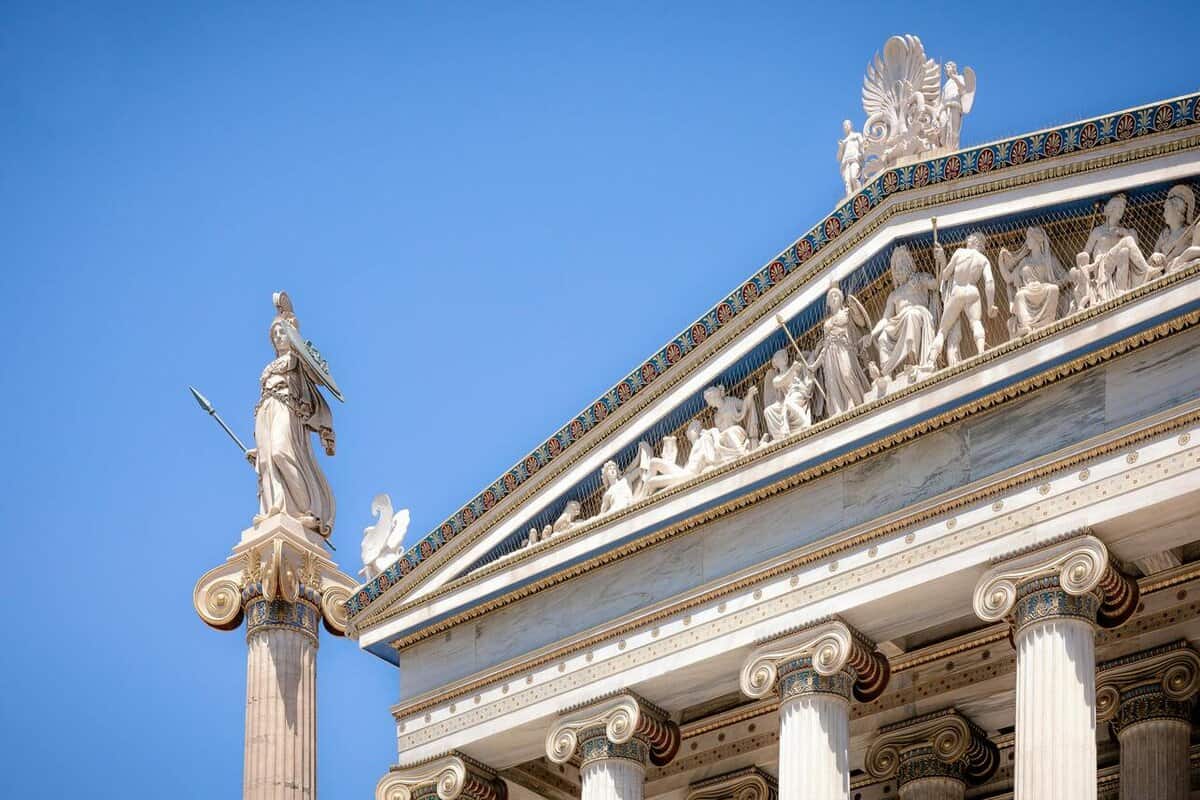
Greek city-states, like Athens, saw their citizens as part of a divine lineage. Civic pride was interwined with the idea of living up to divine standards.
Sculptures of gods and heroes adorned temples and public spaces, reminding everyone of their divine heritage.
These artworks fostered a collective identity rooted in divine ancestry and human excellence.
People believed they were heirs to divine virtues, which motivado them to pursue excellence in thought, science, art, and sports.
In ancient Greek society, the divine and human words were naturally integrated, shaping their identity into something proud and ambitious.
9. The Lasting Impact
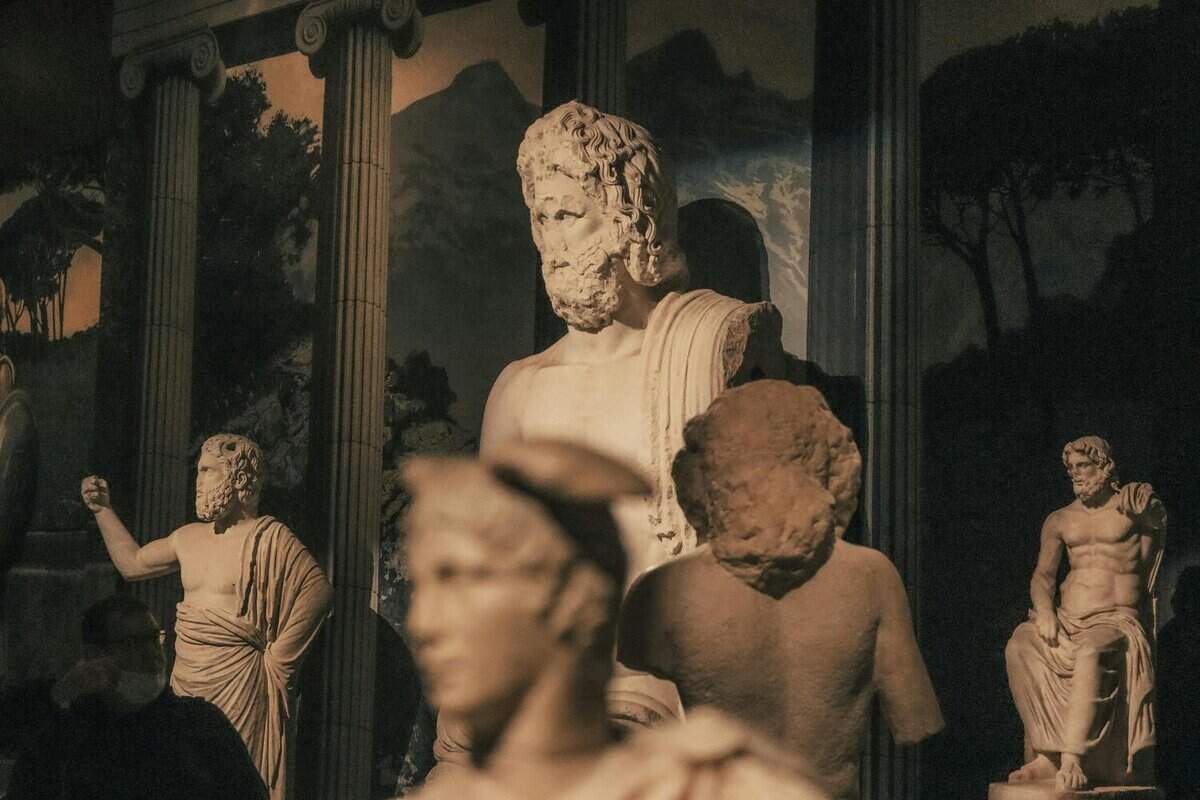
This Greek mindset has left an important mark on Western culture. Their sculptures continue to inspire us with their beauty and ideals.
They encourage us to see ourselves as capable of greatness, virtue, and excellence.
The idea that humans share a divine spark is a powerful one, influencing philosophy, art, and even modern notions of human rights and dignity.
Greek sculptures are visual statements of a worldview that celebrates human potential and divine origins.
Understanding this mindset helps us appreciate the depth behind these masterpieces, and gives us motivation to pursue greatness.

A little Aquarius, devoted to writing and embroidery. Through my writing, I hope to empower readers to align with their true selves and navigate life’s mysteries with confidence.