
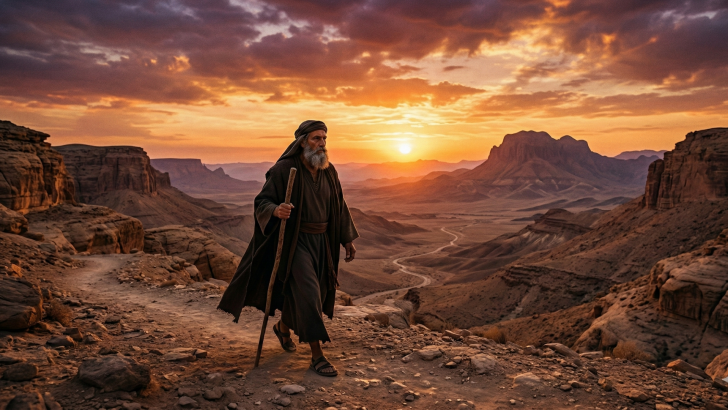
The story of Moses is central to Jewish, Christian, and Islamic traditions.
He led the Israelites out of Egypt, received the Ten Commandments on Mount Sinai, and guided a wandering nation toward the Promised Land.
Yet, one of the most enduring mysteries about Moses is the fate of his body. According to the Bible, Moses died at the age of 120 on Mount Nebo, but “no one knows his burial place” (Deuteronomy 34:6).
This unique detail has sparked centuries of speculation, debate, and legend. Unlike other key figures whose tombs became sites of veneration, Moses’ grave remained hidden.
Scholars, theologians, and historians have suggested a variety of reasons for this secrecy.
Here are five compelling explanations for why Moses’ body was never found, each reflecting religious, symbolic, and historical interpretations of his life and death.
1. God Himself Hid Moses’ Body

The Bible explicitly states that God Himself buried Moses and that no one knew the location of his grave.
Many scholars suggest this was deliberate to prevent idolatry or inappropriate veneration.
In ancient times, the graves of great leaders often became pilgrimage sites or places for offerings, and hiding Moses’ burial may have prevented such practices.
By keeping his body concealed, God emphasized that Moses’ authority and legacy came from divine guidance rather than physical remains.
This act may also symbolize that Moses’ mission was spiritual rather than tied to earthly power.
His leadership and teachings were meant to be followed through faith and law, not through worship of his mortal remains.
The hidden grave reinforces the idea that God’s plans transcend human control and that ultimate authority belongs to Him alone.
2. To Prevent Political Exploitation

Another possible reason Moses’ body was never found relates to political concerns. The Israelites were a nomadic people entering a complex, often hostile region.
A known burial site of such a revered leader could have become a rallying point for rebellion or power struggles.
Rival factions might have attempted to use Moses’ remains to legitimize claims to leadership or to influence the community.
By hiding the grave, God may have protected the Israelites from internal division and external threats.
The absence of a physical tomb prevented the misuse of Moses’ authority for personal gain or political manipulation.
This explanation frames the hidden burial as a strategic act that preserved social cohesion and prevented exploitation of Moses’ symbolic status.
3. To Maintain His Spiritual Legacy
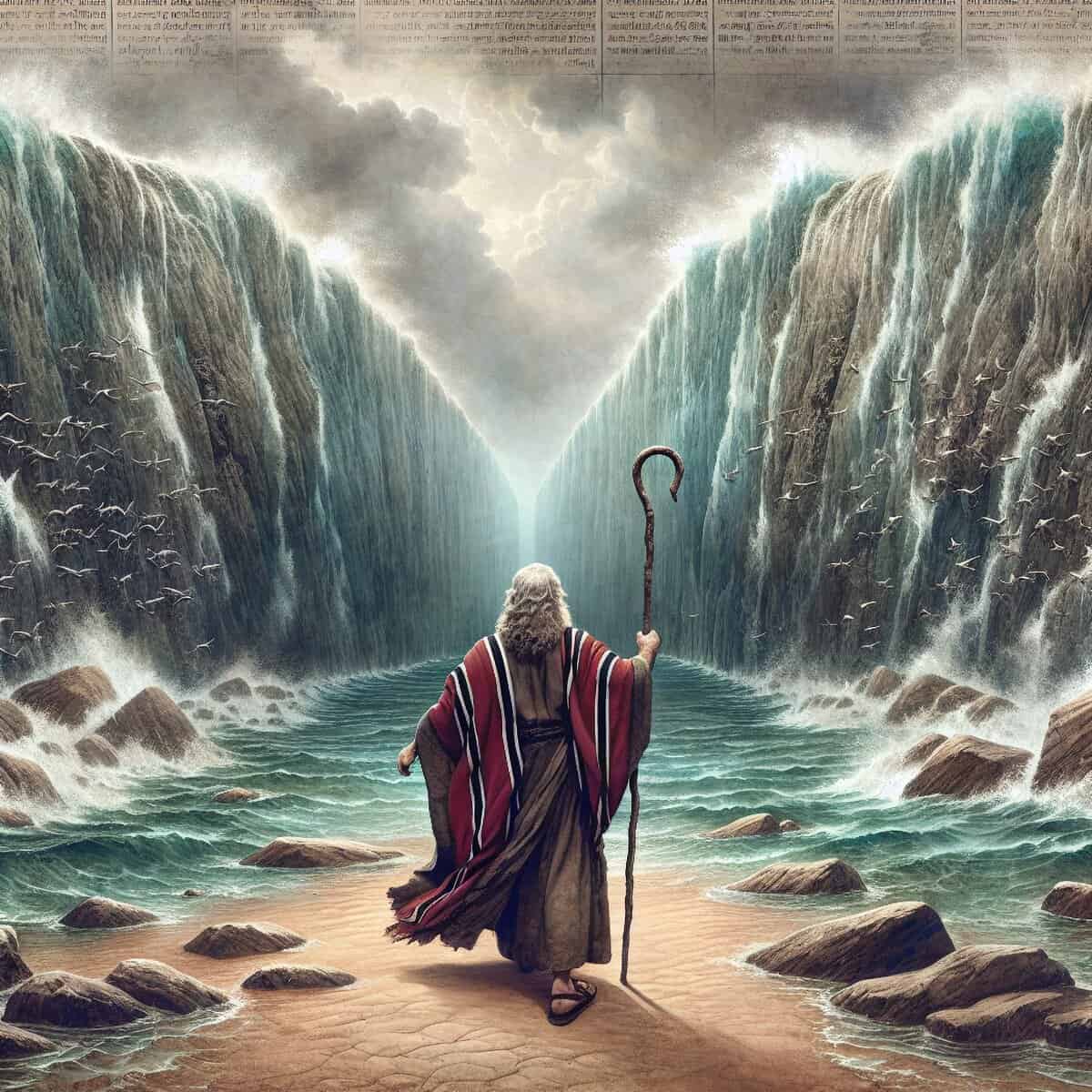
Moses’ significance lies primarily in his spiritual achievements and leadership, not in his physical presence.
Hiding his body ensured that future generations would focus on his teachings and the law rather than becoming fixated on relics or physical remains.
This approach aligns with the broader biblical pattern of emphasizing faith, obedience, and divine covenant over material objects.
By removing the possibility of a shrine or tomb, God ensured that Moses’ influence would remain rooted in moral guidance, scripture, and leadership principles.
The hidden burial shifts attention from the tangible to the eternal, reinforcing the idea that spiritual legacy matters more than earthly remains.
It serves as a reminder that Moses’ authority and inspiration were intended to be transmitted through teaching, story, and obedience to God’s commands.
4. Symbolic Meaning of an Unmarked Grave

Some theologians interpret Moses’ unmarked grave as highly symbolic.
It may represent humility, the impermanence of life, or the separation between human achievement and divine destiny.
Unlike kings or heroes who sought lasting monuments, Moses’ hidden burial emphasizes that ultimate honor comes from God rather than public recognition.
It also highlights the mysterious nature of divine intervention: even the greatest leader’s end can be concealed, reminding humanity of the limits of human understanding.
This symbolism has inspired interpretations in literature, art, and religious thought, suggesting that the unknown burial place serves as a metaphor for faith, mystery, and the eternal nature of God’s plan.
By keeping his grave secret, the narrative conveys lessons about humility, trust, and the ephemeral nature of earthly life.
5. Possible Historical and Practical Reasons
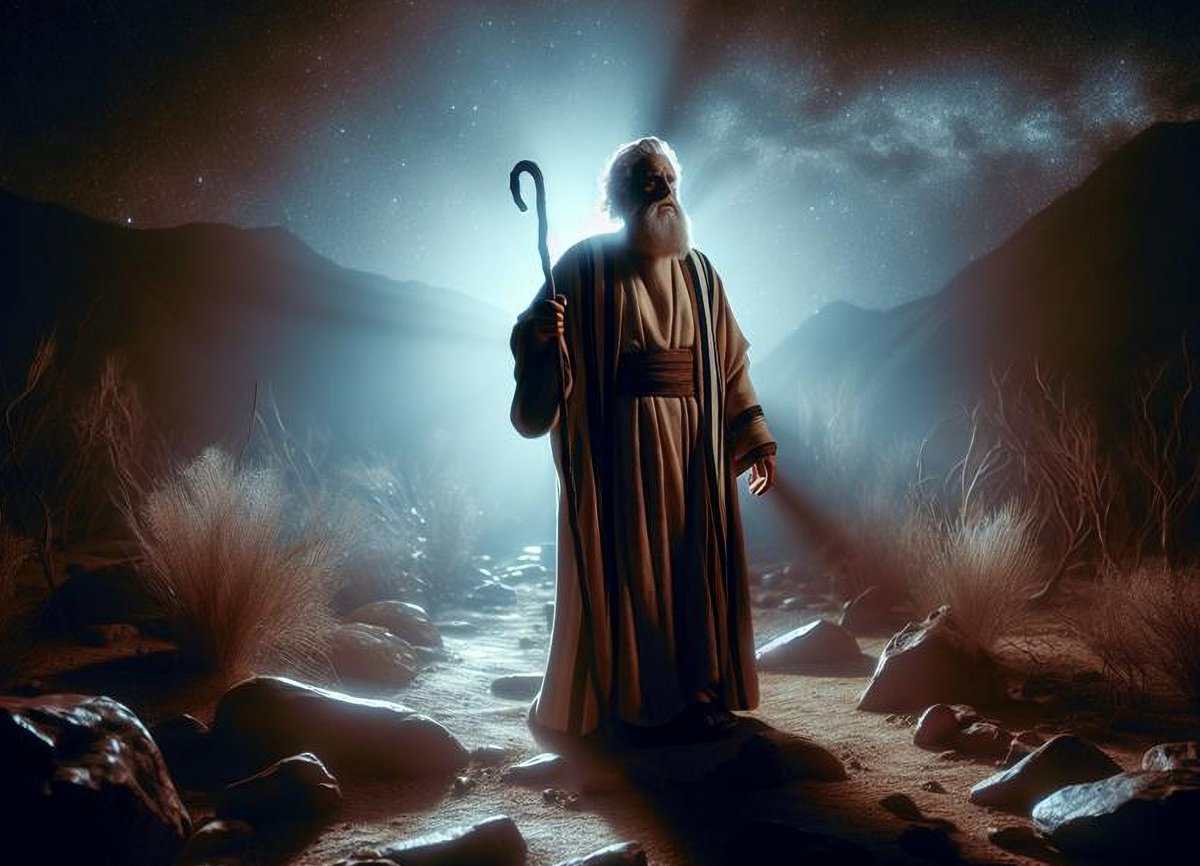
From a historical perspective, some scholars suggest practical reasons for the absence of Moses’ tomb.
The Israelites were wandering in a desert environment, with limited capacity to perform elaborate burials.
Mount Nebo is steep and remote, which would have made marking or preserving a grave difficult.
Additionally, oral traditions and early record-keeping may have intentionally avoided specifying locations to protect sacred spaces from desecration.
Over time, any physical markers may have been lost due to natural erosion, human movement, or intentional concealment.
This practical explanation complements theological and symbolic interpretations, showing how environmental, cultural, and historical factors could have contributed to the enduring mystery of Moses’ unlocated burial.
It demonstrates that faith and historical circumstances often intersect to create lasting enigmas.

Sempre senti uma forte ligação com o Divino desde o meu nascimento. Como autora e mentora, a minha missão é ajudar os outros a encontrar o amor, a felicidade e a força interior nos momentos mais sombrios.