
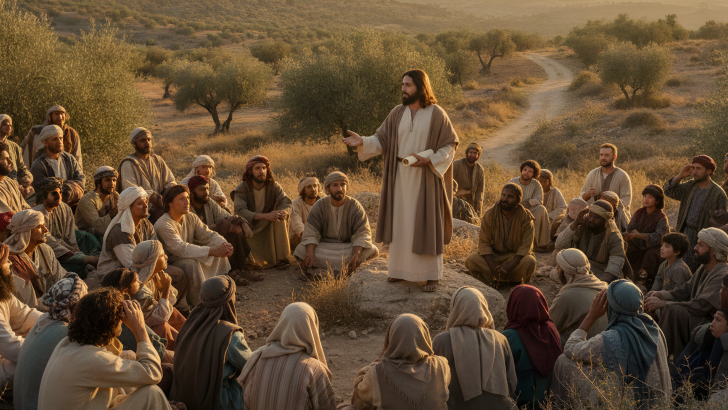
Jesus often taught using parables, which were short and simple stories based on everyday life.
These stories were easy to remember, but they carried deeper spiritual lessons for those willing to think about their meaning.
Jesus spoke about farmers, families, money, and daily choices so that ordinary people could understand God’s truth.
Each parable revealed something about faith, forgiveness, humility, or the Kingdom of God.
When we look closely at these stories, we discover lessons that still speak clearly to life, character, and the way we treat others, make decisions, and respond to God’s guidance in both easy and difficult seasons.
These lessons are practical, personal, and meant to shape everyday attitudes, choices, and relationships.
1. The Good Samaritan
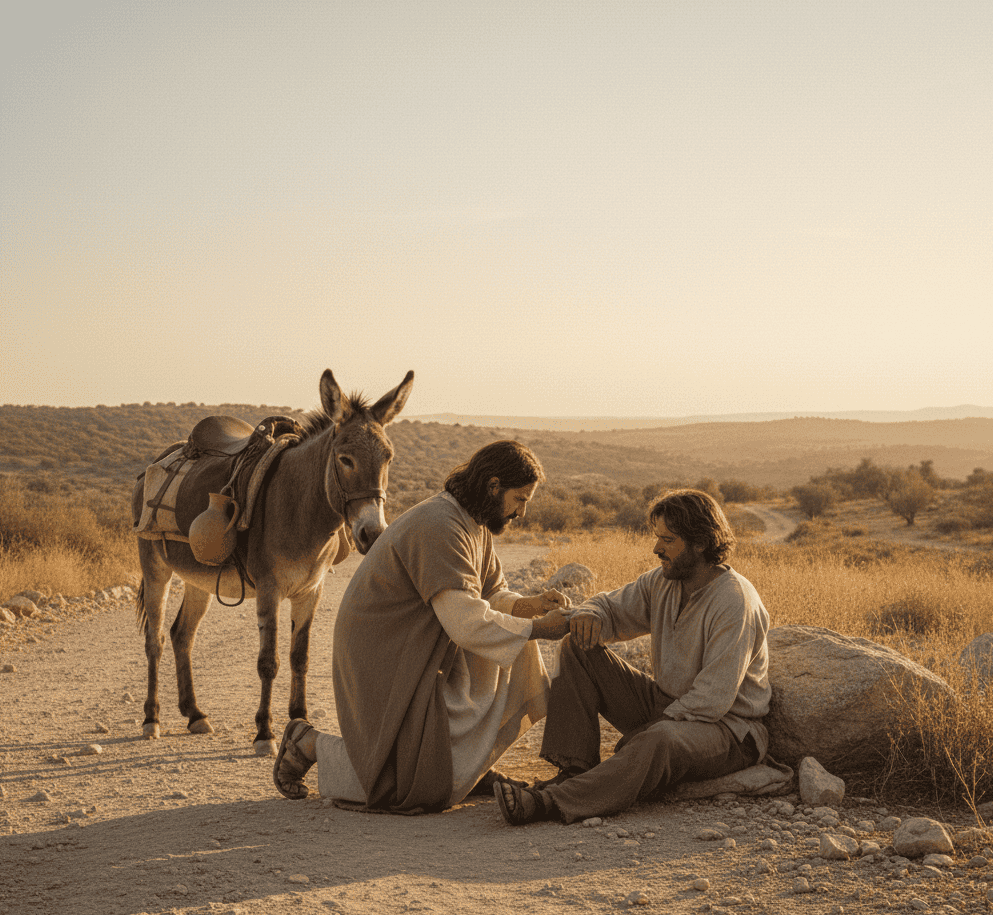
In this parable, a man is attacked by robbers and left injured on the road. Several religious people pass by without helping, but a Samaritan, someone normally looked down on, stops to care for him.
He treats the man’s wounds and pays for his recovery. The hidden meaning goes beyond simple kindness.
Jesus was teaching that true love is shown through action, not status or religion.
The story also challenges people to show compassion to anyone in need, even those who are different, unpopular, or considered outsiders, and to look beyond prejudice, fear, or social boundaries when someone needs help.
It teaches that mercy should be immediate, practical, and given without expecting anything in return.
2. The Prodigal Son

This story tells of a young man who demands his inheritance early and wastes it on reckless living.
When he loses everything, he returns home expecting rejection, but his father welcomes him with open arms.
The deeper meaning reveals God’s mercy and forgiveness toward those who turn back to Him.
It also speaks to the attitude of the older brother, who represents pride and resentment.
The parable reminds readers that grace is given freely, that no failure is too great to forgive, and that true love celebrates restoration instead of focusing on past mistakes or personal pride.
It also shows that forgiveness restores dignity, identity, and a sense of belonging.
3. The Sower
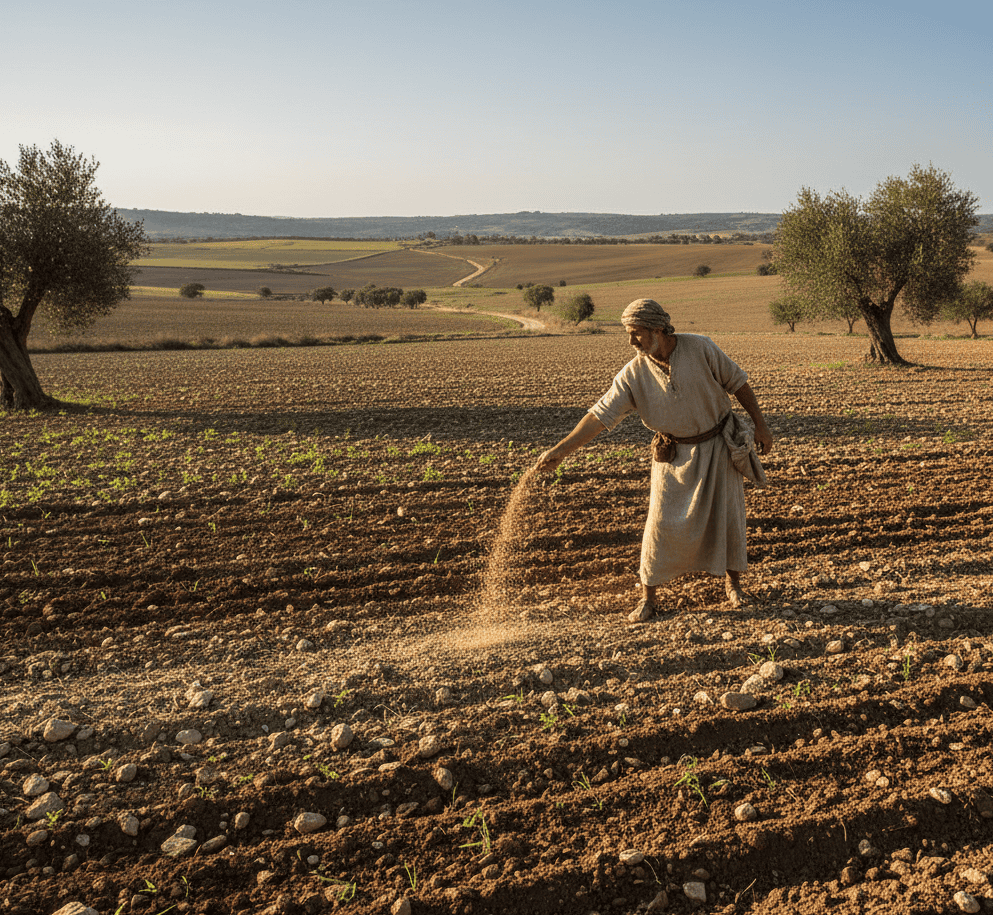
Jesus describes a farmer scattering seeds on different types of soil. Some seeds fall on hard ground, some among rocks or weeds, and some on good soil where they grow and produce a harvest.
The hidden lesson is about how people receive God’s message. The seed represents truth, and the soil represents the condition of the human heart.
The parable encourages listeners to remove what blocks spiritual growth, stay consistent in faith, and create space in their lives where truth can take root, grow stronger, and produce lasting change.
It also reminds believers that growth requires patience, care, and daily attention. Distractions, worries, and shallow faith can prevent growth.
4. The Lost Sheep

In this parable, a shepherd leaves ninety-nine sheep to search for one that has wandered away.
When he finds it, he rejoices and brings it safely back. The deeper meaning shows God’s personal care for every individual.
It teaches that no one is forgotten, no matter how small or lost they may feel. The story also reveals the joy of restoration and forgiveness.
Jesus wanted people to understand that every life has value, that mistakes do not erase worth, and that returning to the right path always brings hope, healing, and a renewed sense of belonging.
It also shows that seeking the lost is an act of love, not inconvenience.
5. The Talents

A master gives his servants different amounts of money, called talents, before leaving on a journey.
Two servants invest what they receive and multiply it, while one hides his out of fear and does nothing.
The hidden message is about responsibility and faithfulness. God gives each person abilities, opportunities, and resources, and expects them to be used wisely.
The parable teaches that faith involves action, courage, learning from risk, and a willingness to develop skills and opportunities instead of avoiding effort or hiding potential.
It also encourages people to grow with confidence and take initiative. Fear, laziness, or doubt can prevent growth.
6. The Mustard Seed

Jesus compares the Kingdom of God to a tiny mustard seed that grows into a large plant. Although the seed starts small, it becomes strong enough to provide shelter for birds.
The deeper meaning focuses on how small beginnings can lead to great results.
The parable encourages patience, persistence, and hope, reminding believers that steady growth often happens quietly, and that small daily choices can lead to strong and lasting spiritual impact.
Even simple acts of faith can create meaningful change over time. Faith may seem small at first, but with time and trust, it can grow and influence many lives.
7. The Wise and Foolish Builders

In this story, one man builds his house on solid rock, while another builds on sand. When storms come, the house on the rock stands firm, but the one on the sand collapses.
The hidden lesson is about the importance of a strong spiritual foundation. Hearing good teaching is not enough, because it must be put into practice.
Life will bring challenges and pressure, and only a life built on faith and obedience will remain steady.
The parable calls people to develop strong habits, make wise choices, and prepare their lives for difficult moments before they arrive.
It stresses the value of consistency, discipline, and long-term thinking.
8. The Unforgiving Servant

A servant is forgiven a large debt by his master, but then refuses to forgive a small debt owed to him by another servant.
When the master learns what happened, he punishes the unforgiving servant. The deeper meaning teaches the importance of mercy and forgiveness.
Since God shows great mercy to people, they are expected to show the same kindness to others.
Holding onto anger and resentment damages relationships and hardens the heart.
The parable reminds readers that forgiveness brings freedom, restores peace, and allows people to live with humility and gratitude.
It also warns that refusing to forgive can damage one’s own spiritual life.
9. The Pearl of Great Value

In this short parable, a merchant searching for fine pearls finds one of great value and sells everything he owns to buy it.
The hidden meaning is about recognizing what truly matters. The Kingdom of God is worth more than anything else, and it calls for full commitment.
The story teaches that spiritual truth and a relationship with God are treasures beyond material wealth.
It challenges people to examine their priorities, let go of lesser pursuits, and focus their time, energy, and attention on what has eternal value and lasting meaning.
True wisdom is choosing what lasts over what only brings temporary satisfaction.

Sempre senti uma forte ligação com o Divino desde o meu nascimento. Como autora e mentora, a minha missão é ajudar os outros a encontrar o amor, a felicidade e a força interior nos momentos mais sombrios.