

Past relationships have a strange way of surviving through language.
A relationship may have ended years ago, yet certain sentences remain. You tell yourself that you wasted your best years.
You insist that you will never trust anyone again. You describe one person as the only person you could ever truly love.
After enough repetition, these statements can begin to feel less like reactions to the past and more like permanent truths.
Moving forward does not require pretending that everything was wonderful. Some relationships genuinely hurt us.
Some ended badly. Others taught us lessons we wish we had never needed to learn.
But there is a difference between remembering what happened and allowing it to define everything that comes afterward.
Here are ten things to stop saying about your past relationships.
1. “I Wasted Years of My Life”

When a long relationship ends, it can feel as though all the time invested in it disappeared overnight.
But time does not become worthless simply because something eventually ends. During those years, you lived.
You learned things about yourself. You discovered what you could tolerate and what you could not.
You probably changed in ways you did not notice while they were happening. Maybe there were also genuinely good memories.
You do not need to call a painful relationship a blessing or feel grateful for everything that happened.
Just stop measuring its value exclusively by whether it lasted forever. Something can end and still have occupied a meaningful chapter of your life.
2. “They Were the Love of My Life”

Maybe they were one of the great loves of your life. That is different.
Calling someone “the love of my life” after the relationship has ended can accidentally turn the rest of your future into a consolation prize.
Nobody new can compete with a person who has already been given a legendary title. Memories also become selective.
Over time, the mind can soften ordinary frustrations while highlighting intense moments, first experiences, romantic memories, and everything you miss.
You can acknowledge that someone mattered enormously without deciding they were your only chance at extraordinary love.
3. “I’ll Never Trust Anyone Again”

This sentence usually appears after trust has been damaged. It feels protective. If you never trust anyone, nobody can betray that trust again.
Unfortunately, distrust does not only keep dangerous people outside. It can also make healthy connections difficult to enter.
You do not need to trust everyone. You do not even need to trust someone immediately. Trust can be gradual.
Let people demonstrate consistency through their behavior. Pay attention to whether their words and actions match.
Someone from your past may have given you reasons to stop trusting them.
That does not automatically mean every future person deserves the consequences.
4. “I Should Have Seen It Coming”

Looking backward gives you information you did not have while events were unfolding.
Suddenly, every strange conversation seems obvious. Every warning sign looks enormous.
You wonder how you missed it. But hindsight rearranges memories.
Something that appears suspicious now may have had several reasonable explanations at the time.
Perhaps you did ignore certain warning signs. If so, learn what they looked like. That is more useful than endlessly criticizing yourself.
You made decisions using the information, experience, emotions, and understanding you had then.
Today you know more. That does not make the earlier version of you stupid. It makes the current version more experienced.
5. “All Men Are the Same” or “All Women Are the Same”

One person’s behavior can leave a surprisingly large shadow.
After enough disappointment, it becomes tempting to turn personal experience into a universal rule.
But billions of people cannot reasonably be summarized through the behavior of a few former partners.
Generalizations may temporarily feel protective because they remove uncertainty.
If everyone is terrible, you never need to risk trusting anyone. But they also prevent you from seeing people individually.
Your ex represented themselves. They did not represent an entire gender.
Future relationships deserve to be judged by what actually happens inside them rather than being forced to answer for something somebody else did years earlier.
6. “I Wasn’t Good Enough”

Relationships do not always end because someone failed an invisible test of worthiness.
People can love each other and still be incompatible. They can want different futures. Communication can collapse.
Feelings can change. Timing can be terrible. Someone can also behave badly for reasons that have nothing to do with whether their partner was “good enough.”
It is useful to examine your own mistakes honestly. Maybe there are things you would handle differently now.
But “I made mistakes” is very different from “I wasn’t good enough.”
One describes behavior that can change. The other turns the entire relationship into a judgment of your value.
7. “I’ll Never Feel That Way About Anyone Again”

You might be right in one sense. You probably will not feel exactly the same way again.
That may actually be a good thing. Every relationship has its own emotional language.
One love might be intense and unpredictable. Another could feel quieter but much safer.
One relationship may involve constant excitement. Another may offer friendship, stability, attraction, and the unusual comfort of not having to wonder where you stand.
People sometimes mistake “different” for “less.” Future love does not have to recreate an old relationship to be powerful.
You are different now too. It makes sense that the way you love in the future may change with you.
8. “I Need Closure From Them”
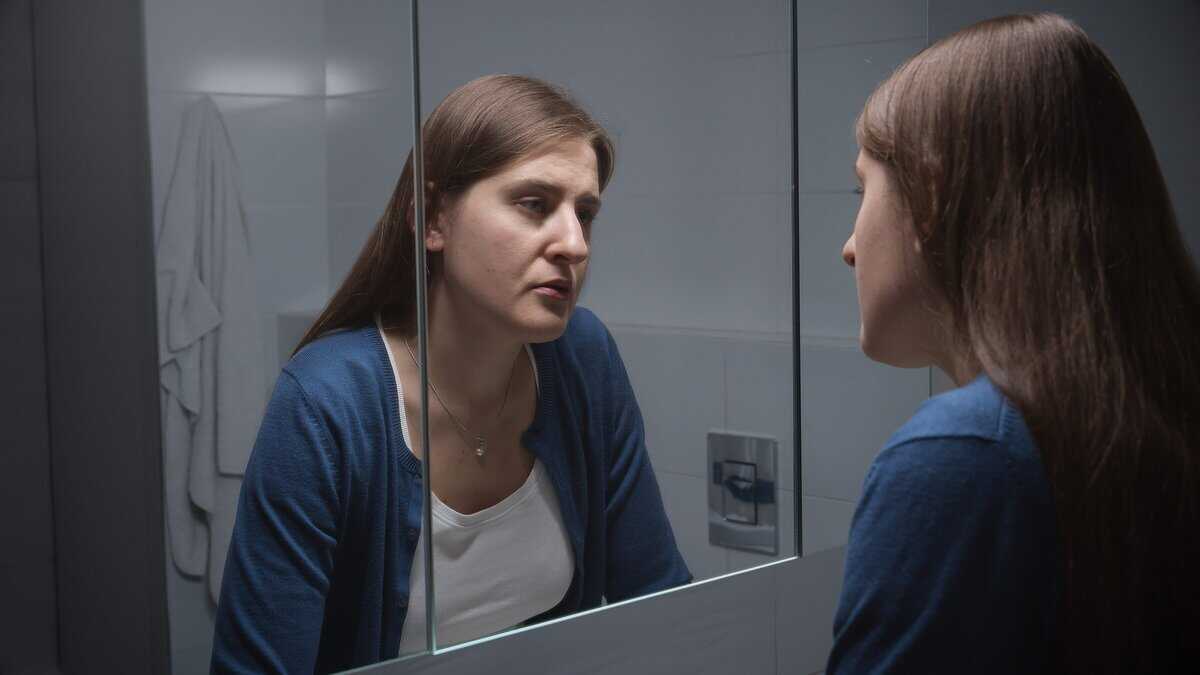
Closure is sometimes treated as one final conversation where everything suddenly makes sense.
You meet. They explain every confusing decision. You receive the perfect apology.
All your questions disappear. Real conversations rarely work so neatly.
Someone may not fully understand their own behavior. They may remember events differently.
They may refuse to apologize. Their explanation might create three new questions instead of answering the original one.
A final conversation can certainly help in some situations.
But do not make your ability to move forward completely dependent on another person’s willingness to provide the perfect ending.
9. “My Best Years Are Gone”

This thought can appear especially strongly after a relationship consumed a major period of your life.
Perhaps you spent your twenties with someone. Maybe you built plans together that no longer exist.
Suddenly, the future feels late. But life is not organized around one universal romantic deadline.
People meet important partners at wildly different ages.
They change careers, move, rebuild friendships, discover new interests, and begin completely unexpected chapters long after the age they once considered “too late.”
Your best years cannot be identified while you are still living them.
The period you are mourning may have contained wonderful moments.
That does not mean nothing equally meaningful or better can exist afterward.
10. “If It Had Been Real Love, It Would Have Lasted”
Not everything meaningful lasts forever. That can be difficult to accept because people naturally want permanent things to feel more valuable than temporary ones.
But duration alone does not tell you whether feelings were real. Two people may genuinely love each other and still reach a point where the relationship no longer works.
People change. Circumstances change. Compatibility can change.
Sometimes love remains while the ability to build a healthy life together disappears.
You do not need to rewrite the entire relationship as fake simply because it ended.
Maybe some feelings were real, and some promises were sincere at the time.
The ending does not have to destroy every good memory that came before it. And the opposite is also true.
Having once loved someone does not mean you are required to keep choosing them forever.
A past relationship can have been real, important, complicated, beautiful in places, painful in others, and still belong exactly where it is now: in the past.

Sempre senti uma forte ligação com o Divino desde o meu nascimento. Como autora e mentora, a minha missão é ajudar os outros a encontrar o amor, a felicidade e a força interior nos momentos mais sombrios.