
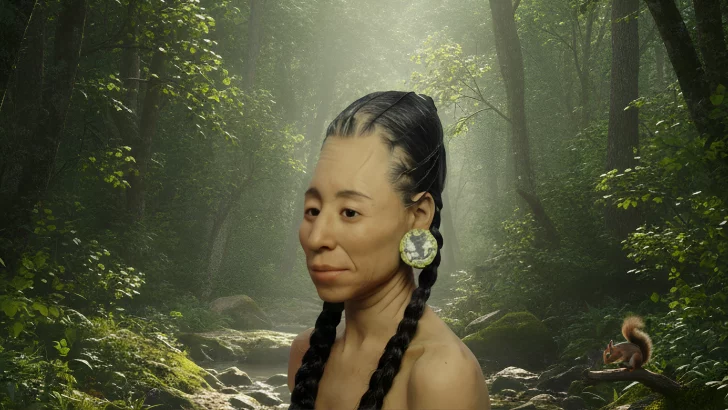
The Paracas skulls found in Peru are some of the most mysterious human remains ever discovered.
These skulls look very different from normal human skulls and have raised questions for over a century.
Some people believe they show evidence of ancient rituals, while others think they point to a forgotten human group or even something more unusual.
What makes them especially strange is their size, shape, and the reddish hair still attached to some of them.
Below are ten accurate, evidence-based things you should know about the Paracas skulls and their red hair.
1. The Paracas Skulls Were Discovered in the 1920s
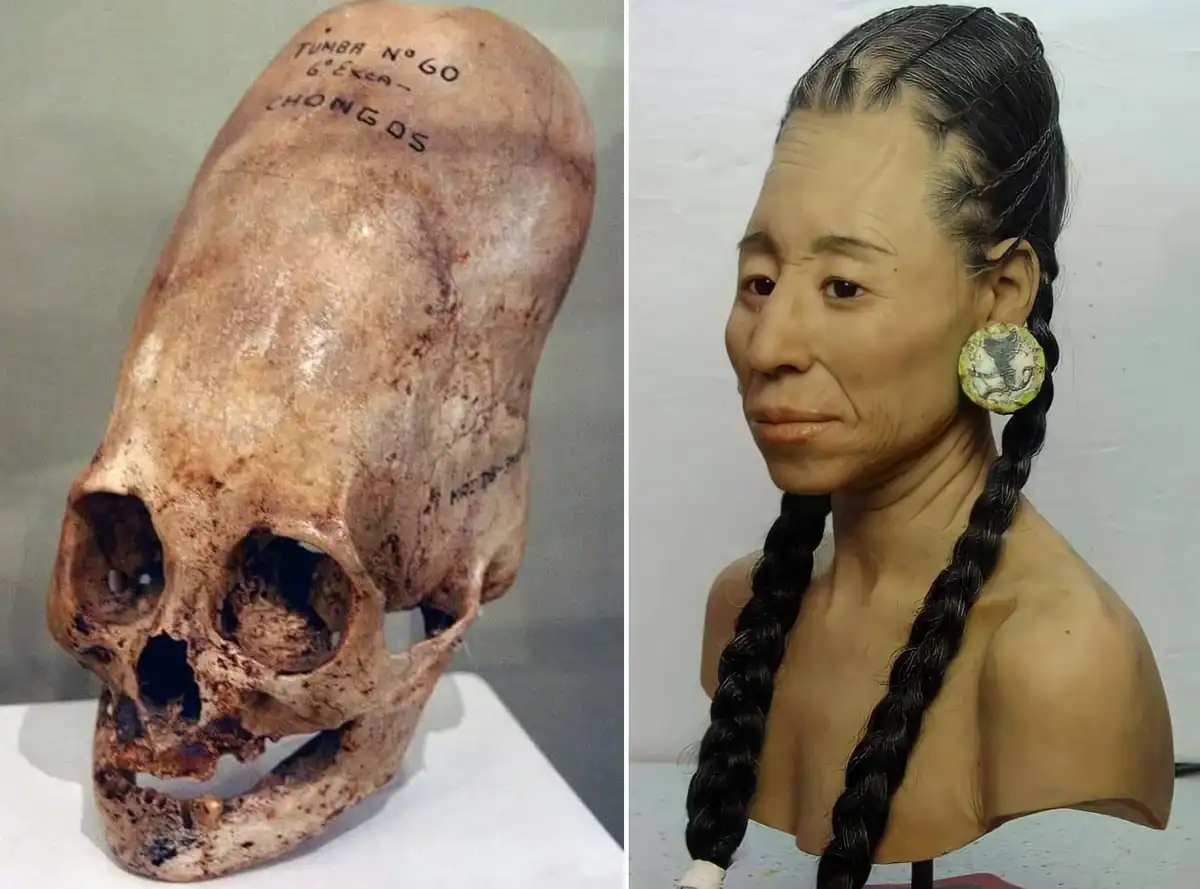
The Paracas skulls were first discovered in 1928 by Peruvian archaeologist Julio Tello. He found them in burial sites on the Paracas Peninsula, located on the southern coast of Peru.
These skulls were buried in tombs along with textiles, tools, and ceremonial items, showing that the people who owned them were respected members of society.
The burial sites were carefully prepared, which tells researchers these skulls were not random or accidental.
They belonged to a real culture known as the Paracas civilization, which existed between roughly 800 BCE and 100 BCE. This makes the skulls over two thousand years old.
Their discovery shocked archaeologists because the skulls were much larger and longer than typical human skulls found in the region.
2. The Skull Shape Is Not Natural at Birth
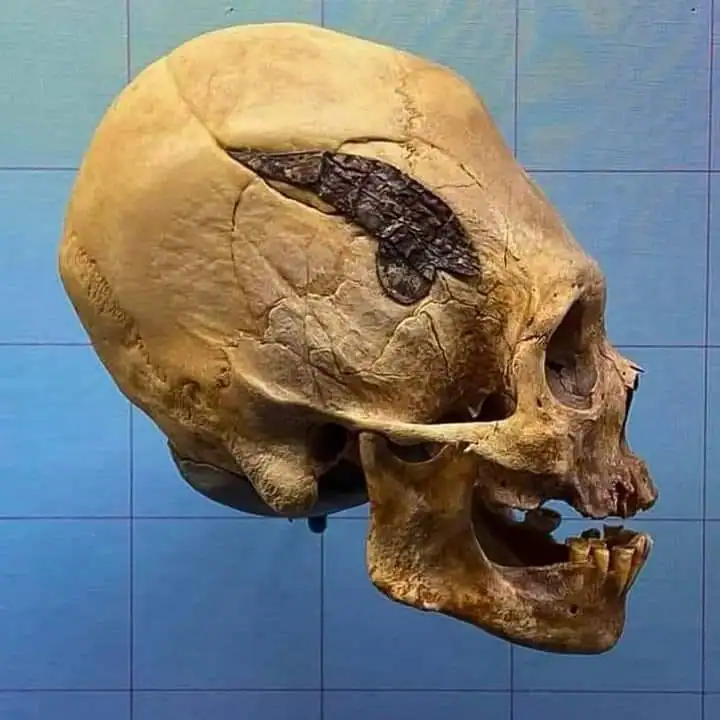
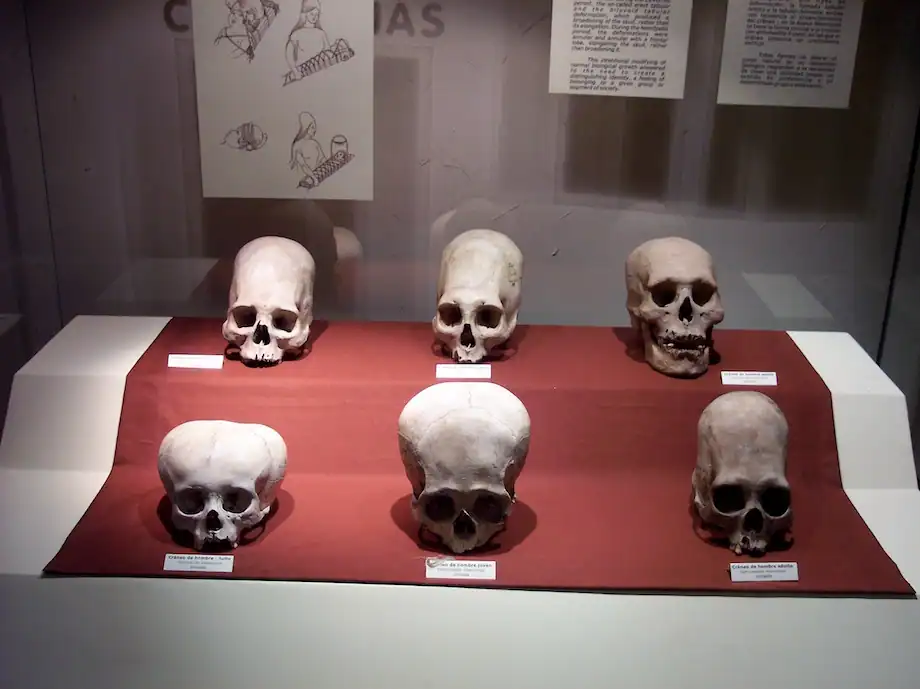
One of the most important facts about the Paracas skulls is that their shape is not something humans are born with naturally.
The skulls are elongated backward, with a larger cranial volume than normal. This shape does not match natural genetic conditions seen in modern humans.
However, most experts agree that the shape was created through a practice called cranial deformation.
This involved binding the skull of an infant using cloth, boards, or straps while the bones were still soft. Over time, the skull would grow into an elongated form.
What makes the Paracas skulls unusual is how extreme the deformation is compared to similar practices in other cultures.
3. Cranial Deformation Was a Cultural Practice
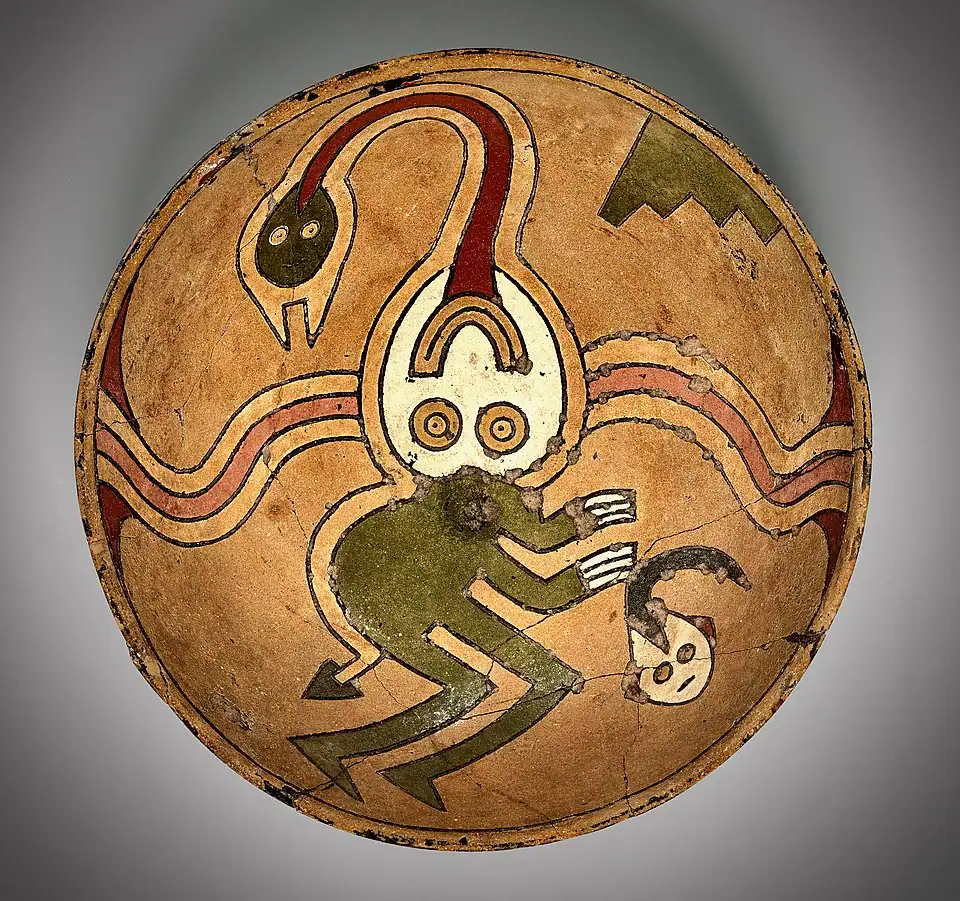
Cranial deformation was practiced by many ancient cultures around the world, including in Africa, Asia, and the Americas.
In the Paracas culture, this practice likely represented social status, spiritual beliefs, or group identity.
Families would shape the heads of their children to match cultural ideals of beauty, power, or spiritual closeness.
A long skull may have symbolized wisdom, nobility, or divine favor.
This practice was intentional and began in infancy, meaning the skulls are the result of human tradition rather than random mutation.
4. The Paracas Skulls Are Larger Than Normal Human Skulls
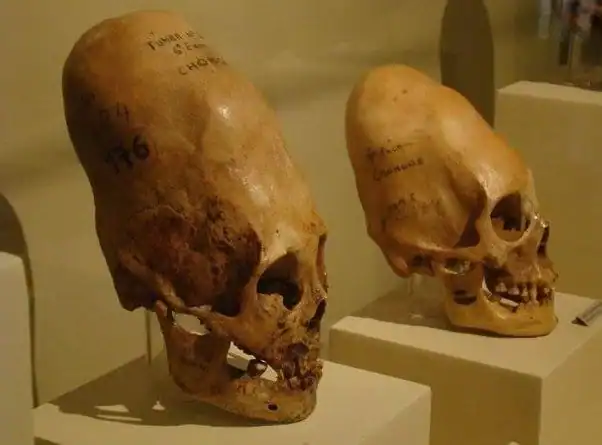
One feature that stands out is that many Paracas skulls are not only longer but also larger in total volume.
Some researchers have noted that certain skulls appear to have a cranial capacity slightly greater than the average modern human skull.
This does not mean they were a different species, but it does suggest these individuals may have had unique physical traits.
The size difference is one reason these skulls attract so much attention and speculation.
It is important to note that skull shape and skull volume are different things, and both can be affected by deformation practices.
5. Some Paracas Skulls Have Red or Reddish Brown Hair
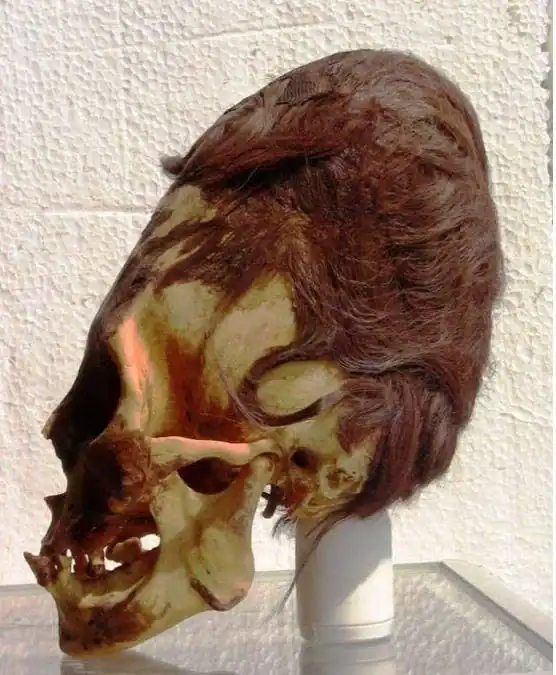
One of the most striking details about the Paracas skulls is that some still have hair attached, and the hair appears red or reddish brown.
This is unusual because most ancient Andean populations had dark hair.
Researchers believe the red color may be due to environmental factors. Over time, black hair can change color due to exposure to soil chemicals, minerals, and sunlight after burial.
This process can make hair appear lighter or red. However, in some cases, the hair color is consistent and thick, leading to continued debate about its origin.
6. The Hair Texture Appears Different From Typical Andean Hair
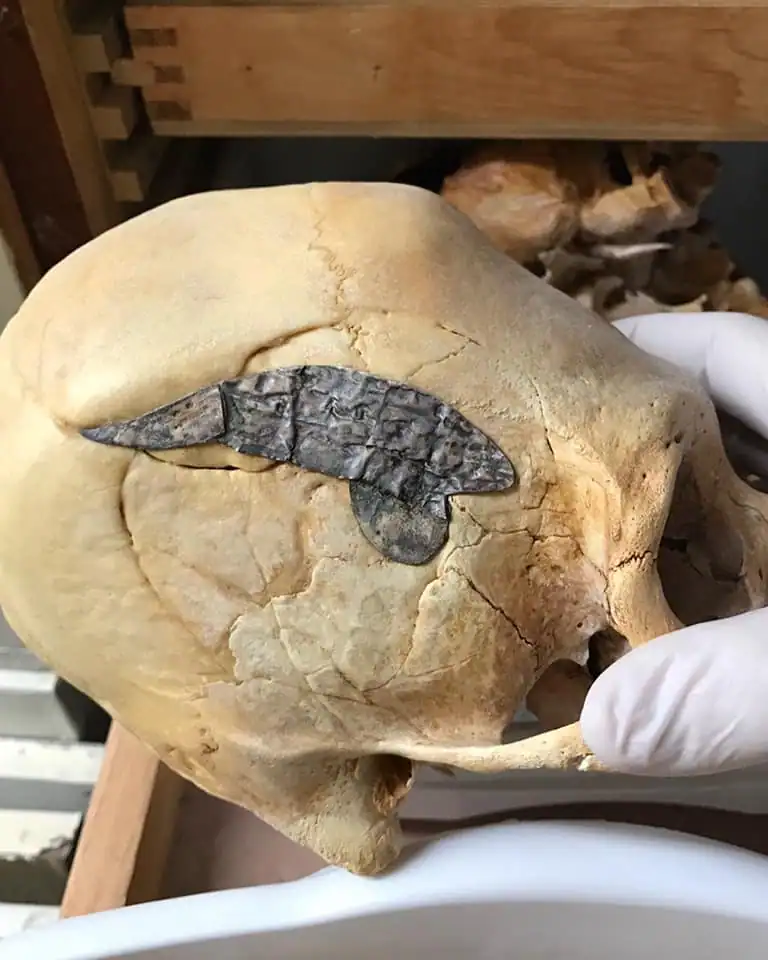
In addition to color, the hair texture found on some Paracas skulls looks finer or wavier than typical indigenous Andean hair.
This has caused some researchers to suggest possible genetic diversity within the Paracas population.
The Paracas civilization was located near trade routes along the coast, making contact with other cultures possible.
Migration, intermarriage, and long-distance travel could explain variations in appearance.
This does not prove foreign origin, but it does suggest the Paracas people were not isolated.
7. DNA Testing Has Been Limited and Controversial
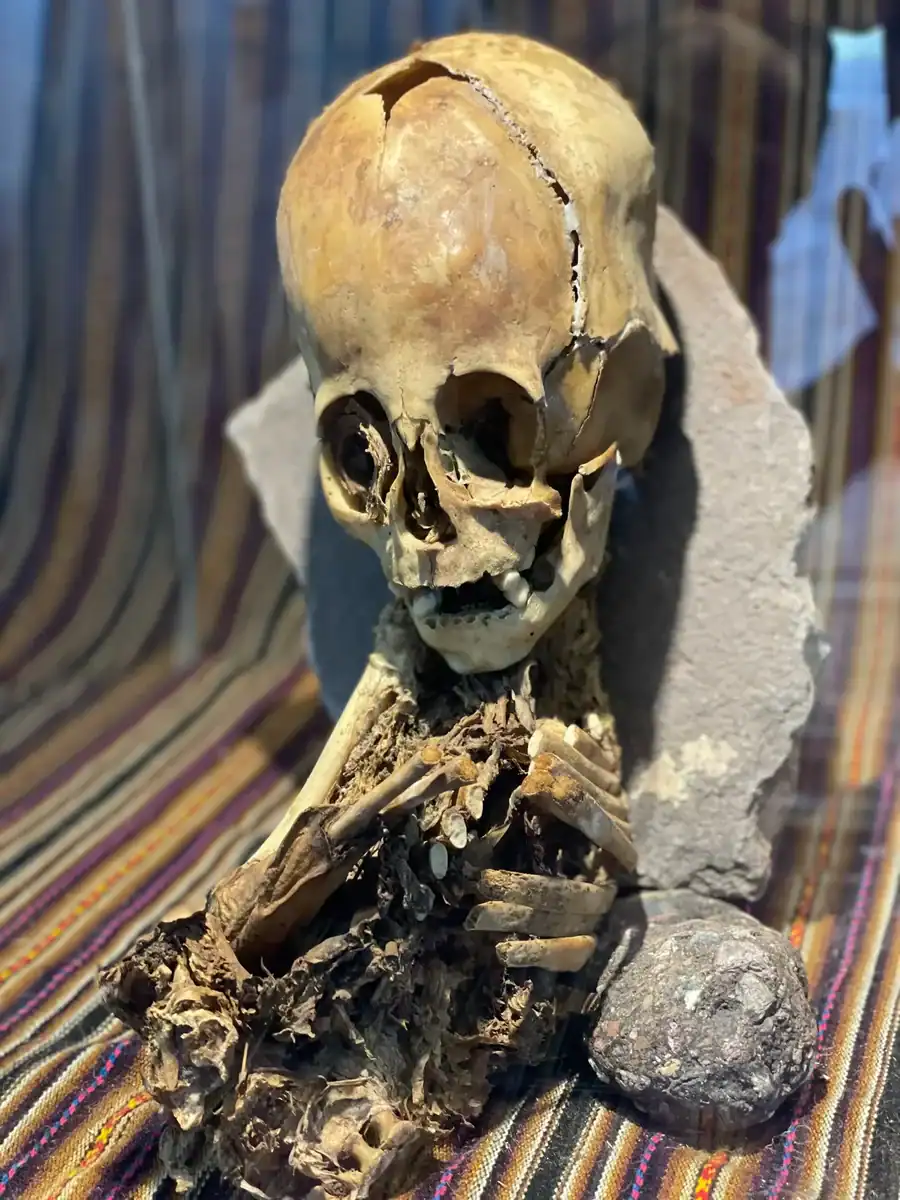
There have been claims of DNA testing on Paracas skulls, but most of these studies are either incomplete or not published in major scientific journals.
This makes the results difficult to verify. Some tests suggest unusual genetic markers, while others show typical human DNA.
Without consistent, peer-reviewed studies, no firm conclusions can be made.
Most mainstream scientists agree the skulls belong to humans, but acknowledge that more research is needed to fully understand their genetic background.
8. The Paracas People Were Skilled Textile Makers
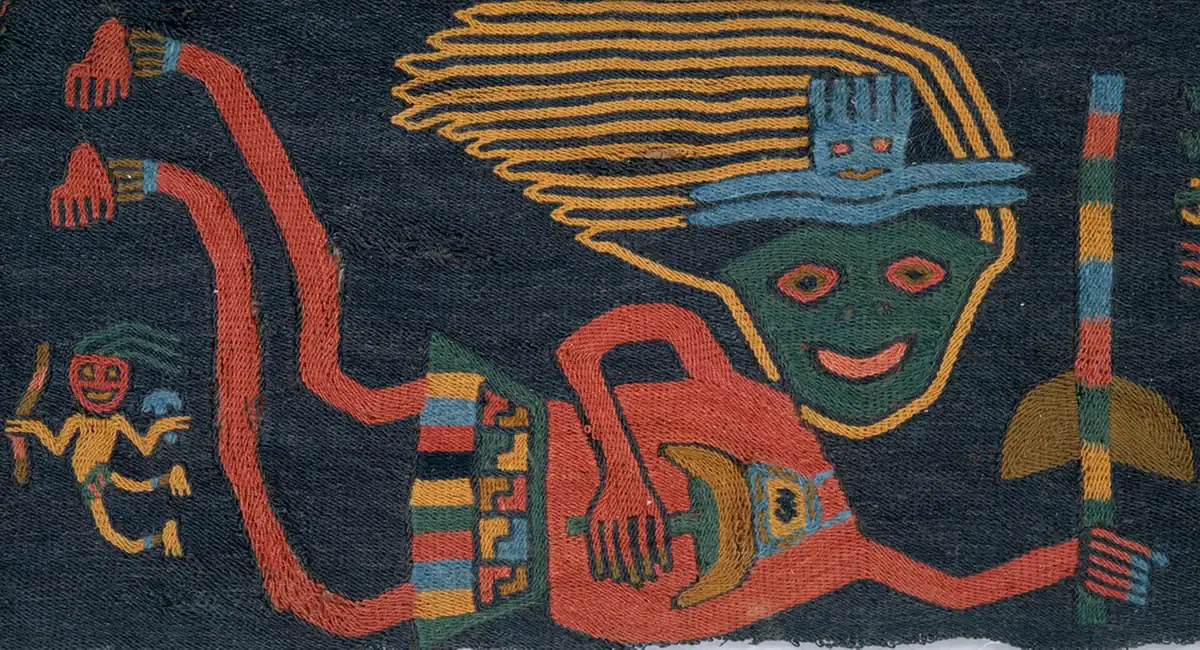
The Paracas culture is famous for its advanced textiles. Some of the finest ancient fabrics ever found come from Paracas burial sites.
These textiles were made using complex weaving techniques and vibrant colors.
The presence of such high-quality items in the same tombs as elongated skulls suggests these individuals held important roles in society.
They may have been leaders, priests, or elite families. This supports the idea that skull deformation was a mark of status.
9. The Skulls Were Buried With Respect and Ceremony
The Paracas skulls were not discarded or hidden. They were carefully wrapped, placed in tombs, and surrounded by offerings. This shows respect and intentional burial practices.
Many skulls were wrapped in layers of cloth, sometimes forming large burial bundles. This indicates belief in an afterlife or spiritual journey.
Such careful treatment strongly suggests these individuals were valued members of their community.
10. The Mystery Remains Partly Unanswered
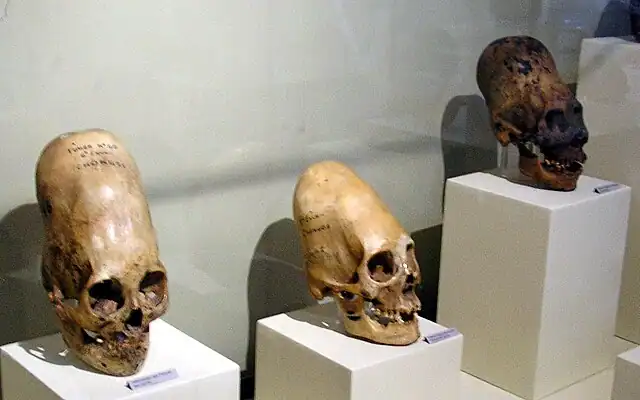
Despite decades of study, the Paracas skulls still raise unanswered questions. Their size, shape, and hair continue to challenge simple explanations.
While cranial deformation explains much of their appearance, some details remain unclear.
What is certain is that these skulls belong to a real ancient culture with deep traditions, advanced skills, and strong beliefs.
They reflect human creativity, identity, and the desire to stand apart.
The Paracas skulls remind us that ancient people were complex and that history often holds more mystery than simple answers.

Sempre senti uma forte ligação com o Divino desde o meu nascimento. Como autora e mentora, a minha missão é ajudar os outros a encontrar o amor, a felicidade e a força interior nos momentos mais sombrios.