

Regret brings a second layer of meaning to each mistake. It can change how we remember, judge, and forgive actions.
Some people say that regret will change everything, while others believe it is just a secondary factor after an action has occurred.
This tension has been around for a while now, and separating them is difficult. When you look at both sides, you will see that regret and wrongdoing are often connected, but not always in the way you would think.
1. Regret Changes How We Interpret Actions

An action can be seen differently depending on whether there is remorse after it is performed. When an individual provides evidence of remorse, the motivation behind the action may be reevaluated.
The focus shifts from the action to the individual. Without remorse, the action appears to be permanent and cannot be changed.
However, in the case of remorse, the action becomes part of a larger narrative; this does not change the original action, but it alters how the action is understood.
2. Some Traditions Prioritize the Act Itself

Many belief systems view the action itself as the key issue, regardless of any regret. What has already happened holds its own weight and carries its own consequences.
While there might be a recognition of regret, it does not change the already committed act. This is called accountability; it’s an acknowledgement of the reality of the action that goes beyond any emotional response.
From this point of view, regret is valid but limited in value to what has already occurred. Rather, the original act remains as the primary factor that defines it.
3. Others See Regret as a Turning Point

Regret is often seen in the context of transformation or as a point of change since it denotes an awakening of self-awareness and sets forth a direction change for the individual.
Although the action itself still holds value, regret brings about the possibility for transformation; when one experiences regret, this implies that he/she is no longer aligned with his/her original actions.
In this perspective, regret is viewed as being an active experience rather than just a passive one. Regret is part of the overall process of moving onward with one’s life rather than just a reaction to what has occurred in the past.
4. Regret Can Be Genuine or Performative

Not all regret has the same value. Sometimes you genuinely feel regret, and others express their regret because they feel they have to.
People generally have an intuitive sense of how genuine or insincere someone feels, even if they cannot articulate that clearly.
When someone expresses sincere regret, they typically have an opportunity to change their behavior; when someone expresses performative regret, it usually does not impact how they will continue to live.
Therefore, the type of regret affects the judgment of both the action and the person involved in that action.
5. The Absence of Regret Often Feels Heavier

Without reflecting upon an action, it may seem like a more extreme act, even if it really isn’t. Most people respond to this lack of introspection with great emotion, as it implies that the individual engaged in such behavior was not mindful of what they did.
Because of this, the original act may seem like more of a fixed point in time and not easy to superado.
So, while regret does not undo an act of wrongdoing, an absence of it can enhance an individual’s perception of that act.
6. Regret Does Not Always Lead to Change

Having feelings of remorse doesn’t guarantee improvement in your behavior, given that most individuals will feel remorse multiple times but fail to make behavioral changes as an outcome.
This creates a disconnect between feeling and acting, and continued feelings of remorse multiple times without behavior change can lessen the impact of remorseful feelings; it becomes simply a cycle vs. a solution to acting inappropriately (if remorse doesn’t lead you to change, what value does it have?).
7. Actions Leave Effects That Regret Cannot Remove
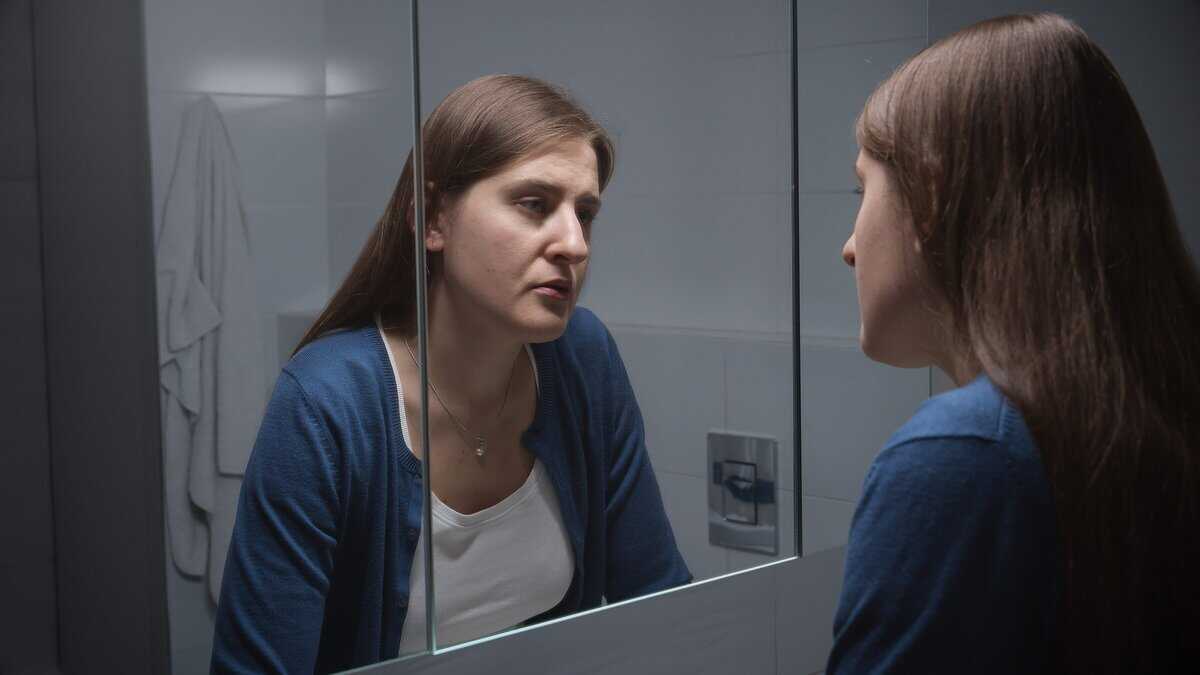
No matter how much you regret your actions, they will still have long-lasting effects regardless of whether they were emotional, social, or practical.
So while regret has some ability to determine how others view you, it does not change the past. Thus, some perspectives focus more heavily on the act itself, as opposed to regret.
Furthermore, actions have a lasting effect after the moment of regret; thus, it is essential to pay attention to both the emotional component of regret and the consequences.
8. Regret Can Reshape Identity Over Time

Regret can become part of a person’s identity and thus affect their future decisions and priorities. In addition to influencing future decisions, regret can alter how a person lives over time.
Regret, therefore, should be a recurring influence rather than just being the cause of a single event or decision; it is part of an individual’s longer-term growth process.
While it doesn’t negate the original event, it does demonstrate that regret can have an extended impact.
9. People Judge Regret and Actions Together

A major action with clear remorse may be perceived differently from a minor action without such remorse.
Thus, these elements interact, and it becomes difficult to make a determination about which element is of more importance.
Rather than one element being more important than the other, these two elements shape each other.
The presence or absence of remorse will shape how an action is perceived, while the nature of an action will shape how remorse is evaluated.
10. The Balance Between Feeling and Responsibility
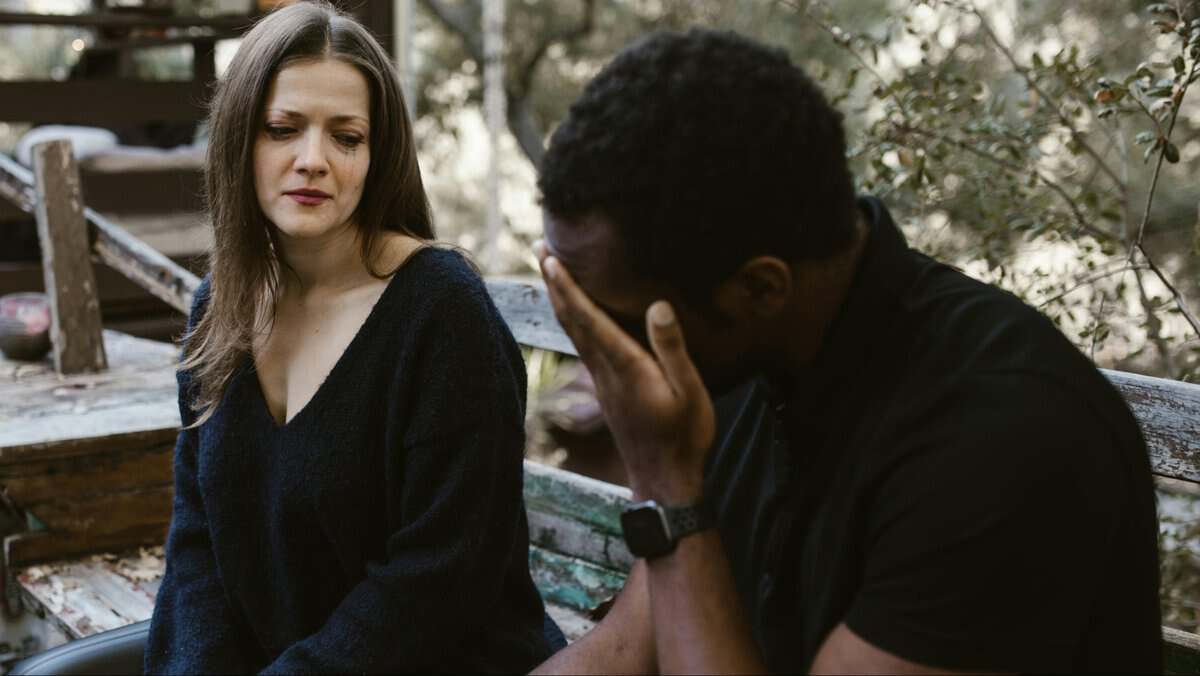
Ultimately, this isn’t a choice between regret and action. They both exist together, with one representing an experience that happened and the other representing an experience that you understand in hindsight.
If you only think about the regret, you will likely overlook the consequences of the action. If you only think about the action, you will likely overlook the degree of change brought about by the regret.
Both together provide valuable insight into an overall situation. Would you forgive someone who demonstrates genuine regret?

Born and raised in Bosnia and Herzegovina. Ever since I was a little girl, my imagination knew no bounds. I remember vividly how I’d scribble down short stories, each page bursting with adventures and characters conjured up from the whimsy of my mind. These stories weren’t just for me; they were my way of connecting with my friends, offering them a slice of my fantasy world during our playtimes. The joy and excitement on their faces as we dived into my fictional realms motivated me to keep writing. This early passion for storytelling naturally evolved into my pursuit of writing, turning a childhood hobby into a fulfilling career.