
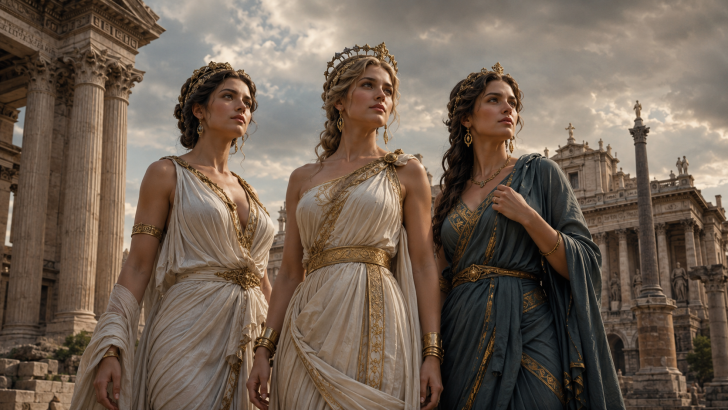
Roman mythology is often remembered for its powerful gods, heroic legends, and grand temples.
Yet many of the most influential figures in Roman religion were goddesses who represented wisdom, love, the home, the moon, fortune, and countless other aspects of life.
Romans honored these divine figures through festivals, prayers, and public ceremonies that shaped their culture for centuries.
Some of these goddesses were protectors of cities. Others were connected to family life, nature, or personal destiny.
Together, they formed an important part of Rome’s religious world and continue to fascinate people today.
Here are ten Roman goddesses worth knowing.
1. Venus
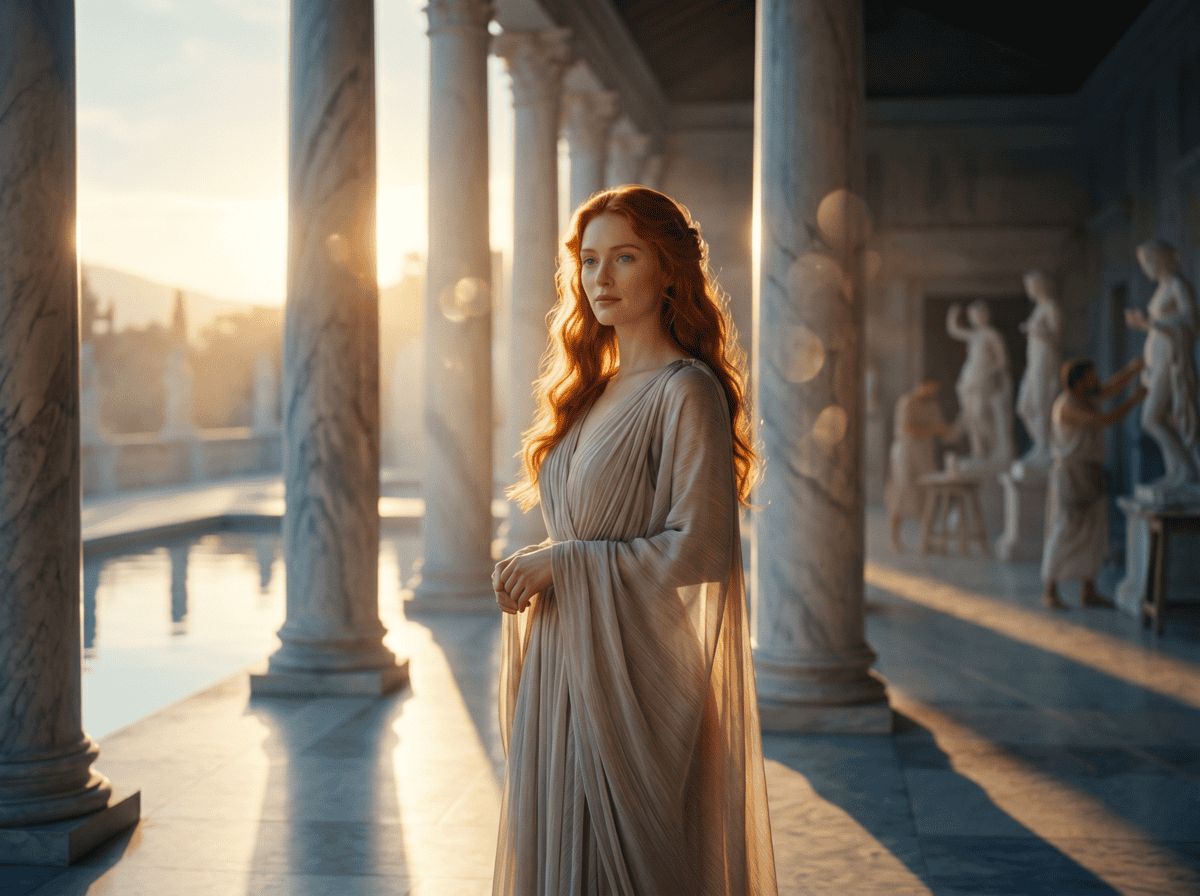
Venus was one of the most beloved goddesses in Roman mythology. She was associated with love, beauty, attraction, fertility, and prosperity.
Although often compared to the Greek goddess Aphrodite, Venus became much more than a goddess of romance in Roman culture.
The Romans saw her as a powerful protector and an important ancestral figure.
According to legend, the Trojan hero Aeneas, whom the Romans considered an ancestor of their civilization, was her son.
Because of this connection, Venus held special significance throughout Roman history. Her influence extended into politics, art, and religion.
Temples dedicated to Venus could be found throughout the Roman world, and her image appeared frequently in sculptures and paintings.
Her enduring popularity made her one of Rome’s most important divine figures.
2. Minerva
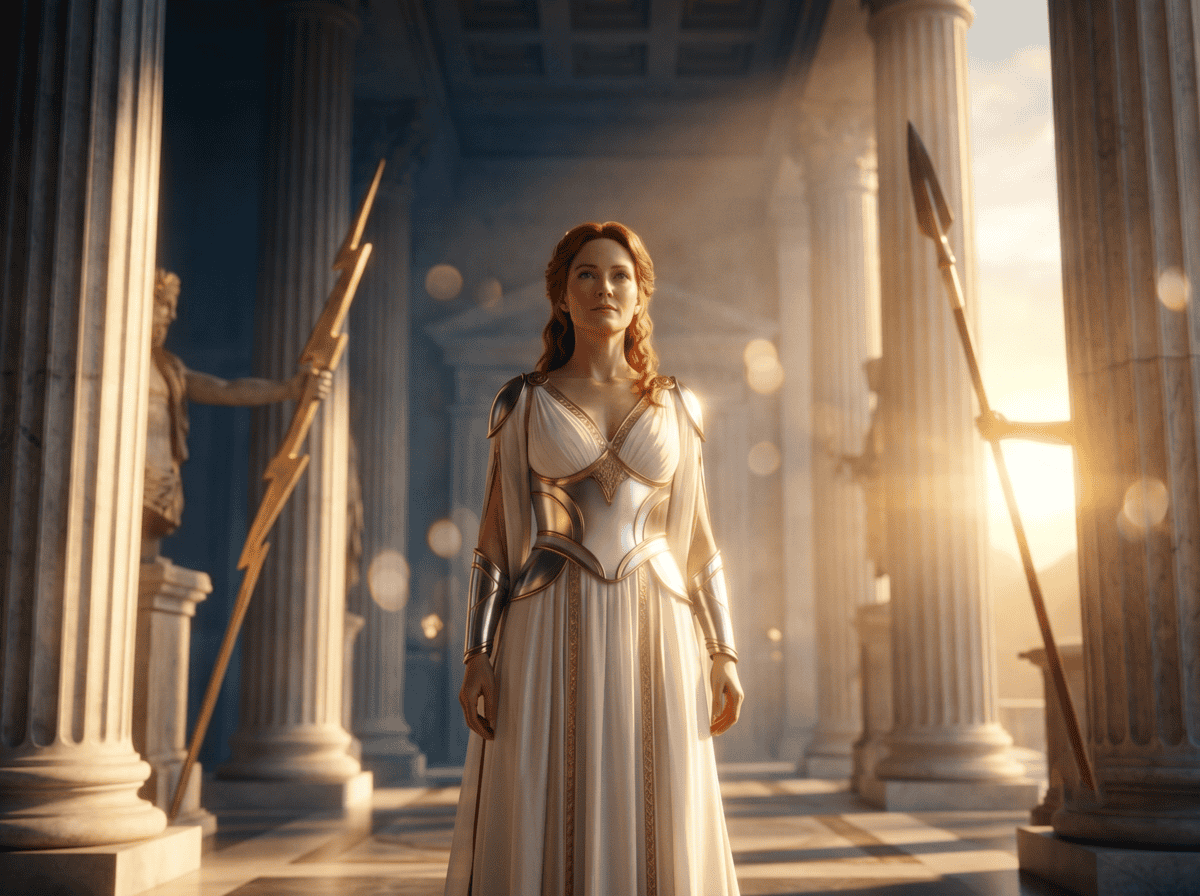
Minerva was the goddess of wisdom, learning, strategy, crafts, and intellectual pursuits.
Unlike deities associated primarily with physical strength, Minerva represented the power of knowledge and thoughtful decision-making.
She was highly respected by scholars, teachers, artists, and skilled workers.
Minerva formed part of the Capitoline Triad, one of the most important groups of deities in Roman religion.
Her wisdom was believed to guide both individuals and the state itself.
Roman craftsmen often sought her favor before beginning important projects.
She also had connections to defensive warfare, emphasizing strategy rather than brute force.
Because of her association with intelligence and creativity, Minerva became one of the most admired goddesses in Roman mythology and remains a symbol of wisdom today.
3. Vesta
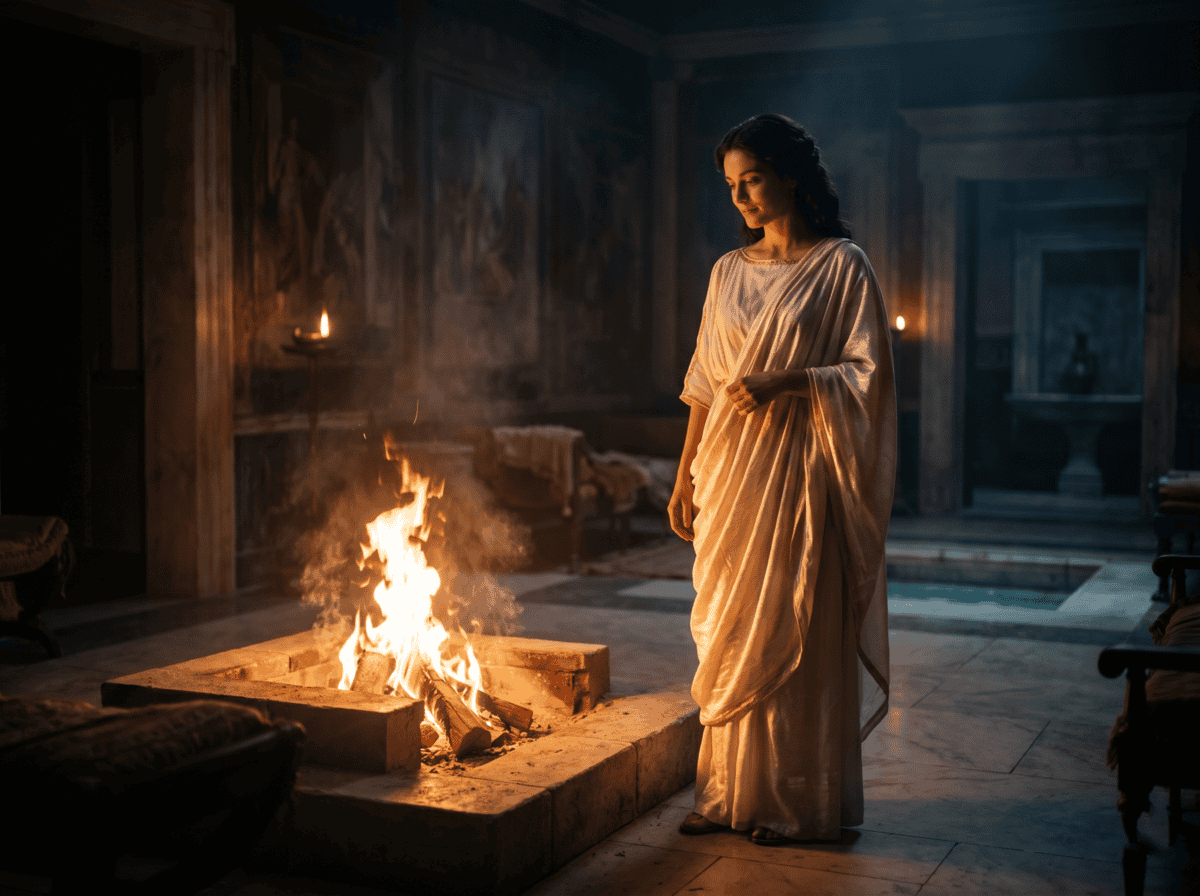
Vesta was the goddess of the hearth, home, family life, and sacred fire.
Although she appears in relatively few myths, her importance in Roman religion was enormous.
The sacred flame burning in her temple symbolized the well-being and continuity of Rome itself.
As long as the fire remained lit, many Romans believed the city enjoyed divine protection.
Vesta’s priestesses, known as the Vestal Virgins, held one of the most respected positions in Roman society.
Her influence extended into every household because the hearth was considered the center of family life.
Rather than representing dramatic adventures or battles, Vesta embodied stability, security, and domestic harmony.
Her quiet but essential role made her one of the most revered goddesses in Roman culture.
4. Diana
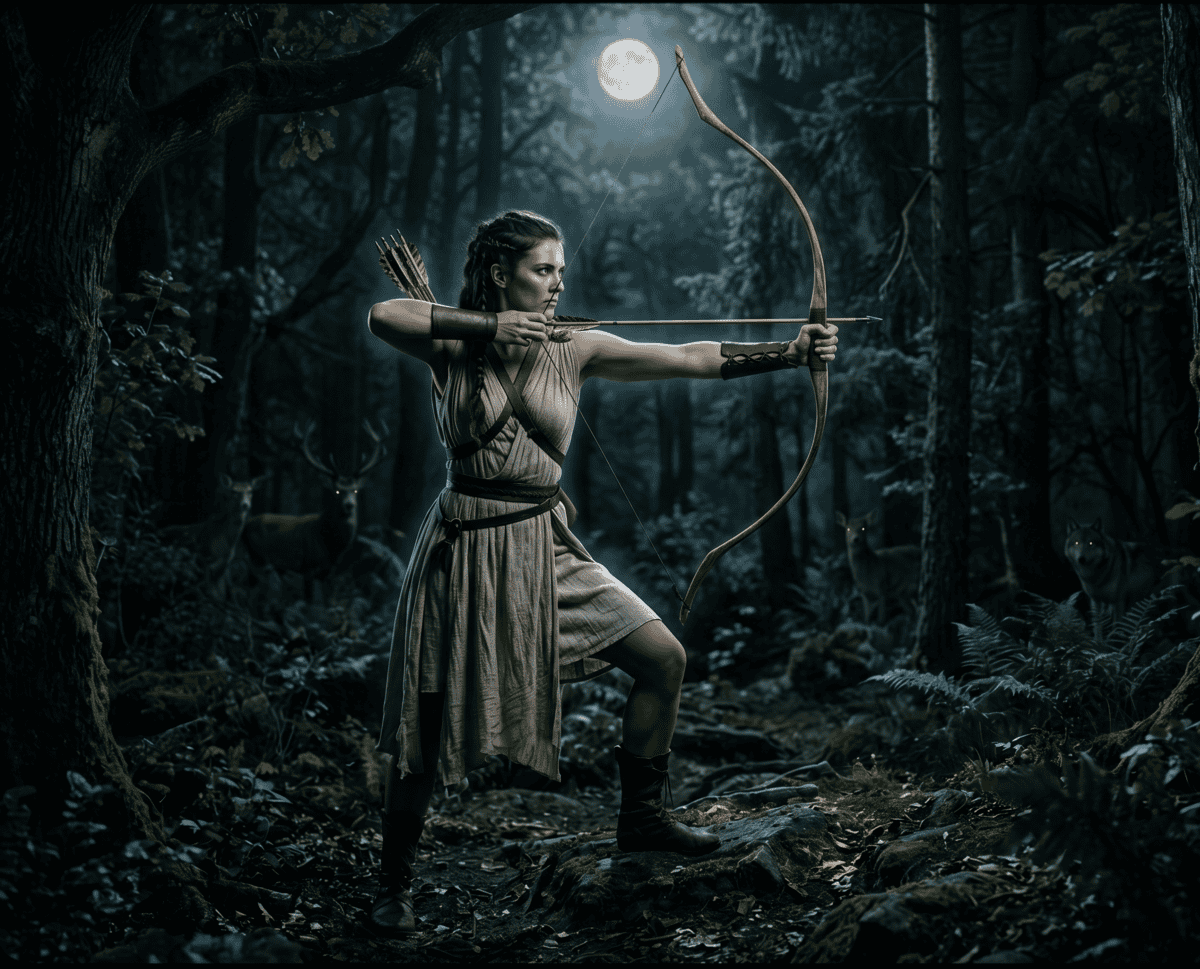
Diana was associated with hunting, wild animals, forests, the moon, and independence.
She was often depicted carrying a bow while traveling through woodland landscapes.
Diana represented freedom and self-reliance, qualities that made her especially admired among many Romans.
Her connection to nature distinguished her from deities more closely linked to cities and politics.
In addition to hunting, Diana was sometimes associated with childbirth and protection.
Her worship extended across the Roman world, and several major temples were dedicated to her.
The goddess became a symbol of strength, skill, and connection to the natural world.
Stories about Diana often emphasize determination, discipline, and respect for nature’s power.
5. Juno
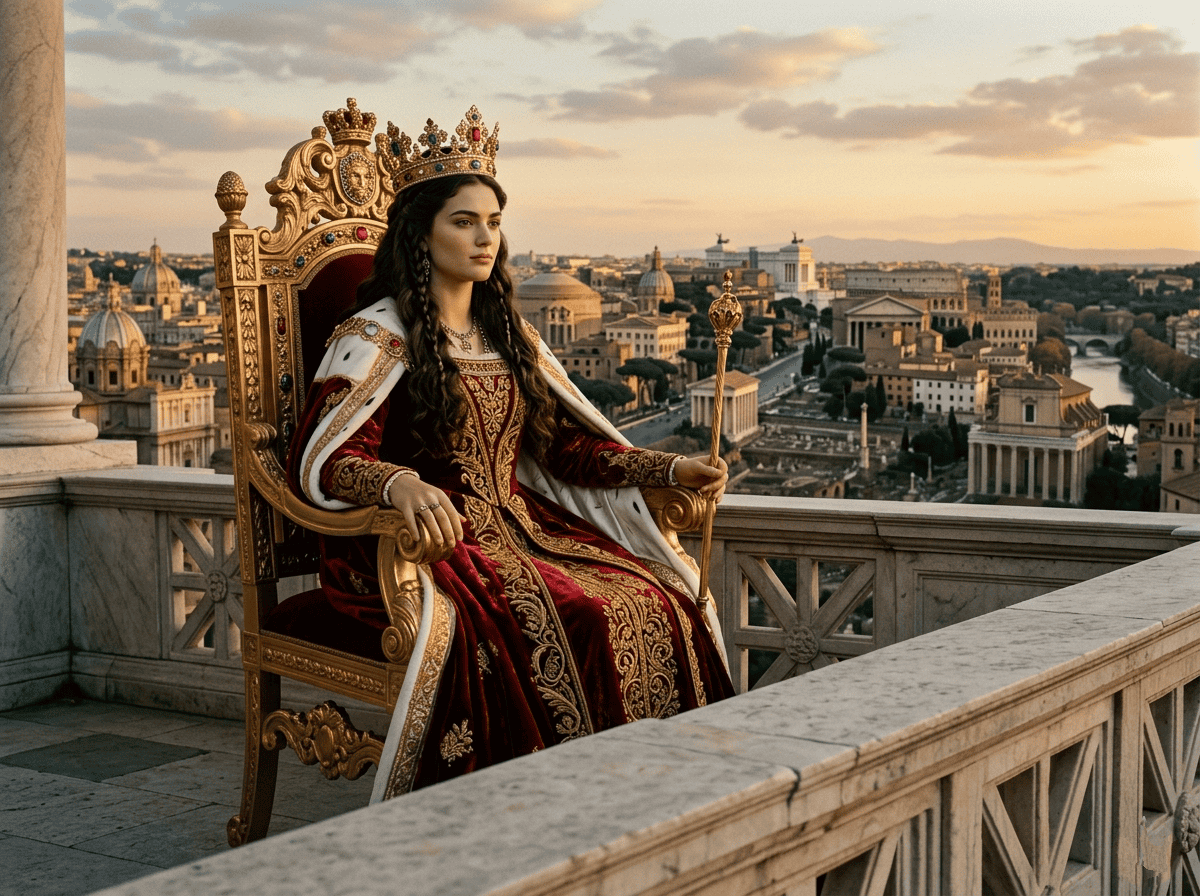
Juno was one of the most powerful goddesses in Roman mythology.
As the wife of Jupiter and queen of the gods, she held a position of immense authority.
Juno was associated with marriage, women, family life, and the protection of the Roman state.
Many women prayed to her for guidance and support during important stages of life. She also served as a guardian of Rome itself.
Because of her importance, Juno was worshipped through numerous festivals and public ceremonies.
Her role combined both personal and national significance.
As a protector of families and a defender of the Roman people, she became one of the most respected figures in Roman religion and remained central to worship for centuries.
6. Ceres
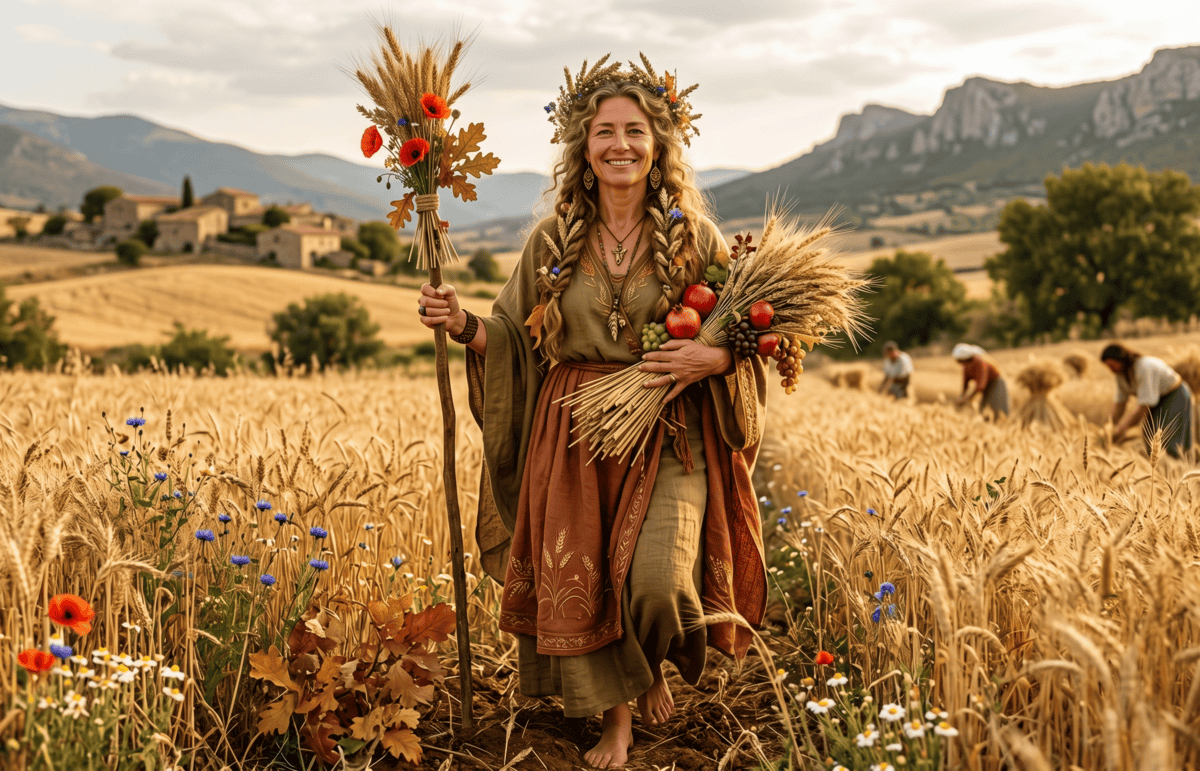
Ceres governed agriculture, grain, fertility, and harvests. In a society that depended heavily on farming, her importance cannot be overstated.
Successful harvests meant food, stability, and survival. Because of this, Ceres played a vital role in Roman religious life.
Farmers regularly honored her through offerings and celebrations.
Her mythology closely parallels that of the Greek goddess Demeter, particularly through stories involving her daughter Proserpina.
These myths helped explain the changing seasons and agricultural cycles.
Ceres symbolized abundance, nourishment, and the connection between humanity and the land.
Her influence touched the lives of nearly every Roman citizen, making her one of the most essential goddesses in the Roman pantheon.
7. Fortuna
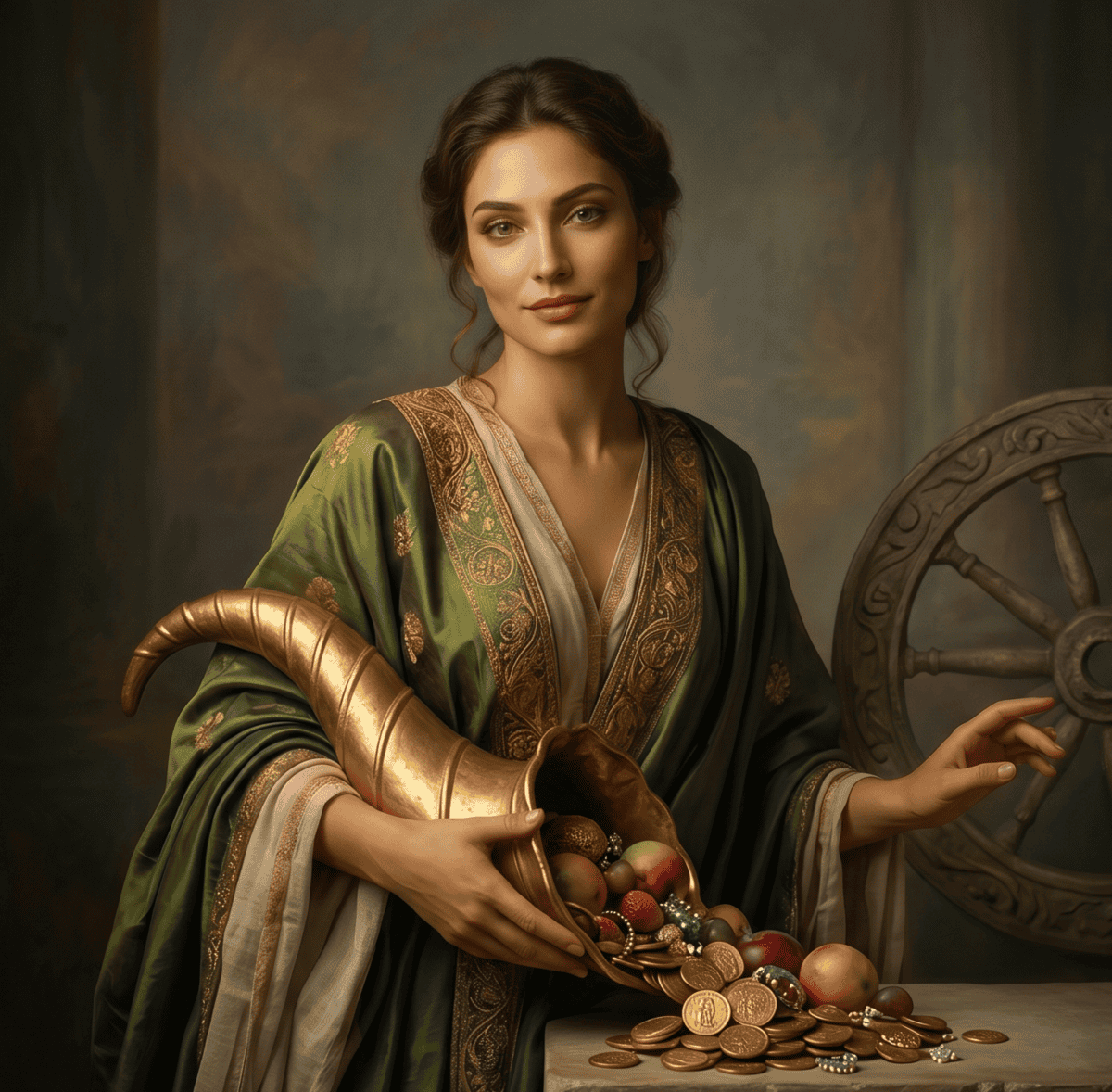
Fortuna was the goddess of luck, chance, fortune, and destiny.
Romans believed that fortune could change unexpectedly, bringing either success or hardship.
Because of this uncertainty, Fortuna attracted many worshippers.
People looked for her favor in business, travel, politics, and personal endeavors.
She was often depicted holding a wheel, symbolizing the unpredictable nature of fate.
The image reminded people that circumstances could rise or fall without warning.
Fortuna’s influence extended into nearly every aspect of Roman life.
Her popularity reflected humanity’s enduring fascination with luck and destiny.
Even today, many symbols associated with fortune and chance trace their roots back to beliefs connected with this influential goddess.
8. Aurora

Aurora was the goddess of the dawn. Her daily appearance symbolized renewal, hope, and fresh beginnings.
According to Roman mythology, she renewed herself each morning and crossed the sky to announce the arrival of the sun.
The beauty of sunrise made Aurora a particularly poetic figure.
Writers often described her with rosy colors and radiant light spreading across the horizon.
Unlike deities connected with conflict or judgment, Aurora represented optimism and the promise of a new day.
Her mythology reminded Romans that darkness eventually gives way to light.
This uplifting symbolism helped make Aurora one of the most admired and enduring figures in Roman mythology.
9. Proserpina

Proserpina was the daughter of Ceres and the wife of Pluto, ruler of the underworld.
Her story became one of the most famous myths in the Roman religion.
According to legend, she spent part of each year in the underworld and part with her mother.
This cycle was used to explain the changing seasons. When Proserpina returned, the earth became fertile and green.
When she departed, colder seasons followed. Her myth combined themes of loss, transformation, renewal, and the rhythms of nature.
Because her story touched on universal human experiences, Proserpina remained one of the most compelling goddesses in Roman mythology.
10. Luna
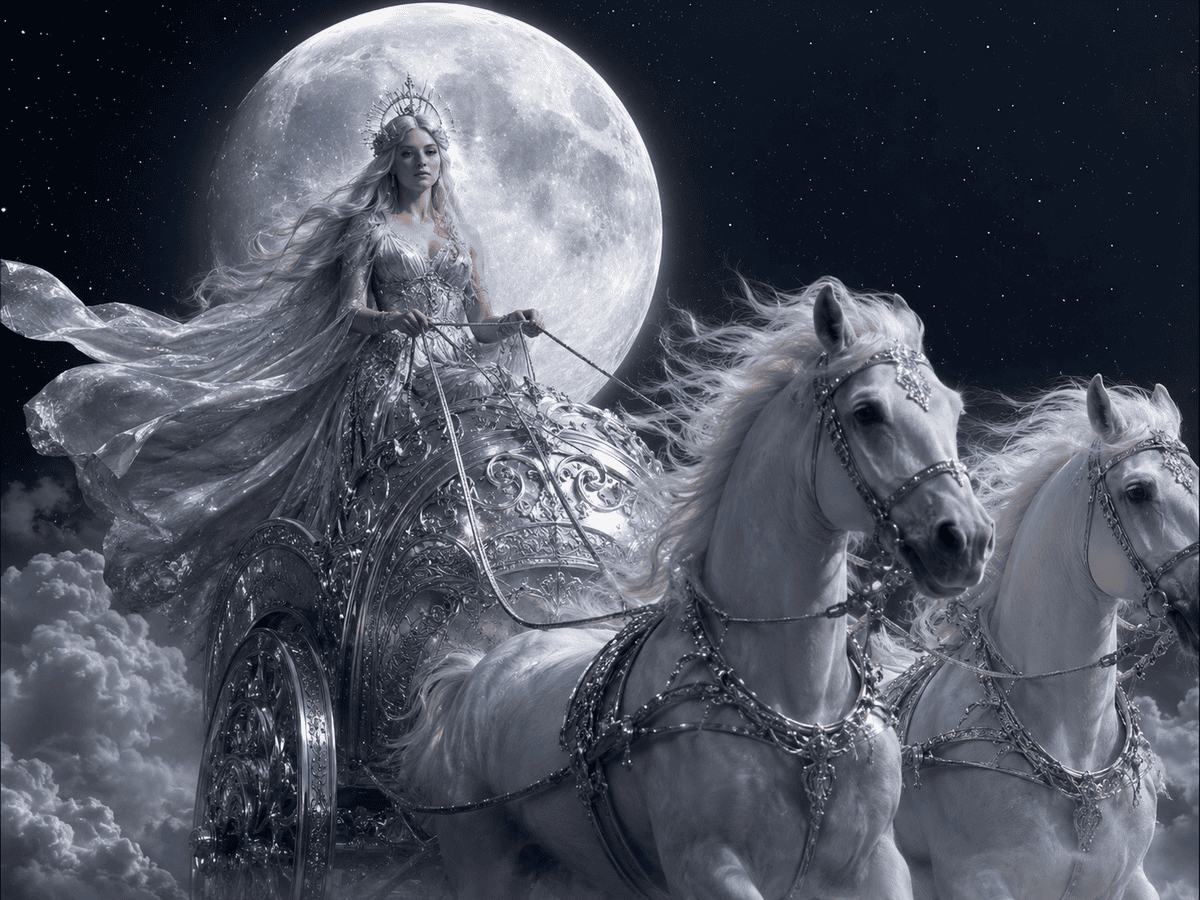
Luna was the divine personification of the moon. Her presence symbolized mystery, cycles, and the passage of time.
Romans viewed her as a celestial goddess who guided the night sky and illuminated the darkness.
The moon’s regular phases inspired fascination and wonder, making Luna an important figure in religious thought.
She was often depicted driving a chariot across the heavens as the moon traveled through the night.
Because the moon influenced calendars, festivals, and agricultural planning, Luna’s role extended beyond mythology into daily life.
Her connection to the night sky gave her an enduring sense of beauty and power.
For many Romans, Luna represented one of the most visible and constant reminders of the divine presence within the natural world.

Sempre senti uma forte ligação com o Divino desde o meu nascimento. Como autora e mentora, a minha missão é ajudar os outros a encontrar o amor, a felicidade e a força interior nos momentos mais sombrios.