

The Vatican Archives have long fascinated historians, researchers, and conspiracy theorists alike.
Hidden deep within these archives are documents, books, and manuscripts that the Church has considered dangerous, heretical, or forbidden.
Among the most mysterious collections is the Index Damnatus, often described as a secret list of texts and knowledge deemed too dangerous for the public.
The Index is different from the more commonly known Index Librorum Prohibitorum, as it includes not only books but also scrolls, letters, and other materials that challenge accepted religious or historical understanding.
The existence of the Index Damnatus has led to speculation about lost knowledge, suppressed science, forbidden history, and secret teachings.
While much of what is claimed about it is debated, historians agree that the Vatican has carefully controlled access to certain documents for centuries. Here are ten secrets that scholars and theorists associate with the Index Damnatus.
1. It Contains Heretical Writings From Early Christianity

One secret of the Index Damnatus is that it reportedly holds writings from early Christian sects that were declared heretical.
These include texts that contradict orthodox teachings, offer alternative views on Jesus’ life, or suggest different interpretations of God, morality, and salvation.
These writings may have been banned not just for religious reasons but also because they challenged the Church’s authority.
The Index Damnatus could therefore provide a glimpse into spiritual debates that shaped early Christianity, showing that the faith was once far more diverse than people realize.
2. Some Texts Claim Knowledge of Lost Civilizations
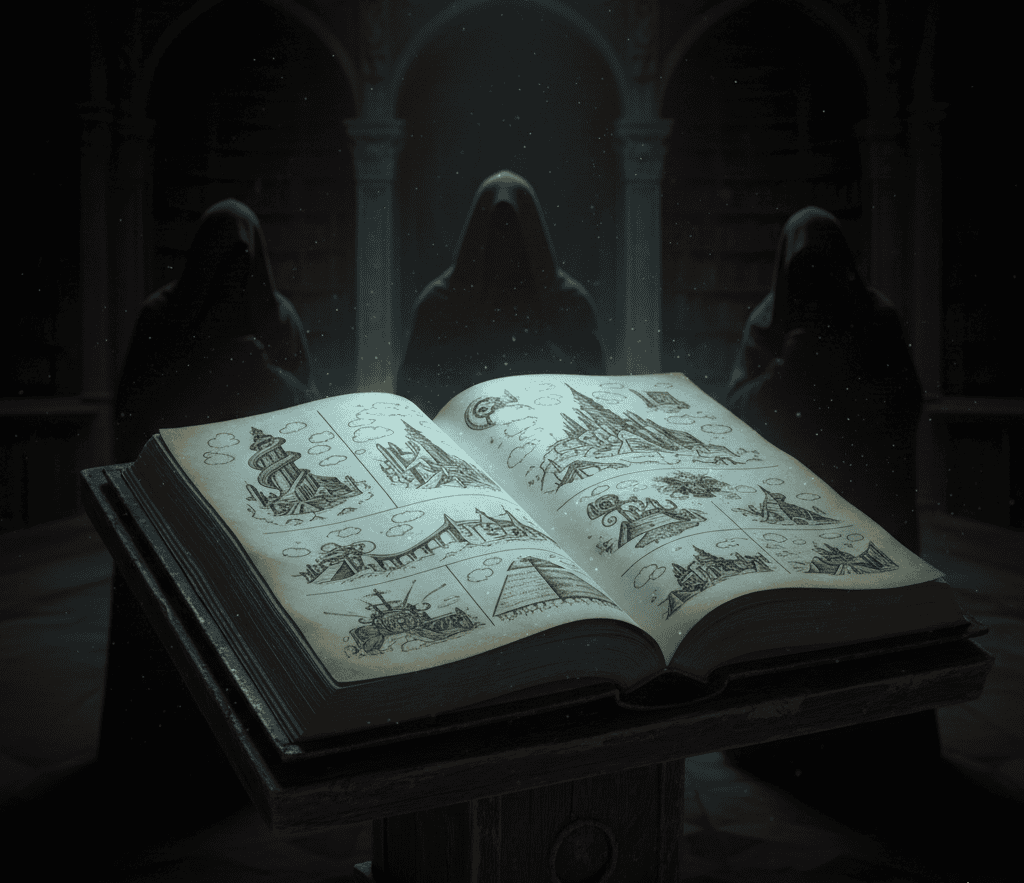
Another secret attributed to the Index is that it contains manuscripts describing civilizations lost to time.
These texts allegedly detail advanced societies that existed before recorded history, including technologies, mathematics, and knowledge that rival modern understanding.
If true, these texts could explain certain archaeological mysteries and ancient architectural achievements.
The Church may have restricted access to prevent the spread of ideas considered dangerous or heretical.
Such knowledge could challenge conventional historical narratives and raise questions about humanity’s early capabilities.
3. Forbidden Scientific Theories Are Preserved
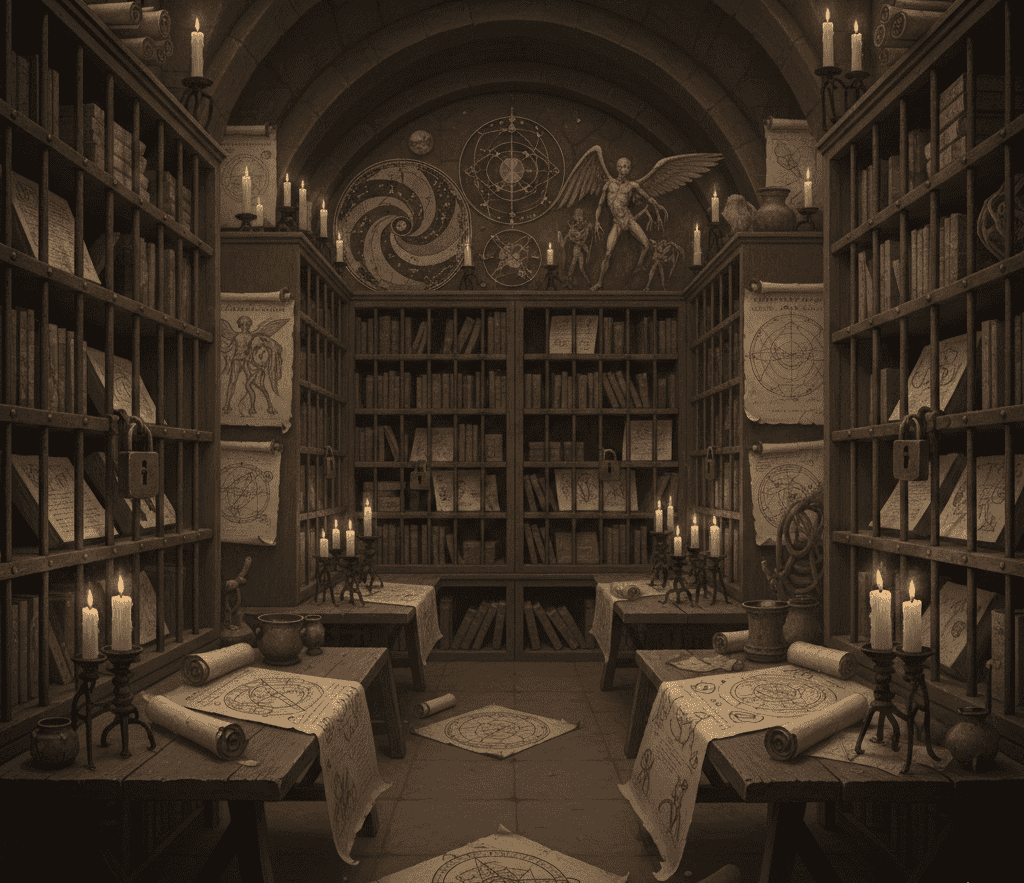
The Index Damnatus is rumored to include early scientific works that the Church deemed unacceptable.
Some of these writings explore astronomy, anatomy, physics, and cosmology in ways that contradicted established doctrine.
For example, documents might suggest alternative views of the solar system, the origins of life, or the nature of the universe.
Scholars believe these works were censored to maintain religious authority and avoid conflict with powerful social and political structures.
Today, such texts would be invaluable for understanding the history of science.
4. Esoteric Knowledge and Occult Practices
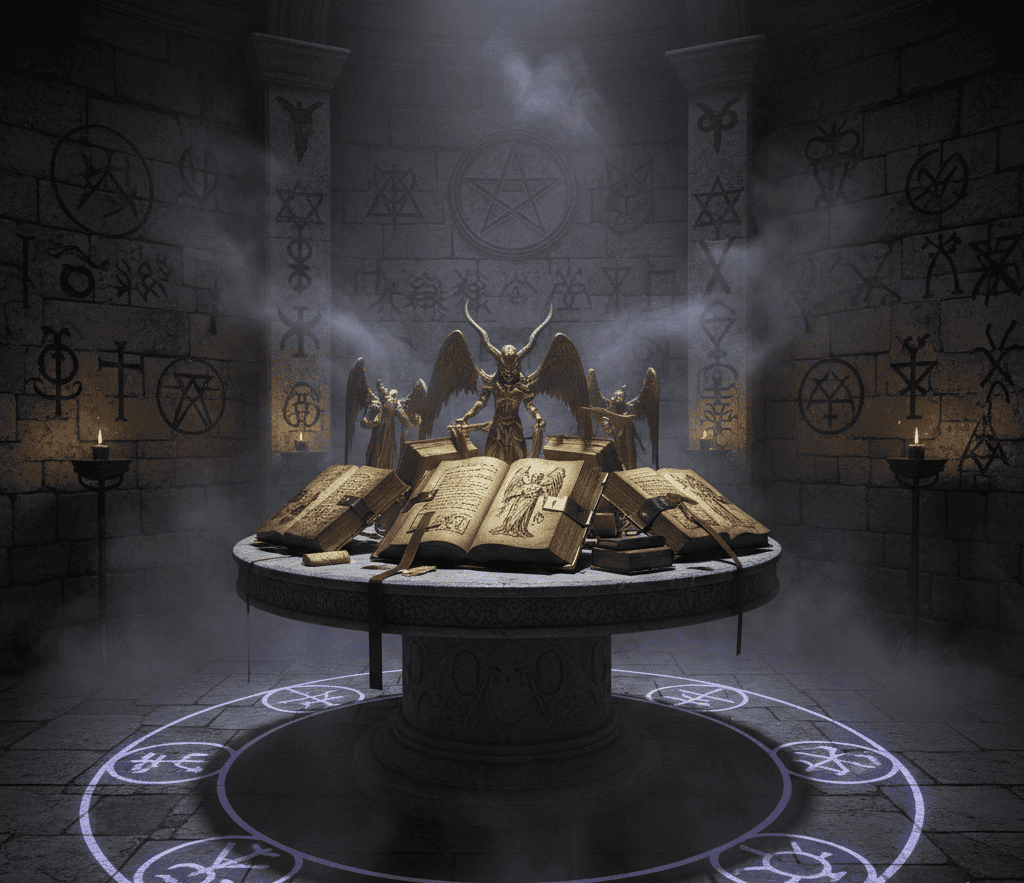
A more mysterious aspect of the Index Damnatus is its connection to esoteric knowledge and occult practices.
Some researchers claim that the Index contains manuscripts about angelic hierarchies, demonology, alchemy, and secret spiritual techniques.
While many of these claims cannot be verified, historical evidence shows that the Church has long been wary of texts that teach magic, divination, or mystical power outside official doctrine.
These works may reveal how different cultures approached spirituality and the supernatural in ways the Church wanted to control or suppress.
5. Lost Gospels and Alternative Scriptures
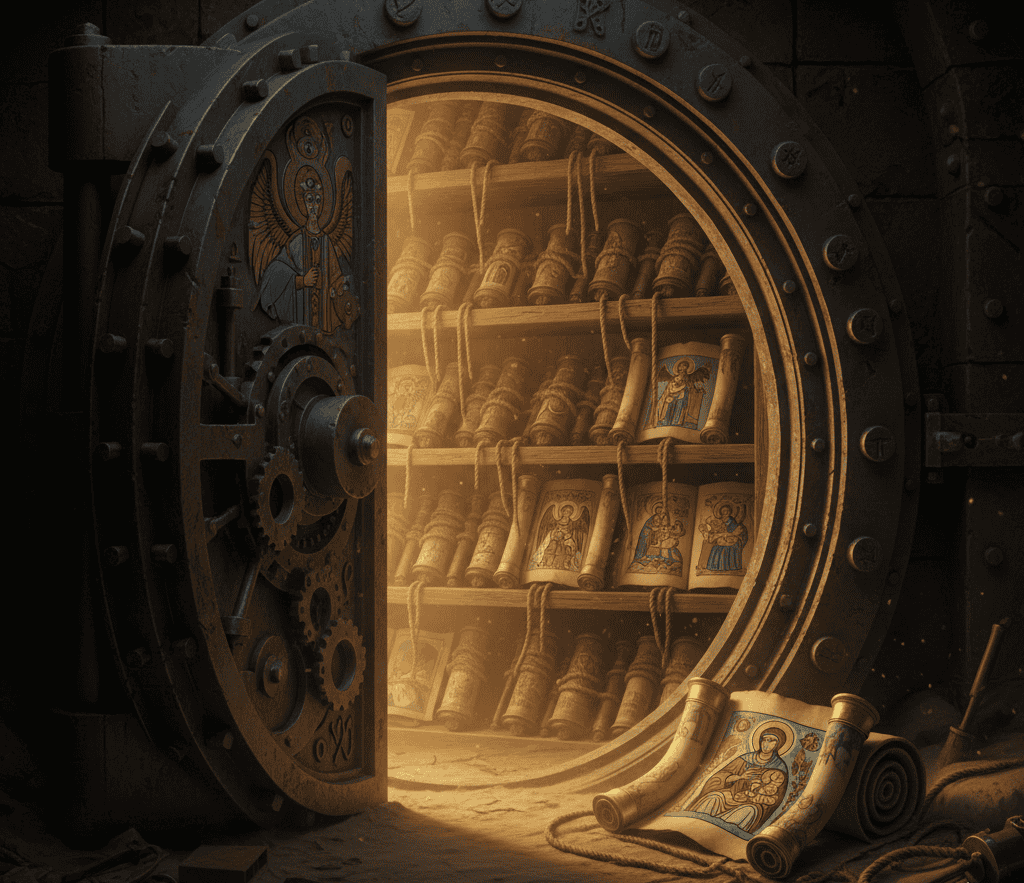
The Index may also contain lost gospels and alternative scriptures that were not included in the Bible.
These texts often present Jesus, Mary, and other biblical figures in ways that differ from canonical accounts. Some may focus on hidden teachings, secret wisdom, or forbidden prophecies.
Their suppression could have been intended to ensure that Christian teachings remained consistent across regions and generations.
If these texts were accessible, they might drastically expand our understanding of early Christianity.
6. Political and Historical Documents
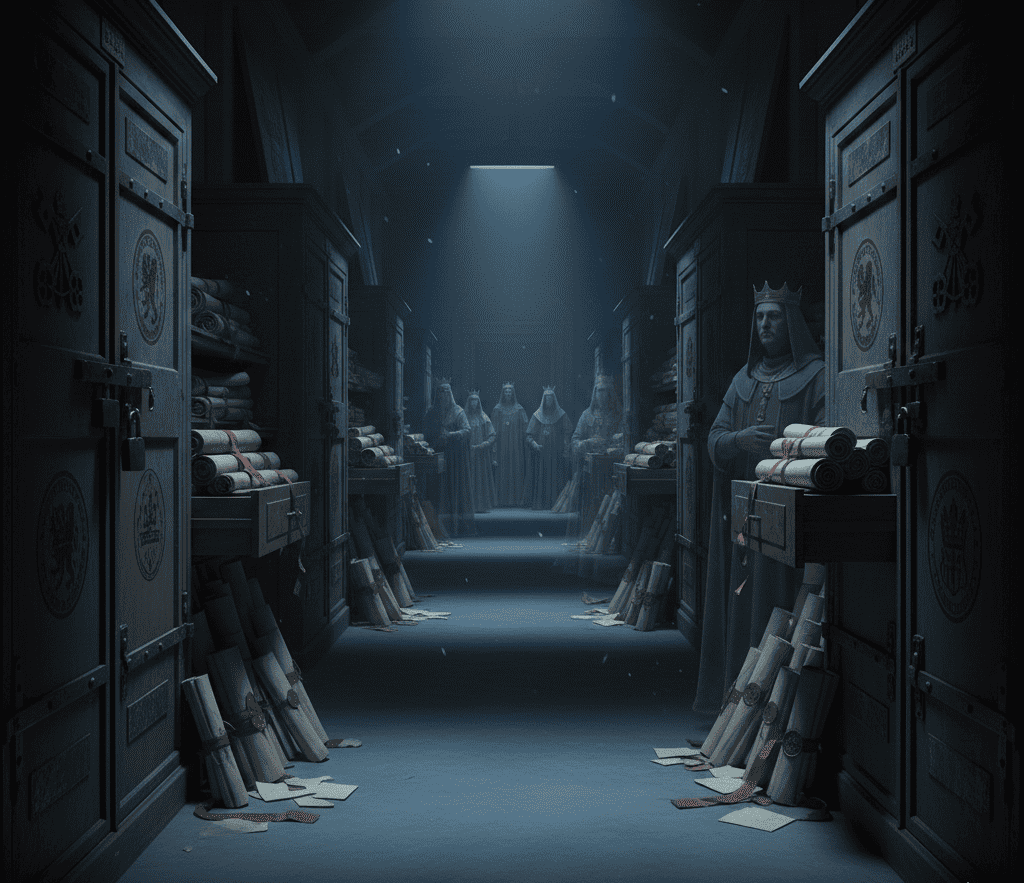
Not all texts in the Index Damnatus are religious. Many are political or historical in nature.
These documents reportedly reveal power struggles, corruption, or controversial actions involving Church leaders, monarchs, and influential figures.
Some writings could challenge widely held historical narratives, showing that decisions by rulers or clergy were influenced by motives that were never publicly acknowledged.
The secrecy of these documents suggests a careful effort to control how history was recorded and interpreted.
7. Writings on the Nature of Evil and Human Behavior

The Index is said to include studies of evil, human behavior, and moral philosophy that the Church considered dangerous.
These texts explore questions like why humans act cruelly, the origins of sin, and the limits of moral authority.
Some manuscripts reportedly describe rituals, punishments, or social experiments conducted in ancient civilizations.
Such knowledge may have been suppressed because it conflicted with official teachings about morality, divine justice, or the role of God in human affairs.
8. Connections to the Occult and Secret Societies

Several theorists claim that the Index Damnatus contains evidence of connections between the Church and secret societies or occult groups.
Some documents allegedly describe alliances, conflicts, and exchanges of knowledge between the Vatican and organizations like the Freemasons, Rosicrucians, or Templars.
If true, these records would shed light on hidden networks of influence, the flow of forbidden knowledge, and how religious and political power were maintained behind the scenes.
Many researchers see the Index as a window into a secret history that official records never acknowledge.
9. Prophecies and Predictions Hidden From the Public
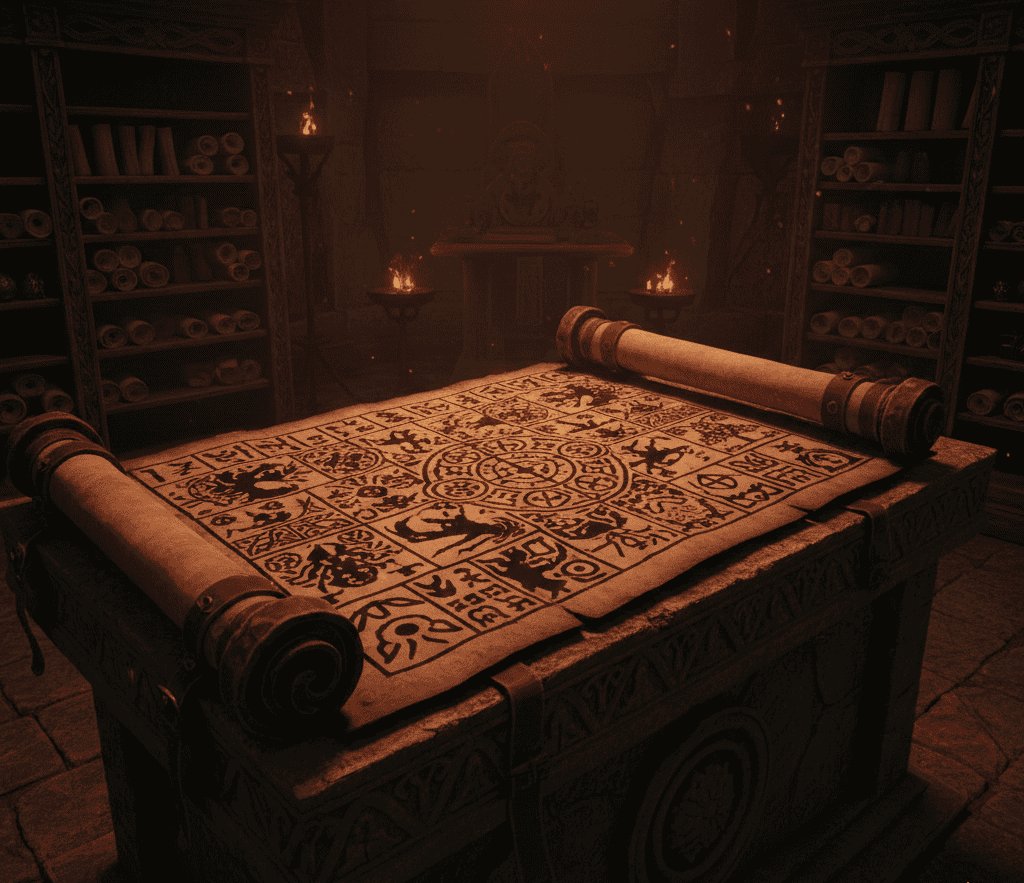
Another secret of the Index Damnatus is that it may contain prophecies and predictions that were considered too controversial to share.
These might include visions of the future, apocalyptic warnings, or messages about the fate of nations and leaders.
The Church may have suppressed these writings to prevent panic, maintain authority, or avoid challenging public belief systems.
If these texts exist, they could reveal alternative interpretations of historical events and unknown predictions that influence how people understand destiny and divine will.
10. Access to the Index Is Extremely Restricted
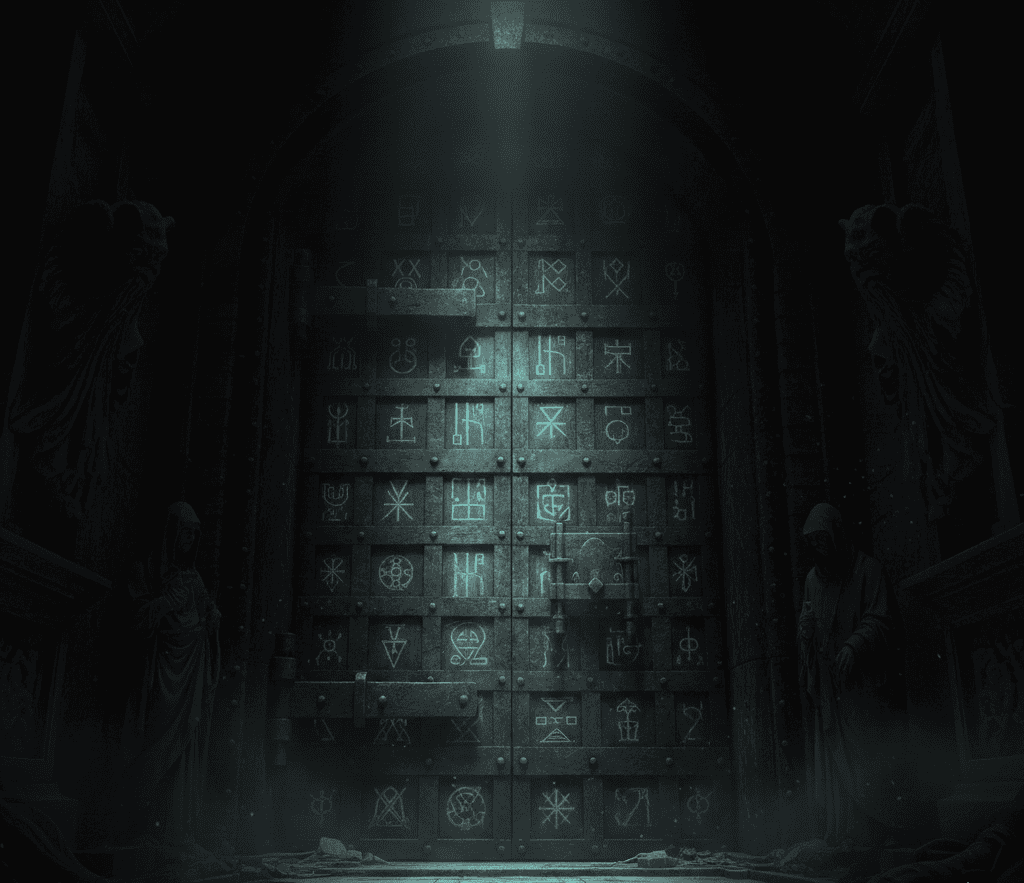
Perhaps the most well-known secret about the Index Damnatus is that almost no one outside the Vatican can access it.
Scholars who have requested access often face denial, and even within the Church, access is highly controlled.
This secrecy has fueled legends, conspiracies, and intense curiosity. It suggests that the Index contains knowledge considered too powerful, dangerous, or controversial to be revealed.
The fact that these documents exist, hidden away for centuries, shows the Vatican’s long-standing concern with controlling information and shaping the narrative of history and religion.

Sempre senti uma forte ligação com o Divino desde o meu nascimento. Como autora e mentora, a minha missão é ajudar os outros a encontrar o amor, a felicidade e a força interior nos momentos mais sombrios.