
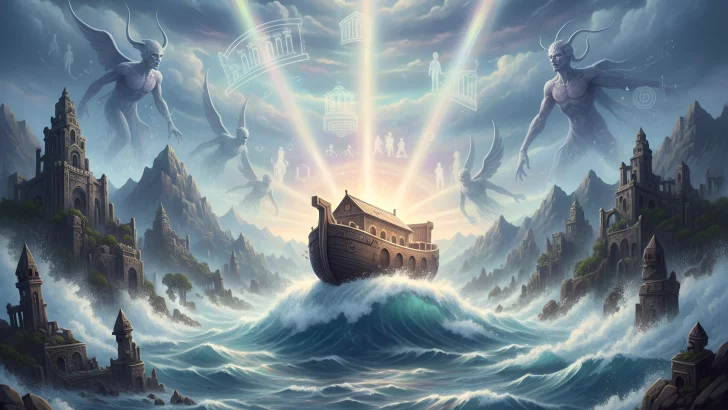
The story of the Great Flood is one of the oldest legends in human history. It appears in the Bible, Mesopotamian texts, and other ancient writings.
Many scholars and researchers believe the flood was not just about punishment, but also about removing the influence of the Nephilim, the offspring of fallen angels and human women.
These beings were considered dangerous, powerful, and sometimes corrupt.
Ancient stories suggest the flood was designed to erase their bloodline from the Earth. Here are ten signs that support this idea.
1. Widespread Destruction Across the Earth
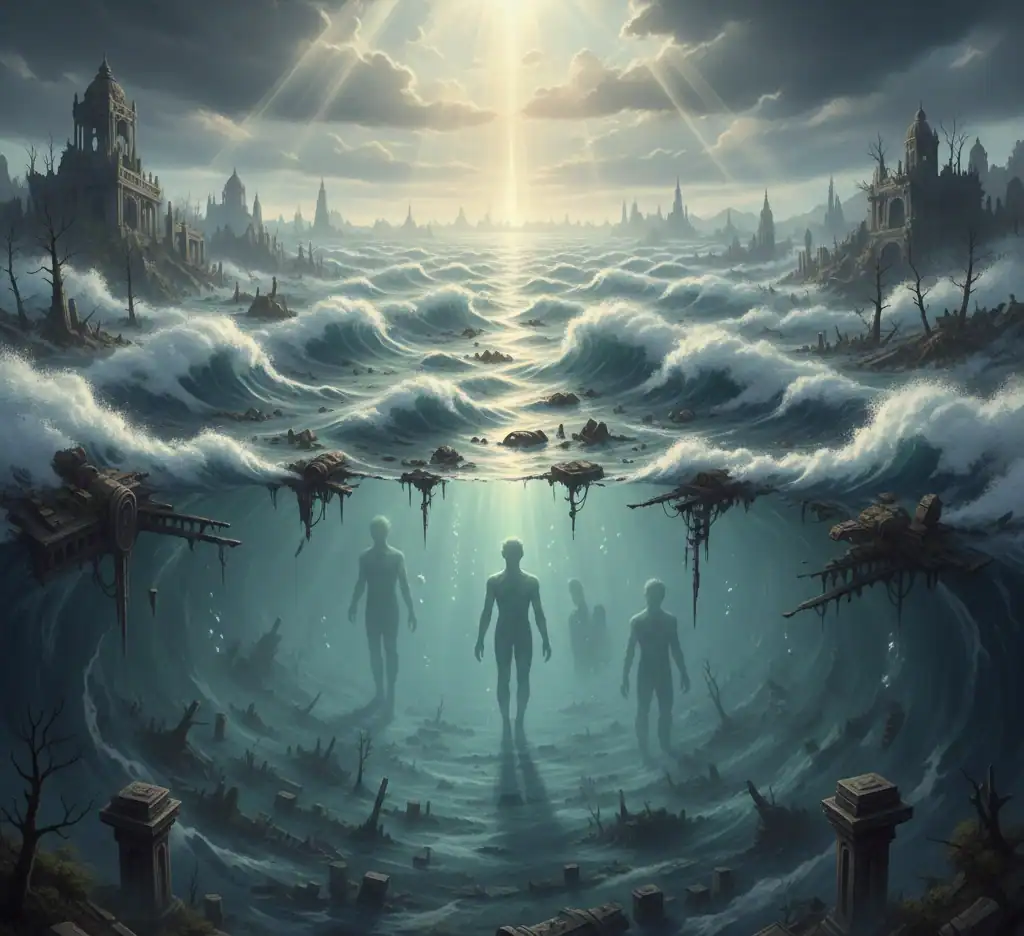
The Great Flood is described as covering the entire Earth. Water destroyed cities, forests, and entire populations.
Legends suggest this extreme destruction was not just punishment for human sin, but a deliberate attempt to remove Nephilim influence.
The scale of the flood made it nearly impossible for Nephilim to survive.
Ancient texts describe creatures of great size and power being wiped out, showing that the flood targeted beings that ordinary humans could not control.
2. Survival of Only One Family
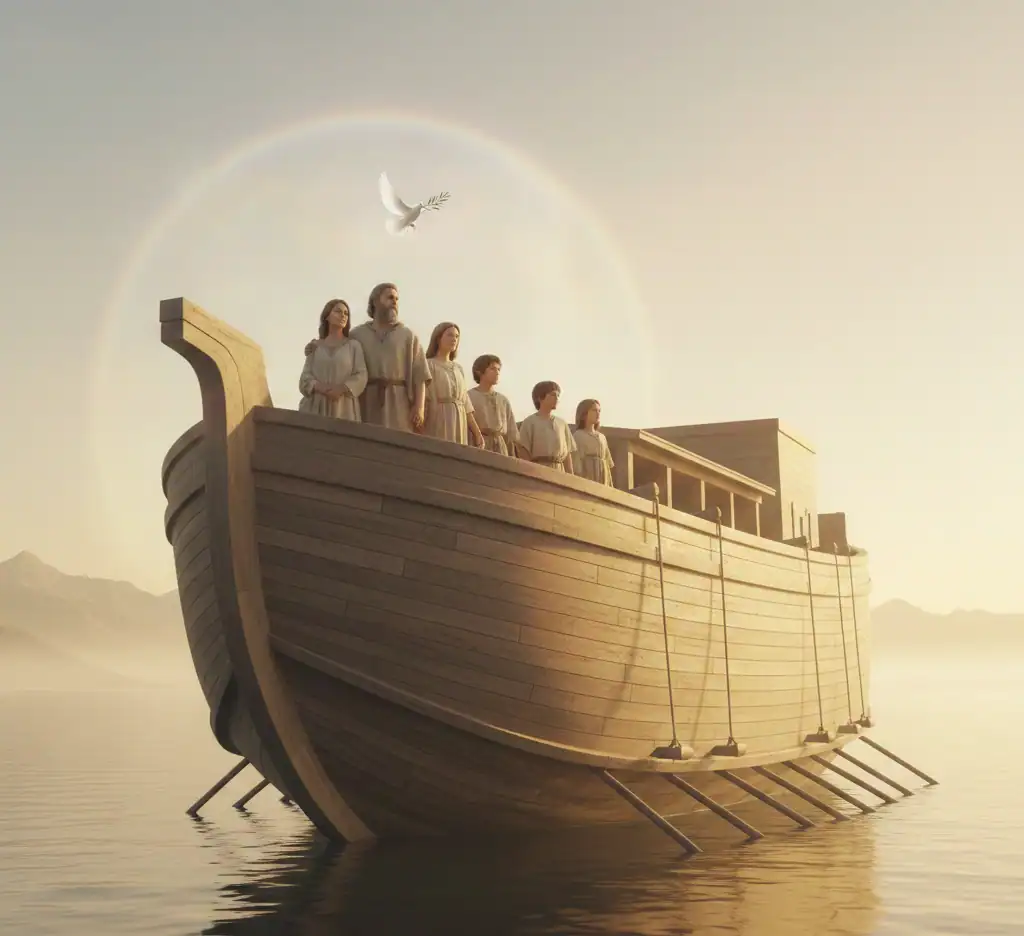
According to the Bible, Noah and his family were the only humans to survive. This selective survival points to a plan to preserve pure human DNA while removing corrupt or mixed lines.
Noah’s family had no known Nephilim ancestry. Some scholars suggest that only a few humans were spared to restart humanity without the influence of fallen angels.
The ark served as a protection for humans, while beings with Nephilim DNA were left to perish in the floodwaters.
3. Instructions to Gather Animals
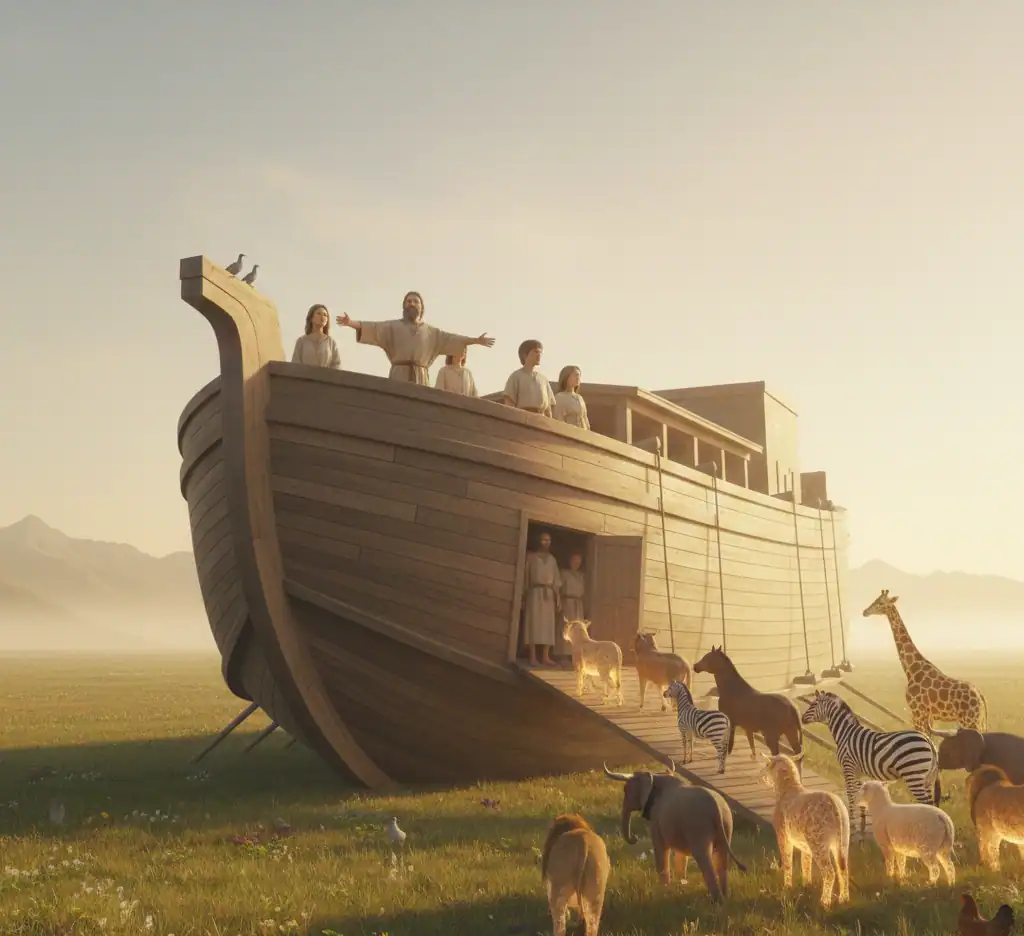
Noah was instructed to gather pairs of every animal species. Legends suggest this was not just for practical survival but also to preserve the natural order.
Nephilim were believed to have unnatural relationships with animals and the environment.
By saving only ordinary animals, the flood helped restore balance and remove unnatural influence from the world.
This idea supports the theory that the flood was meant to erase genetic and spiritual corruption associated with the Nephilim.
4. Mention of Giants and Mighty Men

The Bible mentions that giants and mighty men existed before the flood. These are often interpreted as Nephilim or their descendants.
The fact that the flood wiped out nearly all humans implies that these powerful beings were deliberately targeted.
Ancient texts describe them as violent, corrupt, or too strong for humans to control.
Their disappearance after the flood is a key sign that the event was meant to end their presence on Earth.
5. Divine Judgment Against Corruption

The flood is described as a divine act to cleanse the Earth of corruption. Some legends say this corruption was not only moral but also genetic.
Nephilim were thought to be partially divine and partially human, giving them unusual abilities that could influence humans.
By flooding the Earth, the divine plan removed these mixed bloodlines. This suggests the flood was both punishment and prevention, aiming to preserve the integrity of human DNA.
6. Warnings About Interbreeding
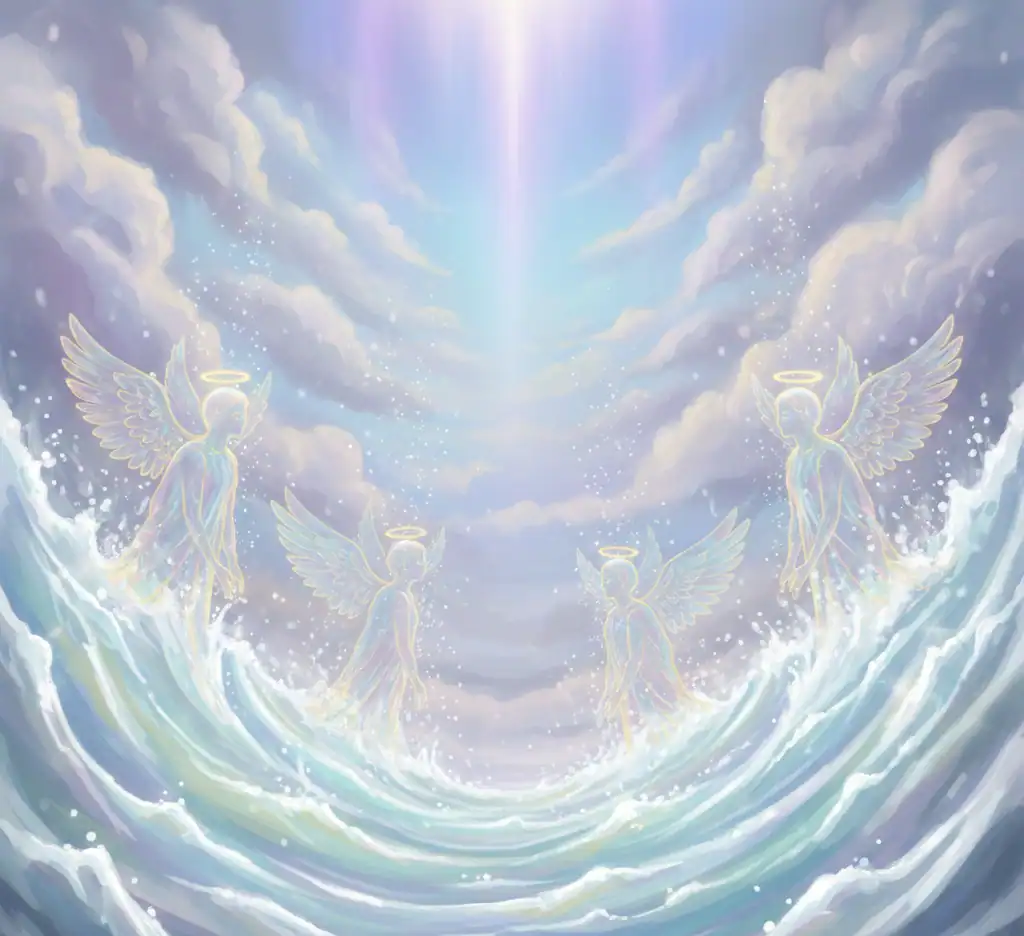
Ancient texts warn about the dangers of interbreeding between angels and humans. The Nephilim were seen as a result of this union.
The flood can be viewed as a natural reset, preventing further mixing of celestial and human blood.
Legends suggest that the Great Flood removed not only the existing Nephilim but also their potential descendants.
This idea aligns with stories that claim humanity was restarted in a way that limited supernatural influence.
7. Preservation of Human Potential
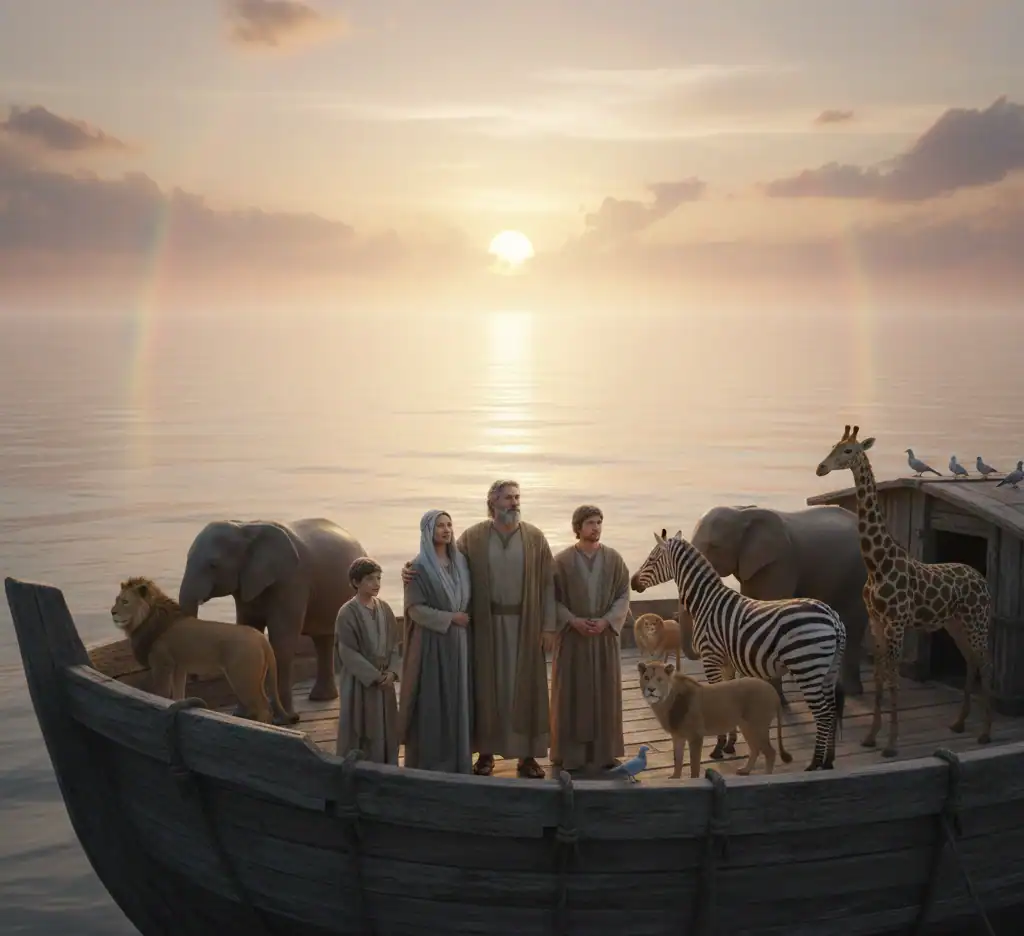
Noah’s family was chosen to survive, emphasizing the importance of human potential.
Legends say that by removing Nephilim DNA, humans could develop independently, without unnatural advantages or corrupting powers.
The flood acted as a genetic reset, giving humanity a chance to rebuild civilization on its own.
This explains why only humans and ordinary animals were saved, while beings with extraordinary traits were wiped out.
8. Evidence in Ancient Flood Stories
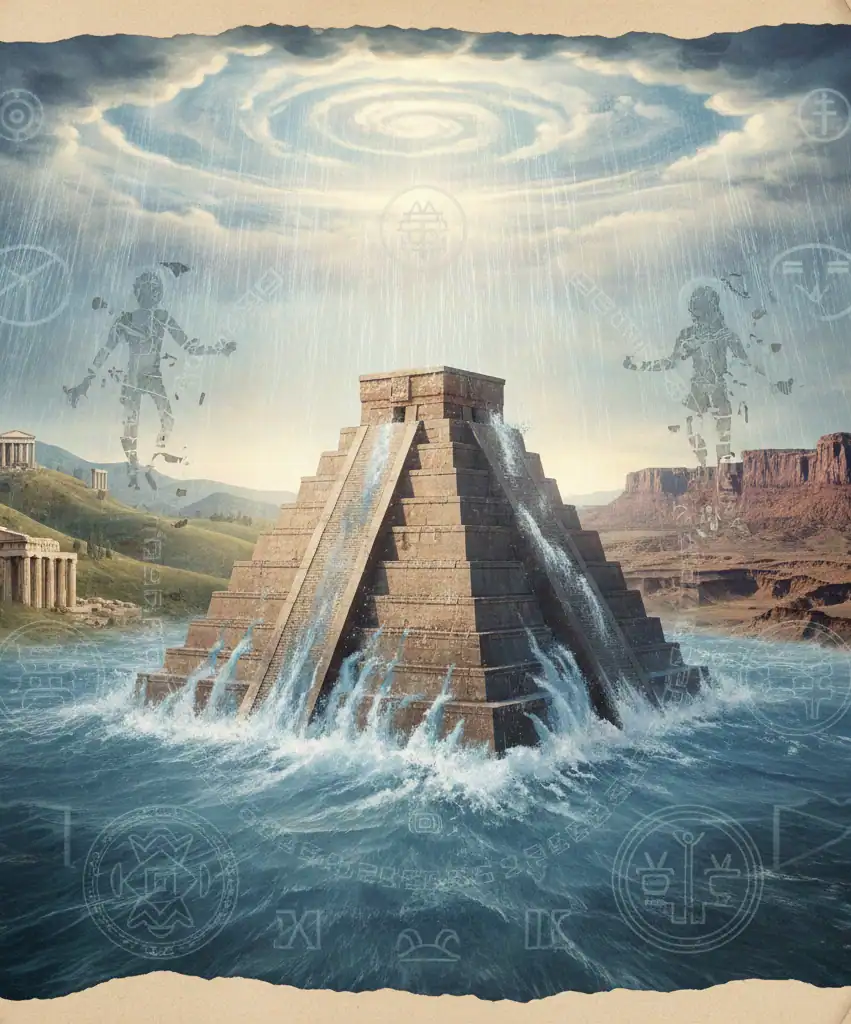
Flood stories appear in many cultures, including Mesopotamian, Greek, and Native American myths. Many of these accounts describe giant beings or dangerous creatures being destroyed.
The consistency of these stories suggests that the idea of removing Nephilim or similar beings was widespread.
The repetition across cultures supports the theory that floods were meant to erase beings considered too powerful or unnatural.
9. Post-Flood Human Changes
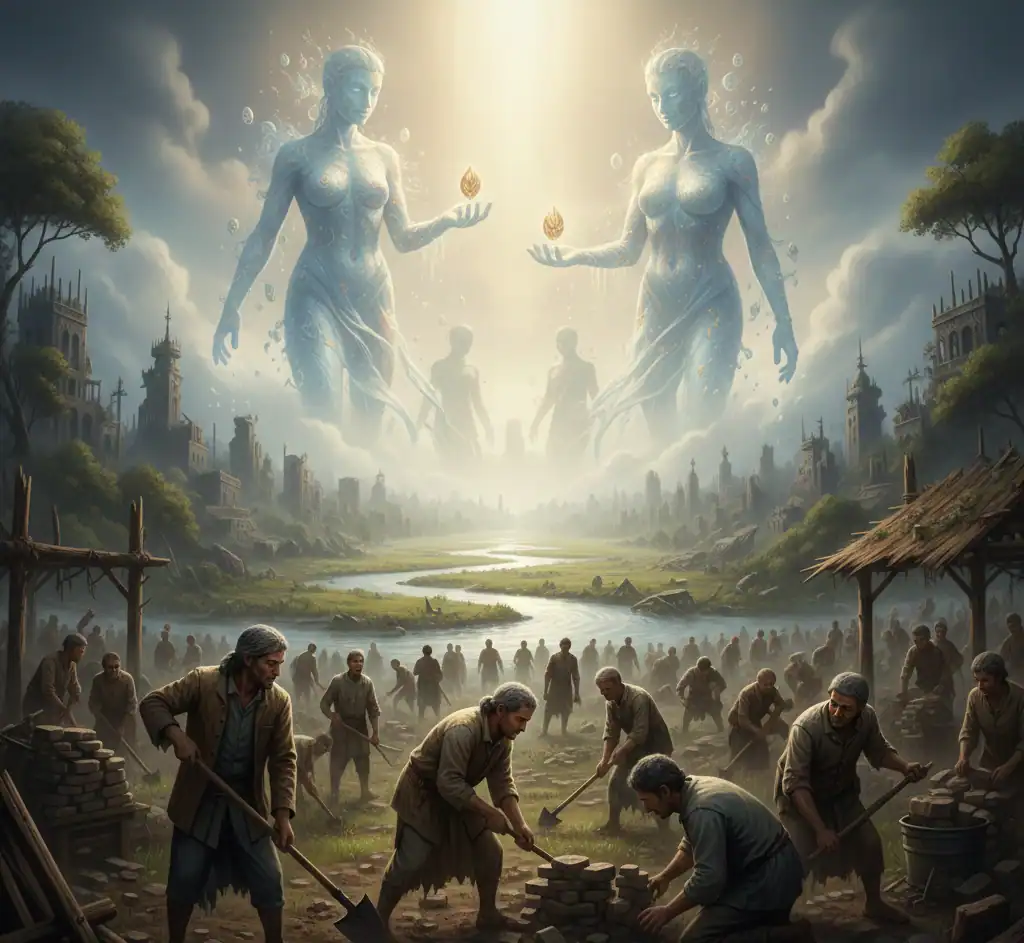
After the flood, humans are described as smaller, weaker, or less powerful in some texts. Legends suggest that this change may reflect the removal of Nephilim DNA.
The giants and mighty men disappeared, leaving ordinary humans to repopulate the Earth. This is a clear sign that the flood altered the genetic makeup of humanity.
The shift emphasizes the idea that the flood’s purpose was to remove supernatural traits while preserving ordinary human life.
10. Symbolic Meaning of Water

Water often symbolizes cleansing and purification in ancient texts. The flood represents a total reset, washing away corruption, violence, and genetic influence from fallen angels.
By using water as a universal cleanser, legends suggest that the flood was meant to erase Nephilim DNA completely.
This symbolism reinforces the idea that the event was not only a punishment but also a deliberate act to purify humanity and restore natural order.

Sempre senti uma forte ligação com o Divino desde o meu nascimento. Como autora e mentora, a minha missão é ajudar os outros a encontrar o amor, a felicidade e a força interior nos momentos mais sombrios.