
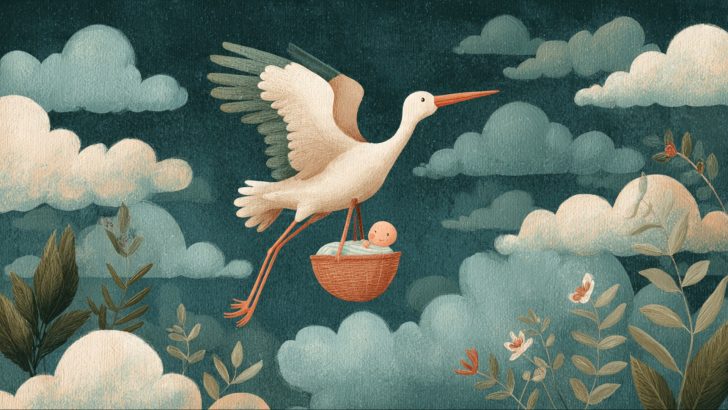
Have you ever wondered why storks are so famously linked to babies?
It’s one of those cute legends we all grew up with, but there’s actually quite a lot of symbolism por detrás dele.
These birds carry deeper meanings from nature, tradition, and even mythology.
We’re going to explore where this legend comes from and what it really represents across the world.
1. The Springtime Symbolism
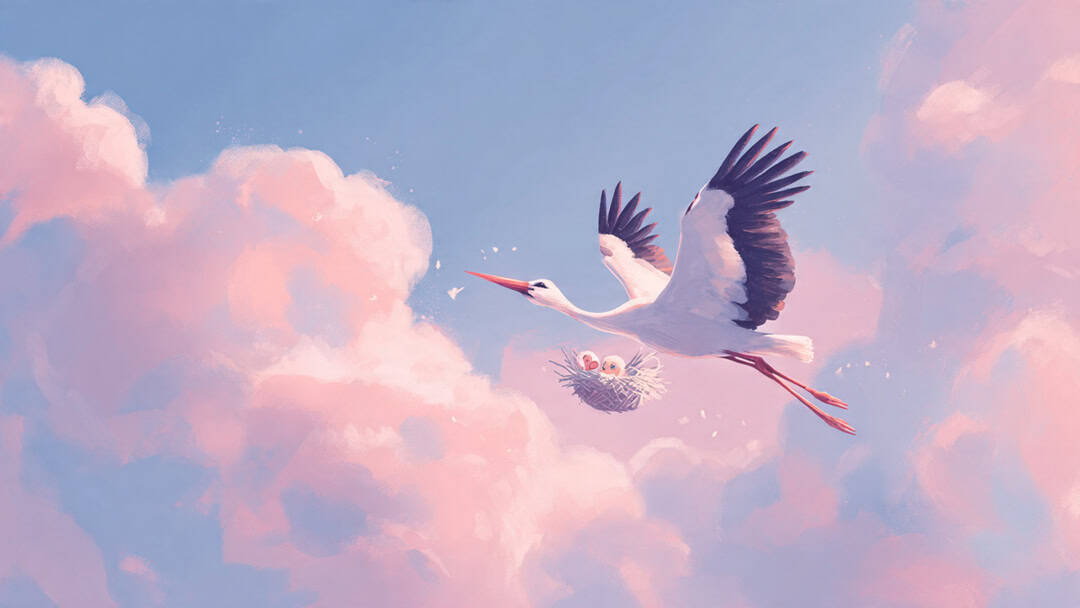
Storks are migratory birds that come back to their nesting grounds in spring, marking the time when everything in nature starts to bloom again.
This season symbolizes life and rebirth. Since babies are also a symbol of life and new beginnings, it’s no surprise that the stork became linked with bringing new life into the world.
The arrival of these birds coincides with birth and rebirth in nature, so they’re seen as messengers of life.
Over time, people started associating this seasonal return with the arrival of babies, turning the bird into a symbol of hope and renewal.
2. The Absent Husband
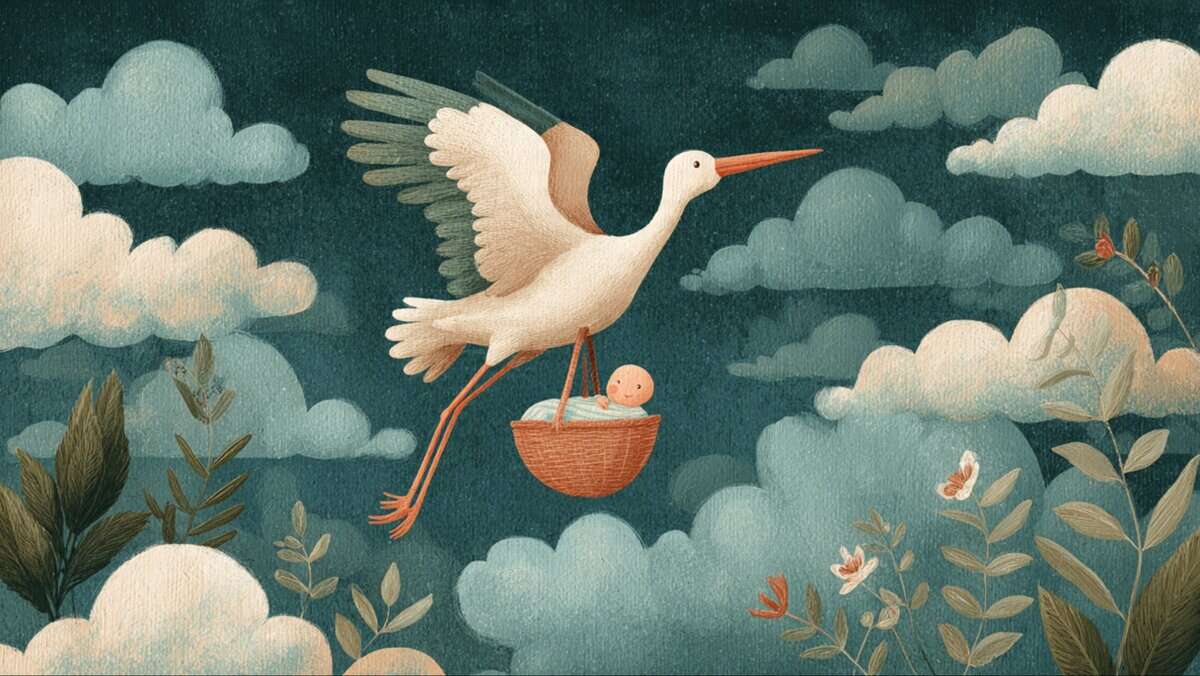
Back in the day, men were often away from home, whether for work, herding cattle, or fighting wars.
They’d come back periodically, and when they did, their wives would often become pregnant.
The stork, as a returning traveler, became a symbol of this homecoming and the new life that accompanied it.
In a way, the bird was seen as a messenger of the man’s return, and with him, the potential for new life.
The idea helped solidify its role as a bringer of new beginnings.
Some sources also suggest that their migratory nature and tendency to return to their nests also symbolize a man’s loyalty to the family he returns to.
3. The Slavic Goddess Roda
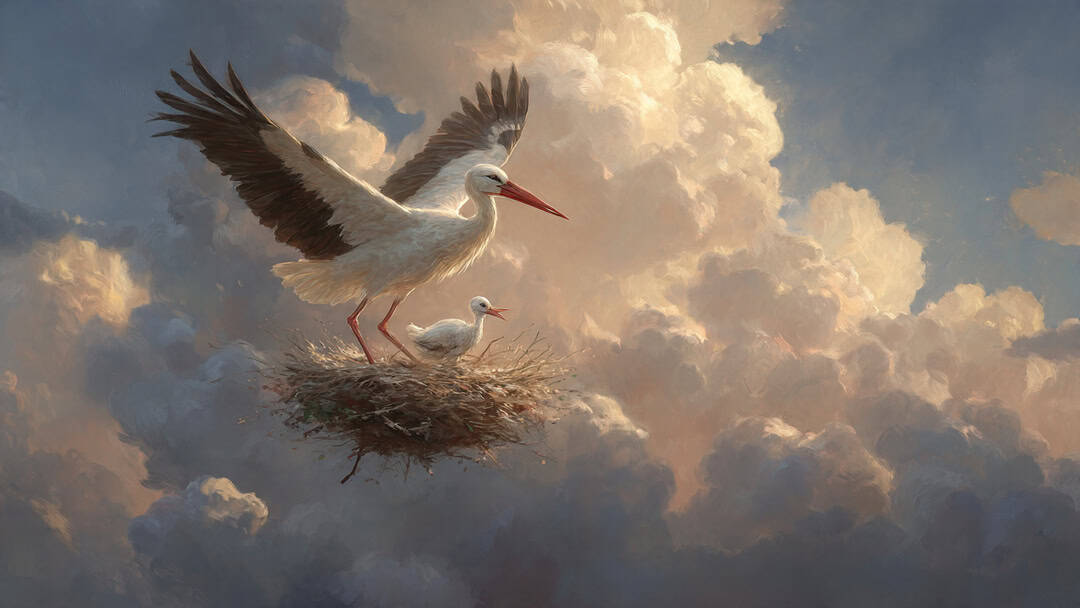
In Slavic tradition, there was a goddess called Roda. In English, that means “stork,” but in most Slavic languages, the root word of Roda is “rod,” meaning “birth.”
Roda was believed to bring souls from the otherworld (Nav) into the living world (Jav).
In this myth, the stork wasn’t just a bird but a divine messenger that helped guide souls into their new bodies.
This deep symbolism ties the bird to the cycle of life, death, and rebirth, adding a mystical layer to why it was associated with bringing new life.
It shows that it has been seen as a bridge between worlds, even in the very distant past.
4. Stork Through Cultures
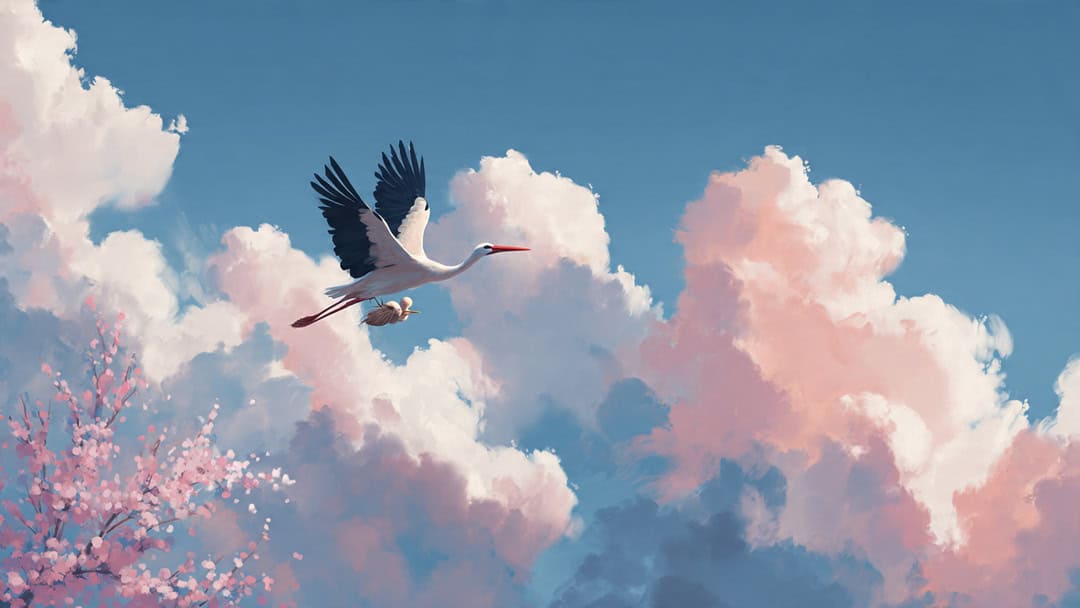
Storks hold special meanings in many other cultures around the world.
In Chinese tradition, they are seen as symbols of longevidade e boa sorte. They’re also considered messengers of peace and harmony.
In parts of Africa, these birds are linked to family and fertility, often seen as bringers of prosperity and new life.
These different interpretations show how universal the image of this bird is – whether as a bringer of life, good fortune, or peace.
No matter where you go, it’s often associated with something positive and hopeful.
5. Why Storks and Not Any Other Bird?
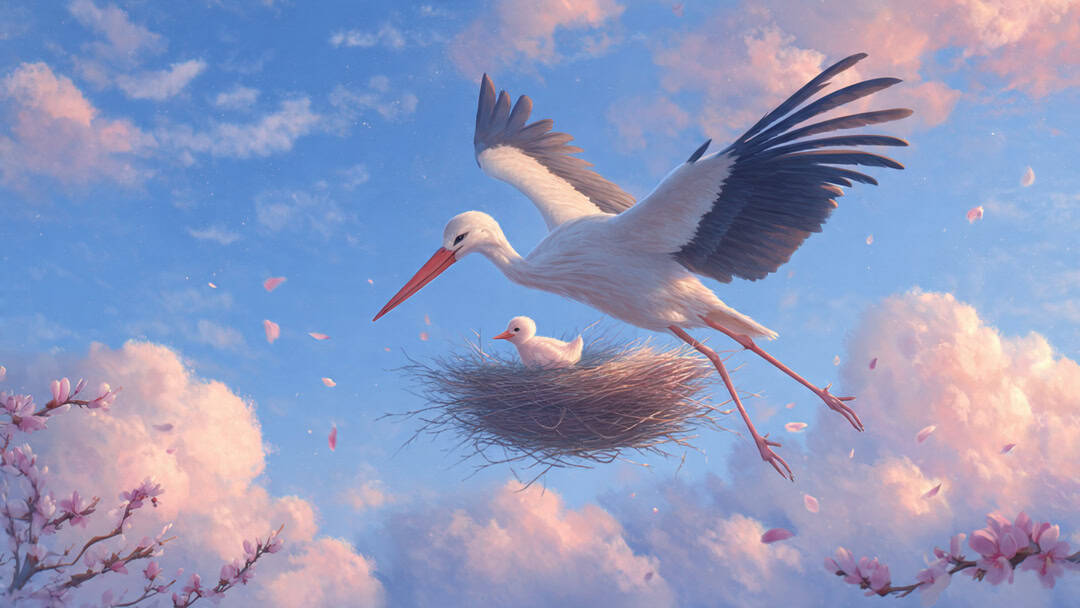
It’s not just symbolism that made storks the bringers of life; they also have some practical traits that make them special.
These birds are known for their patience and their nests. They often nest high on roofs, making them very visible.
Their gentle nature and striking appearance made them memorable in rural landscapes.
Plus, compared to other migratory birds, they’re large and have a long beak, so it helped create a cute picture of them carrying bundled-up babies.
And of course, their return in spring aligned perfectly with the human experience of birth and new beginnings.
Over time, the legend grew around these traits, turning the bird into a lasting symbol of hope and continuity.
6. Why the Legend Still Lives
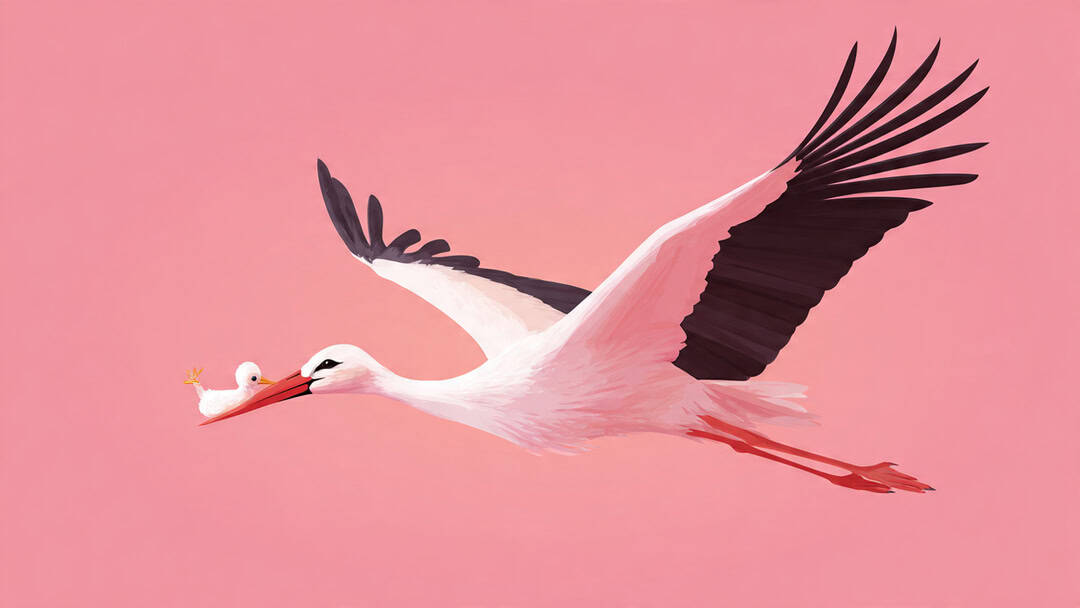
Even now, stork imagery is a cute staple in nurseries and baby showers around the world.
This charming myth makes the idea of new life feel approachable and even more magical.
The simplicity of the story resonates with everyone because it combines nature and long-standing tradition.
Plus, it’s a sweet and innocent explanation for where babies come from.
It’s a tale that reminds us of natural cycles and the universal joy of welcoming new life.

A little Aquarius, devoted to writing and embroidery. Through my writing, I hope to empower readers to align with their true selves and navigate life’s mysteries with confidence.