
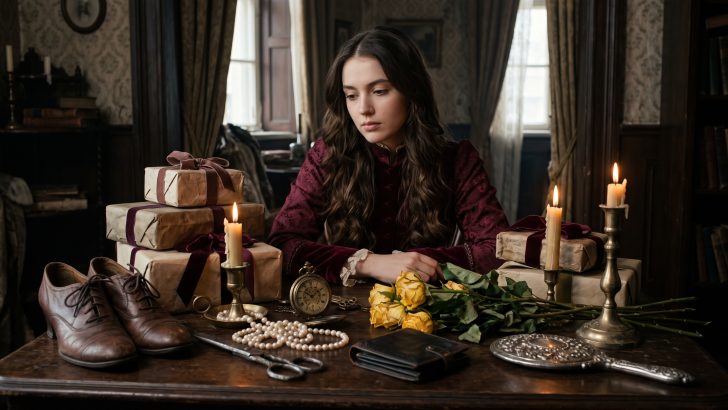
Giving someone a gift is supposed to bring happiness. You choose something beautiful, wrap it carefully, and hope the person receiving it will love it.
But according to old superstitions, not every gift brings good fortune.
Some objects were believed to carry hidden meanings that could damage friendships, end relationships, or invite bad luck into someone’s life.
A perfectly ordinary present could become a terrible omen.
In some cultures, people even developed little rituals to prevent an unlucky gift from causing trouble.
A coin might turn a dangerous present into a harmless purchase. A certain color could change the meaning of flowers.
And something as simple as a pair of shoes could supposedly make a loved one disappear from your life.
Many of these beliefs are still remembered today, especially during weddings, birthdays, and other important celebrations.
Here are eight old superstitions about gifts you should supposedly never give.
1. Knives and Scissors Can Cut a Relationship Apart
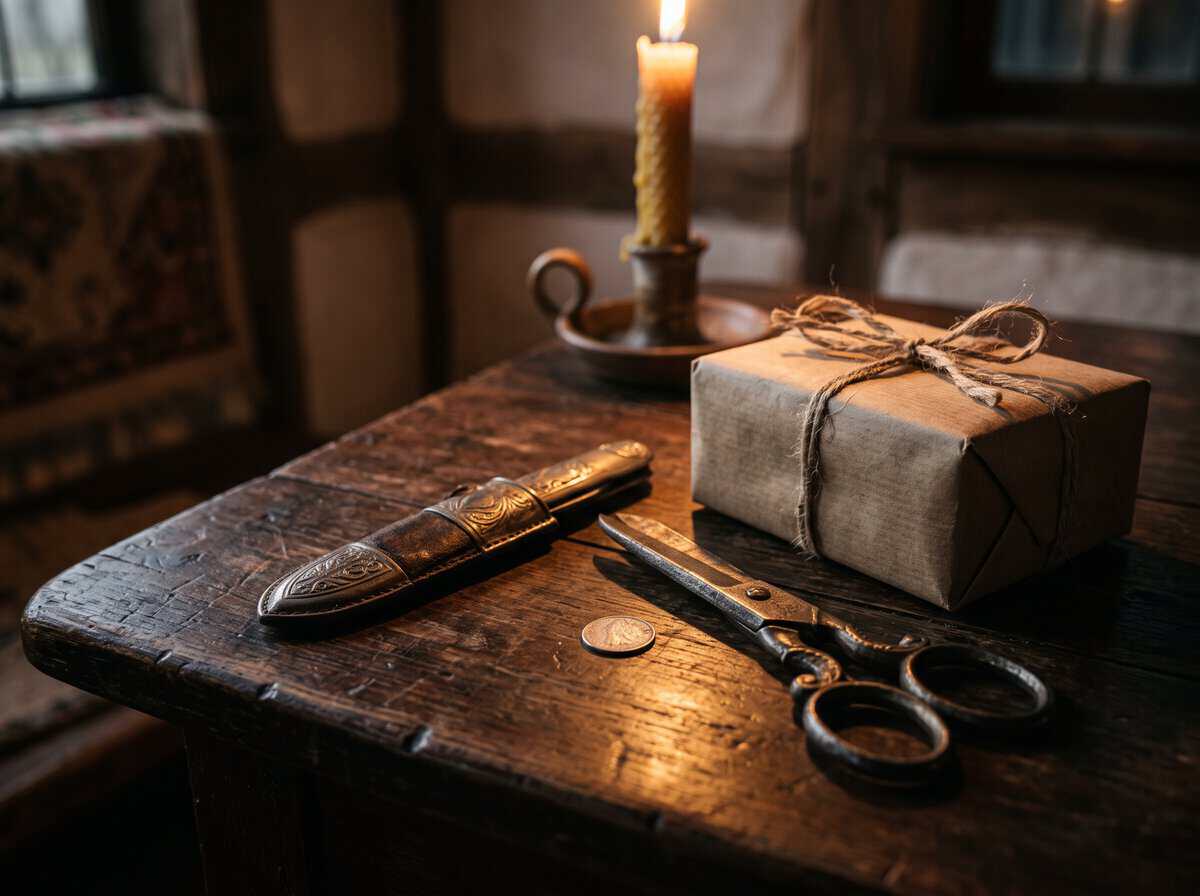
Giving someone a beautiful kitchen knife might seem perfectly reasonable.
But in several European folk traditions, sharp objects were considered unlucky gifts.
The reason was simple. A knife cuts things. And according to superstition, it could also cut the bond between two people.
Giving a knife to a friend was believed to threaten the friendship. Giving one to a romantic partner could supposedly lead to arguments or separation.
Scissors carried a similar meaning. Their sharp blades represented division, conflict, and the possibility of something being permanently severed.
Fortunately, people developed a clever way around this belief. The recipient could give the giver a small coin.
Because the knife was technically bought rather than given as a gift, people believed the unlucky meaning disappeared.
This custom is still remembered in some families today.
So if someone hands you a coin after receiving a knife, they may not be criticizing your gift. They might simply be protecting your friendship.
2. Handkerchiefs Can Bring Tears and Sorrow
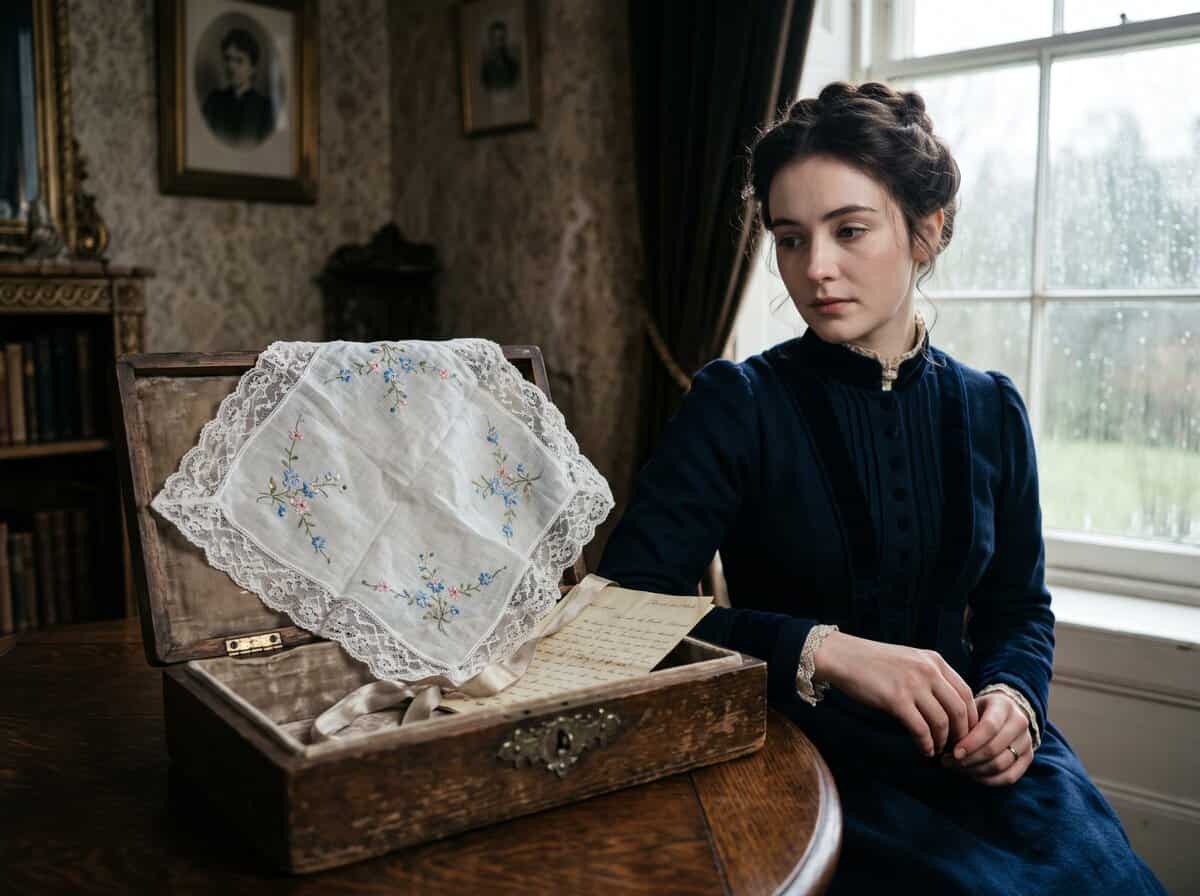
A beautiful handkerchief once made a thoughtful and practical present.
It could be embroidered, decorated with initials, or made from expensive fabric.
But in some European and Asian gift traditions, handkerchiefs became associated with sadness.
After all, what do people use them for? Wiping away tears. That connection gave the humble handkerchief an unfortunate reputation.
Giving one to someone you loved was sometimes believed to invite sorrow, disappointment, or separation.
The gift could even suggest that the recipient would soon have a reason to cry.
Not exactly the message most people want to send on a birthday.
In certain traditions, a small coin was used to cancel the unlucky meaning, much as it was with knives.
Other people simply avoided giving handkerchiefs altogether.
The superstition shows how easily an everyday object could become connected with human emotions.
A handkerchief was not only a piece of cloth. It was something people held during farewells, grief, and difficult moments.
And for those who believed in omens, that was enough to make it a risky present.
3. Shoes Can Make Someone Walk Away From You
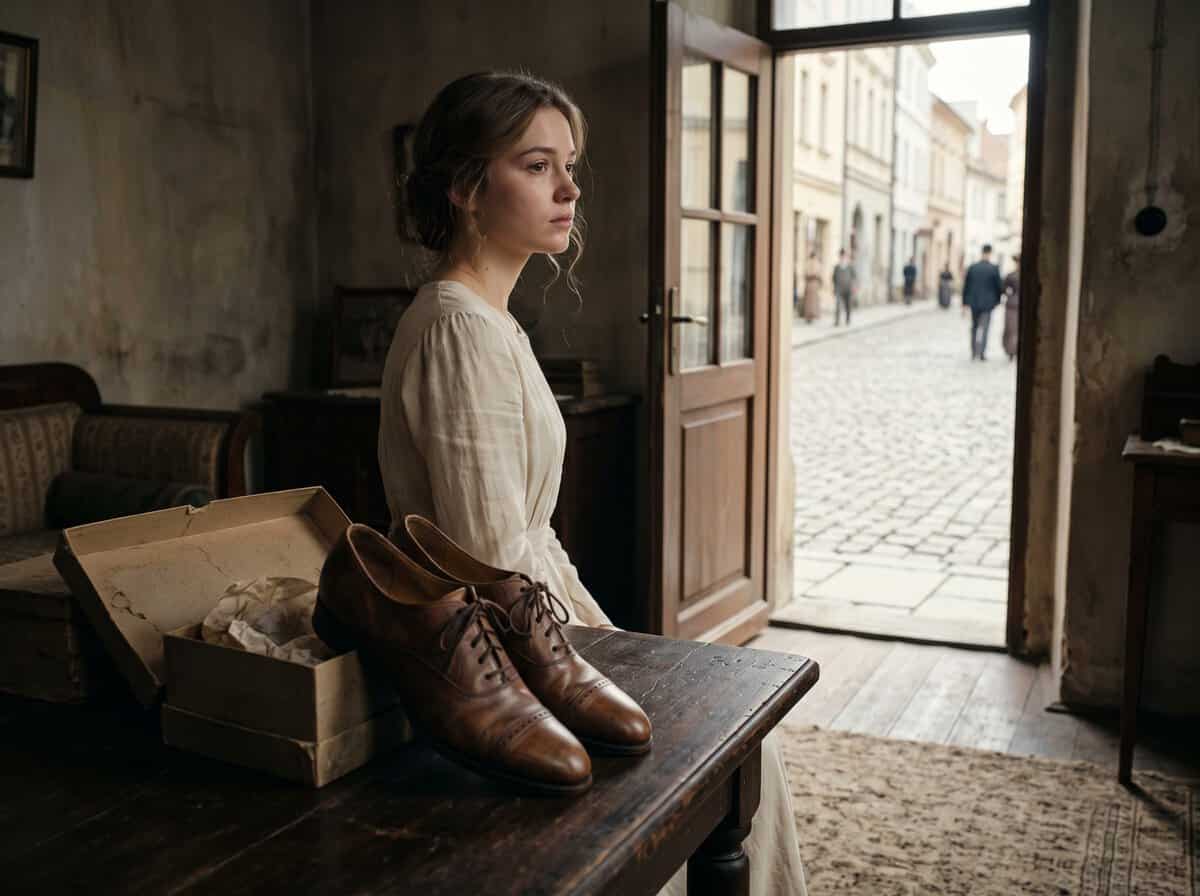
Shoes seem like a wonderful gift. They are useful, personal, and sometimes quite expensive.
But according to an old superstition found in several cultures, giving someone shoes could encourage them to walk out of your life.
The symbolism is almost too obvious. Shoes are made for walking.
And if you give someone a new pair, you are supposedly giving them the means to leave.
This belief became especially interesting in romantic relationships.
Some people avoided buying shoes for a partner because they feared it would lead to separation.
Others believed the recipient might become emotionally distant or eventually find a different path in life.
As with other unlucky presents, a coin could sometimes solve the problem.
The recipient would symbolically purchase the shoes instead of accepting them as a gift.
Of course, shoes also have positive meanings in many traditions. They can represent travel, opportunity, independence, and new beginnings.
But that is exactly what makes the superstition interesting. A new beginning sounds wonderful until someone worries it might begin without them.
4. Clocks Can Symbolize Time Running Out
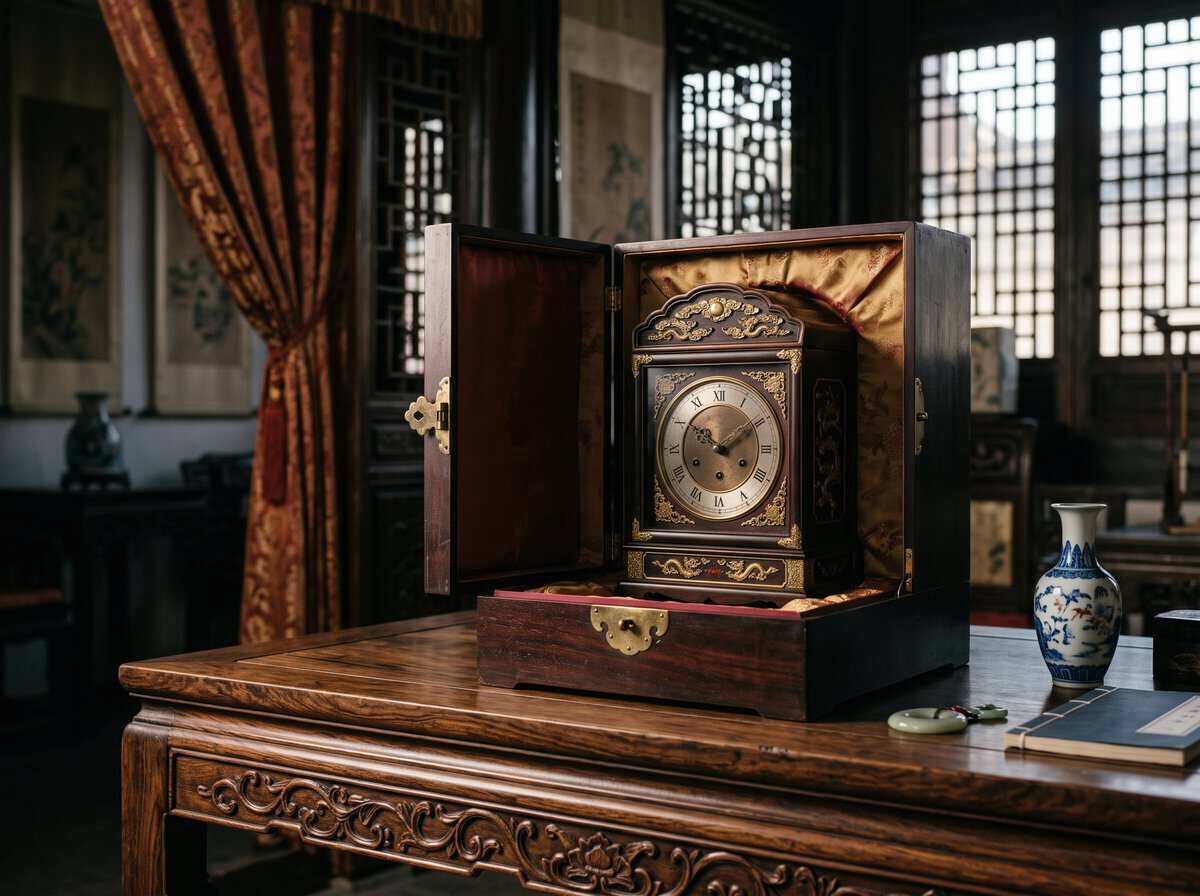
A beautiful clock might seem like an elegant gift. But in Chinese gift-giving traditions, clocks have a particularly unfortunate association.
In Mandarin Chinese, the expression for giving a clock sounds like an expression associated with attending to someone at the end of life.
Because of that connection, presenting someone with a clock can be considered deeply inappropriate.
The gift may suggest mortality, endings, or time running out. This is especially important when choosing presents for older relatives.
The superstition is not simply about whether a clock is useful. It is about the hidden message that the gift might appear to carry.
Similar concerns about watches and clocks exist in some other gift traditions, although the meanings are not always identical.
That makes clocks a good reminder that gift-giving customs are not universal.
Something considered thoughtful in one place may be avoided somewhere else.
5. Pearls Can Bring Tears to a Marriage
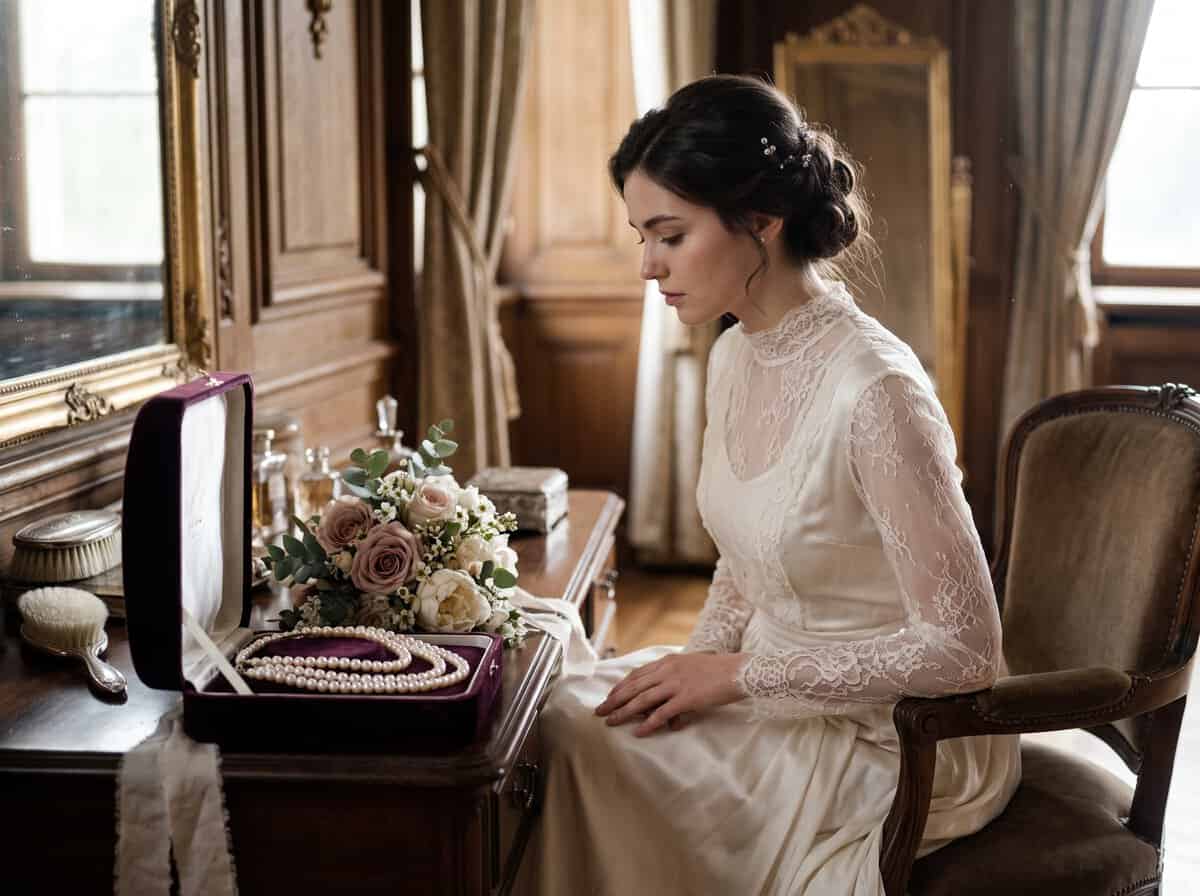
Pearls have been admired for thousands of years. They are elegant, valuable, and closely connected with beauty.
So why would anyone consider them unlucky? In some European wedding superstitions, pearls were associated with tears.
Their small, rounded appearance made them easy to compare with teardrops.
Because of this, a bride wearing pearls was sometimes believed to be inviting sadness into her marriage.
Giving pearls as a wedding present could carry the same unfortunate meaning.
Some traditions even suggested that each pearl represented a future tear. That is a rather dramatic prediction for such beautiful jewelry.
Interestingly, pearls have completely different meanings in other traditions.
They can symbolize purity, wisdom, prosperity, and lasting love.
This makes them a perfect example of how superstitions can contradict one another.
One person sees an elegant symbol of devotion. Another sees a warning of future sorrow.
The meaning often depends on the traditions someone grew up hearing.
6. Empty Wallets and Purses Can Attract Poverty
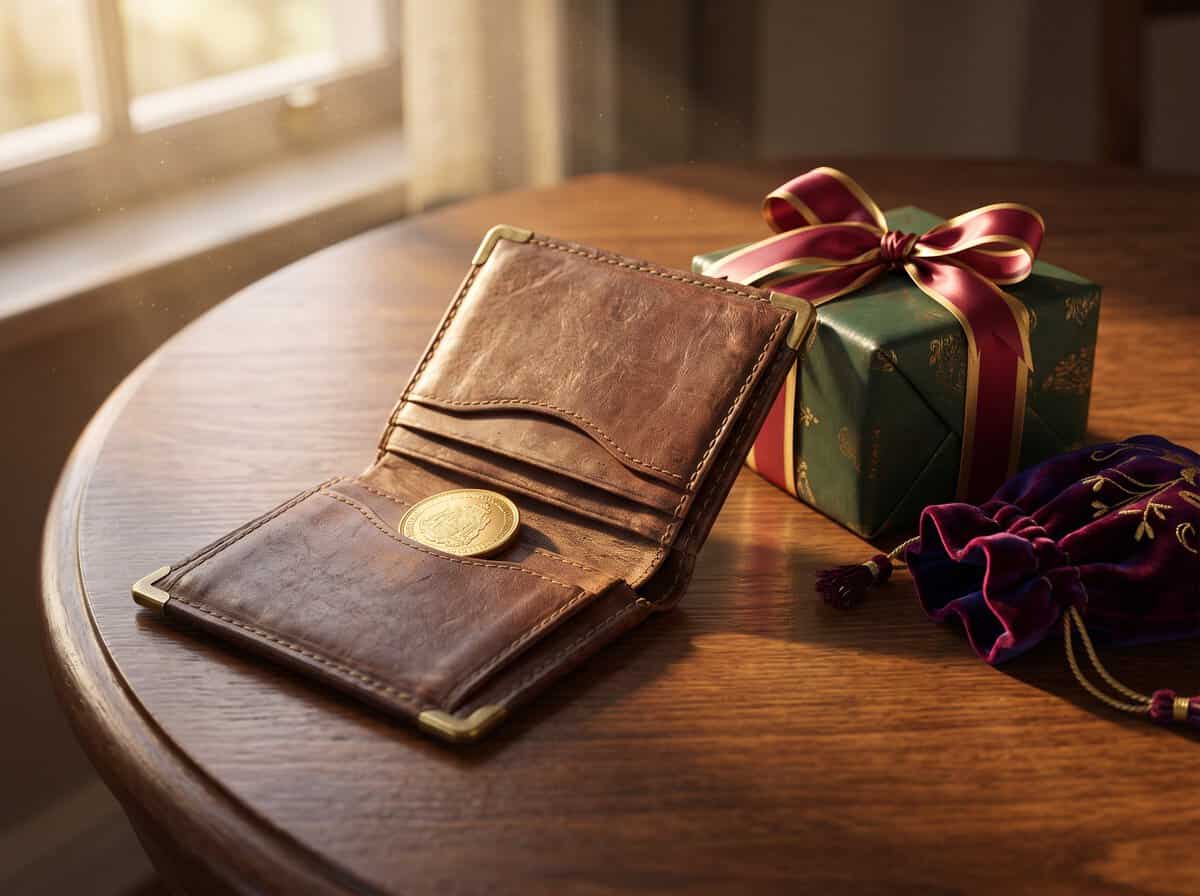
A new wallet is a popular gift. But according to a widespread money superstition, giving someone an empty wallet can invite financial misfortune.
The belief follows a simple symbolic rule. An empty wallet represents having no money.
And giving that emptiness to another person could supposedly encourage it to continue.
That is why some people insist on placing a coin or banknote inside before wrapping the present.
The amount does not need to be large. Even a single coin can carry the intended meaning.
It represents prosperity, good fortune, and the hope that the wallet will never remain empty.
Similar customs exist around purses and other objects meant to hold money.
The important part is what the gift contains when it changes hands.
This superstition is especially charming because the solution is so easy.
You do not need to abandon the gift. You simply add a little something.
And suddenly, an ordinary wallet becomes a symbolic wish for financial abundance.
7. Yellow Flowers Can Symbolize Jealousy or Betrayal
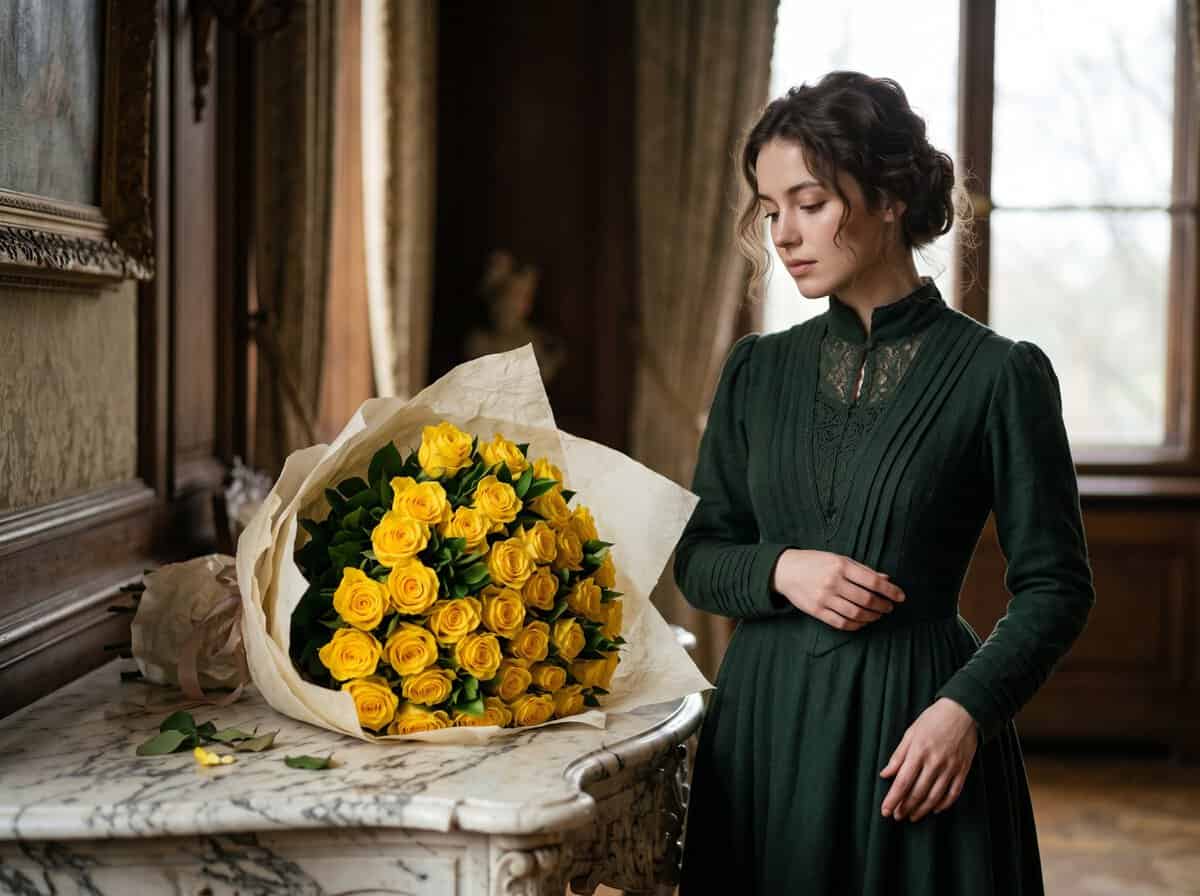
Flowers are among the safest gifts you can imagine. Or are they?
In the traditional language of flowers, certain colors carried meanings that were not always romantic.
Yellow flowers, especially yellow roses, became associated with jealousy and fading affection in some nineteenth-century European flower dictionaries.
That made them potentially awkward presents between lovers.
Imagine receiving a beautiful bouquet and discovering that, according to one flower book, it suggested jealousy.
Not quite the romantic message you expected. Yellow flowers have also carried positive meanings, including friendship, happiness, and warmth.
Their symbolism has changed across cultures and historical periods. Still, the older negative associations survived in some traditions.
This is why flowers could once function almost like secret messages.
A person might express affection, regret, admiration, or rejection without writing a single word.
The choice of flower mattered. Its color mattered. Sometimes even the way it was presented mattered.
And according to superstition, choosing the wrong bouquet could send a message you never intended.
8. Mirrors Can Bring Misfortune Into a Home
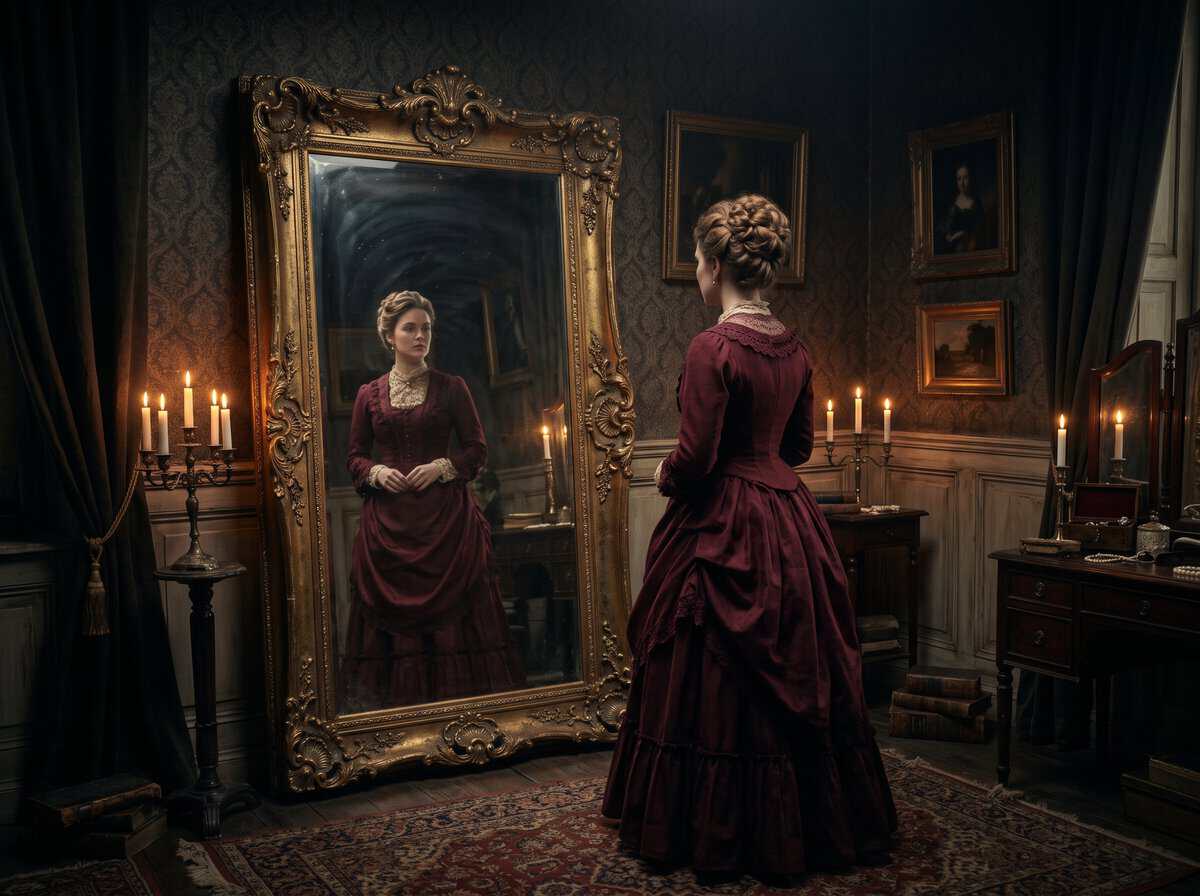
Mirrors have one of the strangest reputations in folklore.
They appear in stories about spirits, hidden truths, vanity, protection, and the supernatural.
In several European traditions, mirrors were believed to have a mysterious connection with the soul.
That belief helped inspire the famous superstition that breaking a mirror brings seven years of bad luck.
But mirrors also became questionable gifts in certain folk beliefs.
Some people worried that a mirror could carry unwanted energy into a home.
Others connected mirrors with vanity, jealousy, or supernatural influences.
Giving one as a present could therefore feel risky, especially to someone who already believed mirrors were spiritually sensitive objects.
A secondhand mirror might seem even more mysterious. Who owned it before? What had it reflected?
Could something from its previous home somehow remain connected to it?
These questions helped make mirrors popular objects in ghost stories and supernatural legends.
Yet mirrors also have positive associations with clarity, self-knowledge, and protection.
Their symbolism is rarely simple. Perhaps that is why they remain so fascinating.
A mirror seems to show only what stands in front of it. But in folklore, people always wondered whether it might reveal something more.

Sempre senti uma forte ligação com o Divino desde o meu nascimento. Como autora e mentora, a minha missão é ajudar os outros a encontrar o amor, a felicidade e a força interior nos momentos mais sombrios.