
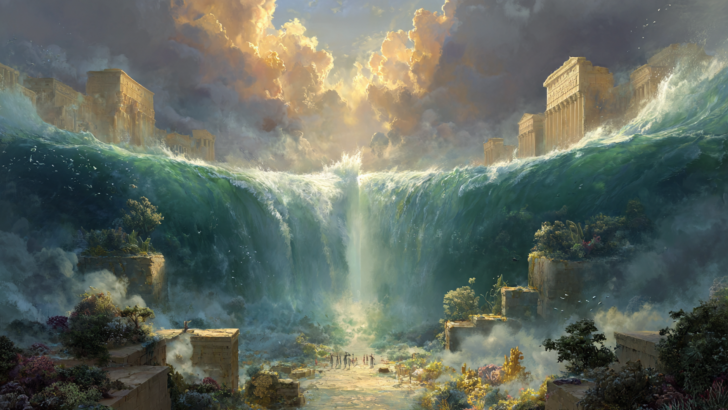
In the Bible, there is a famous event called the parting of the sea that signifies faith, escape, and divine intervention.
Yet, some have theorized that this was a natural phenomenon.
This theory has created controversy for many years, with some people seeing it as an insult to faith and others seeing it as another way to perceive the occurrence. Let us examine some of the theories that surround this significant event.
1. The Wind Setdown Theory

The wind-settled effect is the most discussed explanation. The hypothesis states that if the winds are strong and last for a while, they may move large volumes of water from a shallower area of the sea.
As a result, there may have been a temporary land bridge connecting the land. Once the wind ceased, the water would quickly return to the shallow area.
Researchers have used known natural processes to support this theory, and those who study the wind setdown believe that both the timing and the conditions present were instrumental in producing the moment of connection.
2. A Different Location Theory
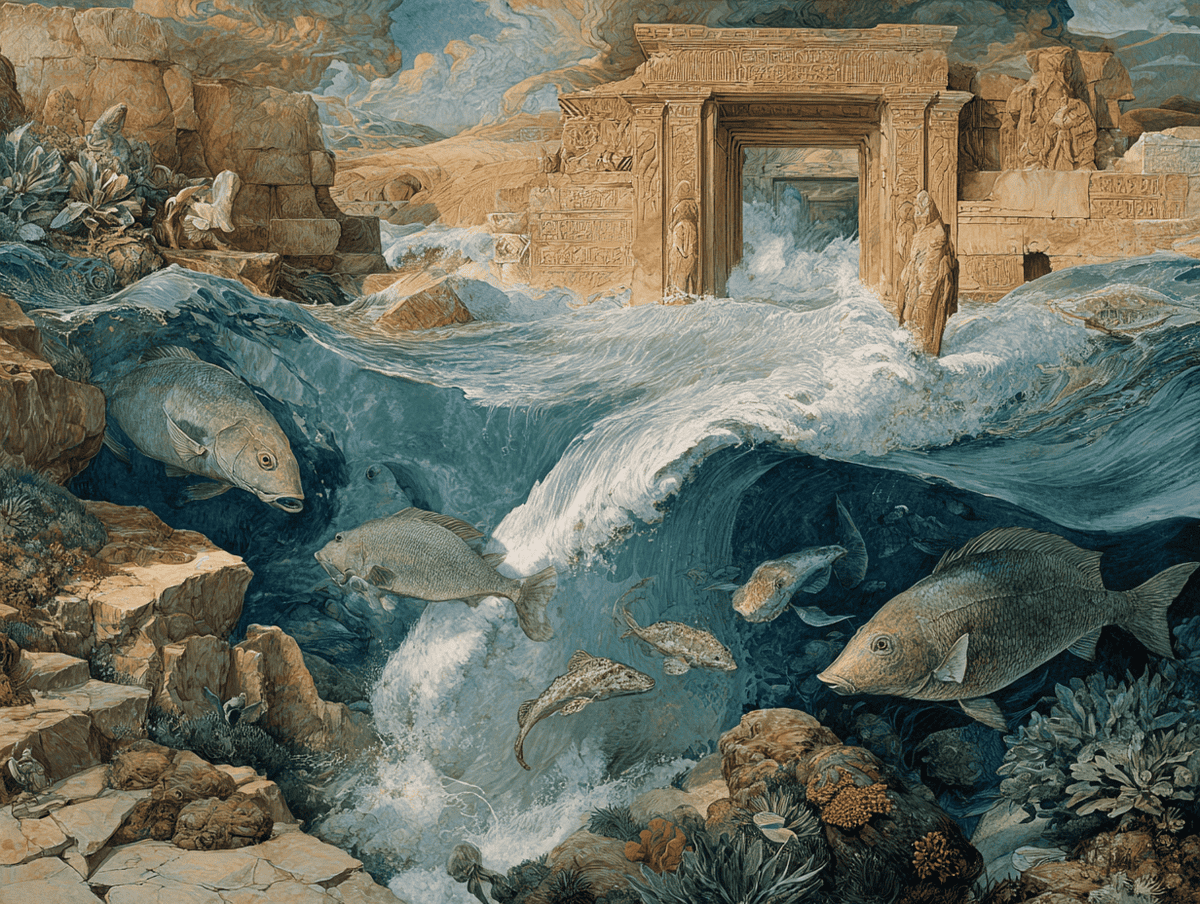
Some researchers propose that the event occurred in a shallow lake or marsh rather than the deep ocean.
Winds and changing environmental conditions more easily affect these environments.
Some critics say that it reduces the scale of the event, and supporters say that it makes the event more credible. The theory has the strength to support the geography, not the story.
3. Timing And Natural Conditions
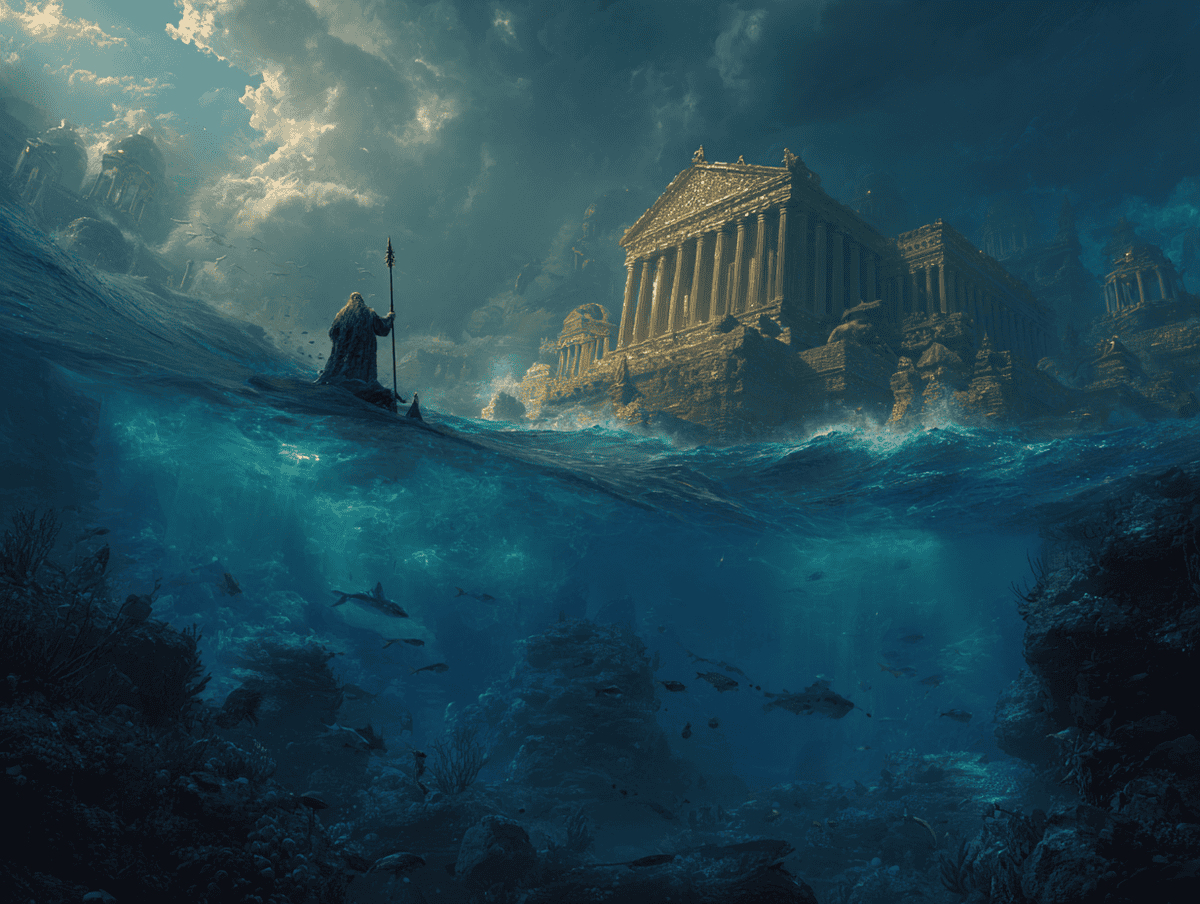
One interpretation considers the alignment of natural phenomena by looking at the timing of this event. When it is windy, tidal forces are at play, and landscape characteristics coincide, this could allow temporary openings to cross oceans.
Although there have not been many occasions around the world where this occurs, it remains a possibility.
Supporters of this theory believe that timing is key to successful ocean crossings and that the location and time of crossing are important factors in determining what happened during the event.
4. Science Versus Faith

The debate between science and faith is often about whether or not an event’s significance will be diminished through scientific explanation.
Some individuals believe that when an event is explained scientifically, it loses its meaning, while others believe that knowing an event’s mechanics won’t alter its spiritual impact.
Nature is, after all, God’s creation. These two perspectives can coexist and therefore have an effect on the way that people view and interpret the event. Science looks at how an event occurred, while faith looks at why the event occurred.
5. Symbolic Interpretations

Some interpretations of the narrative are simbólico, instead of being interpreted as a literal event.
So, to these interpreters, the parting of the sea is symbolic of overcoming obstacles or finding a path during a period of difficulty.
What is underneath the surface becomes a metaphor for obstacles that are hidden. Consequently, it preserves the power of the narrative while removing the need for a physical explanation of what happened.
6. Historical Curiosity
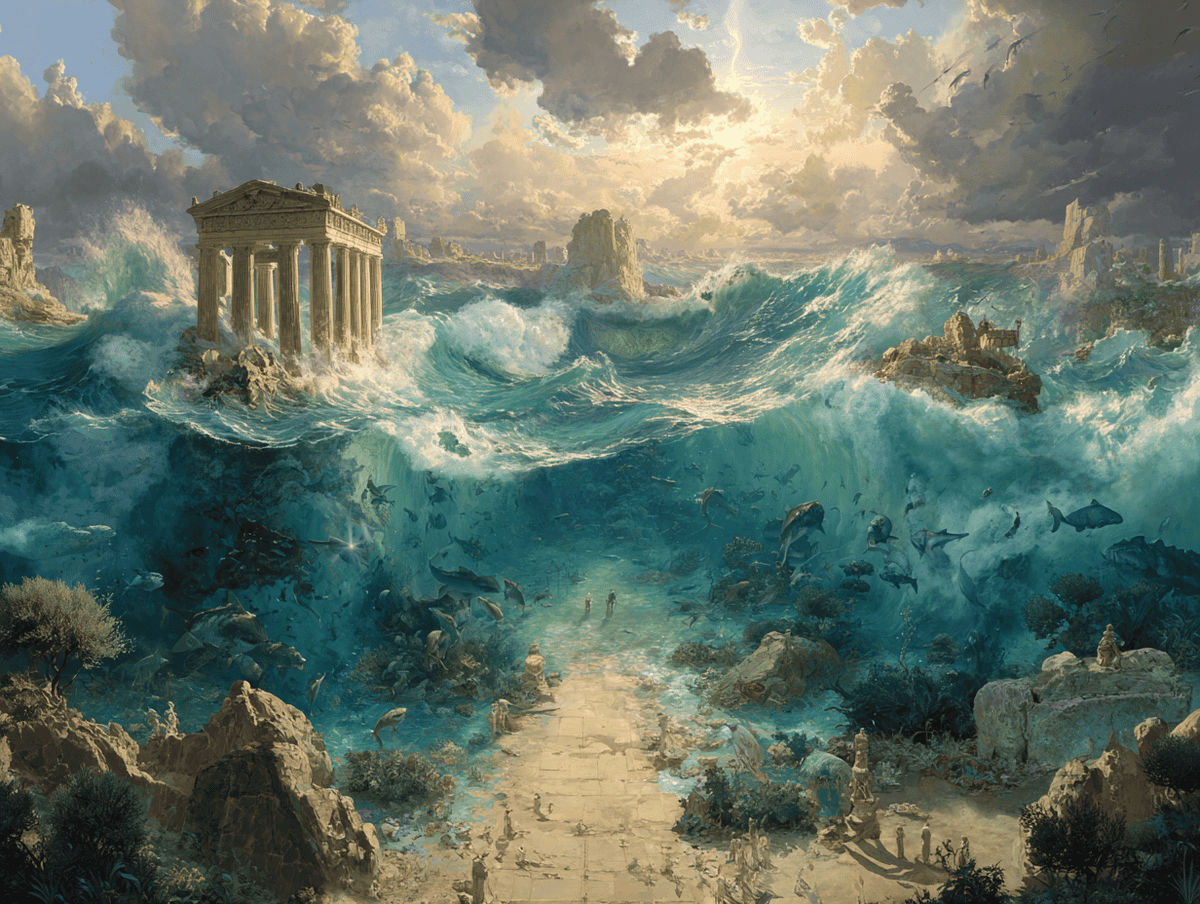
Historians and researchers are still interested in the story and want to find clues about it through geography, climate patterns, and historical records.
Although none of the theories have definitively proven to be accurate, the investigation continues, which indicates that the story is still incredibly important.
The story is more than just a religious document; it is also a significant historical inquiry into the events that may have happened. Each new theory adds more depth to the discussion.
7. Why The Debate Continues
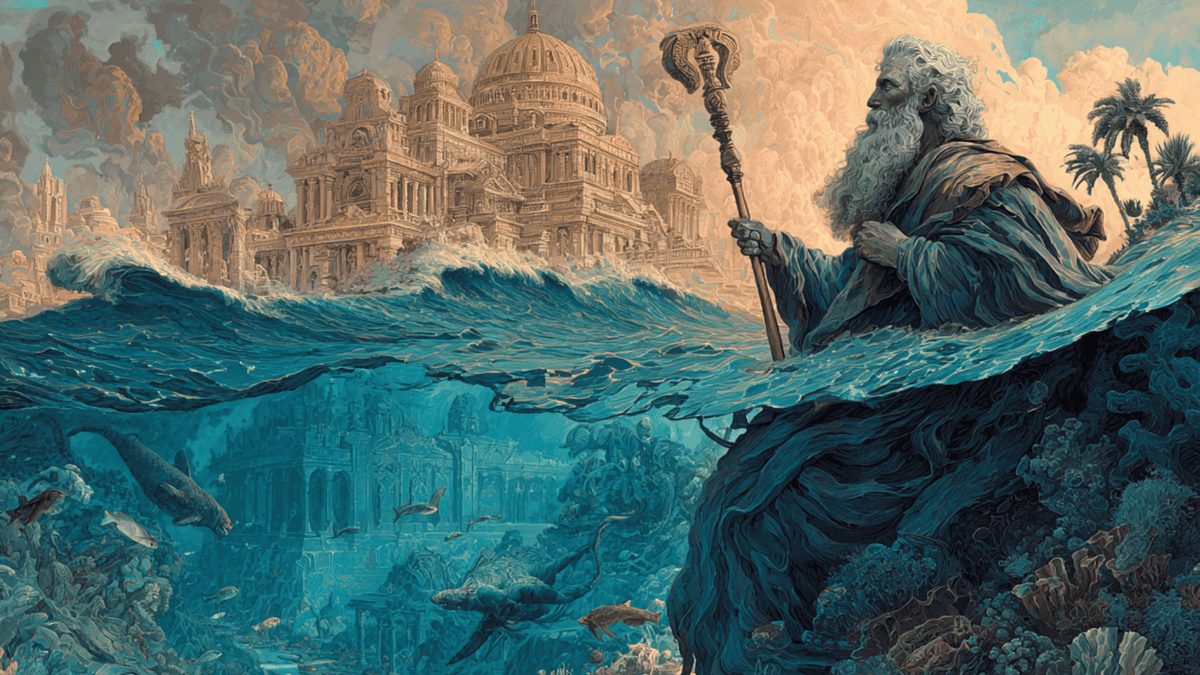
As long as this story remains ambiguous, people will debate it and find new theories. Many people find the story to carry significant meaning, so there is a constant debate over the story, not just its facts, but also belief and identity.
Different interpretations come from individual perspectives, e.g., some people see the story as literal, and others interpret it metaphorically, symbolically, or scientifically.
The story has ongoing relevance due to the way the event is understood by different people.
8. A Story That Still Resonates
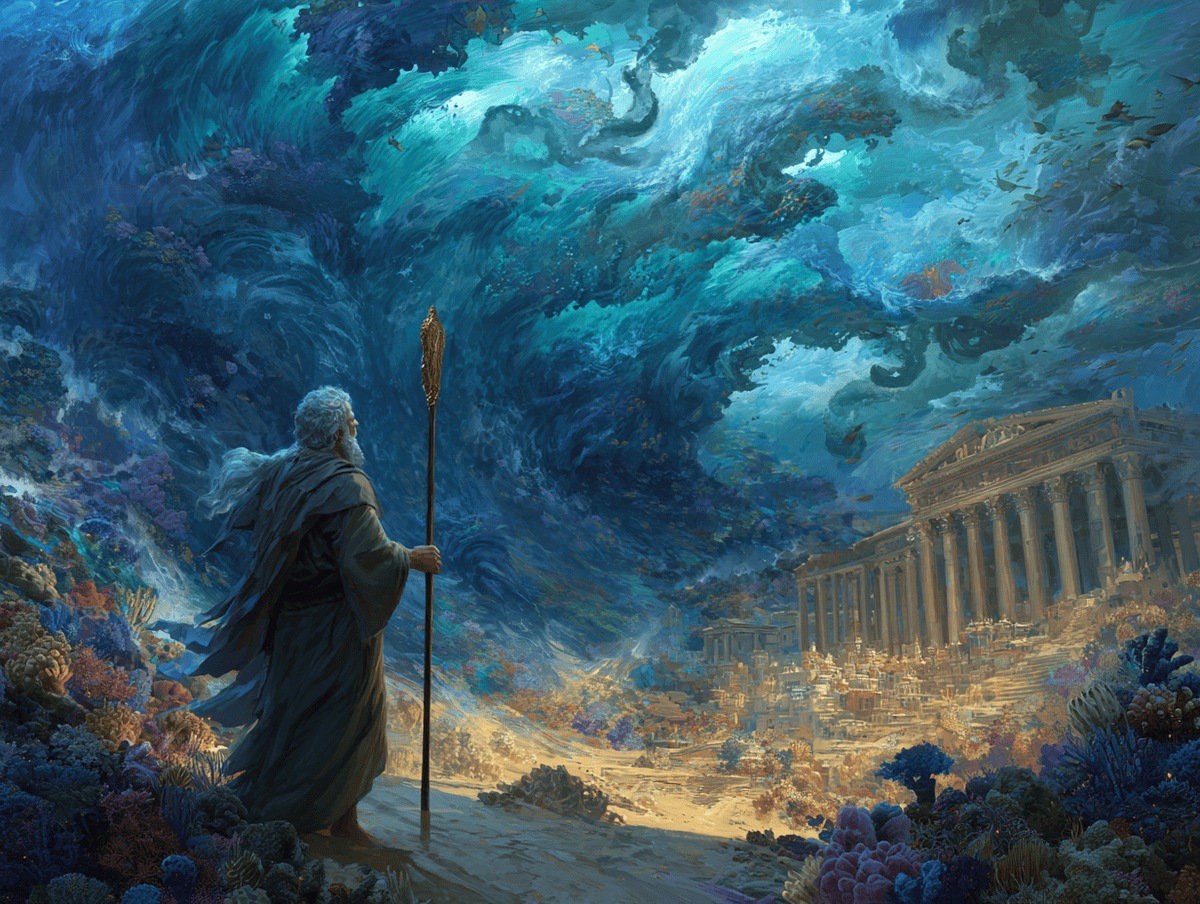
The story still inspires people and creates new connections. Hope, change, and progress through hardship are represented by this story.
Whether it is seen as a miracle, an act of nature, or a symbolic story, it still creates both confusion and inspiration.
The fact that many people who have different perspectives about it continue to engage in the ongoing dispute shows how significant this story is.
9. Traces Of Sudden Change
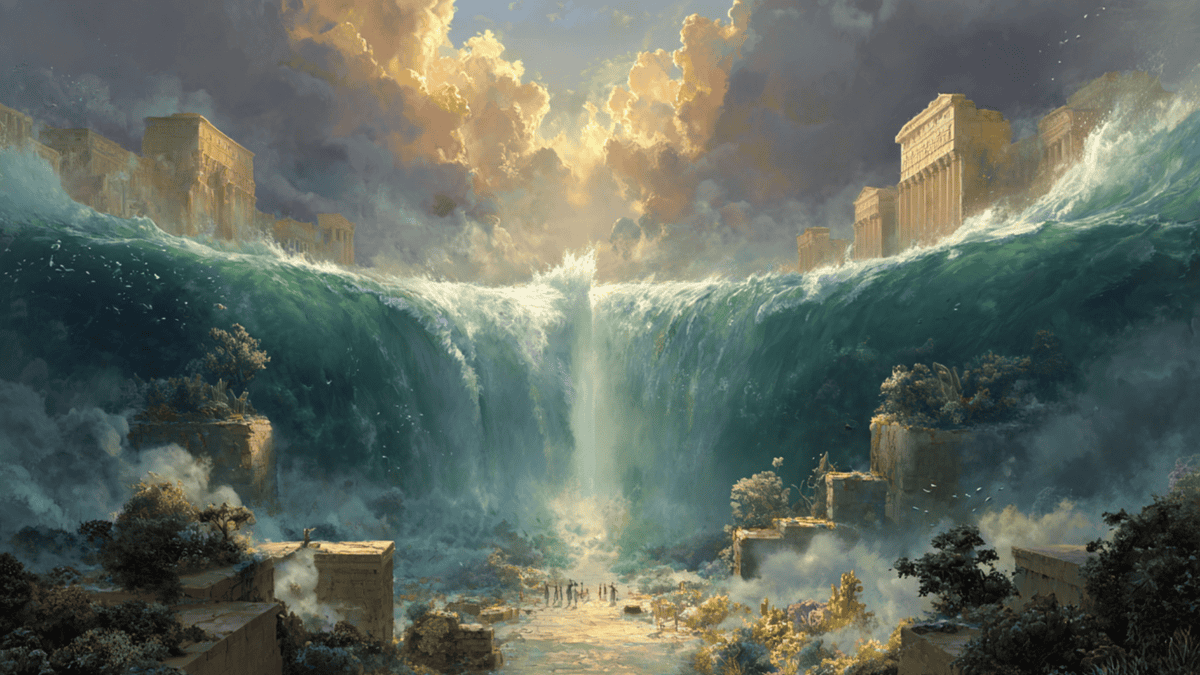
The feelings created by viewing this newly exposed seabed show that sudden changes in life can happen very quickly.
This concept of sudden changes reflects life’s unpredictable nature, where something that appeared to be stable can become unstable without warning.
The exposure of the seafloor serves as a reminder that transformations typically happen faster than anticipated.
10. A Glimpse Into The Unknown Depths

The ocean hides many things from human eyes as well as from human minds. When the waters receded, the ocean revealed depths never before visible to mankind.
This is filled with an element of mystery and curiosity. What lies beneath our feet may also be indicative of the reality we cannot see, and invites the idea that we may never completely understand everything in this life.
This interpretation looks at the “unknown” and indicates that certain areas of our existence will always be beyond clear explanation.

Born and raised in Bosnia and Herzegovina. Ever since I was a little girl, my imagination knew no bounds. I remember vividly how I’d scribble down short stories, each page bursting with adventures and characters conjured up from the whimsy of my mind. These stories weren’t just for me; they were my way of connecting with my friends, offering them a slice of my fantasy world during our playtimes. The joy and excitement on their faces as we dived into my fictional realms motivated me to keep writing. This early passion for storytelling naturally evolved into my pursuit of writing, turning a childhood hobby into a fulfilling career.