
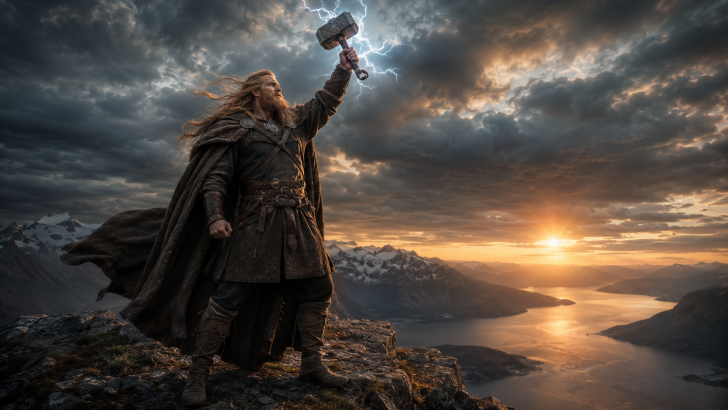
Thor is one of the strongest gods in Norse mythology, yet even he rarely entered danger without his famous hammer.
Known as Mjölnir, the weapon became so closely connected with Thor that it is almost impossible to imagine one without the other.
It could crush giants, return after being thrown, protect the gods, and even play a role in sacred ceremonies.
But if Thor possessed enormous strength already, why did he need a magical weapon? The answer goes far beyond fighting.
The hammer was therefore both a weapon and a sacred symbol. Here are eight reasons Thor needed a magic hammer.
1. Thor Needed a Weapon Powerful Enough to Fight Giants
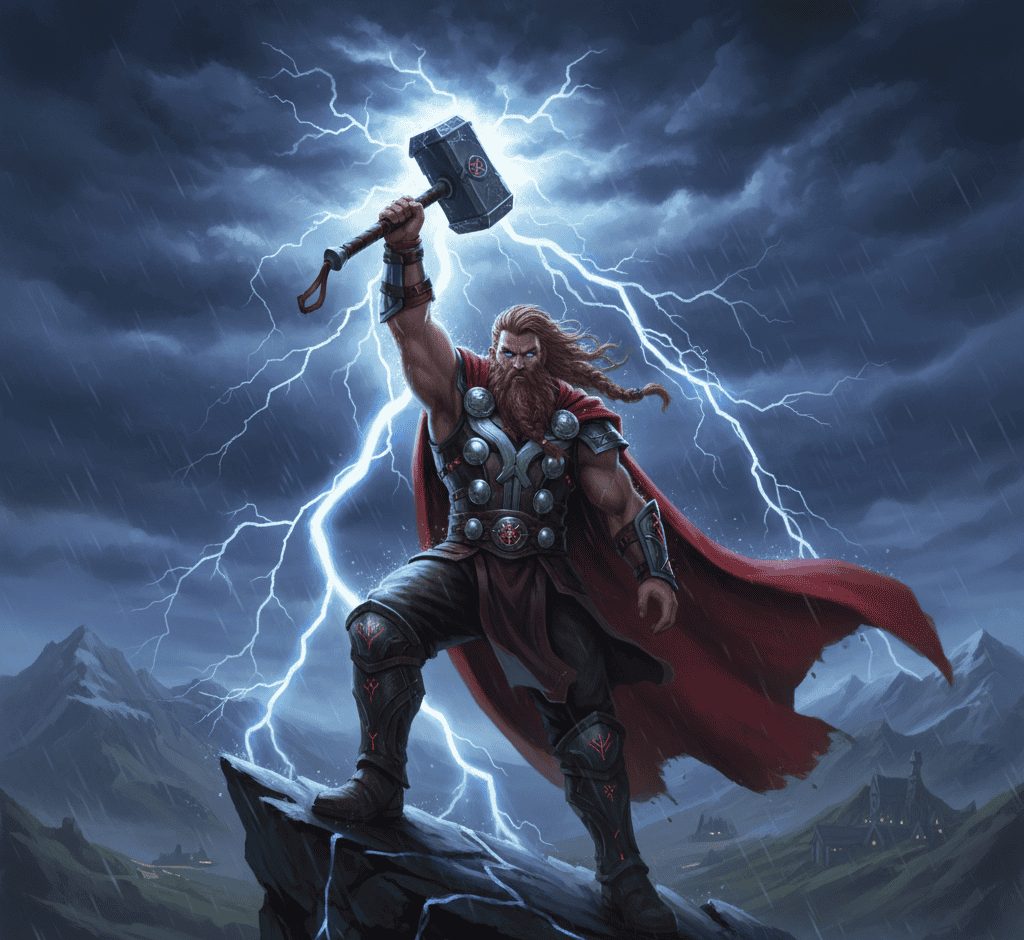
Thor’s greatest enemies were usually the jötnar, commonly translated as giants.
These beings were not simply oversized humans. They represented powerful supernatural forces and frequently came into conflict with the gods.
Ordinary weapons would hardly seem appropriate against such opponents.
Thor possessed incredible physical strength, but Mjölnir multiplied his destructive power and gave him a weapon capable of defeating some of mythology’s most dangerous beings.
Many surviving stories describe Thor traveling into giant territory and using his hammer when confrontation became unavoidable.
His battles also carried a larger meaning. Thor was defending the world of the gods and humans from forces that threatened its stability.
Mjölnir gave the thunder god exactly the kind of supernatural weapon required for that responsibility.
2. Mjölnir Could Return After Being Thrown
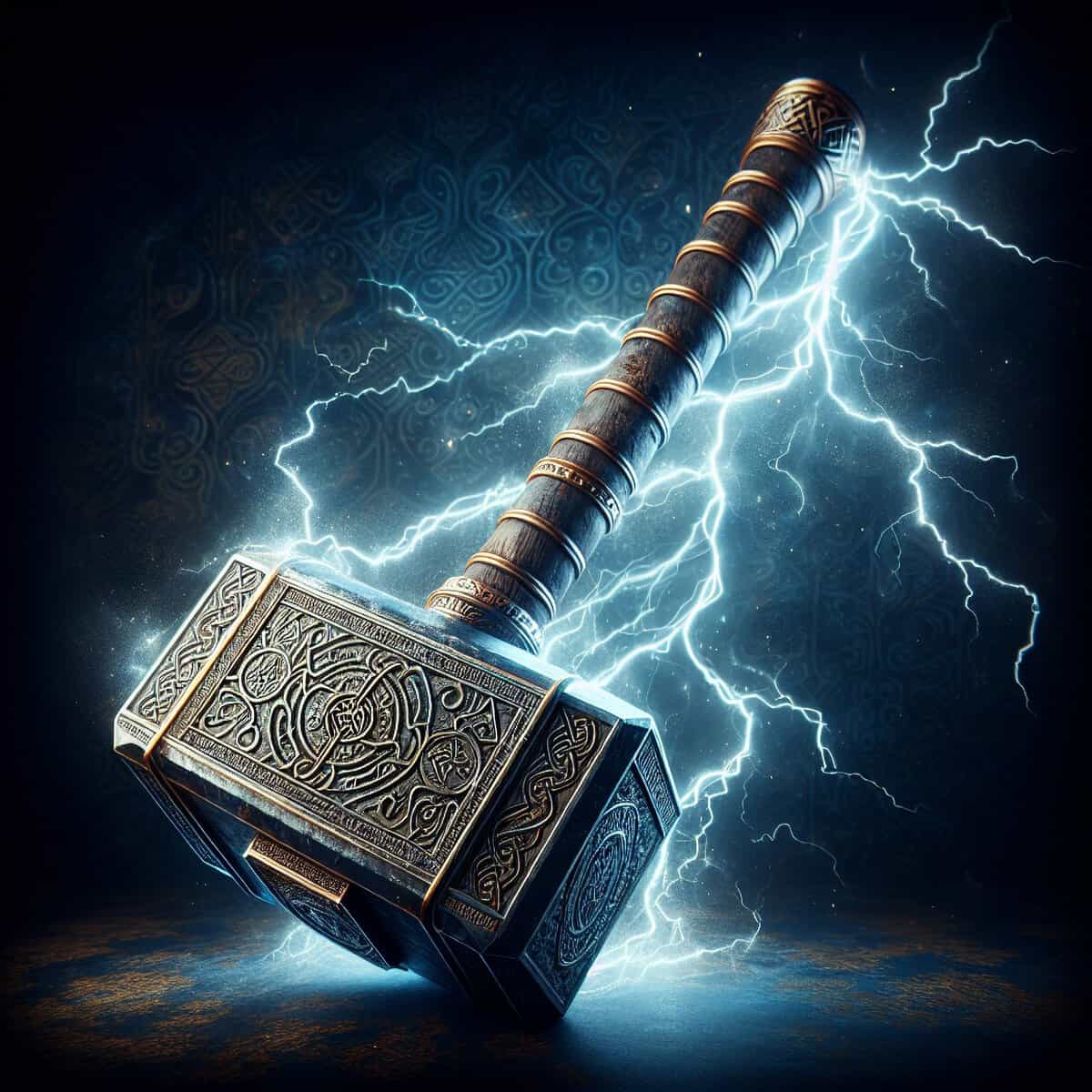
One of the hammer’s most useful legendary qualities was its ability to return.
The Prose Edda describes Mjölnir as a weapon Thor could strike with as hard as he wished without it failing, and when thrown at something, it would not miss.
It would also return to his hand. This made the hammer much more useful than an ordinary close-range weapon.
Thor could attack enemies from a distance without permanently losing his greatest advantage.
The returning hammer also fits Thor’s relentless personality. Enemies could not simply survive one throw and wait for him to become unarmed.
3. The Hammer Helped Thor Control His Enormous Strength
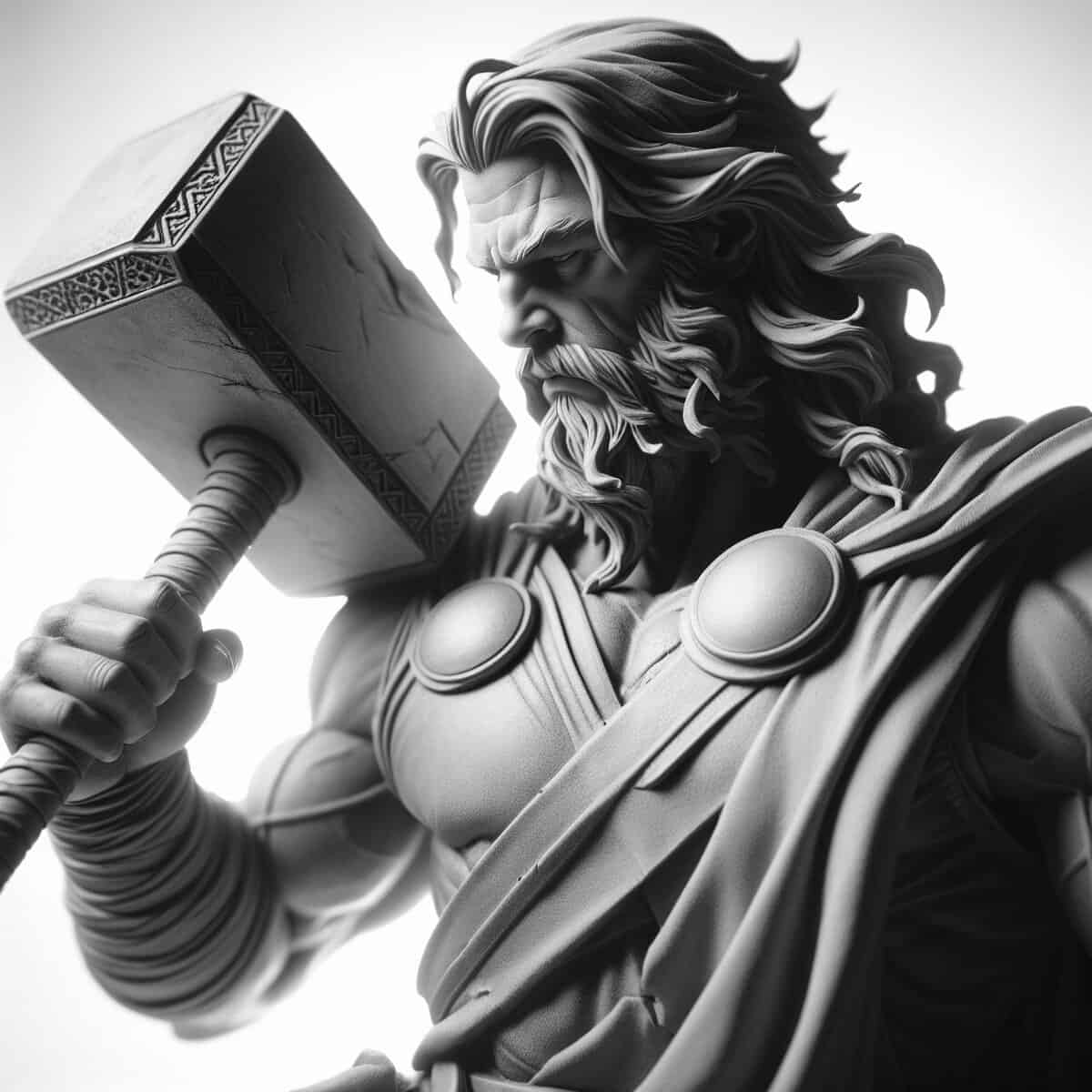
Thor was famous for his physical power. However, Mjölnir itself had an unusual flaw.
According to the story of its creation, Loki interfered with the dwarf Brokkr while the magical treasures of the gods were being forged.
As a result, the hammer’s handle came out shorter than originally intended.
Thor still managed to use it with devastating effectiveness. He also possessed magical equipment that helped him handle his extraordinary abilities.
His equipment worked together, combining divine strength with magical craftsmanship.
Mjölnir allowed his enormous physical power to become focused into a weapon capable of confronting supernatural threats.
4. Mjölnir Was Essential for Protecting Asgard
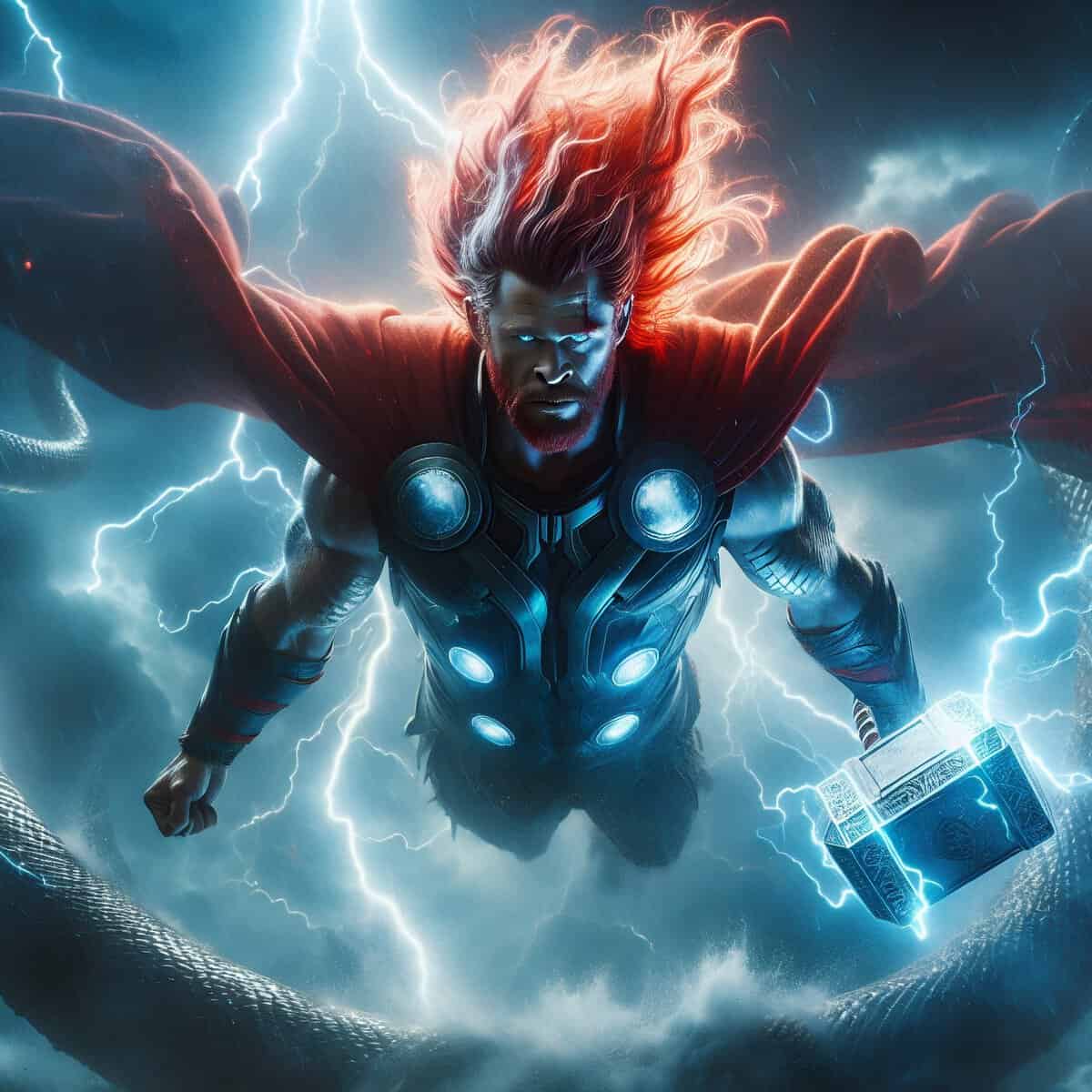
Thor was one of Asgard’s greatest defenders. This responsibility becomes especially clear in stories where the gods panic after losing access to his hammer.
The poem Þrymskviða provides the most famous example. Thor wakes to discover that Mjölnir has disappeared.
The giant Þrymr has stolen it and refuses to return it unless he receives the goddess Freyja as his bride. The gods treat the situation as extremely serious.
Eventually, Thor disguises himself as Freyja and travels to the wedding celebration. When Mjölnir is brought forward, Thor finally gets his weapon back and defeats his enemies.
The humorous story carries an important message beneath the comedy. Without Mjölnir, the gods feel vulnerable.
Thor’s hammer is not simply his personal possession. It is one of the defenses protecting their entire world.
5. The Hammer Could Restore Order After Chaos
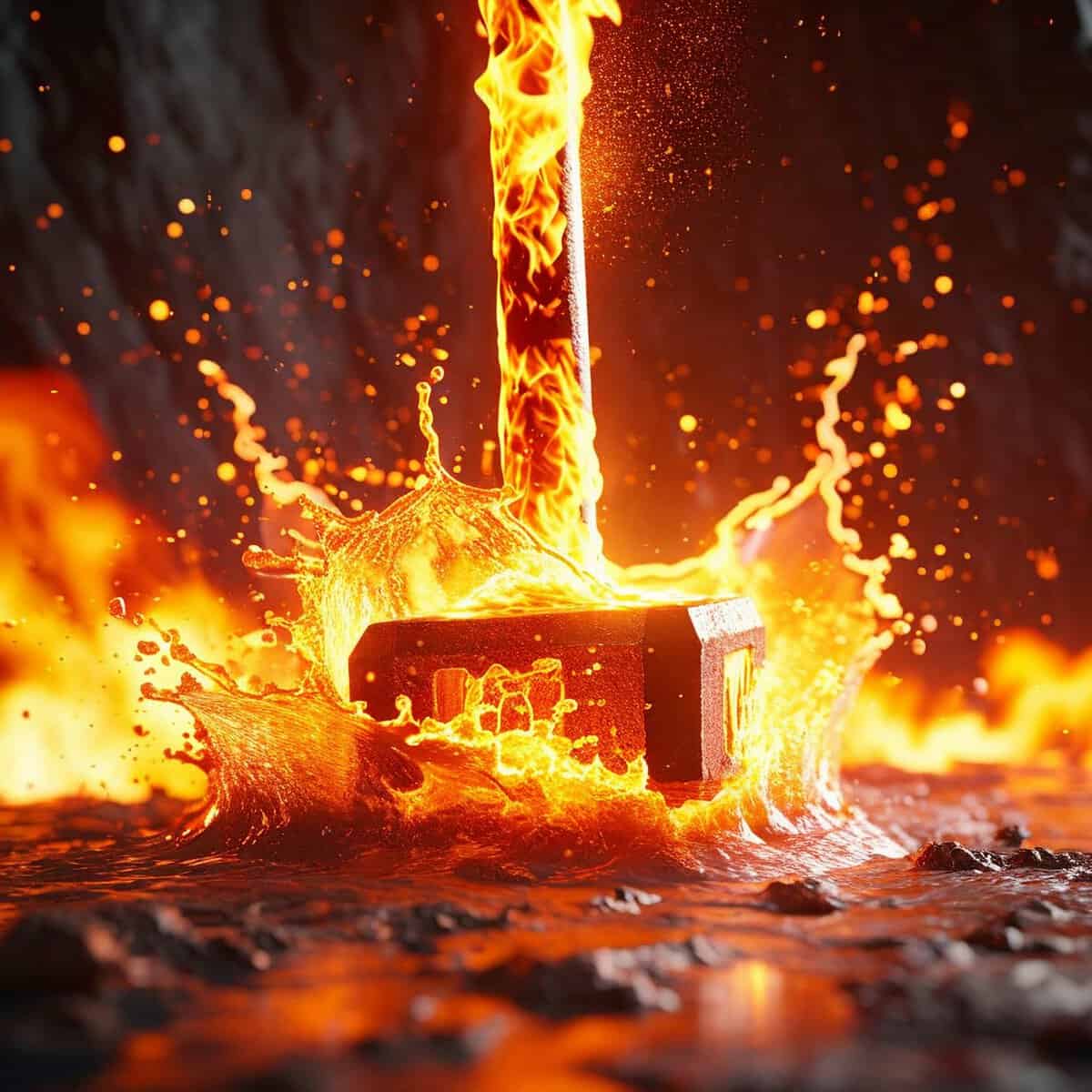
Thor’s enemies frequently represent forces existing beyond the organized world of gods and humans.
His battles can therefore be understood as more than physical fights. They repeatedly restore boundaries.
Giants threaten the gods, monsters endanger travelers, and supernatural enemies disturb the established order.
Thor arrives with Mjölnir and pushes those dangers back. This makes the hammer a powerful symbol of protection.
Thunderstorms may have strengthened this imagery for ancient Scandinavians.
The terrifying sound of thunder could be imagined as Thor moving through the heavens and striking enemies with his hammer.
The same force capable of producing frightening storms could also defend the human world. Mjölnir therefore represented controlled power.
Its violence was directed toward forces that threatened the communities and cosmic order Thor protected.
6. Mjölnir Was Used for Blessings as Well as Battle
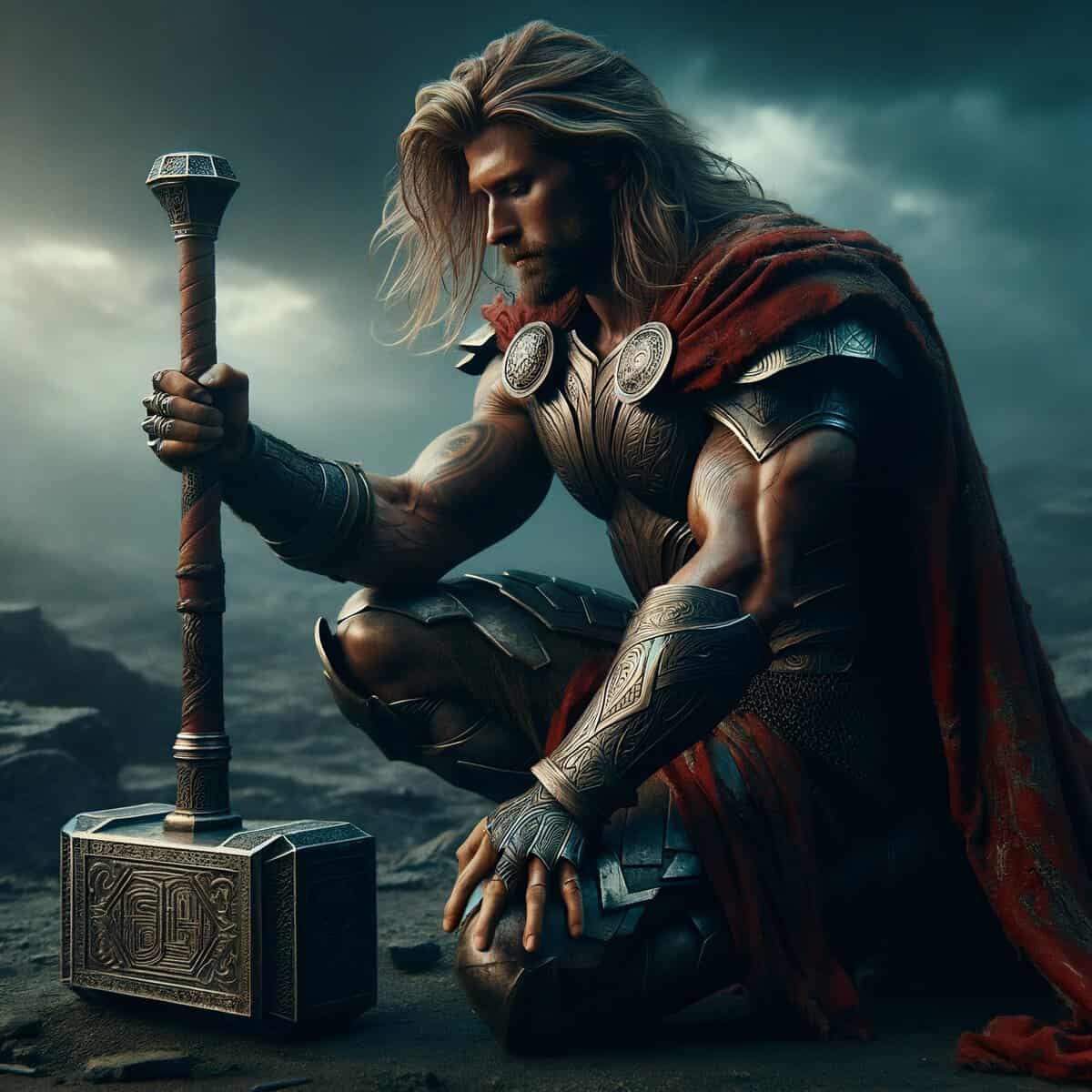
One of the most surprising things about Thor’s hammer is that it was not used only to destroy. Mjölnir also appears in contexts involving blessing and consecration.
In Þrymskviða, the stolen hammer is brought forward during the supposed wedding so that it can be placed in the bride’s lap and bless the marriage.
Of course, the disguised bride is actually Thor. The scene reveals that the hammer possessed sacred significance beyond warfare.
Another story describes Thor using Mjölnir in connection with restoring his goats after they had been killed and prepared as food.
These examples connect the hammer with life, blessing, and sacred order. That combination makes Mjölnir unusual.
The same object capable of crushing a giant could also sanctify important moments.
Thor needed it not only because he was a warrior, but because he occupied an important religious role.
7. The Hammer Symbolized Thor’s Protection of Humans
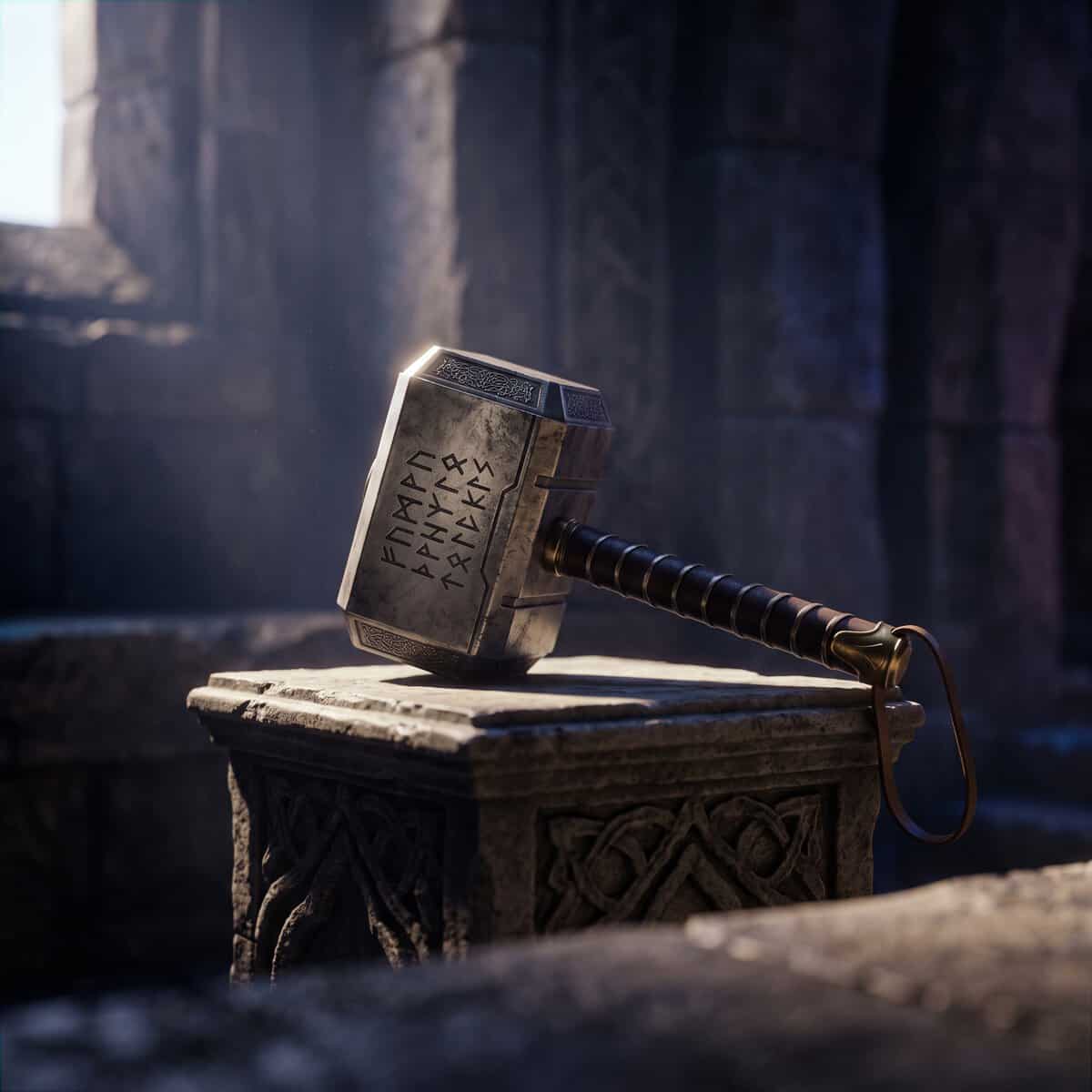
Thor was enormously popular among ordinary people in the Norse world.
Archaeologists have discovered numerous hammer-shaped pendants dating from the Viking Age.
These objects are commonly interpreted as representations of Mjölnir.
People may have worn them as expressions of religious identity or as protective symbols.
Their popularity shows that Thor’s hammer meant something beyond the stories of gods fighting giants.
It could represent safety, strength, blessing, and Thor’s protective presence.
This became particularly interesting during the period when Christianity was spreading through Scandinavia.
Cross pendants and hammer pendants existed within the same changing cultural world.
Mjölnir could therefore communicate loyalty to traditional Norse beliefs while also functioning as a familiar symbol of divine protection.
8. Mjölnir Made Thor More Than Just a Strong God
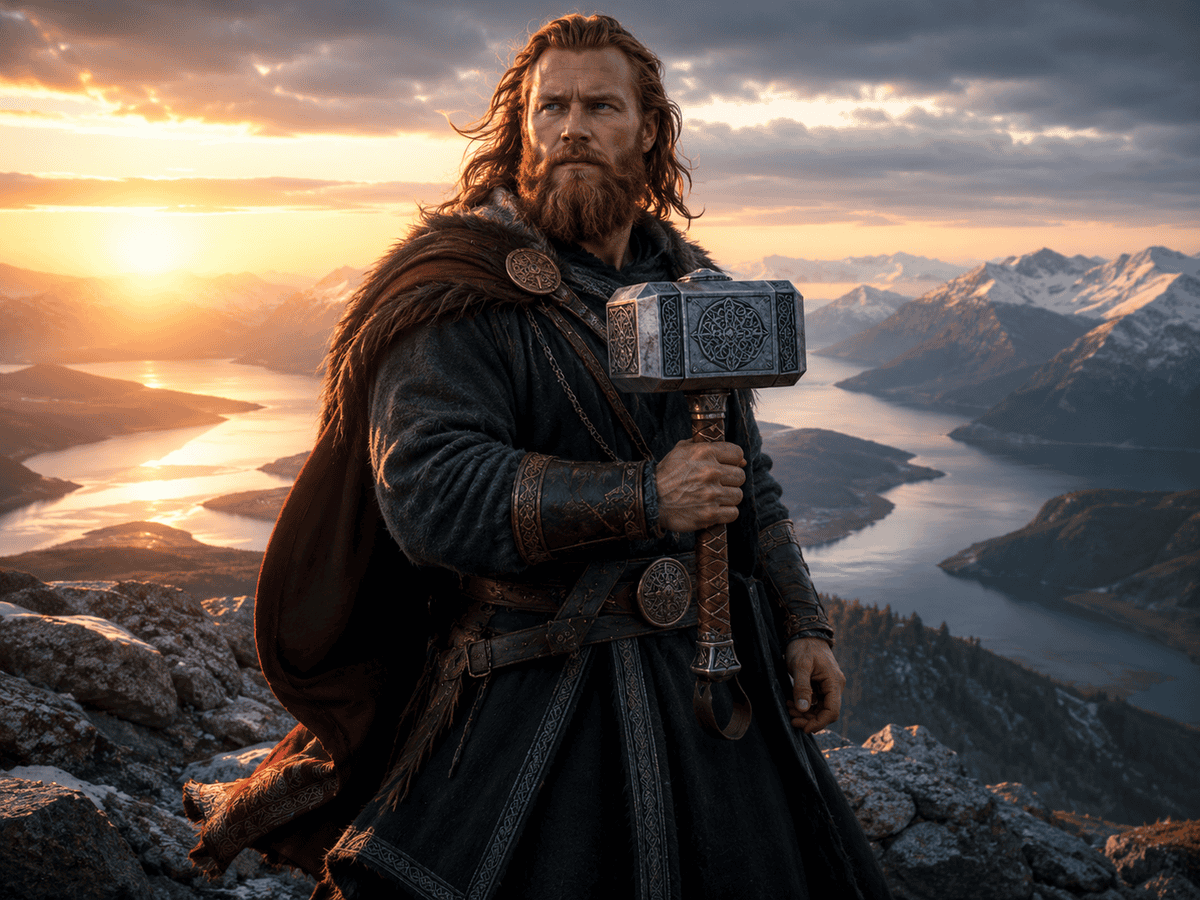
Thor probably could have defeated many enemies using physical strength alone.
But Mjölnir transformed him into something greater than an exceptionally powerful fighter.
The hammer represented his entire role within the Norse cosmos. With it, Thor defended Asgard.
He confronted giants. He protected the human world. He blessed important events and restored order when supernatural forces threatened it.
That combination explains why losing Mjölnir was such a serious problem.
Thor without his hammer was still tremendously strong, but an important part of his divine function was missing.
Mjölnir concentrated everything Thor represented into one recognizable object.
Strength alone can be uncontrolled and destructive. The hammer gave that strength direction and purpose.

Sempre senti uma forte ligação com o Divino desde o meu nascimento. Como autora e mentora, a minha missão é ajudar os outros a encontrar o amor, a felicidade e a força interior nos momentos mais sombrios.