
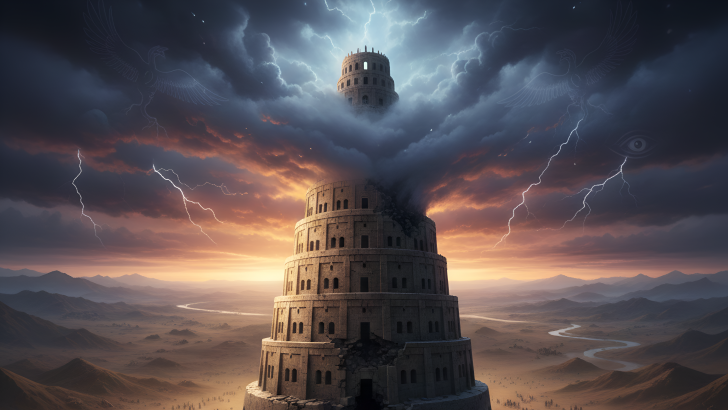
The story of the Tower of Babel is one of the most well-known tales in the Bible. It tells of a time when humanity, speaking a single language, decided to build a tower reaching the heavens.
God, seeing their pride and ambition, confused their language and scattered them across the earth.
The story has been interpreted as a lesson about humility, the dangers of pride, and the origins of different languages.
But what if the Tower of Babel were not just a story? What if it were a real event that changed the course of human history?
Thinking about the Tower as a historical event opens questions about human innovation, language, culture, and the way societies develop. Below are six fascinating aspects to consider if the Tower of Babel were real.
1. Humanity Once Spoke a Single Language
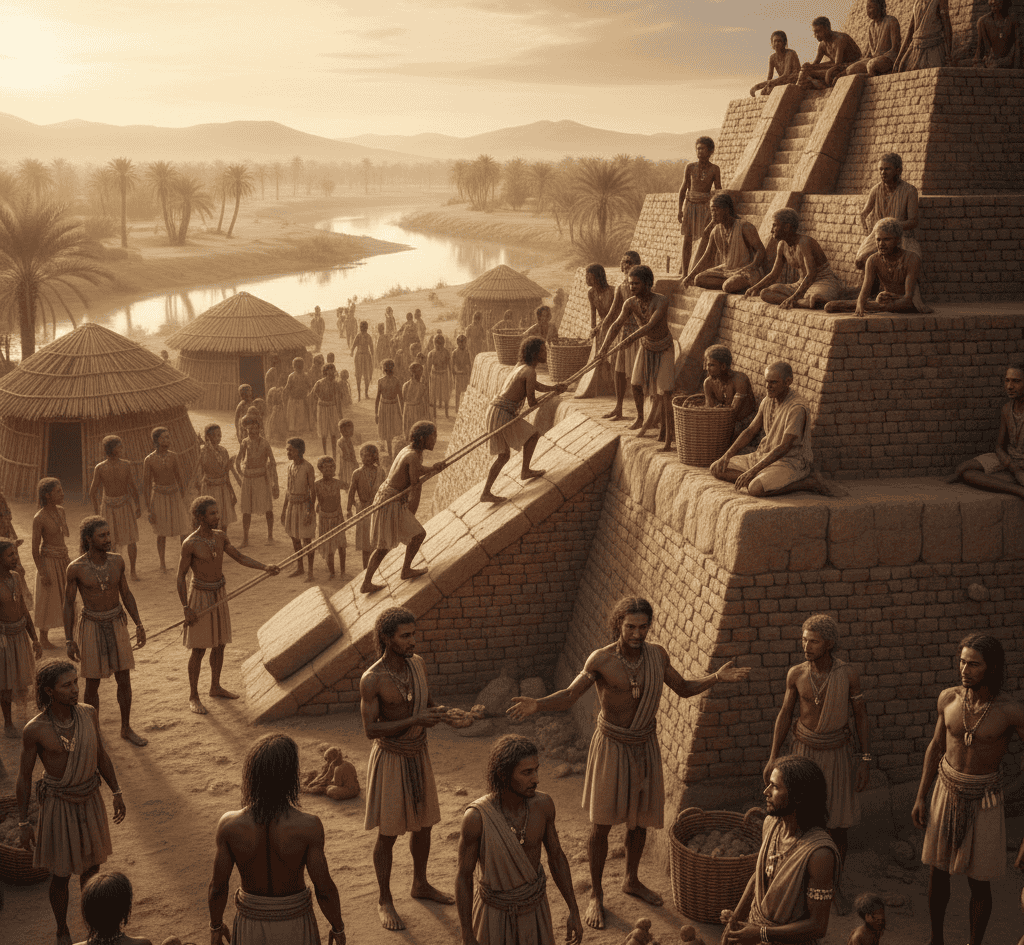
If the Tower of Babel were real, it would mean that all humans once communicated with a single language.
This would have allowed people to share ideas, teach skills, and work together in ways we can hardly imagine today.
Cooperation would have been much easier, making early civilizations faster at building, farming, and trading.
A single language could have allowed knowledge to spread rapidly, and inventions or discoveries might have been shared globally.
This would explain some theories that early humans were surprisingly advanced in areas like construction, astronomy, and mathematics.
The story suggests that once humans became too proud of their unity and power, that single language was taken from them, scattering knowledge across the world.
The confusion of language would have caused societies to develop independently, giving rise to the diversity of languages and cultures we see today.
If the Tower existed, it could mark the moment when human civilization began to branch into the many groups we now recognize.
2. Advanced Construction Knowledge Existed Early
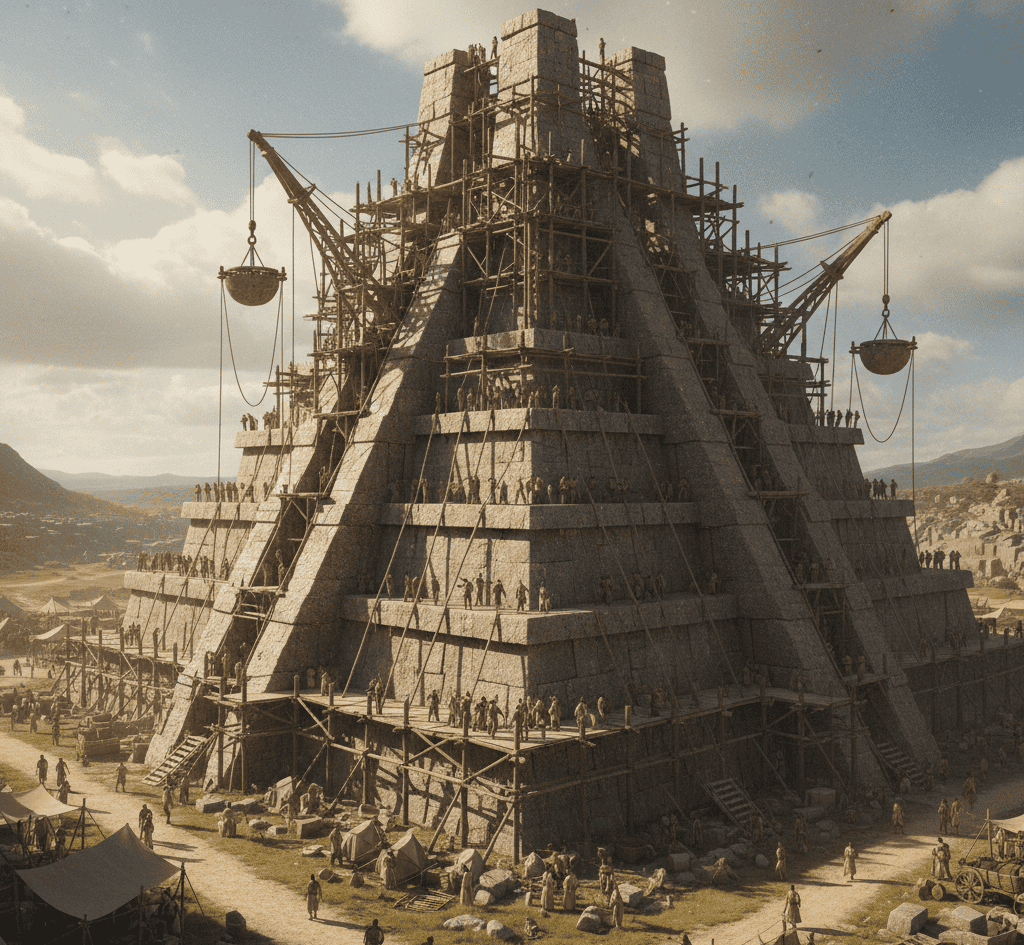
The Tower of Babel, if real, would have required incredible construction skills.
Building a massive structure reaching “the heavens” would have demanded knowledge of engineering, materials, and organization that seems far ahead of its time.
This suggests that early humans were capable of more than just simple shelters or huts. They could have had advanced methods for moving large stones, designing stable foundations, and organizing large labor forces.
If this knowledge existed, it might have been lost when the population was scattered and communication was broken.
Stories of enormous structures in other ancient cultures, like the pyramids of Egypt or ziggurats in Mesopotamia, might reflect the same kind of advanced knowledge hinted at in the Babel story.
The Tower could have been the first attempt at creating a universal structure, a symbol of unity and ambition before humanity was divided.
3. The Story Explains the Origins of Different Languages
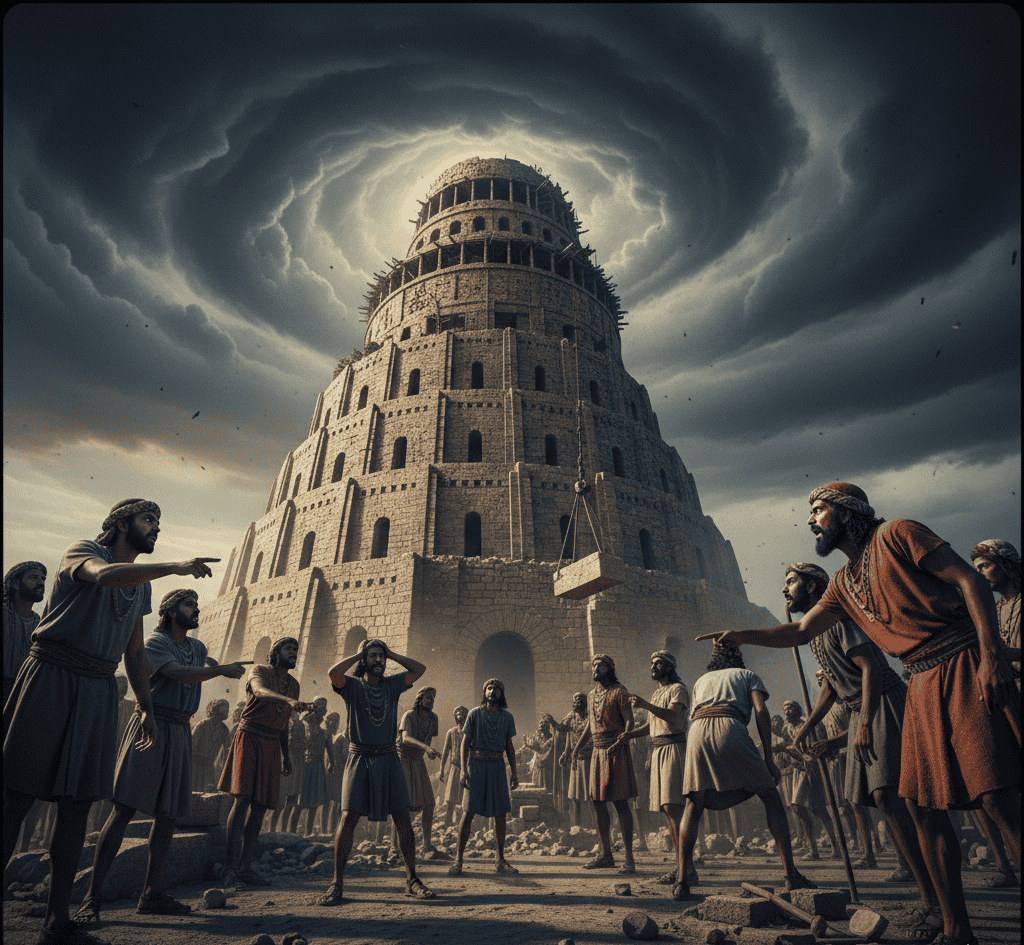
One of the clearest lessons from the Tower of Babel story is the origin of multiple languages.
If the Tower were real, the sudden emergence of hundreds or thousands of languages would have caused immediate challenges in communication.
Communities would have struggled to collaborate, trade, and share knowledge. This scattering could explain why similar technologies or ideas appeared in distant places independently.
People were no longer able to rely on a single set of instructions or traditions, forcing societies to innovate in isolation.
Language diversity would have shaped culture, religion, and identity. New myths, stories, and beliefs could have emerged in each group, leading to the rich variety of traditions we see across the world today.
The story of Babel, if historical, marks the moment humanity became fragmented, but also uniquely creative.
4. Pride and Ambition Shaped Human History
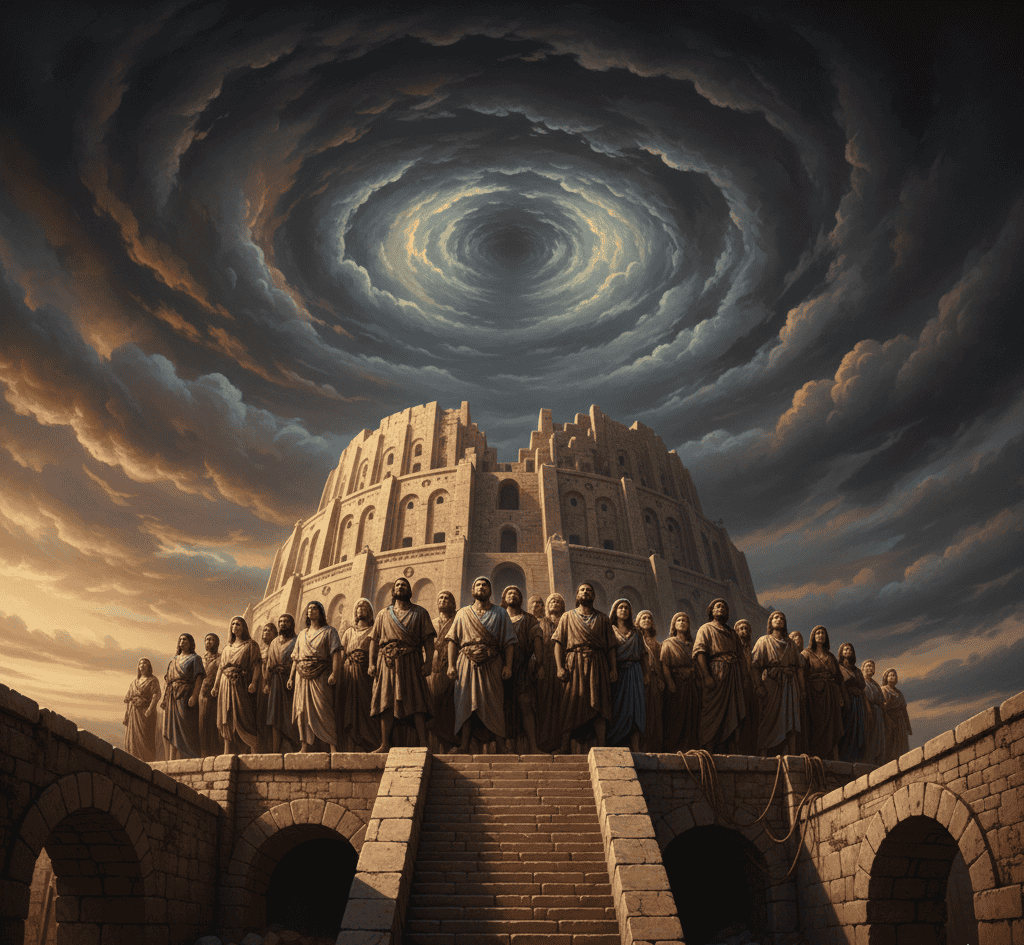
The Tower of Babel represents more than just construction. It represents human pride and ambition.
If the Tower were real, it would show that humanity has always reached for more than survival.
Even in early times, people dreamed of achieving the impossible, building monuments, and challenging limits.
This ambition has continued throughout history. From great empires to space exploration, humans have always pushed boundaries.
The Tower reminds us that ambition can unite people, but unchecked pride can also lead to mistakes or setbacks.
If Babel were real, it might have been the first moment when human ambition reached its peak before society was divided.
It could be a reminder that cooperation is powerful, but humility is necessary to sustain progress.
5. Scattering of Humanity Led to Cultural Diversity
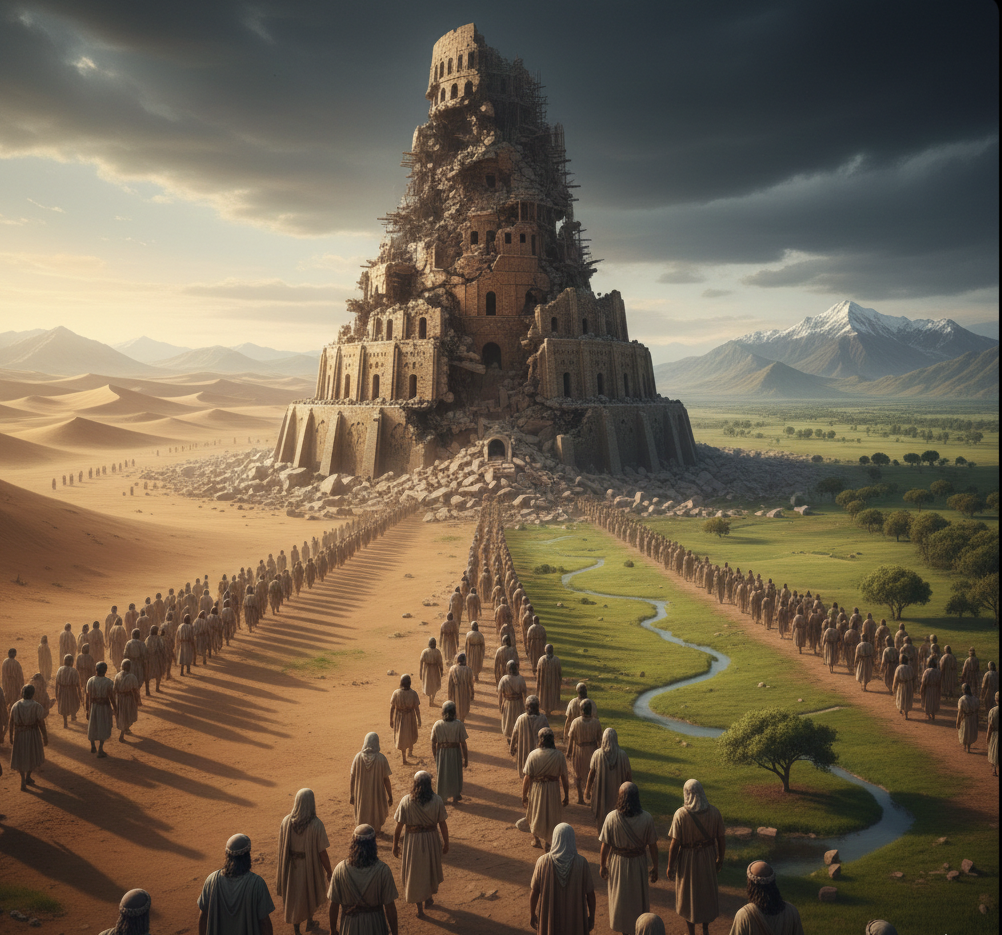
If God scattered people from the Tower, it would explain why human civilizations developed in different regions independently.
This division allowed new languages, customs, and technologies to evolve separately.
Regions separated by mountains, deserts, or rivers developed unique solutions to common problems.
Agriculture, metallurgy, and architecture each took distinct forms depending on local needs and resources.
Human diversity might have been accelerated by this scattering, shaping the world as we know it today.
The scattering could also explain why myths and religious beliefs differ across regions, even though they share some similar ideas.
The story suggests that the differences among human groups are ancient, not modern inventions.
6. The Tower as a Symbol of Lost Knowledge
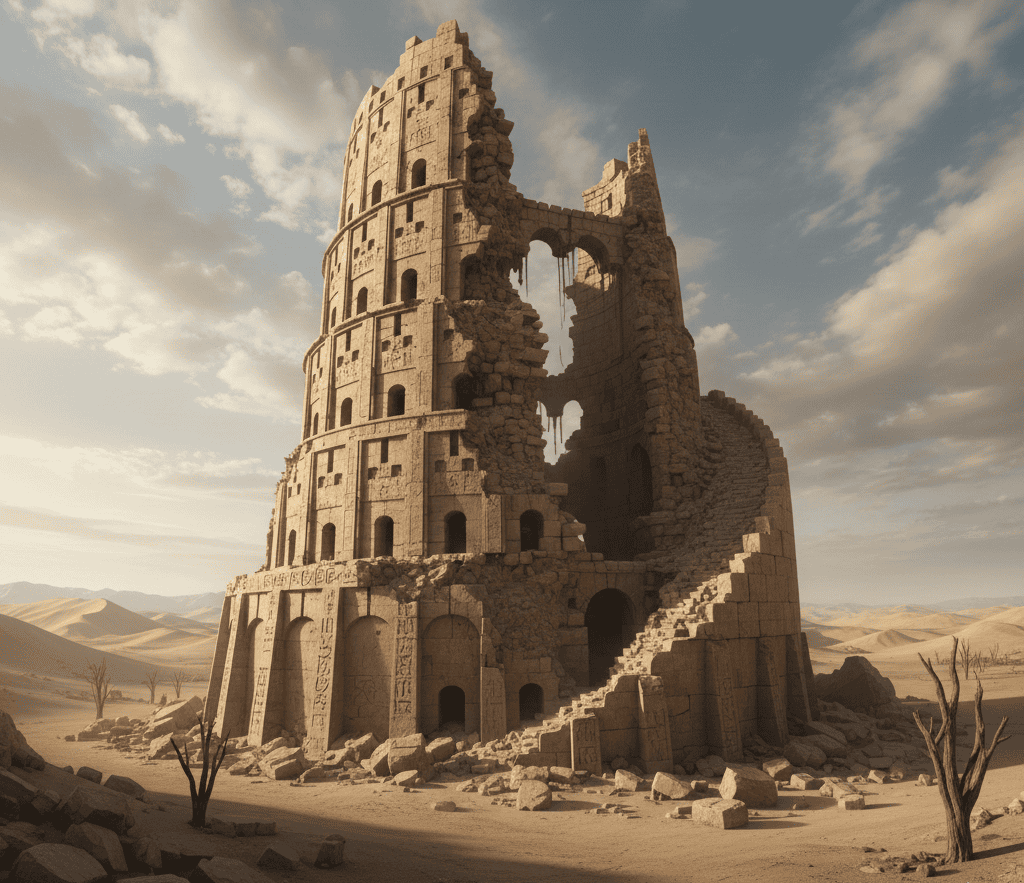
If the Tower of Babel were real, it might symbolize a time when humans once had access to knowledge that was later lost.
The confusion of languages would have slowed the spread of ideas, and some advanced methods may have disappeared.
The story may hint at a lost era of human civilization where people were unified and capable of extraordinary achievements.
This lost knowledge could inspire why ancient monuments, maps, and texts sometimes appear more advanced than expected for their time.
Even today, the Tower remains a powerful symbol of what humans can achieve when working together, and how fragile that progress can be when communication and understanding break down.

Sempre senti uma forte ligação com o Divino desde o meu nascimento. Como autora e mentora, a minha missão é ajudar os outros a encontrar o amor, a felicidade e a força interior nos momentos mais sombrios.