
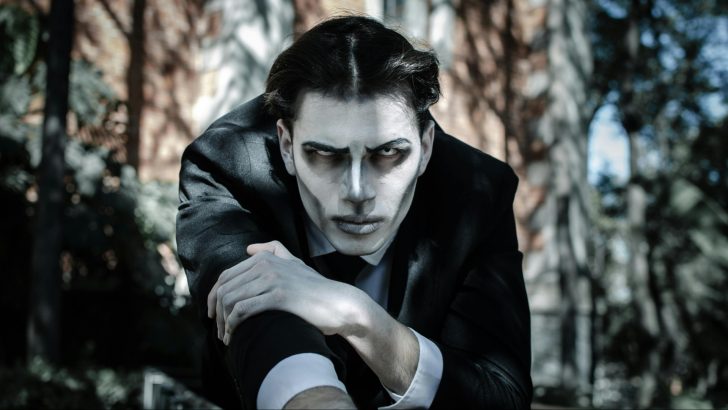
Vampire is one of the most iconic mythological monsters and a horror movie staple!
Though subsequent storytellers and horror movie enthusiasts created an entire catalogue of traits this monster possesses, it actually comes from the Balkans.
It first became known to the rest of the world when the Austro-Hungarian government got a report about a vampire hunt in a Serbian village.
However, this monster’s roots go much deeper into the past, and the etymology of its name helps us see just how deep!
1. Out of Fire
The word vampire literally means “out of fire” or “without fire.” It’s derived from the combination of “van” (outside, excluded) and “pir” (fire, pire).
It’s famously the only word from the Serbian language that’s used worldwide. However, not even many native speakers understand its true meaning, since the word is pretty archaic.
Fire was an essential element in pagan Slavic rituals, especially in burial rites.
Burning the dead was thought to purify the body, ensuring the soul’s safe journey.
The etymology hints that a vampire comes from a deceased that wasn’t purified or buried according to tradition.
2. Fire in Slavic Tradition
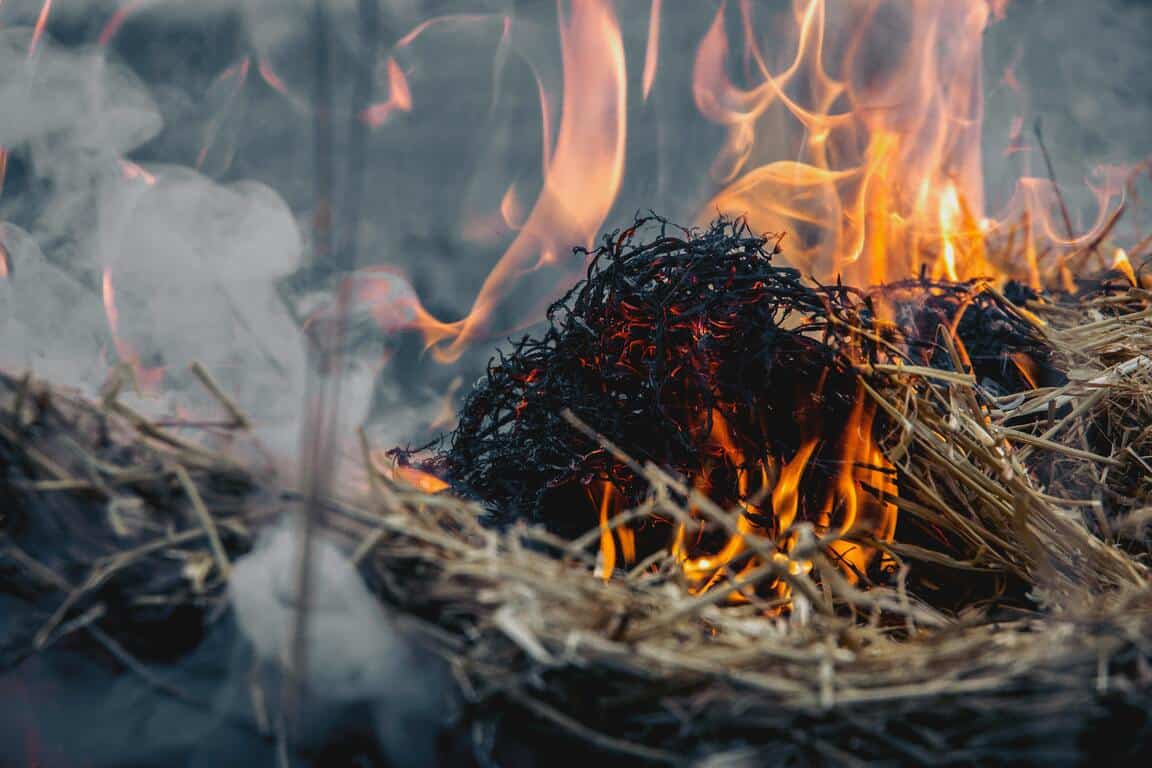
Like most other pagan traditions, the Slavs worshipped fire. It symbolizes the life-giving Sun, purity, warmth, and chaos.
When someone died, their body was burned as a way to cleanse their soul.
It’s quite likely that these archaic communities thought that decomposition hurt the soul and shamed the dead, so fire was a way to purify them and send them off with honors.
It also quickened the process of the soul’s release from the body, in order to avoid coming into contact with restless spirits.
If the deceased wasn’t properly cremated, it was believed that the spirit wouldn’t find peace and would return as a malevolent entity.
The word “vampire” hints at this ancient fear.
3. From Pagan to Christian Burial Customs
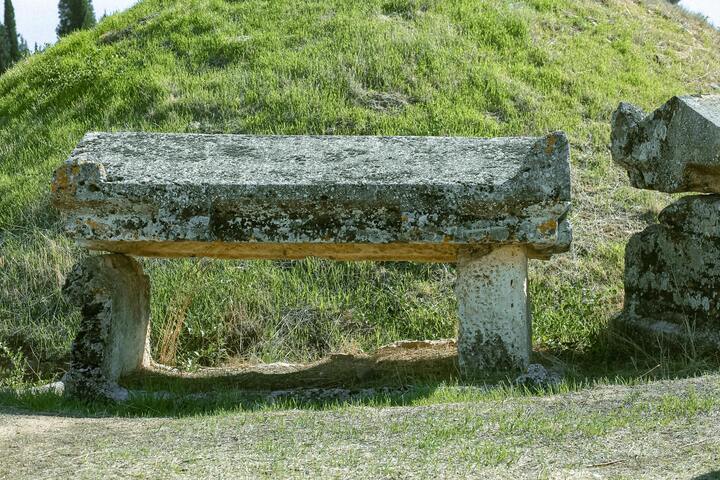
As Christianity spread across the Balkans, the church enforced new burial customs.
Cremation was strictly forbidden. The church viewed it as a pagan act that actually harmed the soul’s journey.
The new religion stated that by burning the body, we also destroy the soul and prevent the deceased from reaching Heaven.
As a matter of fact, the Catholic church only allowed cremation again in the early 1960s, while the Orthodox church still forbids it.
Back in the day, this change created understandable anxiety among the people.
The fear of those who weren’t properly cremated grew, especially if the deceased in question had a violent life or death.
These were the very people who came back as vampires.
4. The Old Beliefs About the Dead
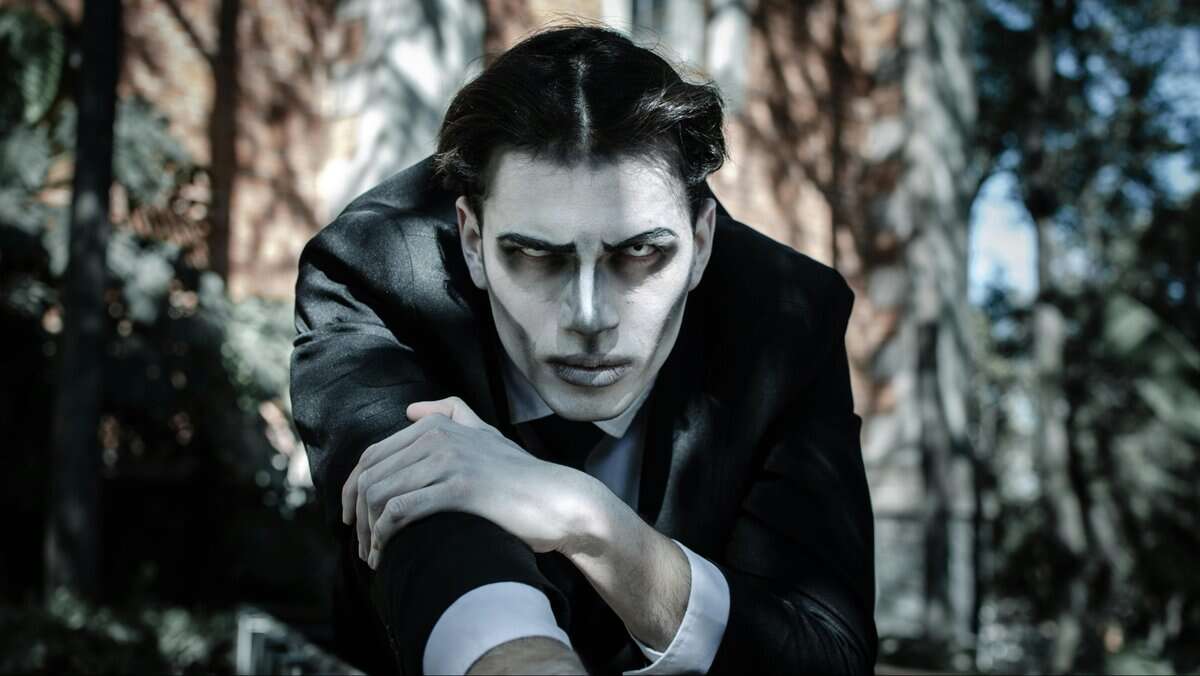
In pre-Christian Slavic culture, the mundo espiritual was very perigoso.
It was believed that harmful and negative entities lurked everywhere, especially in liminal spaces and timelines.
When it comes to spaces, that means the woods, lakes and rivers, watermills, and abandoned places. Also, specific hours were considered liminal and dangerous.
At the same time, not belonging anywhere also exposes you to these spirits, like when you’re just deceased.
You no longer belong to the living, but you also don’t belong to the dead either, until the ritual is done.
That’s why swiftly burning the dead was paramount.
5. Petar Blagojevic and International Curiosity
The first widely known Serbian vampire, Petar Blagojevic, sparked international curiosity in the 1700s.
The report of the case was published in the Viennese magazine "Wienerisches Diarium“.
Many dismissed it as a silly superstition, but the details of the vampire-killing ritual were fascinating.
The villagers were intent on digging the grave of the late Blagojevic and piercing his heart with a hawthorn stake, since people started suddenly dying after his death.
To do that, they needed the permission of the ruling government, which is how this strange report reached the Austro-Hungarian officials.
The group included a few men from the village and a virgin riding a black horse. The ritual was observed by an Austro-Hungarian officer.
According to the report, Blagojevic wasn’t decomposing and had traces of blood around his mouth.
6. The Significance of Proper Burial
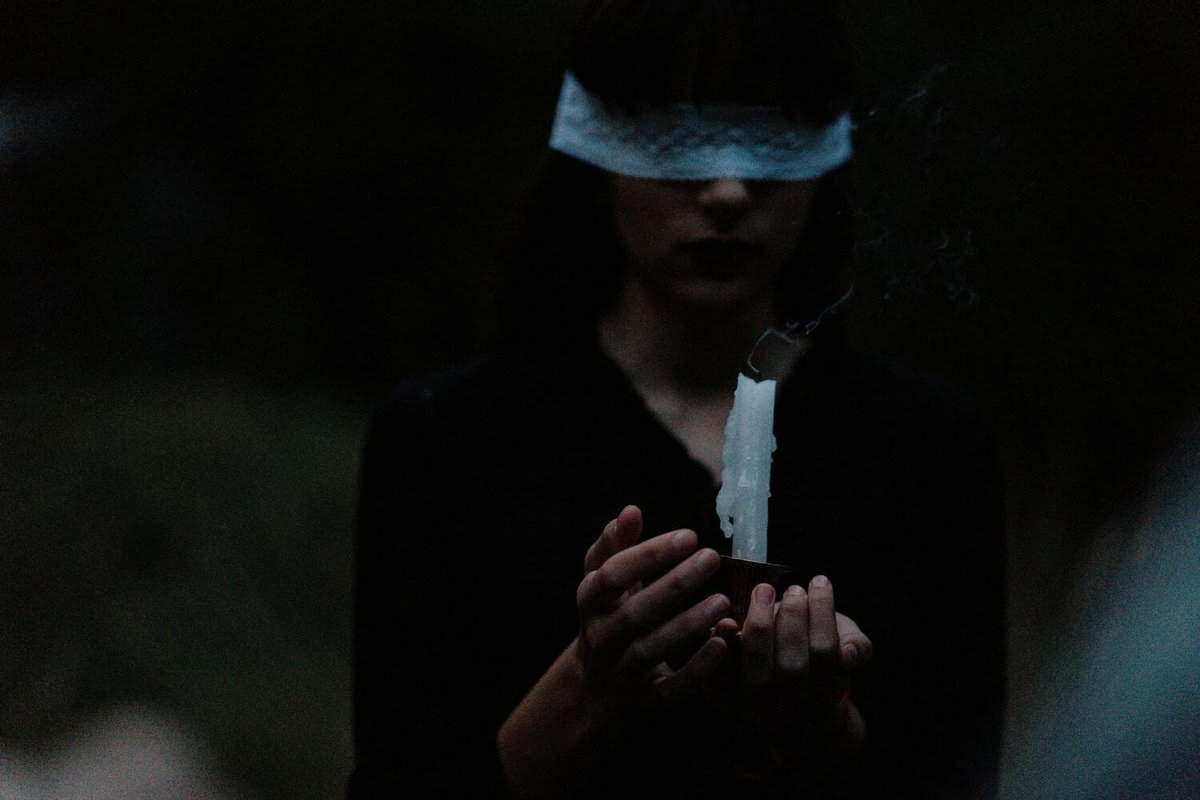
Proper cremation wasn’t just respecting the dead; it also protected the community.
In most pagan communities, including that of the Balkans, rituals surrounding death were elaborate. They emphasized fire, cleansing, and spiritual boundaries.
Any deviation could lead to a restless spirit, which might turn into a vampire.
This fear kept communities strict about following the burial rites.
To this day, these precautions remain. For instance, the deceased is never left alone, but carefully observed by someone in the family, as long as they’re at home.
The living have the duty to make sure an animal doesn’t cross over the deceased, such as a cat or chicken, as that could also invoke evil spirits.
And most strangely, in very remote Serbian villages, old people still remember instances of vampire killings during their lifetimes.
7. The Evolution of the Vampire Myth in Eastern Europe

Over centuries, the vampire myth evolved from these ancient fears into the embodiment of immortality.
Its core remains rooted in the pagan understanding of death and the soul’s journey.
The legends grew more elaborate, incorporating fears of the undead and blood-drinking.
One thing remains the same: this is a creature that was excluded – from burial, from natural death, from society.
Its name remained deeply tied to the ancient Slavic worldview, as an expression of fears about death, and the sacred elements that separate the living from the dead.
8. Why Etymology Matters
Knowing the true meaning behind the word “vampire” allows us to understand its origin.
In translation, the word loses its strength, but through etymology, we’re able to comprehend the fullness of the cultural fears and rituals it contains.
It tells a story of ancient spirituality, burial rites, and the anxieties that Christianization brought to archaic communities.
This etymology also allows us to look deeper into this creature, beyond the modernized appeal of a sophisticated immortal.
The original vampire was neither sophisticated nor truly immortal.
It was a calamity caused by improper or denied cremation, a dirty soul that sought revenge on those who failed to send it off with dignity.

A little Aquarius, devoted to writing and embroidery. Through my writing, I hope to empower readers to align with their true selves and navigate life’s mysteries with confidence.