
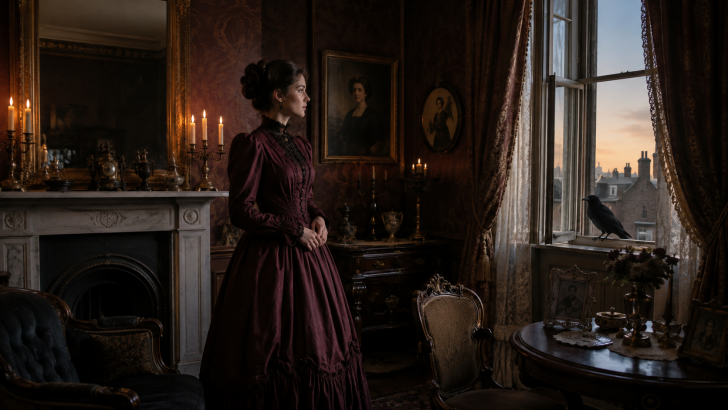
The Victorian era is often remembered for elegant clothing, grand houses, strict manners, and dramatic social rules.
But beneath that respectable surface existed a world filled with strange superstitions.
During the nineteenth century, many people still believed everyday events could predict death, marriage, wealth, illness, or unexpected visitors.
Not every Victorian believed these ideas, of course. Superstitions differed between families, regions, and social classes.
Many beliefs were also inherited from much older British and European folklore rather than invented during the Victorian period itself.
Still, they remained surprisingly influential. Here are nine Victorian superstitions that can sound very strange today.
1. A Bird Flying Into the House Could Predict Death
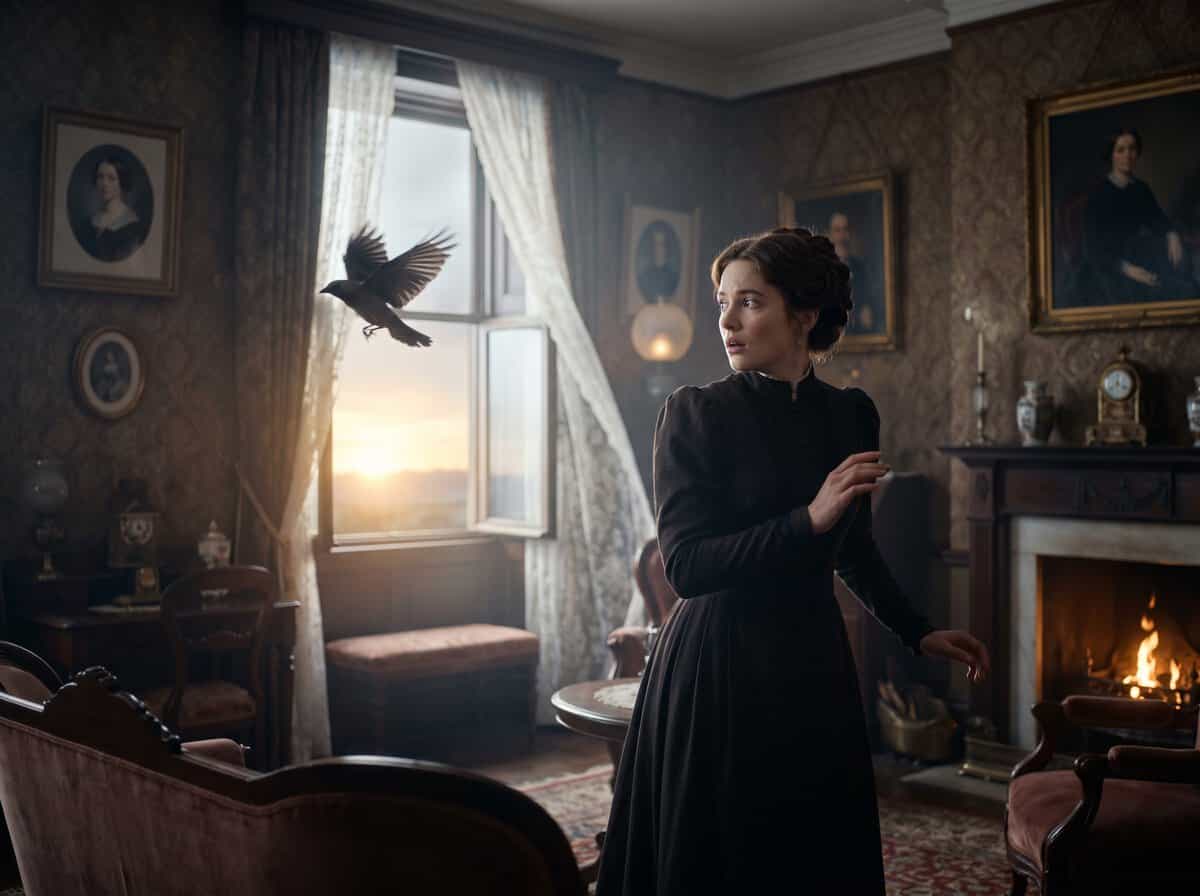
Imagine opening a window and watching a bird accidentally fly into your living room. Today, most people would simply try to guide it back outside.
For some Victorians, however, the unexpected visitor could carry a frightening message. Birds were associated with souls and the spirit world in European folklore.
Because they could travel through the sky, they seemed capable of moving between earthly and supernatural realms.
A wild bird entering a home could therefore be interpreted as a warning that someone inside might soon die.
Certain birds gained especially ominous reputations depending on local tradition.
The superstition became even more unsettling when a bird repeatedly struck a window.
Victorians living in a culture where death was a familiar part of everyday life could take such signs seriously.
2. Opening an Umbrella Indoors Was Considered Bad Luck
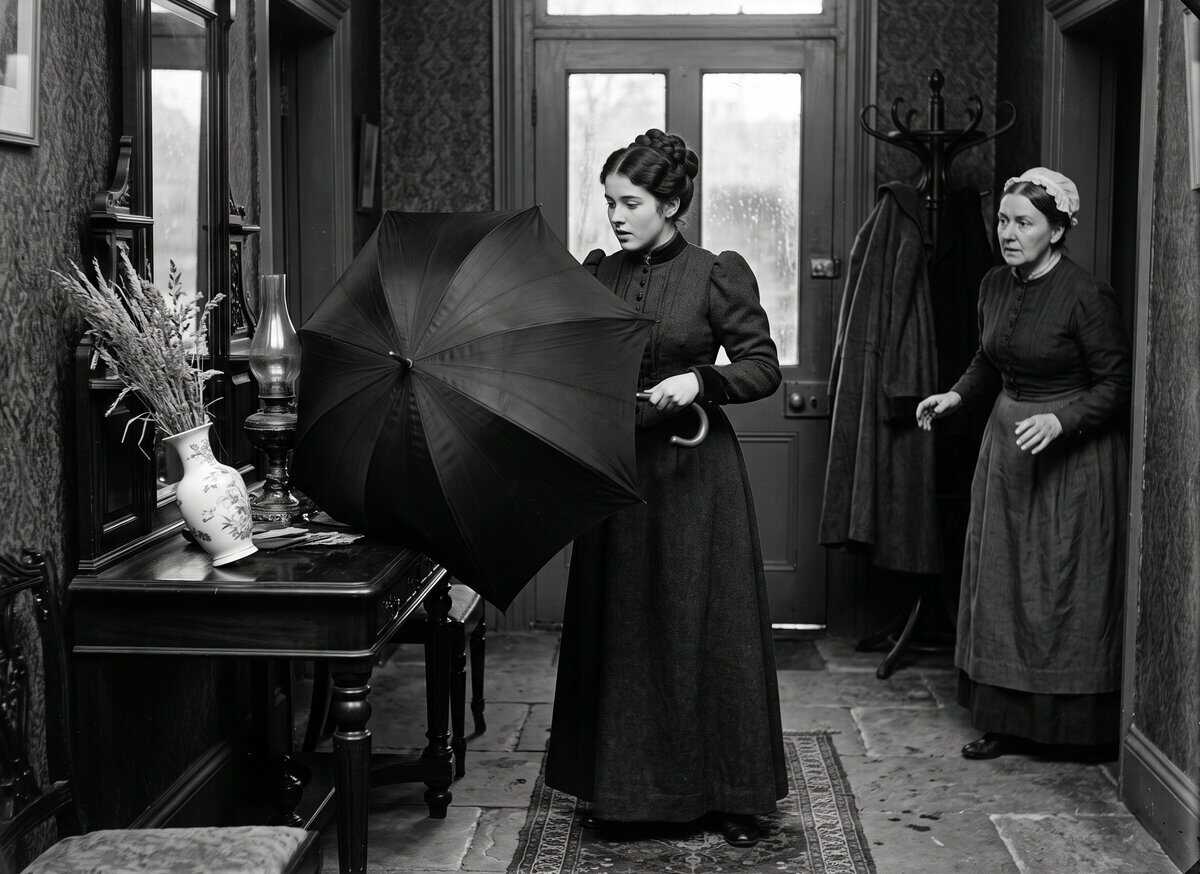
The warning against opening umbrellas indoors remains familiar today.
Victorian households helped preserve and popularize this superstition, although explanations for its origin vary.
One practical reason is surprisingly simple. Early umbrellas could be large, awkward objects with stiff metal mechanisms.
Opening one inside a crowded room could knock something over or accidentally hurt another person.
Over time, practical caution became surrounded by supernatural explanations.
Some people believed opening an umbrella beneath a roof insulted protective forces surrounding the household or somehow invited misfortune inside.
Even people who cannot explain why it is supposedly unlucky may hesitate before opening an umbrella indoors today.
3. Mirrors Were Covered After Someone Died
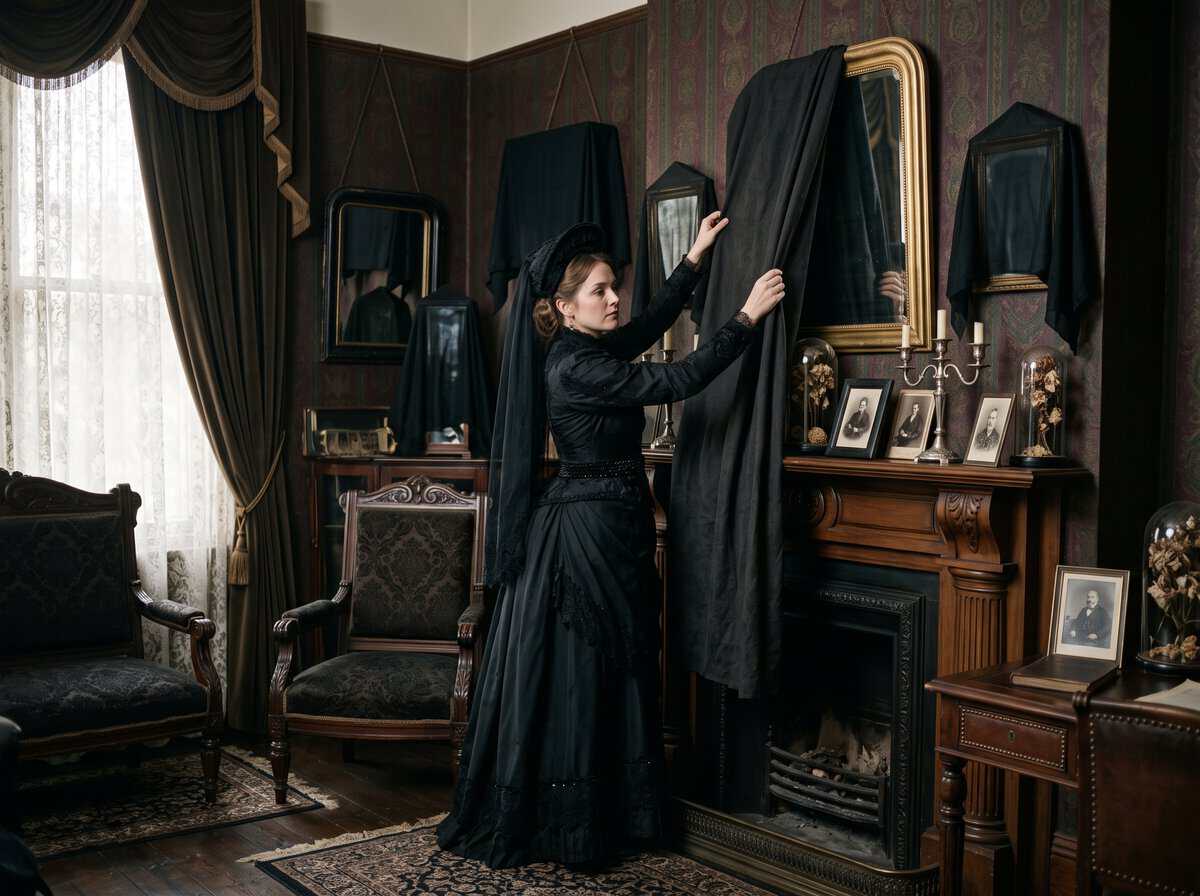
Victorian mourning customs could be incredibly elaborate. One particularly eerie custom involved covering mirrors.
After a death, families might wear black clothing, observe formal periods of mourning, and follow numerous traditions concerning the home.
Some folklore suggested that the soul of the deceased could become trapped inside a mirror.
Other traditions warned that seeing your reflection in a mirror within a house where someone had recently died could bring terrible luck or even predict another death.
Mirrors already possessed a mysterious reputation because they produced an almost perfect copy of whoever stood before them.
In an era fascinated by ghosts and Spiritualism, their connection with death became even stronger.
4. Shoes Placed on a Table Could Bring Misfortune
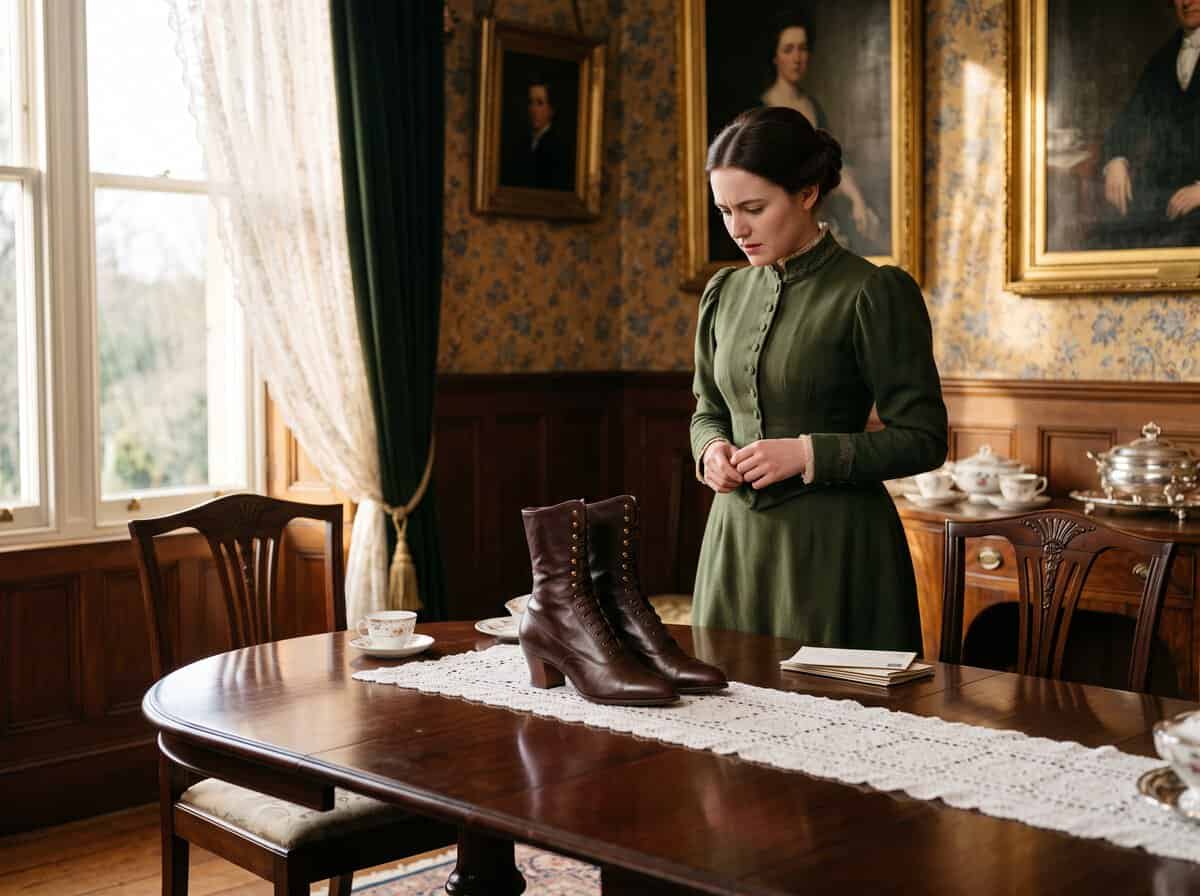
Putting shoes on the table would probably be considered unhygienic or rude today. For many Victorians, it could also be unlucky.
British folklore developed a particularly strong superstition around placing new shoes on a table.
Doing so was sometimes believed to invite arguments, financial problems, or even death into the household.
The table was a central household space, and violating its proper order could supposedly disturb the family’s fortune.
For a superstitious Victorian household, those beautiful new boots belonged almost anywhere except beside the dinner plates.
5. The Number of Sneezes Could Carry a Message
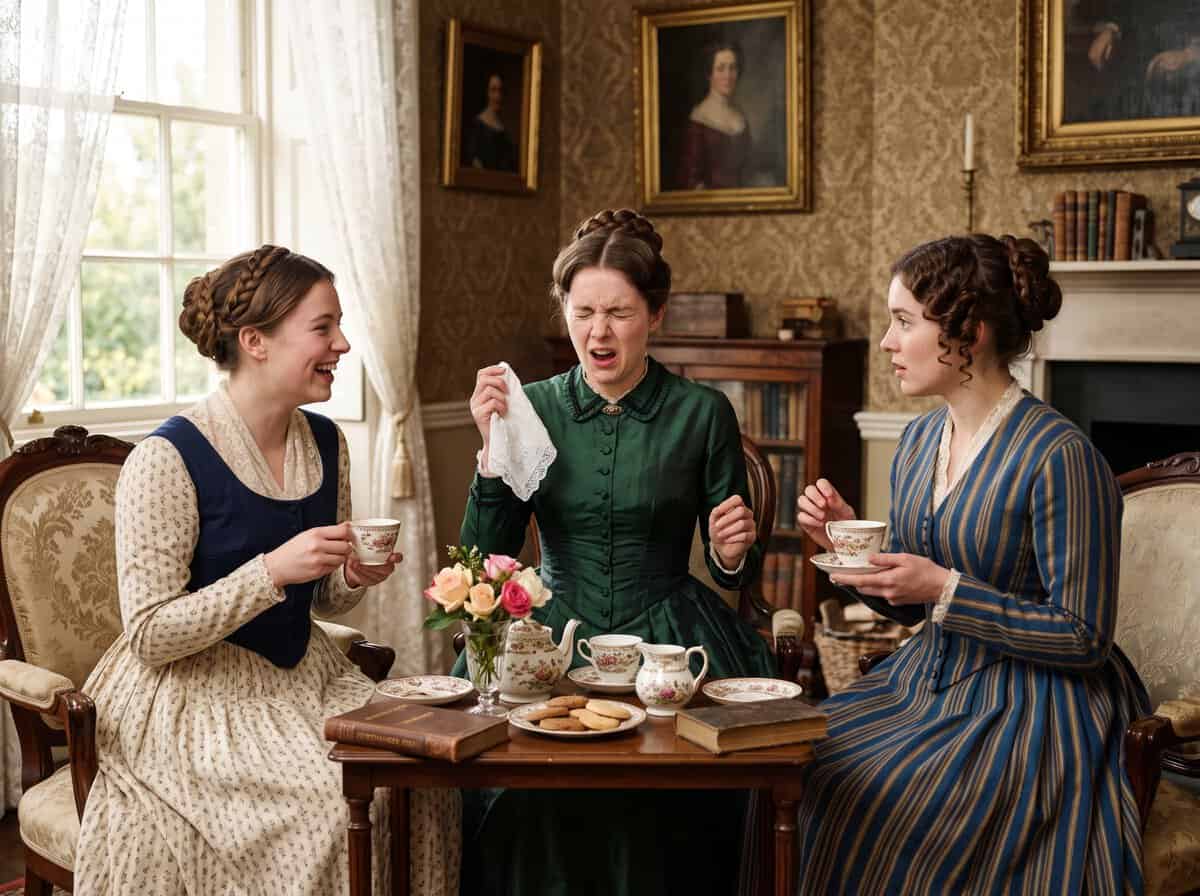
A sneeze was not always treated as an ordinary physical reaction.
Traditional British folklore gave sneezing a surprising collection of meanings, many of which continued circulating during the Victorian era.
Depending on the local rhyme or belief, sneezing once, twice, or several times could supposedly predict different events.
A sneeze might suggest that someone was thinking about you. Another could predict a kiss, disappointment, a letter, or some other approaching event.
The day of the week could sometimes change the interpretation as well. These beliefs turned an uncontrollable bodily reaction into a tiny form of fortune-telling.
People have attached supernatural meaning to sneezing since ancient times, partly because sudden unexplained physical events once seemed mysterious.
6. A Fallen Picture Could Be a Terrible Omen
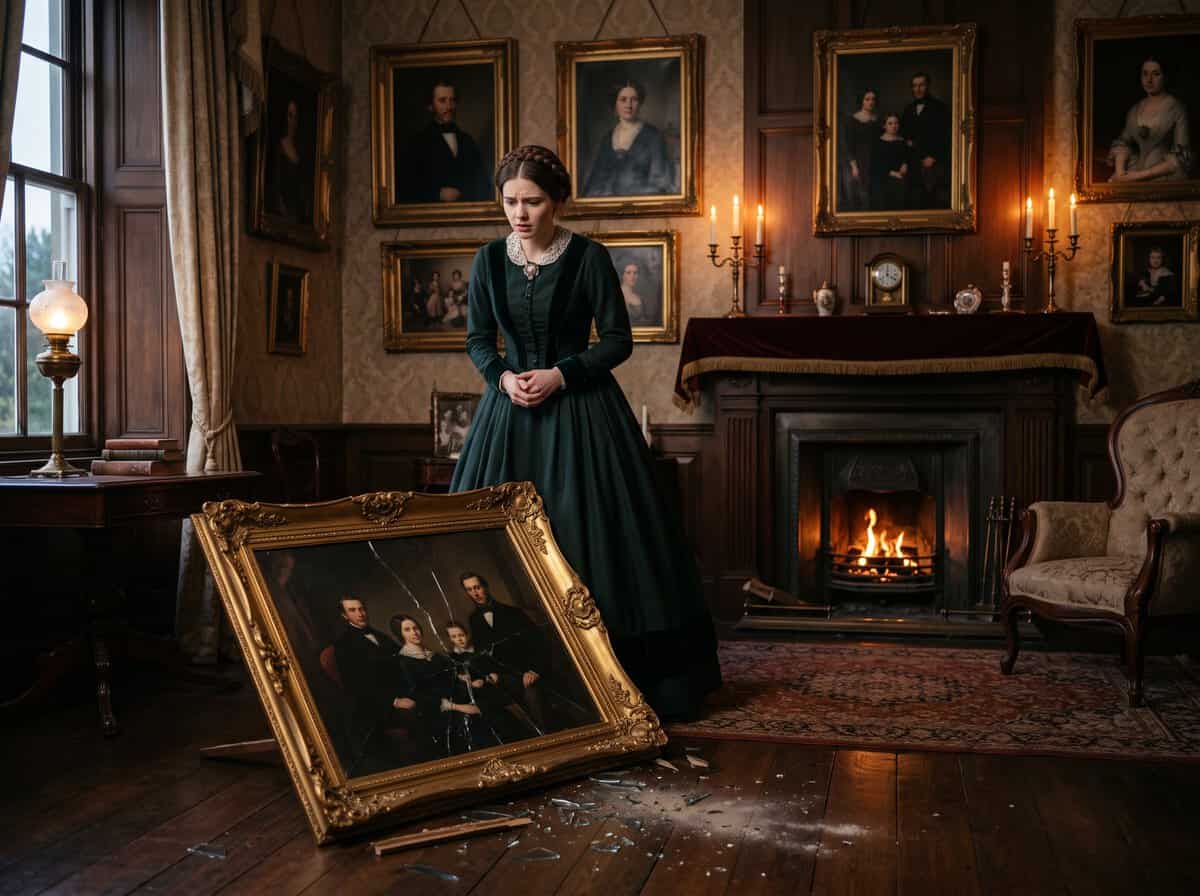
Victorian homes often displayed portraits, paintings, and family photographs.
If one suddenly fell from the wall, some people feared that something much worse than broken glass was coming.
A picture falling without an obvious explanation could be interpreted as a warning of death or misfortune.
The superstition became particularly unsettling when the fallen image depicted a specific person.
In that case, people might worry that the individual in the portrait was in danger. From a modern perspective, there were plenty of ordinary explanations.
A weak hook, vibration, moisture, or an aging frame could easily send a picture crashing to the floor.
But within a culture rich in supernatural folklore, sudden unexplained events invited symbolic interpretations.
7. Wedding Days Were Surrounded by Strange Rules
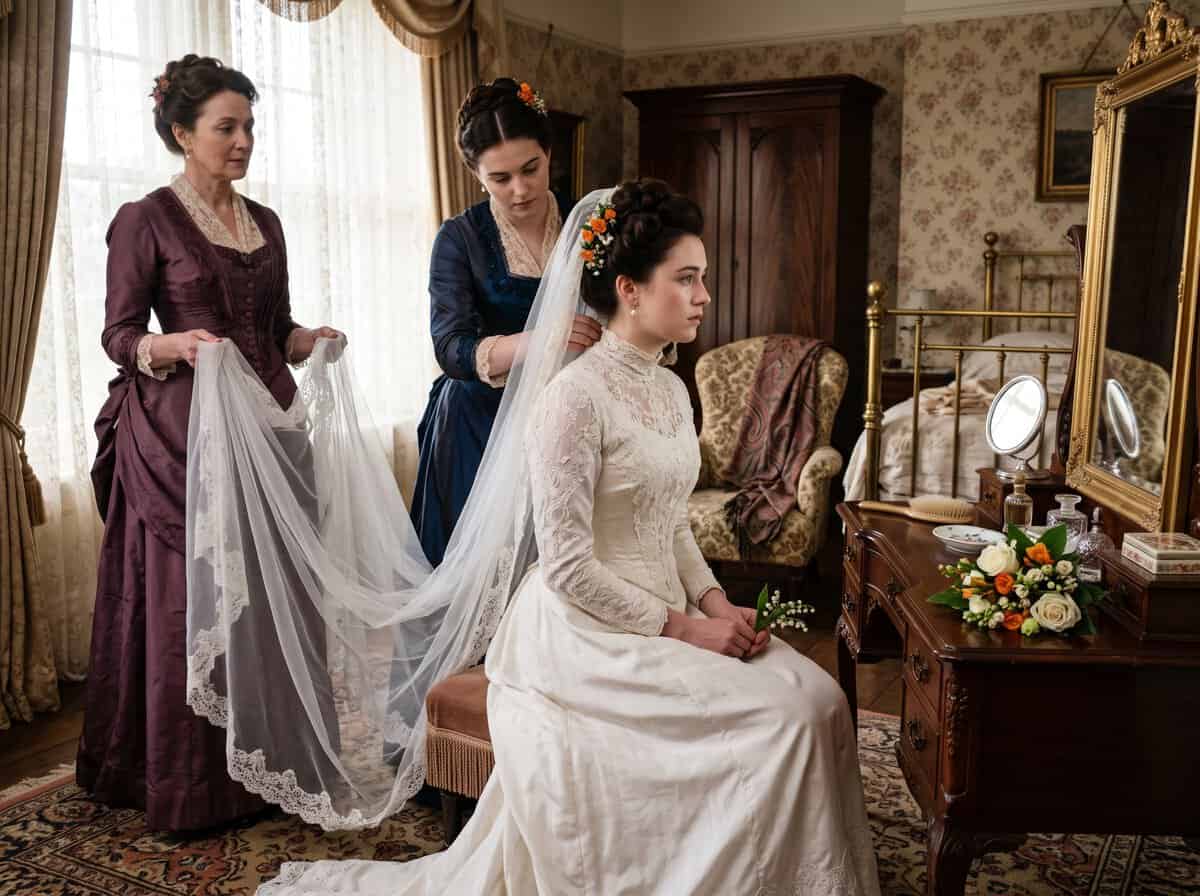
Victorian brides had far more to worry about than choosing a dress. Weddings attracted an enormous collection of superstitions.
Certain days or months were considered more fortunate than others. Rain could carry different meanings depending on the tradition.
Particular flowers, clothing choices, and unexpected encounters might be interpreted as signs.
The bride’s clothing became especially important. Old traditions surrounding something old, new, borrowed, and blue became increasingly familiar during the Victorian period.
Seeing certain animals or people while traveling to the ceremony could also be considered lucky or unlucky.
Many of these customs reflected understandable anxiety. Marriage could completely transform a person’s social and financial future, especially for women.
8. Spilling Salt Could Invite Bad Luck
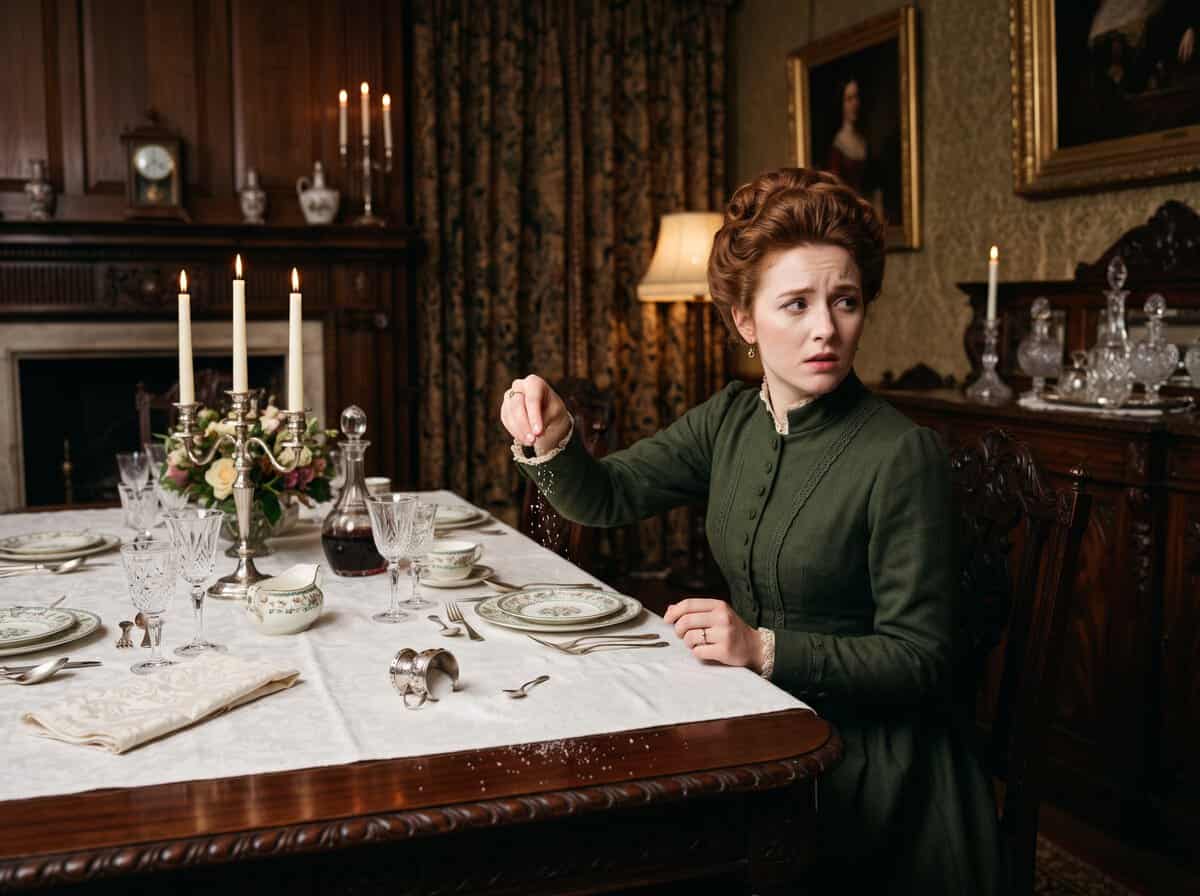
Salt seems ordinary today, but historically it was extremely valuable. It preserved food, added flavor, and played important roles in religious and cultural traditions.
This importance helped give salt powerful symbolic meanings. By the Victorian period, spilling salt was already an old sign of misfortune.
Fortunately, folklore provided a solution. A person could supposedly prevent the approaching bad luck by throwing a pinch of the spilled salt over the left shoulder.
The explanation often involved the belief that harmful spiritual forces lurked behind a person, and throwing salt could drive them away.
Some people still instinctively toss spilled salt over their shoulder despite having little belief in supernatural consequences.
9. Dreaming About Teeth Could Predict Trouble
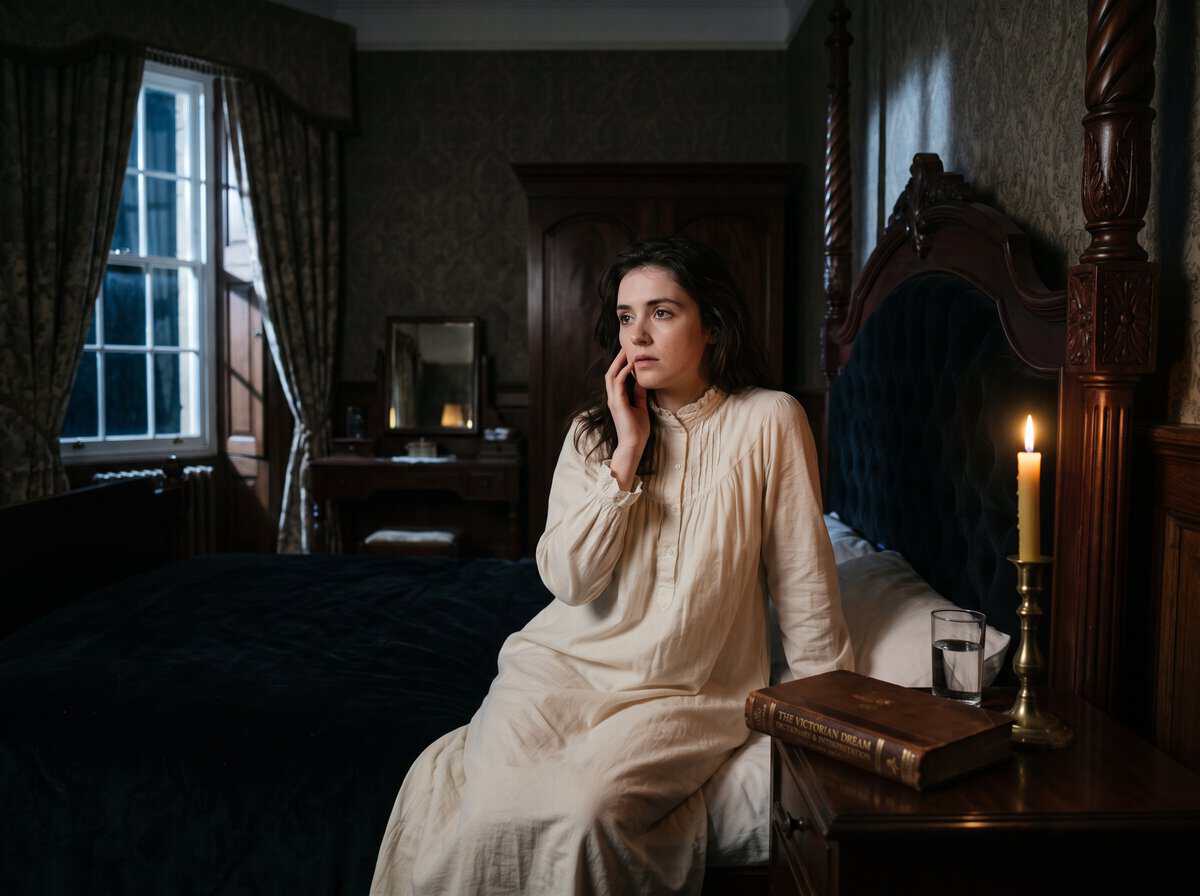
Victorians were fascinated by dreams and what they might reveal. Popular dream books offered interpretations for everything.
Dreaming that teeth were loose, damaged, or falling out could supposedly warn of illness, loss, family problems, or other approaching misfortune.
Different dream guides offered different interpretations, so there was never one universal meaning.
Still, disturbing dreams were often treated as potentially significant rather than random.
This fascination existed alongside growing scientific attempts to understand the human mind.
Dreams occupied the perfect territory between science, folklore, and mystery. They felt deeply personal yet remained difficult to explain.

Sempre senti uma forte ligação com o Divino desde o meu nascimento. Como autora e mentora, a minha missão é ajudar os outros a encontrar o amor, a felicidade e a força interior nos momentos mais sombrios.