
If history had a group chat, Jesus would absolutely be the most talked-about figure—complete with misunderstood messages, intense debates, and at least one person saying, “That’s not what I meant!”
Both Christianity and Islam deeply revere Jesus, but they interpret his identity and mission in very different ways. It’s less of a disagreement about whether he matters (he absolutely does), and more about como he matters. Think of it like two people watching the same movie and walking away with completely different theories—except this one has shaped billions of lives.
Let’s break down the key differences:
1. Son of God vs. Prophet Extraordinaire
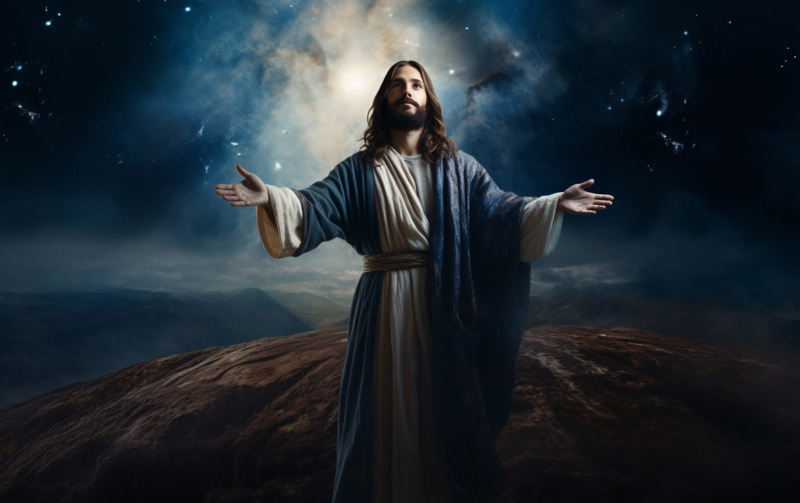
In Christianity, Jesus is not just important—he’s the main character, the plot twist, and the grand finale. Christians believe Jesus is the Son of God, part of the Holy Trinity (Father, Son, Holy Spirit), and essentially God in human form. It’s a divine “cameo” that turned into the central storyline of salvation.
In Islam, however, Jesus (known as Isa) is one of the greatest prophets—but not divine. Muslims strongly emphasize the oneness of God (Tawhid), and the idea of God having a son doesn’t fit into that framework. So while Jesus is deeply respected—miracle-working, born of a virgin, and spiritually significant—he’s still human, not God.
In short: Christians say, “God came down to earth.” Muslims say, “God sent a very special messenger.” Same admiration, different level of divinity.
2. Crucifixion: The Ultimate Sacrifice vs. The Great Misunderstanding
For Christians, the crucifixion of Jesus is the emotional and theological centerpiece. It’s seen as the ultimate sacrifice—Jesus dying for humanity’s sins and then rising again. Without the crucifixion and resurrection, Christianity would basically lose its entire plot.
Islam takes a very different approach. The Qur’an teaches that Jesus was not actually crucified but that it only appeared that way to people. Instead, God saved him and raised him up. Think of it as a divine plot twist where the ending isn’t what the crowd thought it was.
So while Christians see the cross as the ultimate symbol of salvation, Muslims view it more like a historical misunderstanding. Same event, completely different interpretations—and wildly different implications.
3. The Trinity vs. Strict Monotheism
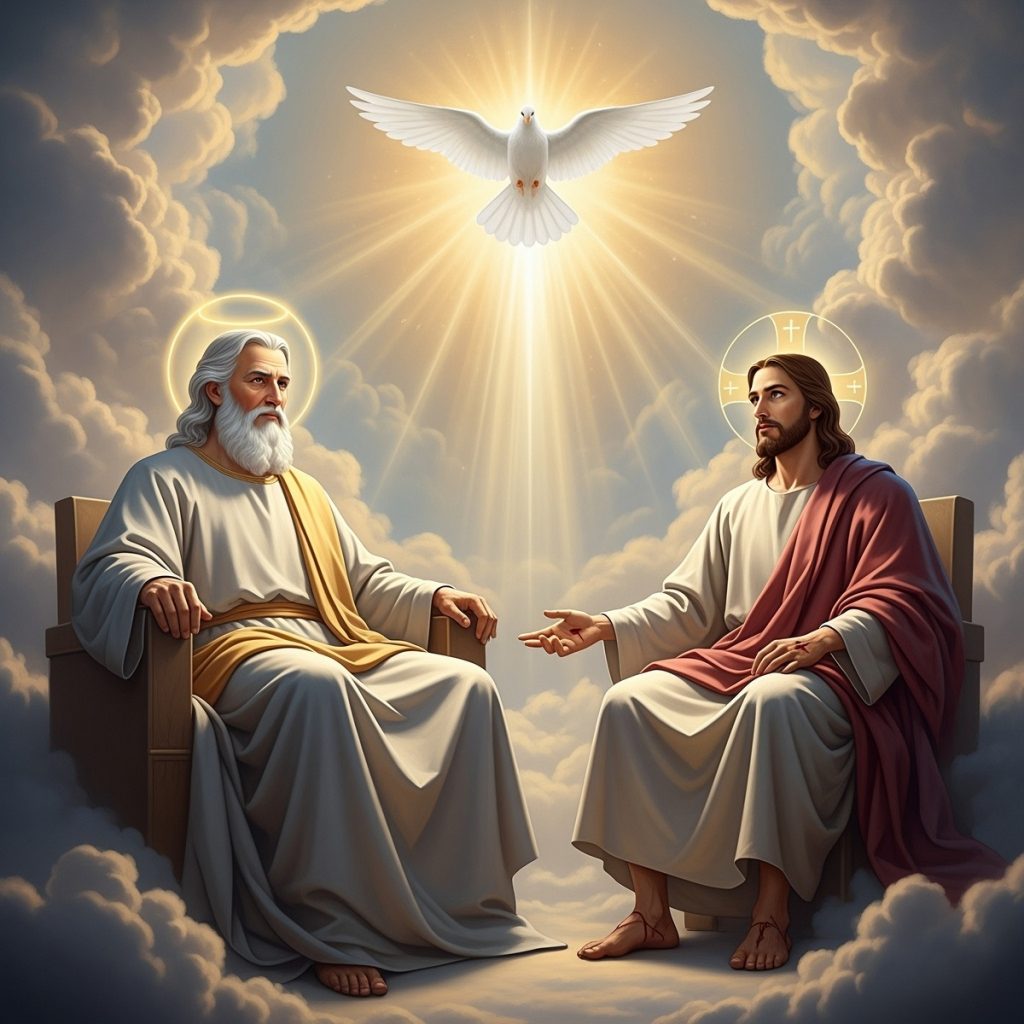
Christians believe in the Trinity: one God in three persons. It’s a concept that has launched a thousand theological debates and at least as many confused expressions. It’s mysterious, complex, and central to Christian belief.
Muslims, on the other hand, keep things very straightforward: God is one. No divisions, no persons, no divine math equations required. The idea of the Trinity is respectfully rejected as incompatible with pure monotheism.
If Christianity is saying, “It’s one God, but… also three,” Islam responds, “Let’s keep it simple: one means one.” Both perspectives aim to honor God, just in very different ways.
4. The Role of Jesus in Salvation
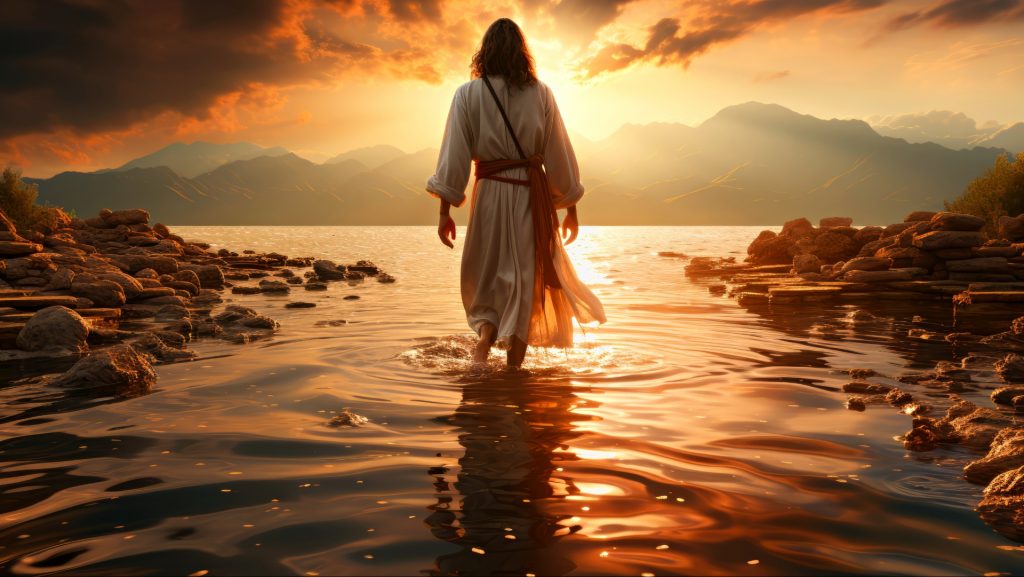
In Christianity, Jesus is the way to salvation. Belief in him, his sacrifice, and his resurrection is seen as the path to eternal life. It’s very much a “through him” kind of situation.
In Islam, salvation is about submission to God, good deeds, faith, and mercy. Jesus plays an important role as a prophet who guided people toward God, but he’s not the gateway to salvation. That role belongs to God alone.
So while Christians might say, “Jesus saves,” Muslims would say, “God saves—and Jesus helped show the way.” Same goal (getting to heaven), different roadmap.
5. The Second Coming: Yes… But Slightly Different Sequel
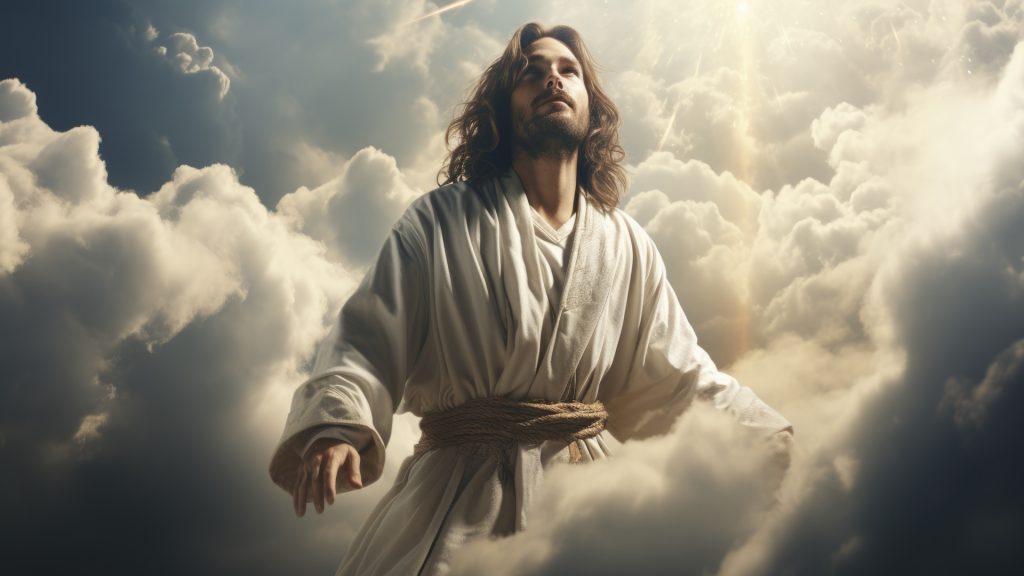
Good news: both religions agree Jesus is coming back. That’s right—he’s got a sequel.
In Christianity, Jesus returns as the divine judge, bringing final justice, defeating evil, and establishing God’s kingdom. It’s a triumphant, end-of-times event where everything comes full circle.
In Islam, Jesus also returns, but his role is slightly different. He comes back as a human servant of God, defeats the false messiah (the Dajjal), restores justice, and reinforces the worship of one God. He’s not returning as God, but as a righteous leader.
It’s like both sides are waiting for the same character—but expecting slightly different story arcs.
6. Scripture: Different Sources, Different Stories
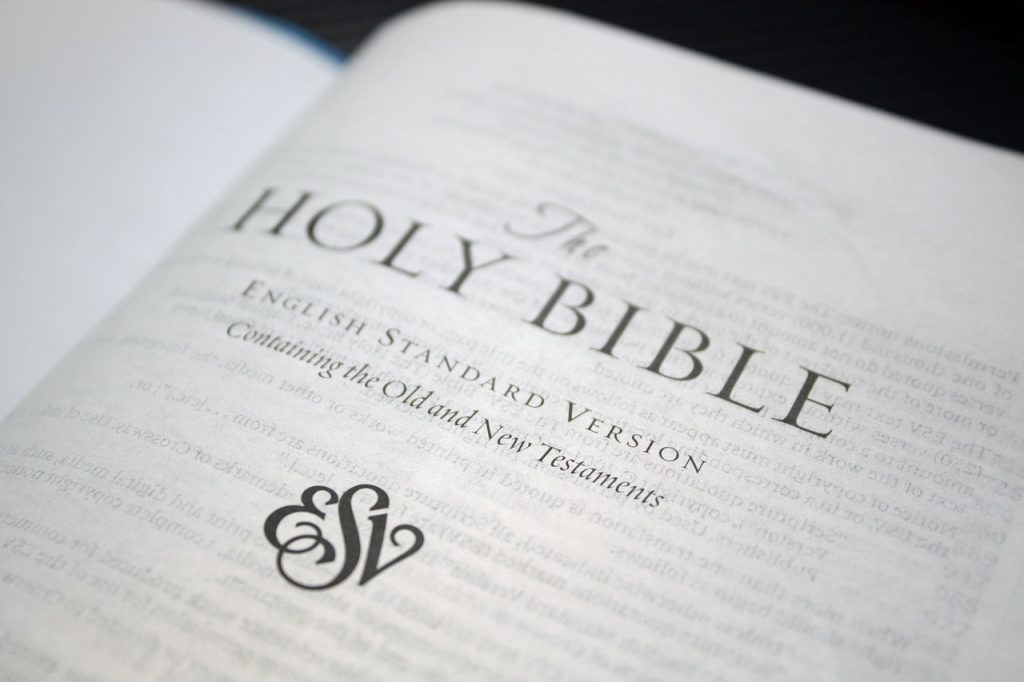
Christians primarily learn about Jesus through the New Testament, especially the Gospels, which detail his life, teachings, death, and resurrection.
Muslims learn about Jesus through the Qur’an and Hadith, where his story is told with some similarities (virgin birth, miracles) but also key differences (no crucifixion, no divinity).
It’s a bit like reading two biographies of the same person written by different authors—same subject, overlapping details, but different interpretations and emphases.
7. Final Thoughts
At the end of the day, both Christianity and Islam hold Jesus in incredibly high regard—something that often gets overlooked. The differences aren’t about whether he was important (he clearly was), but about who he was e what his mission meant.
And while the theological differences are significant, they also open the door for fascinating conversations, deeper understanding, and maybe even the occasional “wait, I didn’t know you believed that too!”
Because if nothing else, Jesus remains one of history’s most powerful unifiers… even when people can’t quite agree on the details.

Lover of good music, reading, astrology and making memories with friends and spreading positive vibes! 🎶✨I aim to inspire others to find meaning and purpose through a deeper understanding of the universe’s energies.