
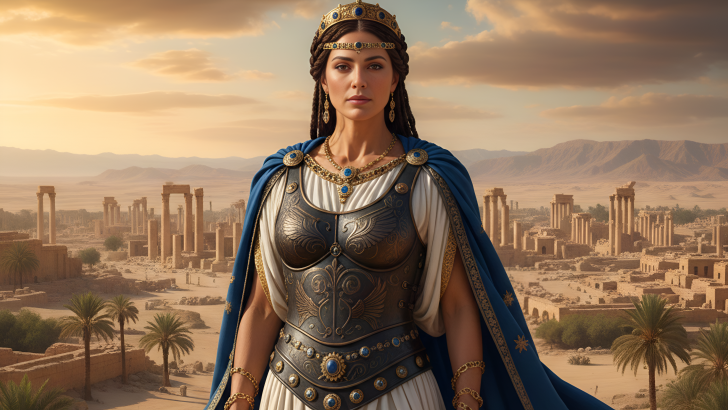
Zenobia was one of the most remarkable women of the ancient world.
As queen of the desert city of Palmyra, she built a powerful kingdom and challenged the authority of the Roman Empire at a time when Rome ruled most of the known world.
Intelligent, ambitious, and determined, she expanded her control across large parts of the Middle East and Egypt.
For a short time, her rule created a strong and independent empire that rivaled Rome itself.
Although her rebellion was eventually defeated, her courage and leadership made her a legendary figure.
These ten facts explain how Zenobia rose to power and why her story is still remembered today.
1. She Ruled After the Assassination of Her Husband
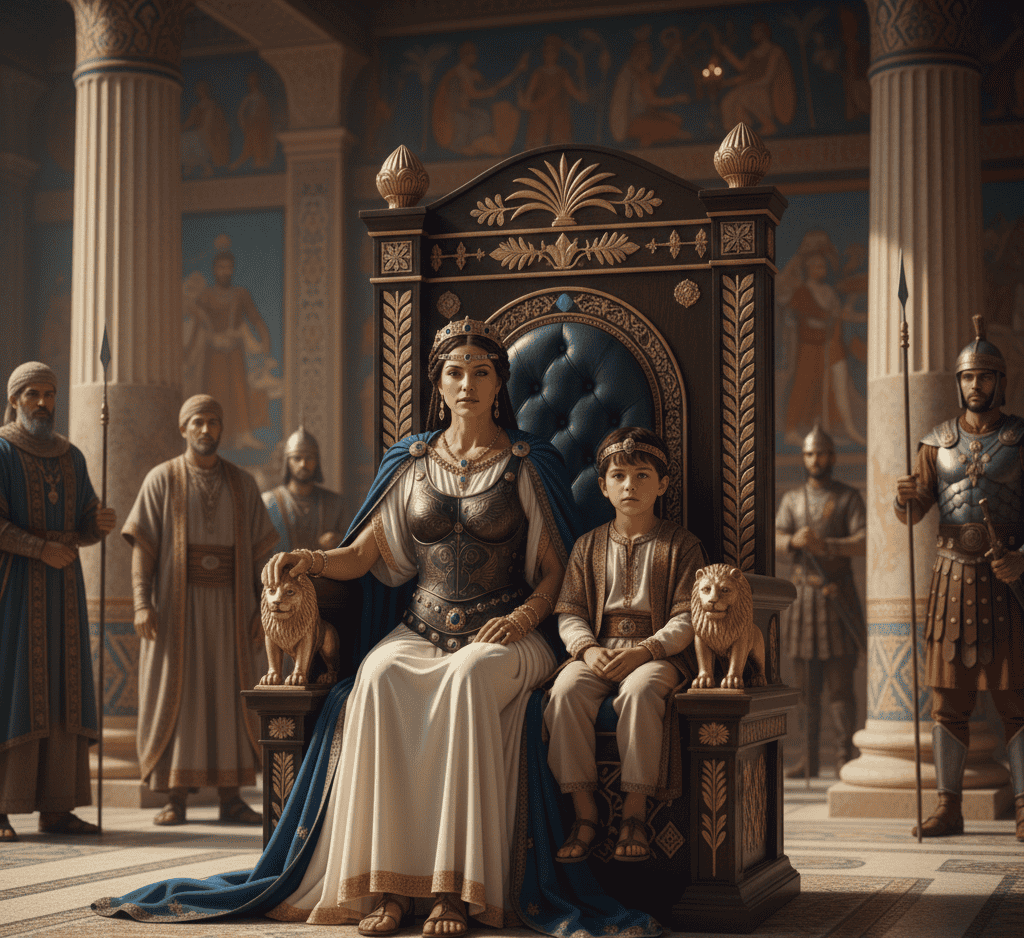
Zenobia became ruler after her husband, King Odaenathus of Palmyra, was assassinated around 267 CE.
Their son was still very young, so Zenobia ruled as his regent, managing the kingdom in his name.
At first, Palmyra remained loyal to Rome, but Zenobia quickly showed strong leadership and independence.
She took control of military decisions, administration, and foreign policy. Rather than simply protecting her son’s throne, she began shaping a larger vision for Palmyra.
Her ability to step into power during a crisis showed confidence, intelligence, and the determination needed to lead a growing empire.
2. Palmyra Was a Rich and Strategic City
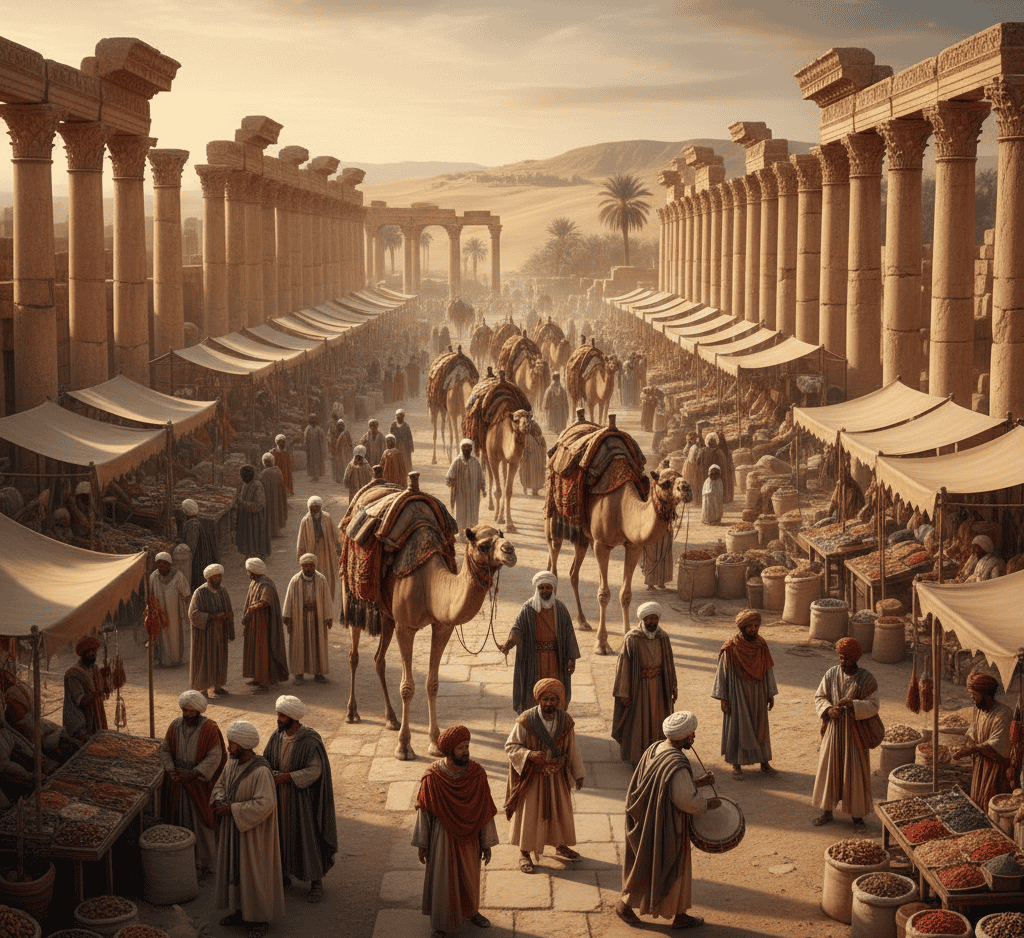
Palmyra was located in the Syrian desert along important trade routes connecting the Roman world with Persia, Arabia, and the East.
The city grew wealthy by controlling the movement of silk, spices, and other valuable goods.
This economic strength gave Zenobia the resources needed to build armies and expand her influence.
Palmyra’s location also made it easier to defend and control nearby regions.
Under her rule, the city became not only a trade center but also a political and military power. Its wealth and position helped support her challenge to Roman authority.
3. She Claimed Royal and Cultural Prestige
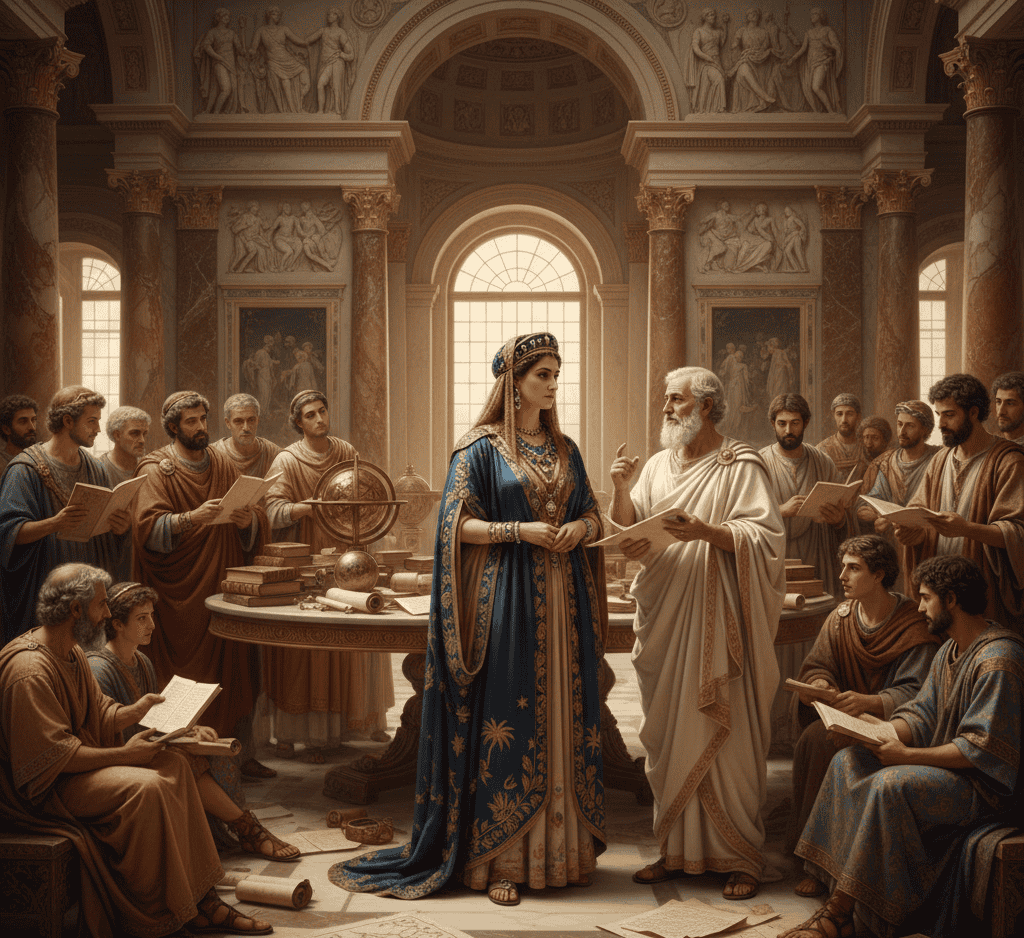
Zenobia presented herself as a ruler of great heritage and education.
Ancient sources describe her as intelligent, disciplined, and fluent in several languages, including Greek, Aramaic, and possibly Egyptian.
She claimed descent from famous rulers such as Cleopatra of Egypt, which strengthened her image as a legitimate and powerful queen.
Zenobia also promoted culture, learning, and philosophy at her court.
By combining military strength with intellectual and royal prestige, she created an image of leadership that earned respect both within her kingdom and beyond its borders.
4. She Expanded Her Empire Across the East

After securing power in Palmyra, Zenobia began expanding her territory. Her forces moved into Syria, parts of Asia Minor, and eventually Egypt, one of Rome’s most important provinces.
Controlling Egypt gave her access to grain supplies and increased her political influence.
These victories greatly increased the size and strength of her kingdom. At first, Rome was too busy with other problems to respond quickly.
Zenobia took advantage of this period of weakness, building an empire that stretched across large areas of the eastern Mediterranean region.
5. She Ruled Like an Independent Empress
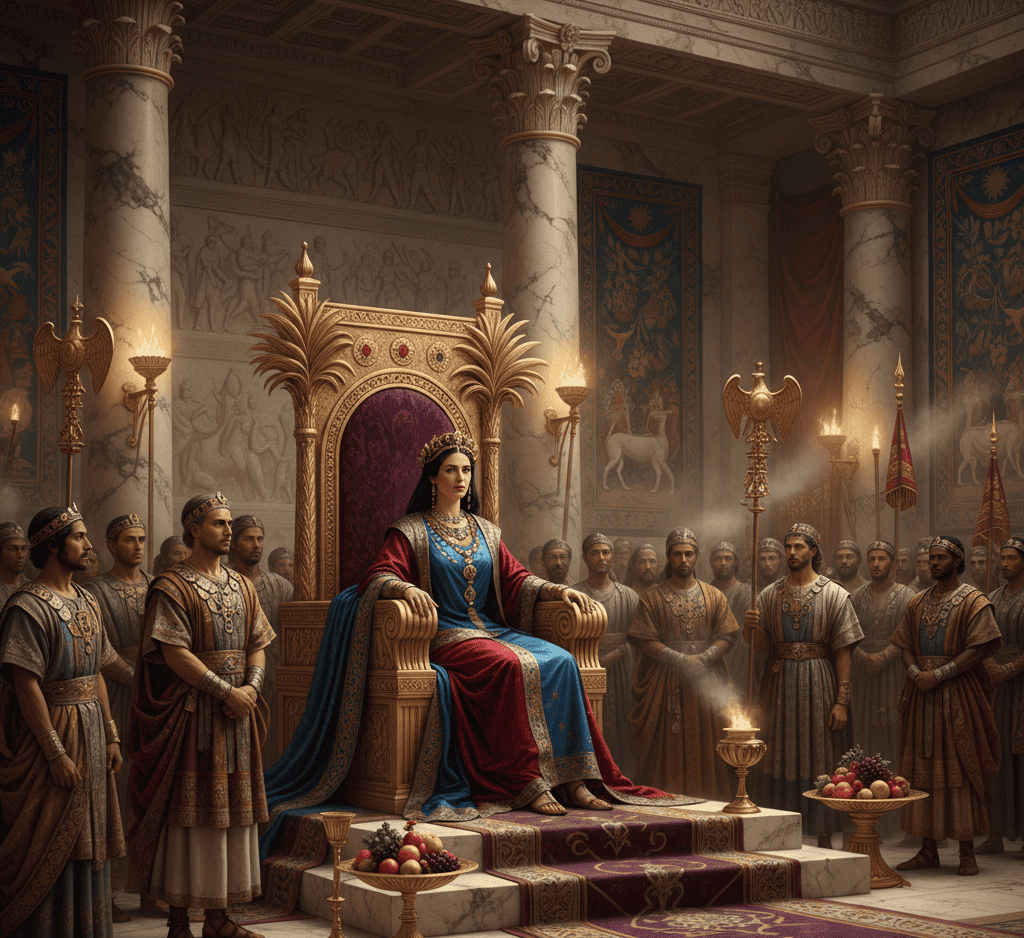
As her power grew, Zenobia began to act more openly as an independent ruler rather than a Roman ally.
Coins were issued showing her image and titles that suggested imperial authority. Her court adopted royal ceremonies and symbols that reflected full sovereignty.
Although she did not immediately declare complete independence, her actions clearly challenged Roman control.
This gradual shift allowed her to strengthen her position before Rome could react.
Her confidence and political strategy showed that she intended to build a lasting empire under her own leadership.
6. Rome Eventually Responded with Force
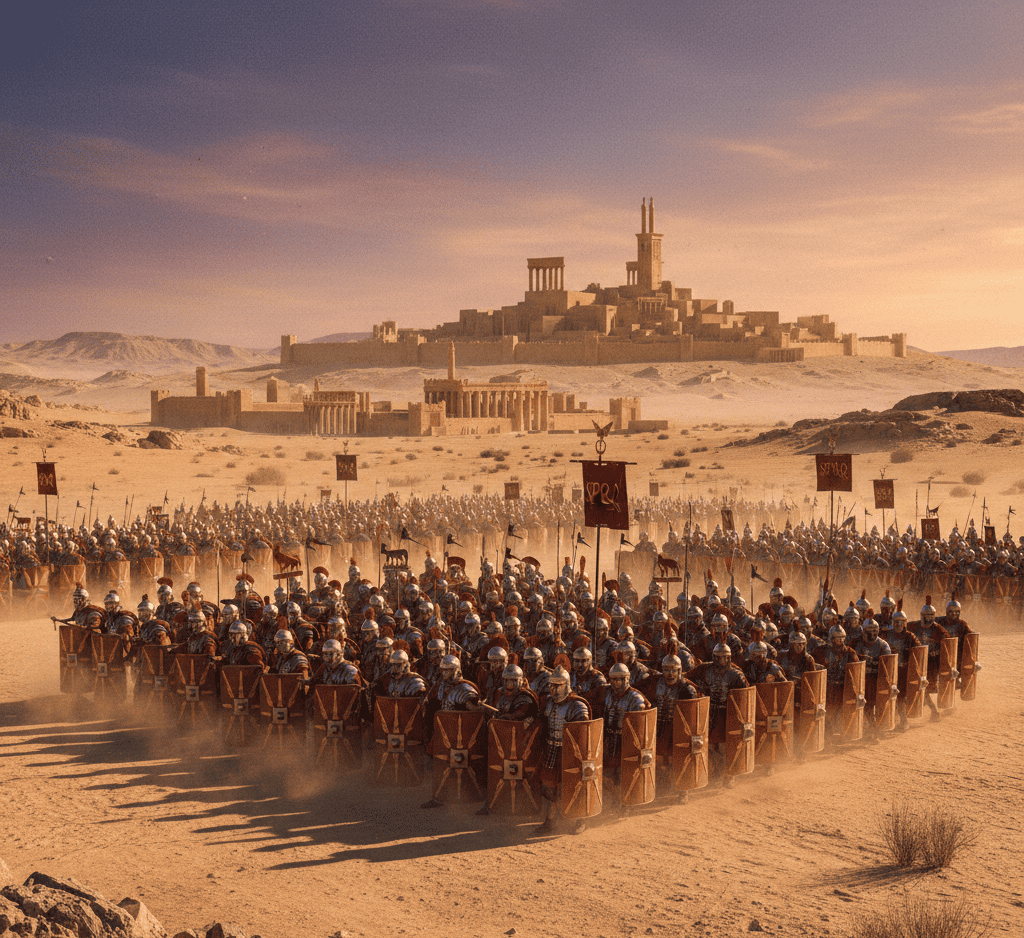
Zenobia’s growing power could not be ignored forever. The Roman emperor Aurelian decided to restore control over the eastern provinces.
In 272 CE, Roman forces marched against Palmyra’s territories. Despite strong resistance, Zenobia’s armies were defeated in several battles.
Aurelian’s disciplined and experienced troops slowly pushed back her forces and regained lost regions.
The conflict showed that while Zenobia had built a strong kingdom, the full military strength of Rome was still difficult to overcome once the empire focused its attention on the rebellion.
7. She Attempted to Escape but Was Captured
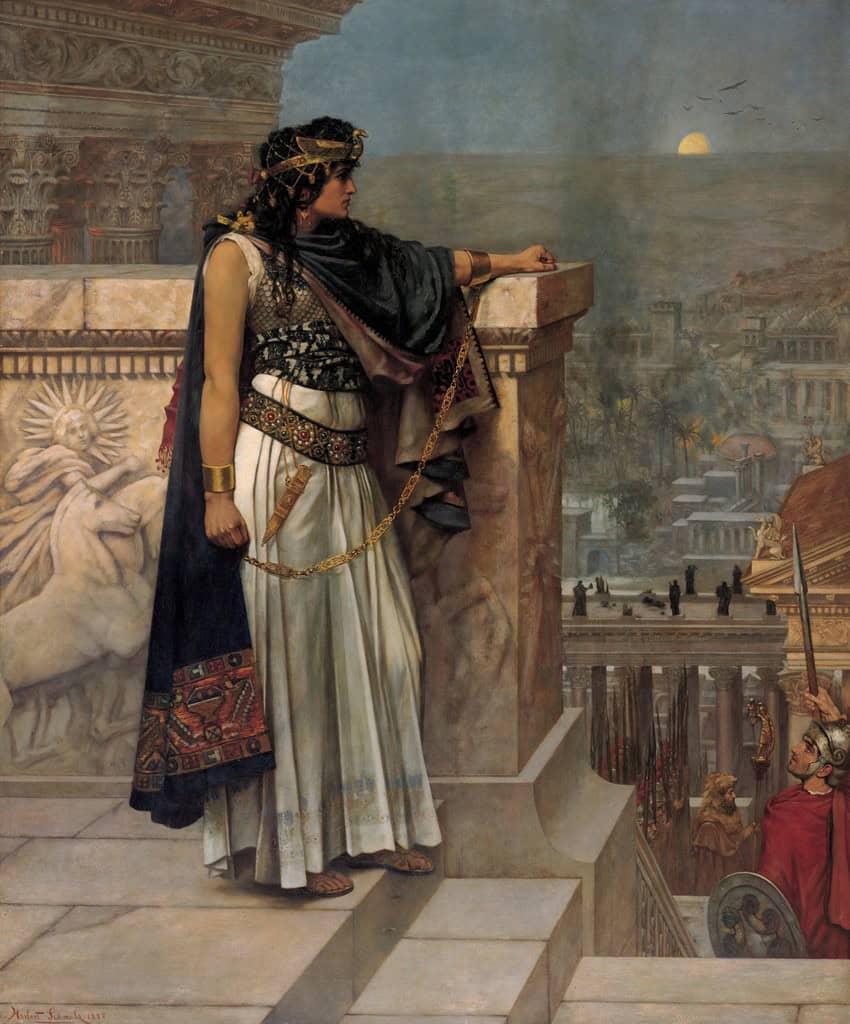
As Roman forces approached Palmyra, Zenobia tried to escape eastward, possibly seeking help from the Persian Empire.
However, Roman cavalry caught her near the Euphrates River before she could reach safety.
Her capture marked the end of organized resistance. Soon after, Palmyra surrendered to Roman control.
Although her rebellion had lasted only a few years, it had seriously challenged Roman authority in the region.
Her attempt to seek allies shows that she remained determined to continue the fight even in the final stages.
8. Her Fate Remains Partly Uncertain
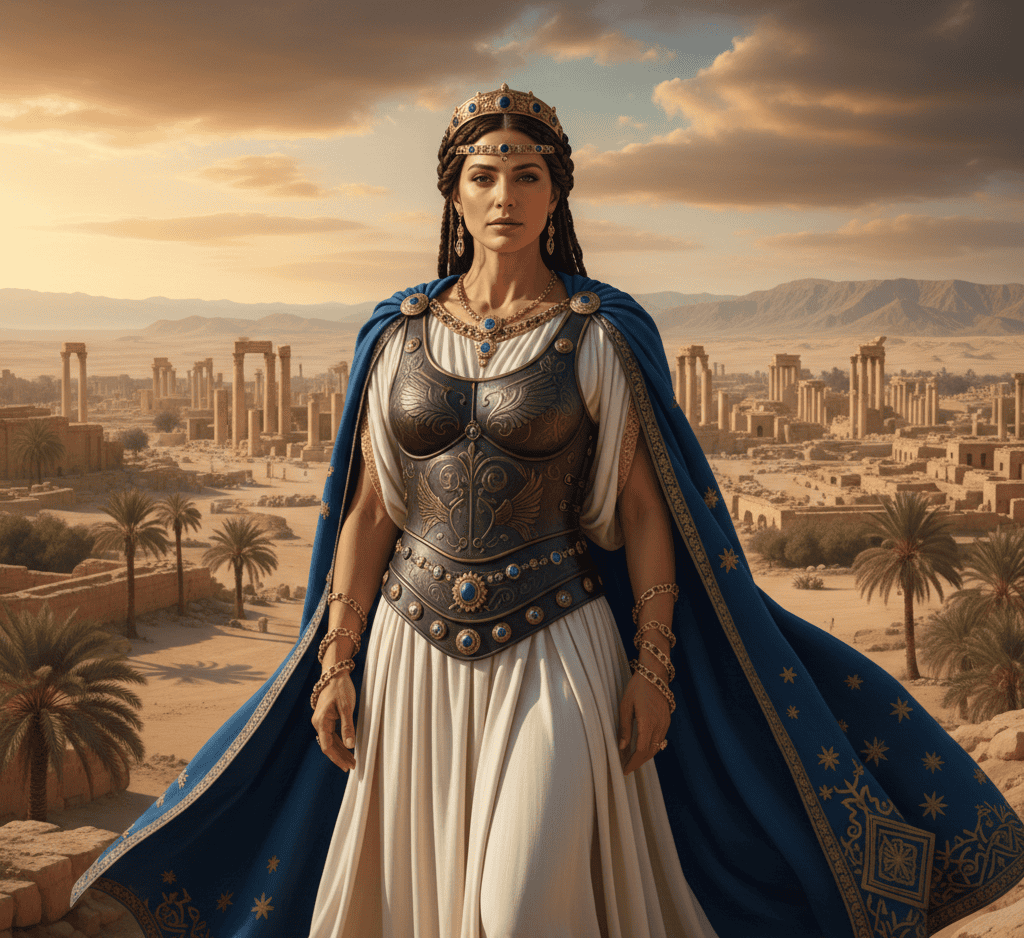
Ancient sources give different accounts of what happened to Zenobia after her capture.
Some say she was taken to Rome and displayed in Aurelian’s victory parade, symbolizing the empire’s restored power.
Other stories claim she was treated with respect and allowed to live comfortably afterward, possibly in a Roman villa.
While the exact details are debated, it is clear that her intelligence and reputation impressed even her enemies.
Unlike many defeated rulers, she may have been spared execution because of her status and character.
9. She Became a Symbol of Courage and Ambition

Over time, Zenobia’s story grew into a powerful symbol of resistance and leadership.
She was remembered as a woman who dared to challenge one of the greatest empires in history.
Writers, historians, and artists portrayed her as brave, intelligent, and proud. In later traditions, she became a cultural hero in the Middle East and beyond.
Her willingness to take bold risks and pursue independence made her an inspiring figure for generations who admired strength and determination.
10. Her Legacy Lives On in History and Culture
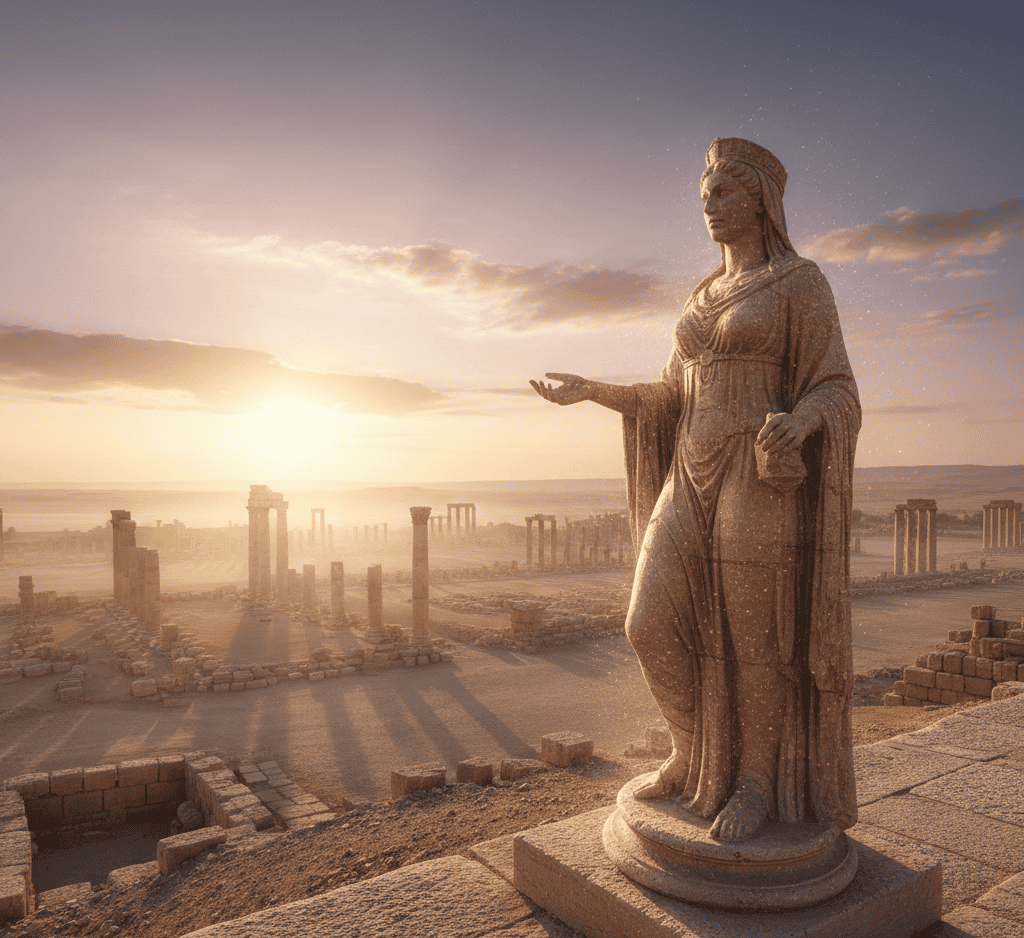
Today, Zenobia is remembered as one of the most remarkable female rulers of the ancient world.
The ruins of Palmyra still reflect the city’s importance during her reign.
Historians continue to study her life as an example of how leadership, timing, and ambition can reshape history, even if only for a short time.
Her story shows that powerful individuals could rise even within the shadow of Rome.
Zenobia’s challenge may have ended in defeat, but her courage, vision, and determination ensured that her name would remain part of history for centuries.

Sempre senti uma forte ligação com o Divino desde o meu nascimento. Como autora e mentora, a minha missão é ajudar os outros a encontrar o amor, a felicidade e a força interior nos momentos mais sombrios.