
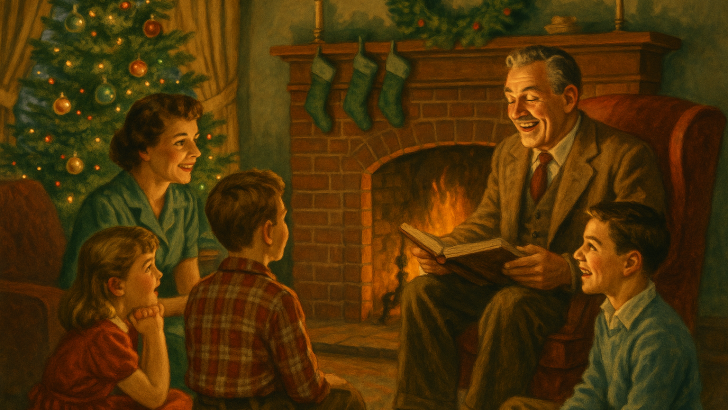
You know these holiday tales by heart, or at least you think you do. Look closer and they reveal shadows, ironies, and surprises that quietly rewrite what Christmas means.
From twisty sacrifices to bittersweet hauntings, these stories ask you to question the wrapping and examine the gift.
Keep reading, and you might find your favorite tradition is not what it first appears to be.
1. How the Grinch Stole Christmas! by Dr. Seuss
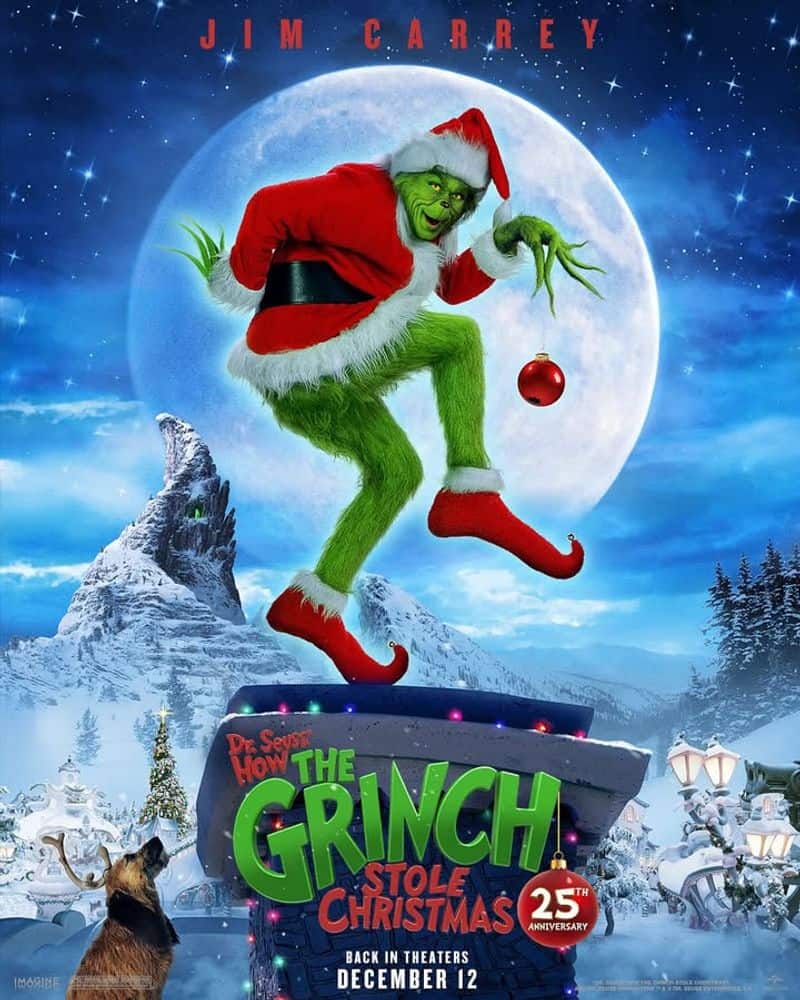
You think this is a monster tale, but it is really a scalpel for consumer habits. The Grinch strips the town bare, yet the Whos sing anyway, reminding you that community does not hinge on merchandise. The heart grows because the measure changes.
Listen closely and you hear a critique of scarcity fear. You also get a blueprint for repair, where returning the loot is less important than joining the song. The story says joy is a practice, not a purchase, and belonging is built.
2. The Gift of the Magi by O. Henry
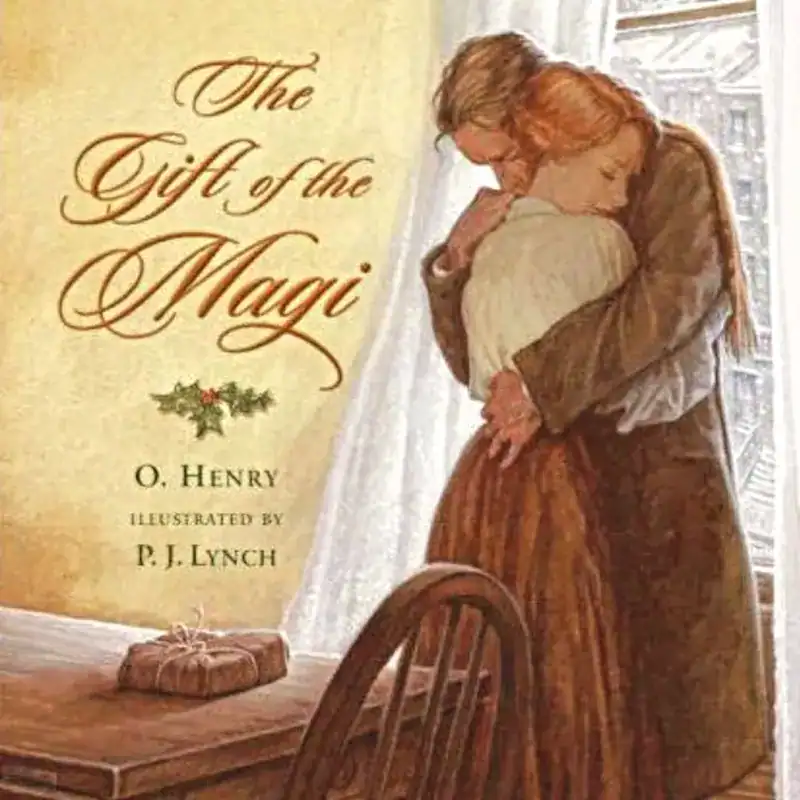
You expect a cozy exchange, but walk into a paradox. Two lovers sacrifice usefulness to reveal value, and the gifts cancel themselves like equations. Yet your heart recognizes the math is right because love is the common denominator.
The story invites you to celebrate wise folly. It whispers that worth is not found in possession, but in the cost willingly paid. When you grin at the twist, you are really saluting courage, and learning that the best presents are mirrors reflecting devotion.
3. The Little Match Girl by Hans Christian Andersen
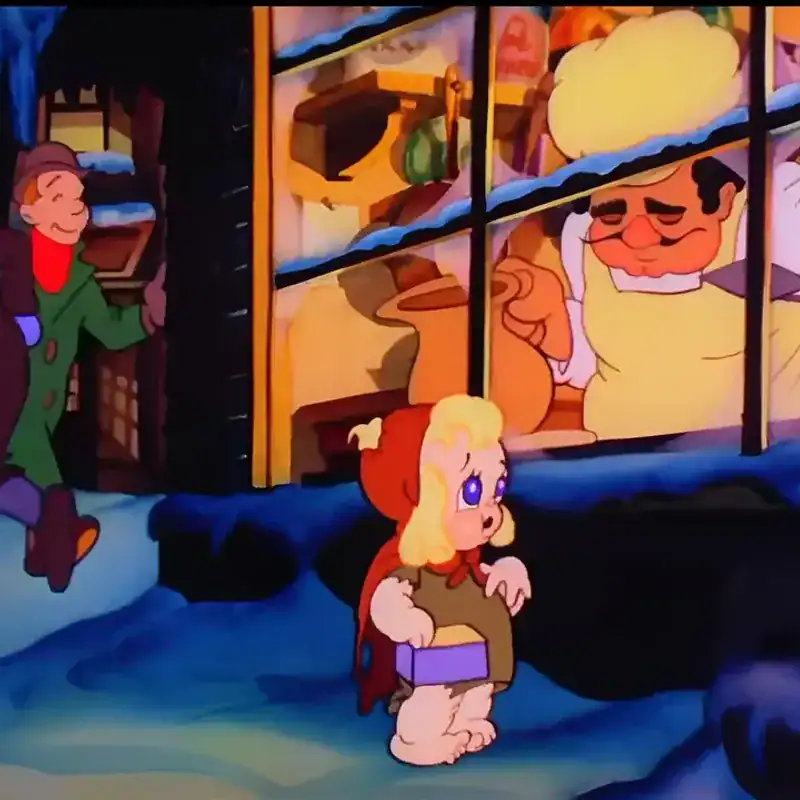
You anticipate sweetness, but the flame cracks open a social wound. Each spark reveals comfort you can almost touch, then darkness folds back in. Your breath fogs like hers, and the story asks what kind of world lets a child trade visions for heat.
It is not heartwarming. It is heart-awakening, a lantern aimed at complacency. The ending grants transcendence, but leaves a question in your hands like a burning stick: will you warm the living, or only console yourself with pretty light?
4. A Christmas Memory by Truman Capote
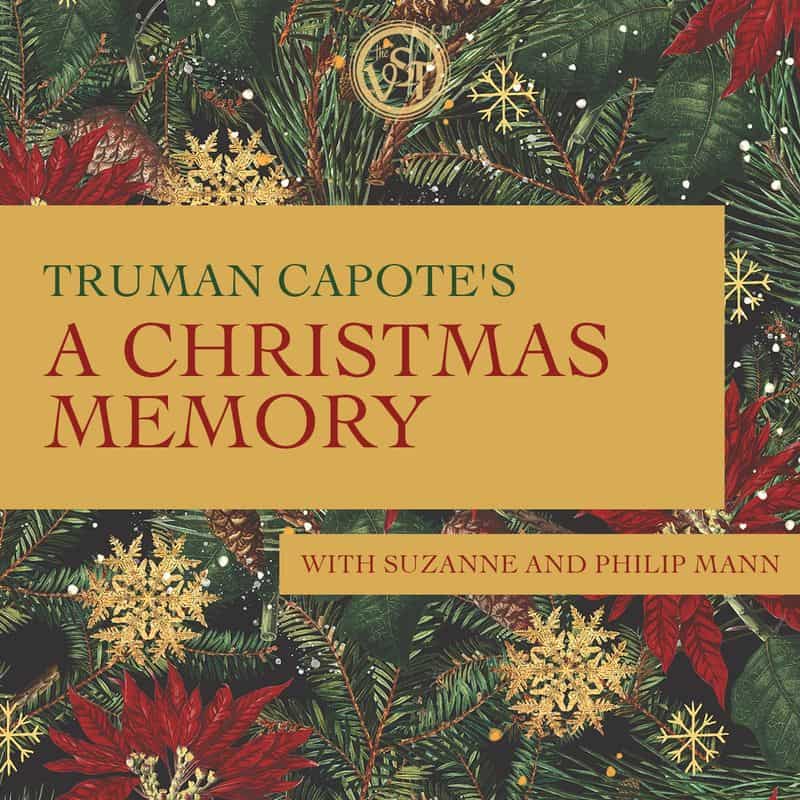
You enter expecting sugar, but find a bittersweet pantry of time. The fruitcakes are postage for love, mailed to strangers as if generosity could shrink distance. You start tasting how poverty can be rich when memory does the seasoning.
The story shows ritual as shelter. You feel the tether between misfits, and how holidays frame belonging for those otherwise uncounted. The tenderness lingers, reminding you that the feast is fellowship, and loss seasons it with quiet grace.
5. A Kidnapped Santa Claus by L. Frank Baum
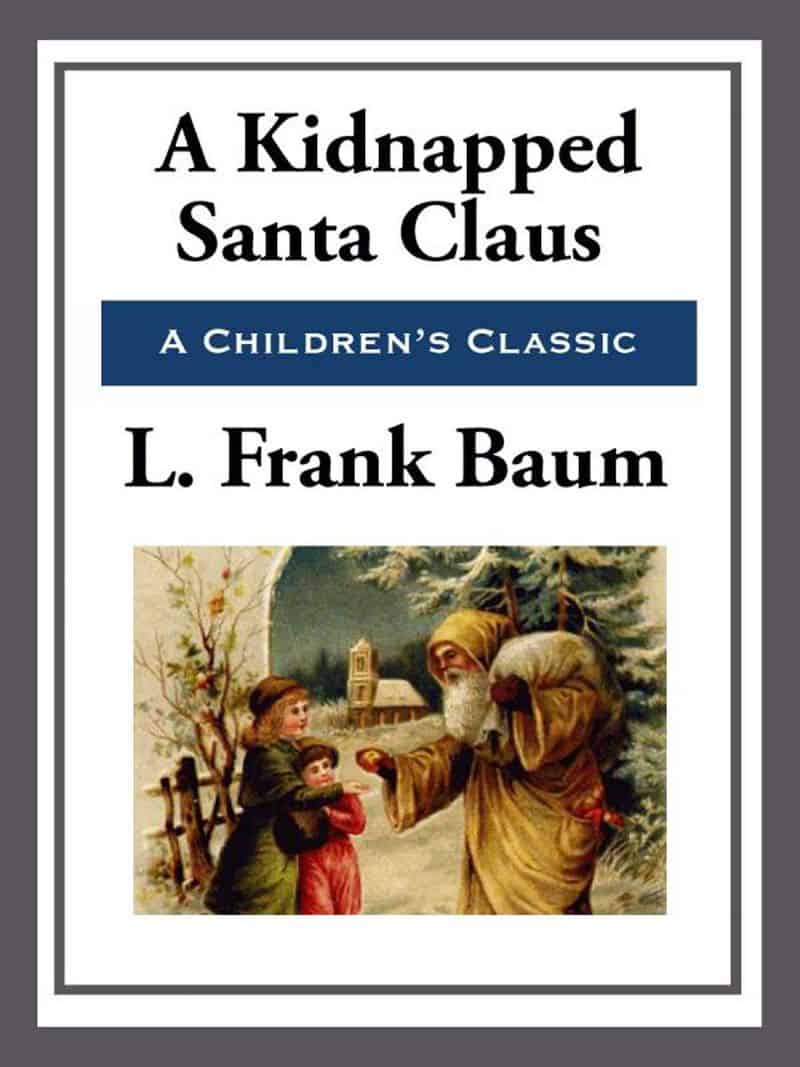
This is not mere whimsy. Santa becomes a contested idea, seized by forces that resent unearned joy. You watch the Daemons try to ransom hope, proving that generosity disrupts cynical economies.
The rescue matters, but the allegory bites deeper. Christmas spirit is not fragile nostalgia, it is insurgent abundance that threatens scarcity myths. When the helpers outwit evil, you see how kindness organizes itself like a guild, and how gifts are strategy, not fluff.
6. The Latke Who Couldn’t Stop Screaming by Lemony Snicket
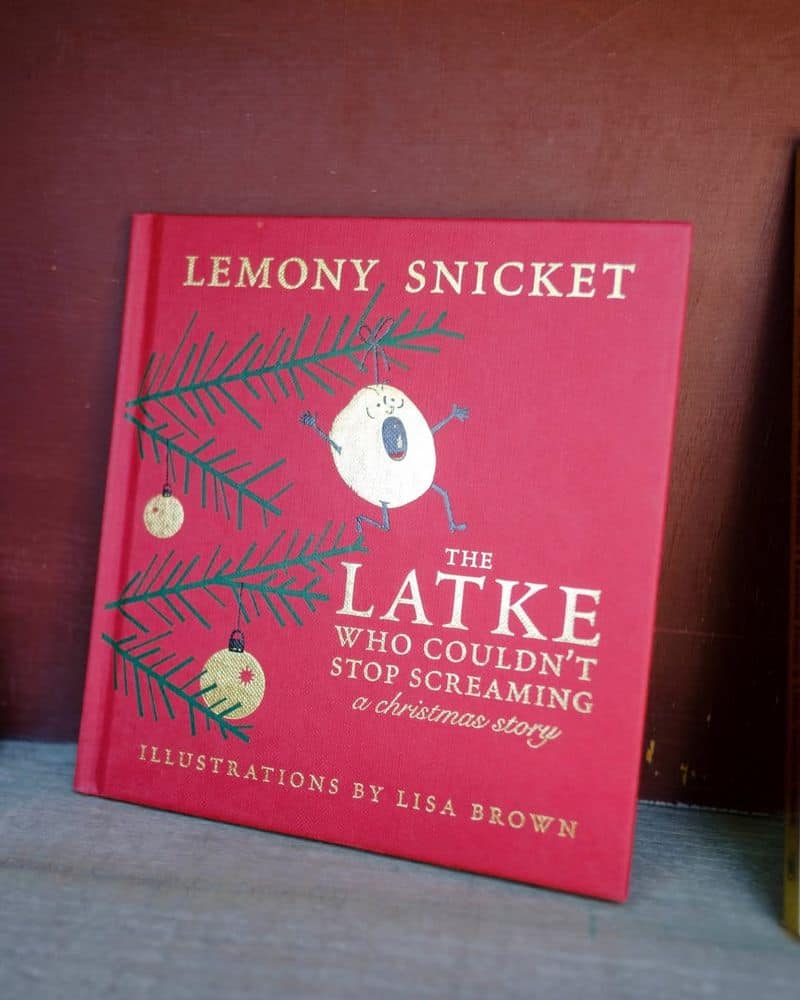
You expect holiday harmony, but the latke yells boundaries louder than sleigh bells. It is comic, yes, yet feels like a primer on cultural literacy. The joke works because the misunderstanding is real and familiar.
As you laugh, you also learn to name difference without apology. The latke is not anti-Christmas, it is pro-clarity, insisting Hanukkah has its own light. That insistence becomes a kindness, teaching how respect sounds when it refuses to be absorbed.
7. The Polar Express by Chris Van Allsburg
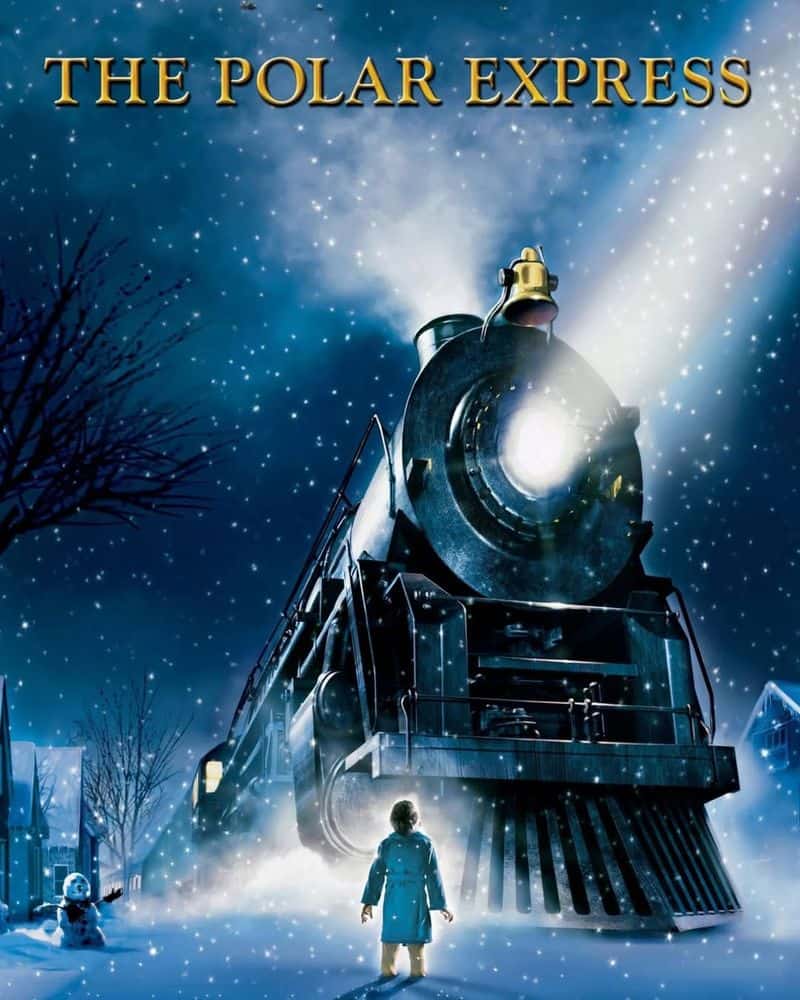
You board a nostalgia engine and think belief equals gullibility. Instead, the bell rings for those who choose attention over cynicism. The story reframes faith as disciplined wonder, not blind acceptance.
The North Pole looks grand, but the quiet moment matters more. When the bell’s sound grows faint with age, you feel how adulthood edits magic unless you practice hearing. The Christmas you loved is still there, waiting for you to listen on purpose.
8. Little Women by Louisa May Alcott
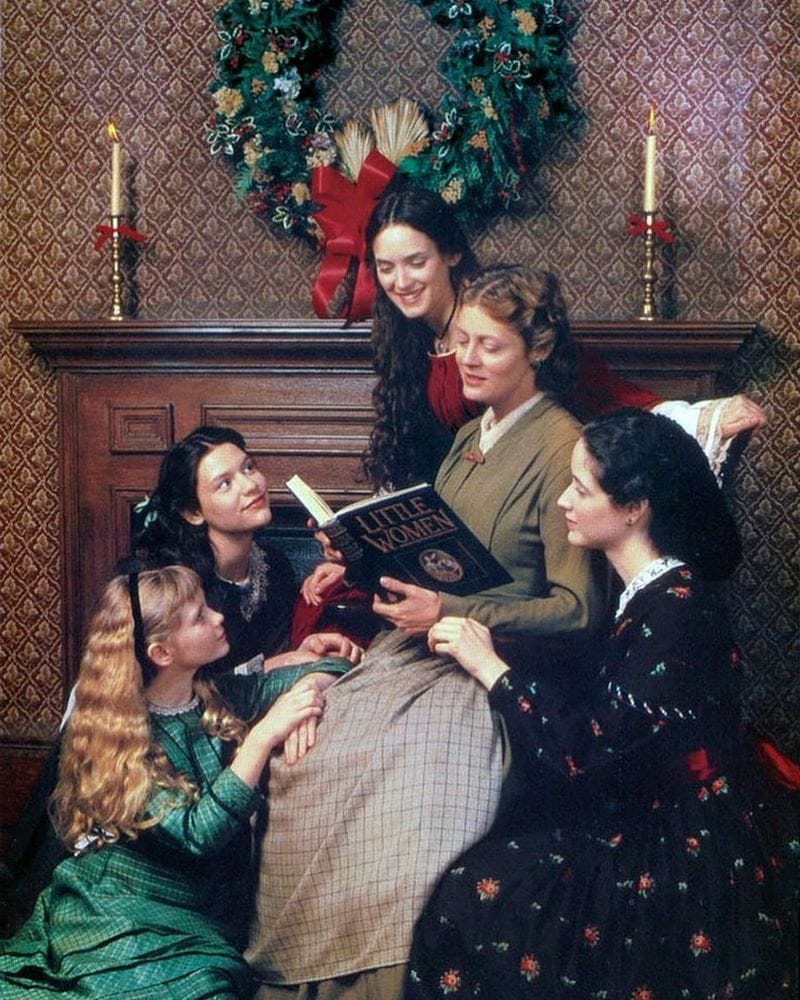
You anticipate cozy stockings and sisterly cheer. Then the novel turns those stockings into a syllabus: charity, ambition, grief, vocation. Christmas bookends frame growth that refuses sentimentality.
The Marches teach you the holiday is rehearsal for everyday ethics. Homemade gifts become statements of agency, and scarcity becomes a forge. When you revisit the Christmas chapters, you hear a manifesto: practice kindness, pursue purpose, and let joy be earned through work.
9. The Nutcracker and the Mouse King by E.T.A. Hoffmann
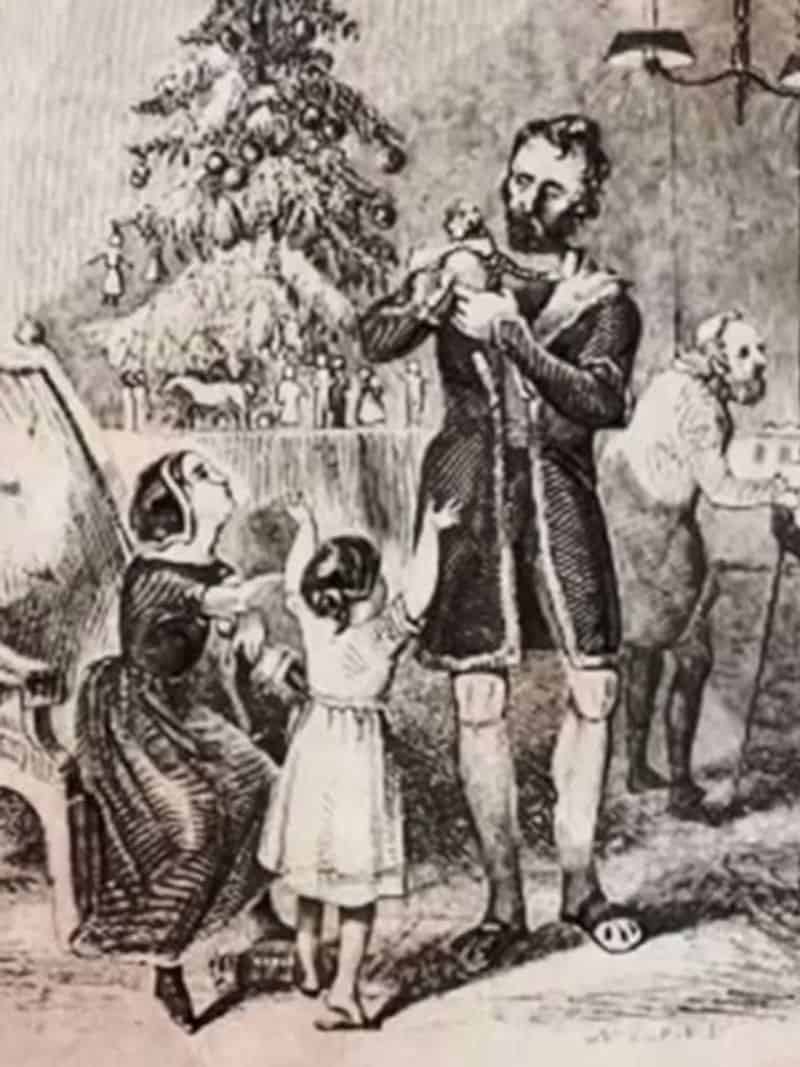
You remember sugarplums, but Hoffmann serves menace with the sweets. The tale is a dream logic initiation, where toys stage a revolt and childhood bargains with fear. Ballet softens it, yet the original whispers about desire, trauma, and metamorphosis.
Marie does not just travel. She negotiates power, beauty, and possession, learning that enchantment costs something. The holiday glow becomes a threshold where imagination chooses courage, and play turns into purpose.
10. A Ghost Story for Christmas (M. R. James adaptations)
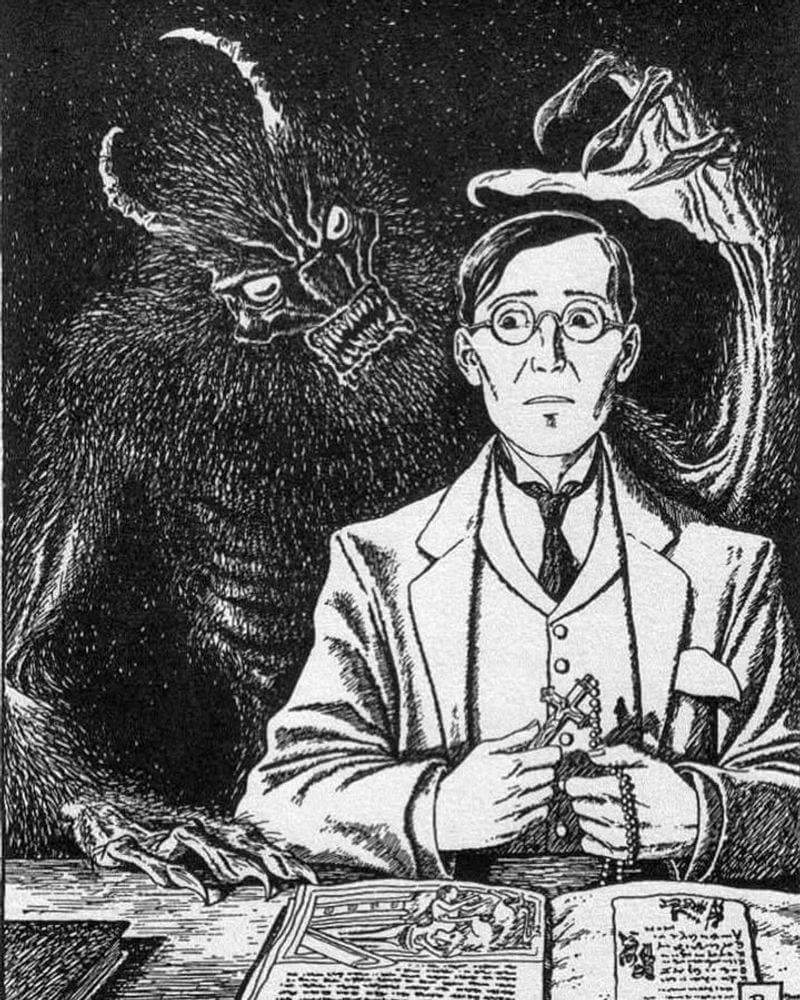
You tune in for fireside comfort and get a cold finger on your spine. These broadcasts resurrect the older tradition where winter invites hauntings, not just cheer. The chill is moral, reminding you that the past keeps accounts.
Watching them, you learn Christmas can host reckoning alongside revelry. The carols sound brighter when shadows speak, because mercy means something only if justice does too. Fear, it turns out, can sharpen gratitude.

Lover of good music, reading, astrology and making memories with friends and spreading positive vibes! 🎶✨I aim to inspire others to find meaning and purpose through a deeper understanding of the universe’s energies.