
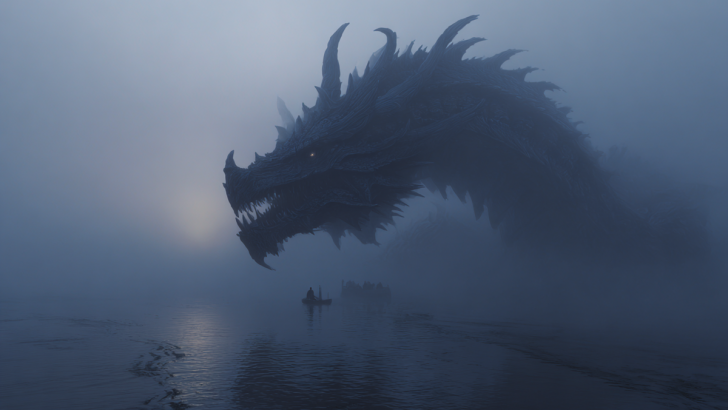
Medieval Europe bristled with nightmarish beings that stalked forests, moors, and dreams. These creatures were more than campfire stories; they embodied plague, war, famine, and moral dread.
As you meet each one, notice how fear takes shape in claws, fangs, and eerie omens. Ready to walk the boundary where folklore met survival.
1. European Dragon

Picture a vast, scaled body coiling around a crag, wings beating like thunder. Its breath scorches stone, and its gaze promises ruin for any knight craving glory. Villagers whisper about treasure piled beneath, glittering like trapped lightning.
These dragons were sin made flesh, a trial of courage and faith. You can feel the heat, the arrogance, the gold calling greedy hands. Tales warned that defeating such a beast demanded purity as much as steel.
2. Basilisk

The basilisk was the king of serpents, born from a rooster’s egg and hatred. Its eyes were said to kill, its breath to rot orchards and wells. Travelers covered mirrors, praying a lethal glance would bounce back upon the beast.
Every step near a basilisk felt like a wager with death. You imagine torchlight shaking, a heartbeat hammering in your ears. Medieval minds wrapped disease and sudden loss in this coiling nightmare, giving dread a crown.
3. Manticore
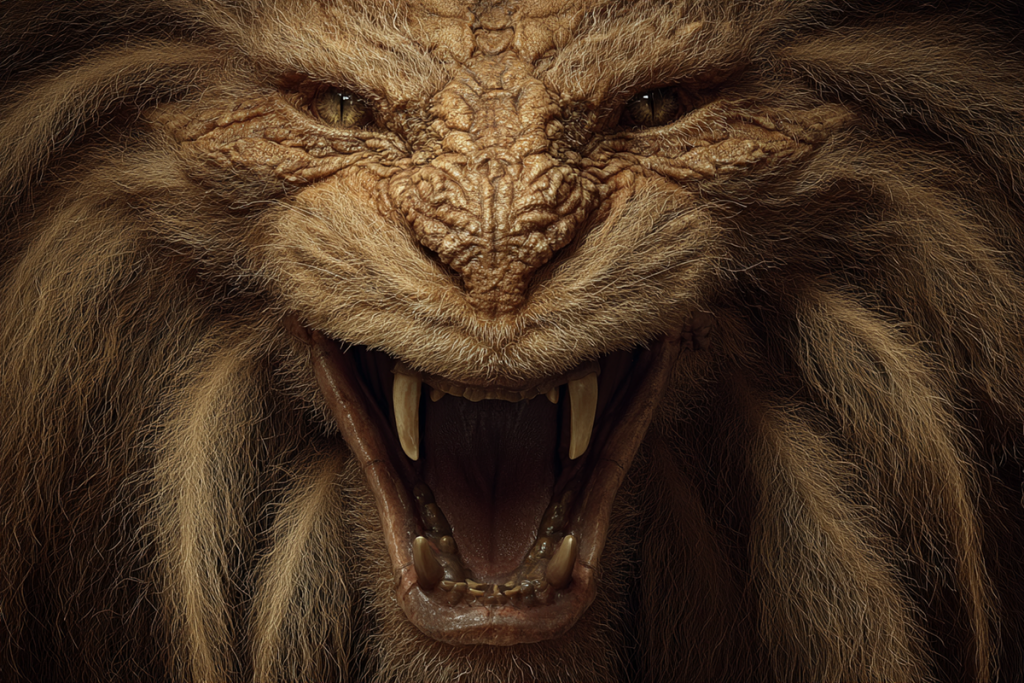
It wore a man’s face stretched over hunger, framed by a lion’s mane. Three rows of teeth flashed as the scorpion tail rattled like armor. Travelers vanished, and the sand kept their secrets.
In bestiaries, the manticore prowled the edges of Christendom, a warning against pride and curiosity. You feel its stare strip away your bravado, measuring your softness. For medieval readers, it made far horizons bite back, turning wonder into peril.
4. Nuckelavee
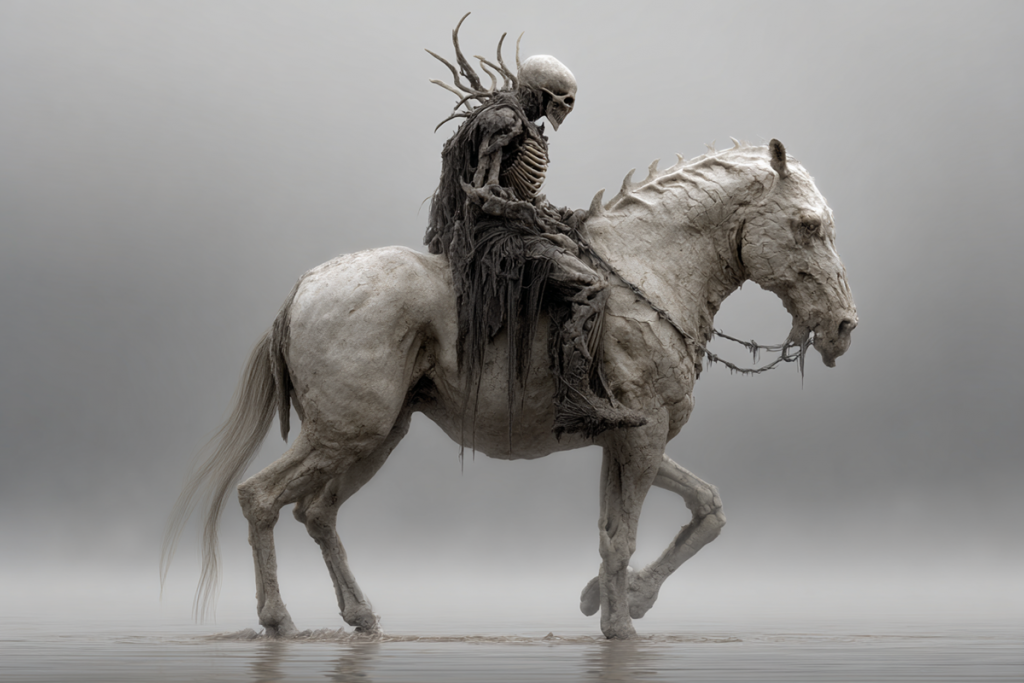
From the Orkney winds came the Nuckelavee, a skinless horror slick with brine. Horse and rider fused, it lumbered from surf to shore, breath souring streams and blistering leaves. Farmers shuttered cottages, muttering charms against blight.
You can almost taste salt and rot as it passes, crops withering like frightened thoughts. It punished arrogance toward sea and land alike. Medieval islanders carved fear into this shape to explain famine’s bite and fever’s grip.
5. Black Annis
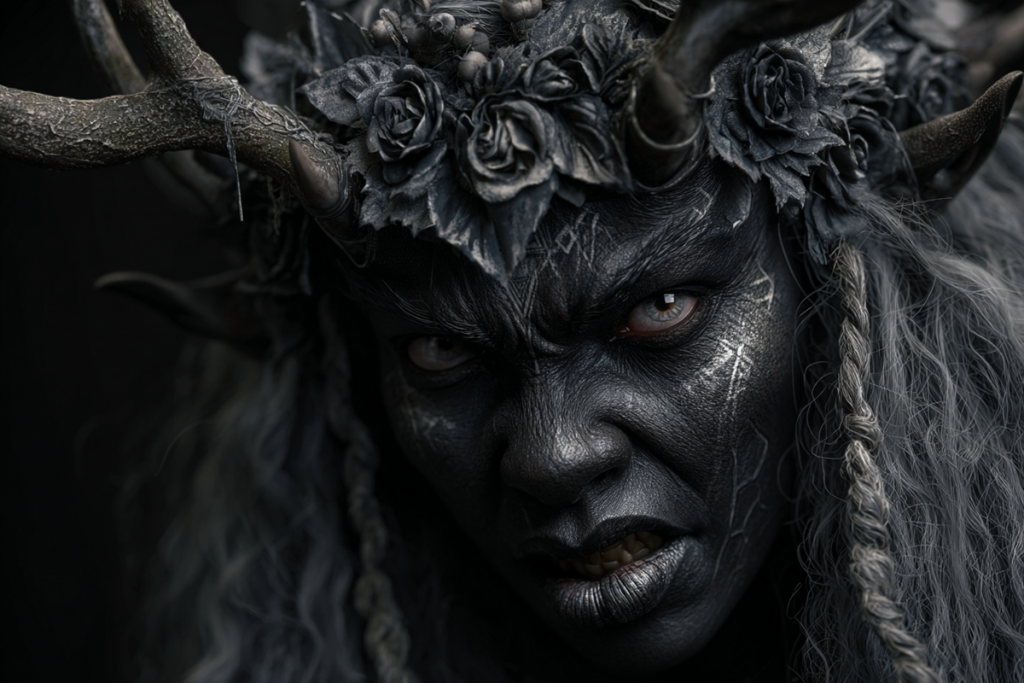
Black Annis crouched in an oak, blue skin taut and claws like hooked nails. She hunted twilight, snatching children and sheep, vanishing into limestone caves. Shutters banged early as stories traveled faster than footsteps.
You feel the woods lean in, every twig a threat. Parents shaped bedtime into armor, warning curious feet away from the hedge. In her shadow, danger felt personal and close, a witch for hunger, winter, and loss.
6. Barghest

The Barghest padded across the moors, paws soundless on heather. Eyes burned like banked coals, a sign that death had already chosen a door. Doors latched, and candles guttered at the mere rumor.
Encountering it meant your name belonged to the night. You can feel the chill of fog and fate together. Medieval and later tales turned grief into a dog, so warning could walk beside those who would not listen.
7. Cŵn Annwn

The Cŵn Annwn coursed the heavens, white bodies and bloody ears bright against night. They bayed softly, a sound that made your bones feel hollow. In Wales, people whispered that the hunt chased souls, not stags.
Lock doors, they said, though doors mean little to wind or fate. You can almost see sparks in their paws as they pass overhead. These hounds turned the sky itself into a grave road.
8. Dullahan
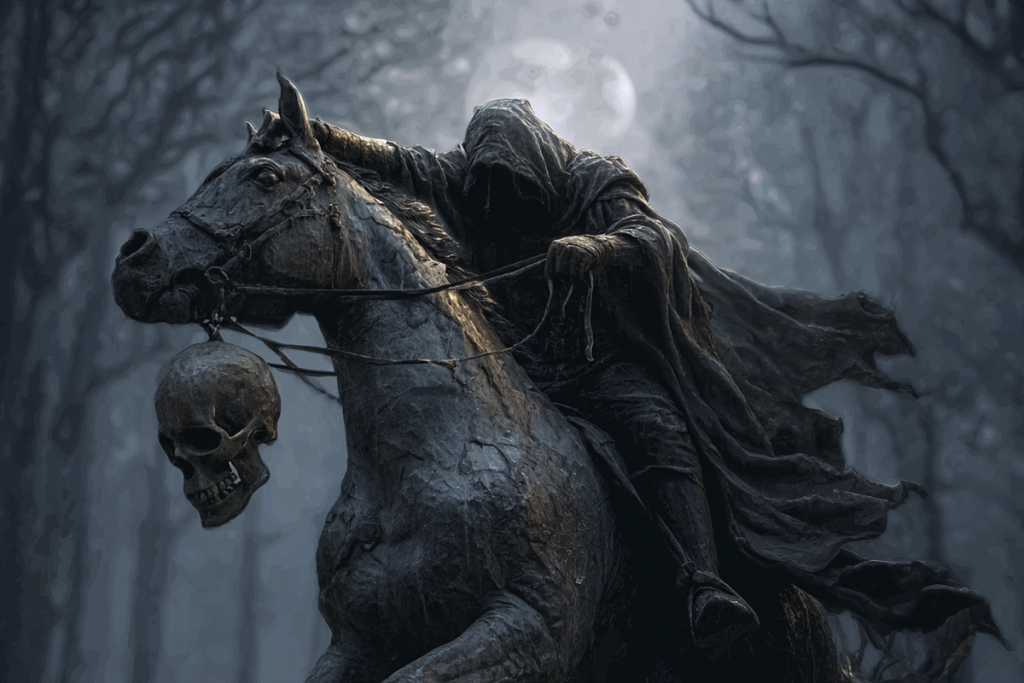
The Dullahan rode where locks failed and gates flew open. He carried his head like a lantern, eyes tracking every trembling doorstep. A whip of spine cracked, and the night learned obedience.
If he called your name, the story ended. You can feel hooves hammer time into dust, breath icing in your throat. Medieval Ireland wrapped destiny in saddle leather, giving death a schedule and a face you could not forget.
9. Nidhogg
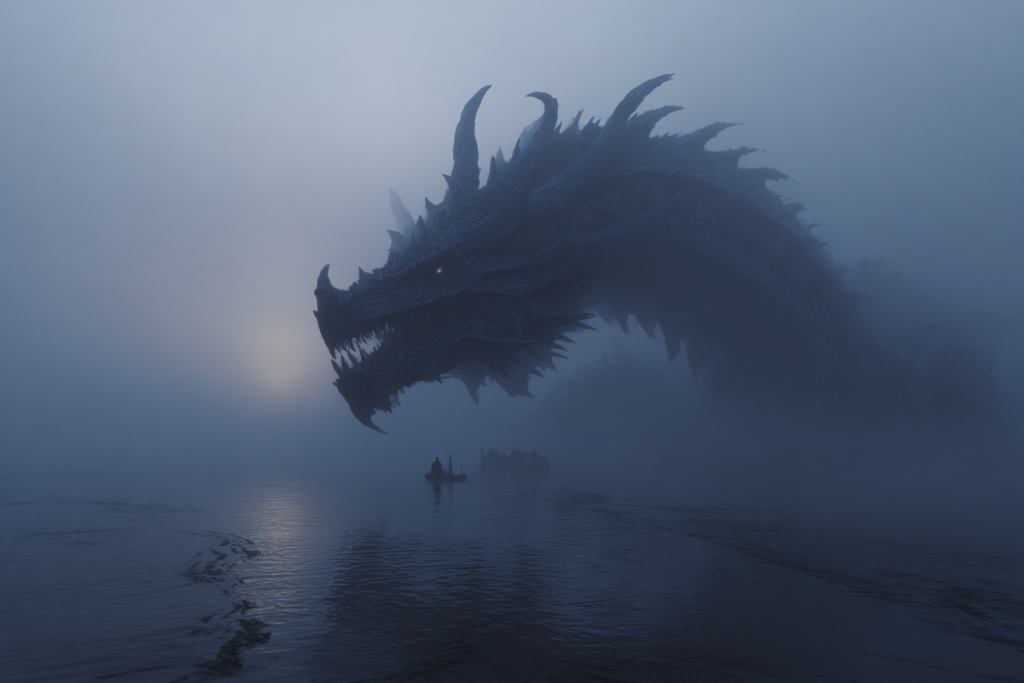
Nidhogg chewed the roots of the world tree, patient as winter. Poison dripped like slow fate, and messages crawled along Yggdrasil’s bark as gossip between creatures. Up above, men fought, while below, gnawing never stopped.
You sense how decay works quietly, undoing strength from underneath. Medieval Northmen gave entropy a jawline and a name. In that image, collapse was not surprise but rhythm, a dragon counting down creation’s breath.
10. Grendel
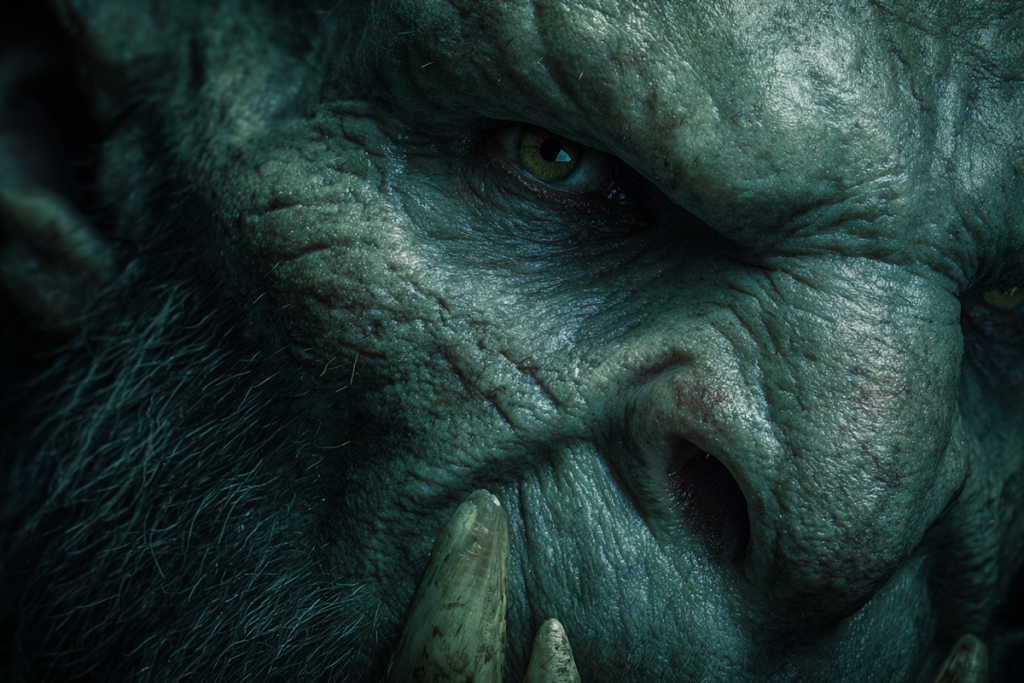
Grendel came hungry to the mead hall, dragging screams into the smoke. Benches toppled, shields rang, and the floor learned blood. He hated music, hated warmth, hated the human promise of tomorrow.
You picture the hush after, cups rolling empty. In Beowulf, this monster made heroism necessary, not optional. Medieval audiences felt the fragile wall between feasting and fear, a door that could splinter anytime.
