
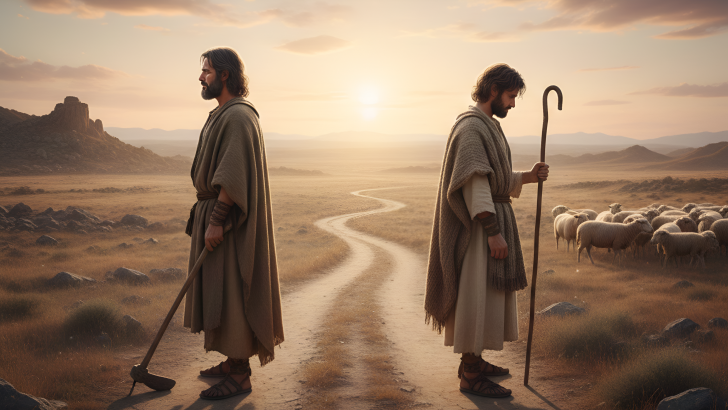
The story of Cain and Abel is one of the most well-known tales in the Bible, often cited as the first murder in human history.
Cain, the firstborn son of Adam and Eve, becomes jealous of his brother Abel and kills him out of anger.
Traditionally, this story has been interpreted as a lesson about sin, jealousy, and the consequences of wrongdoing.
However, when reexamined, the tale offers deeper insights into human nature, morality, and the complexity of relationships.
Looking beyond the surface, the story reveals issues of justice, divine intervention, family dynamics, and spiritual lessons that are relevant even today.
Reexamining Cain and Abel allows us to see more than just a tale of sibling rivalry. It invites reflection on morality, consequences, and the human condition. Below are five perspectives to consider.
1. The Role of Jealousy and Human Emotion
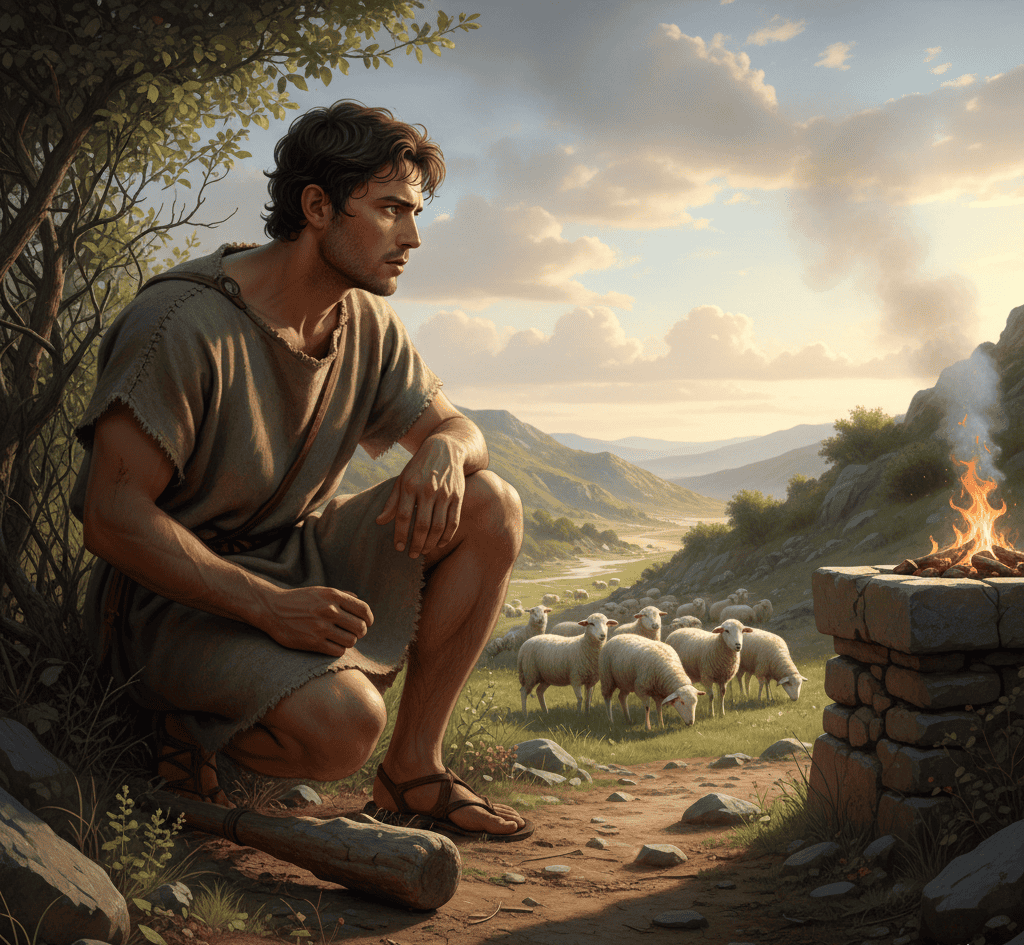
At the heart of the story is Cain’s jealousy toward Abel. Abel’s offerings were favored by God, while Cain’s were not, leading to feelings of anger, resentment, and inadequacy.
Jealousy is a powerful human emotion that can drive people to destructive actions, as demonstrated by Cain.
Reexamining the story highlights how unchecked emotions can escalate. Cain did not seek guidance or try to understand why his offering was not favored; instead, he allowed bitterness to grow.
This shows that emotional awareness and self-control are crucial to preventing harm.
The story also suggests that jealousy is not a rare problem but a fundamental part of human nature.
By exploring Cain’s mindset, readers can reflect on how envy can influence decisions, relationships, and even moral judgment in real life.
2. Divine Interaction and Warning

Before Cain killed Abel, God spoke to him, warning that sin was “crouching at the door” and that he must master it.
This moment is significant because it shows that God provided Cain with a chance to choose differently. Divine guidance was present, yet Cain ignored it.
This interaction teaches that humans are responsible for their actions, even when given clear warnings or advice.
It also challenges readers to consider the nature of free will: Cain was not forced to act violently, but he chose to do so.
Reexamining this part emphasizes that moral choices have consequences. Guidance or knowledge alone does not prevent wrongdoing.
Individuals must actively engage with it and make conscious decisions to act rightly.
3. The Consequences of Actions

After Cain killed Abel, God punished him by making him a wanderer and placing a mark on him for protection. This punishment was severe but also symbolic.
It acknowledged the seriousness of the crime while also demonstrating mercy, as God ensured Cain would not be killed by others.
The story emphasizes that actions have long-term consequences. Cain’s choice affected not only Abel but also his own life.
Reexamining this aspect of the tale highlights the interconnectedness of human behavior: one act of violence can ripple through generations and society.
It also introduces the idea of accountability. Cain could not hide from his responsibility, and the story serves as a reminder that wrongdoing often comes with both immediate and lasting effects.
4. Family Dynamics and Human Relationships

Cain and Abel’s story can also be seen as a reflection on family relationships. Sibling rivalry, competition, and differing approaches to life can create tension and conflict.
The tale shows that unresolved issues within families can lead to tragic outcomes if not addressed thoughtfully.
Reexamining the story in this light encourages reflection on communication, empathy, and understanding within families.
Cain and Abel’s relationship broke down entirely, yet the narrative invites readers to consider how disputes might be resolved differently.
The story also shows that favoritism, whether divine or human, can create friction. How leaders, parents, or communities respond to differences can influence whether jealousy or conflict escalates into harm.
5. Lessons About Morality and Human Nature

Finally, the story of Cain and Abel reveals deeper lessons about morality and human nature.
It is not just about murder or divine punishment; it is about choices, responsibility, and the complexity of human behavior.
Reexamining the story encourages reflection on the reasons behind sin and the steps humans can take to overcome destructive impulses.
Cain represents the part of humanity that struggles with envy, anger, and pride, while Abel symbolizes innocence, righteousness, and integrity.
The interaction between the two shows how human choices shape both personal destiny and the broader moral landscape.
The story also raises questions about justice, forgiveness, and redemption. Even after Cain’s crime, God interacts with him and ensures he continues to live.
This suggests that while wrongdoing has consequences, there is also the possibility of growth, awareness, and change.

自出生以来,我一直感觉到自己与神灵有着紧密的联系。作为一名作家和导师,我的使命是帮助他人在最黑暗的时刻找到爱、幸福和内心的力量。