
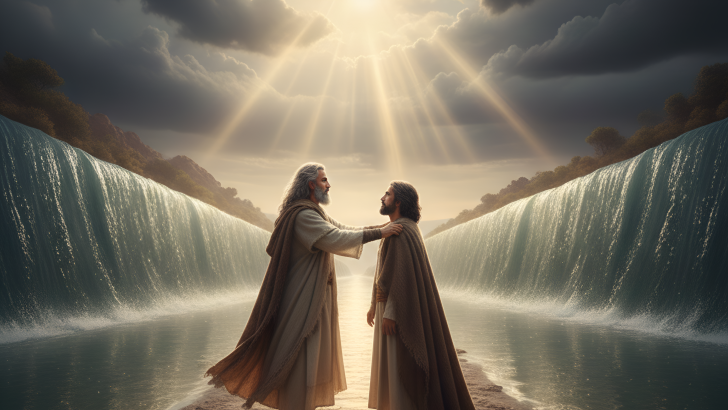
The story of Elijah and the chariots of fire is one of the most dramatic and mysterious tales in the Bible.
Elijah was a prophet of God who performed miracles, challenged false prophets, and called the people of Israel to faithfulness.
His story ends in a spectacular way, with Elijah being taken up to heaven in a whirlwind while a chariot of fire and horses of fire appear.
This event has fascinated readers, historians, and religious thinkers for centuries.
Elijah’s life and his departure from the earth raise many questions about faith, divine power, and the mysterious ways God interacts with humanity.
Beyond its miraculous elements, the story contains lessons about courage, perseverance, obedience, and the nature of divine intervention.
Here are eight important facts from the biblical story of Elijah and the chariots of fire.
1. Elijah Was a Prophet of Courage
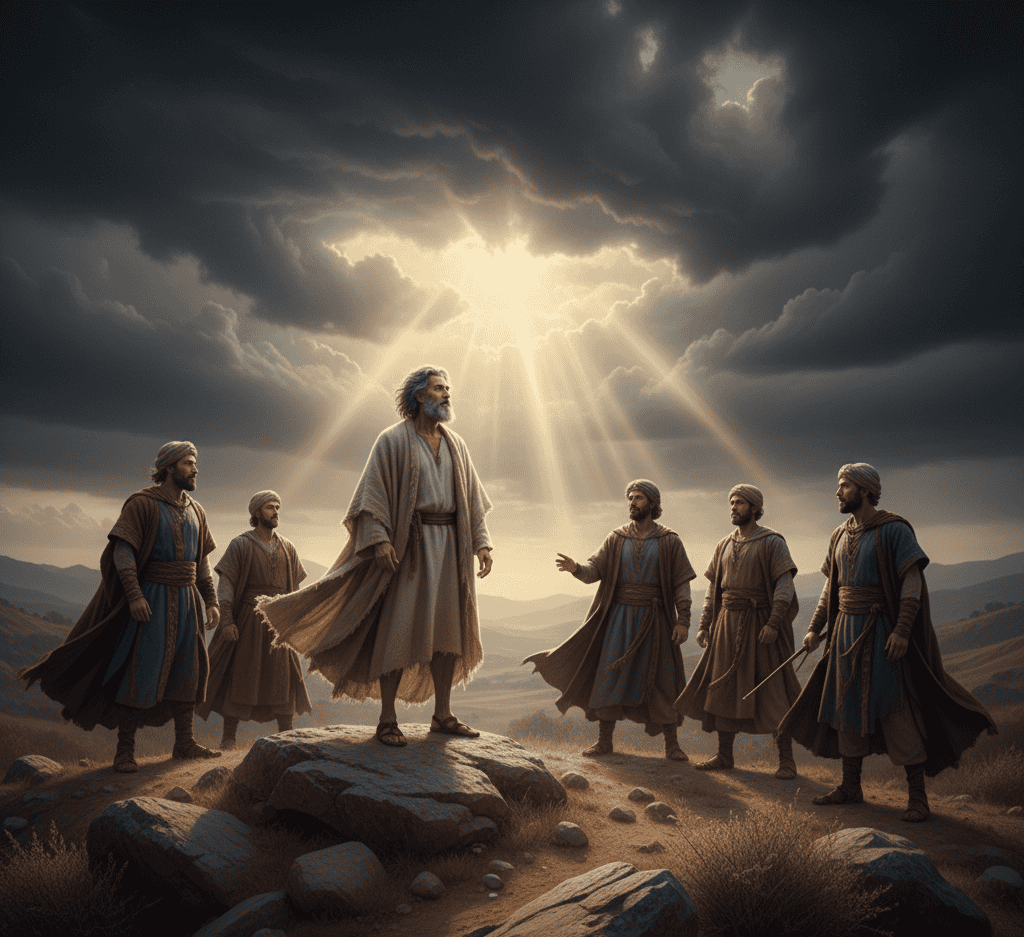
Elijah is described as a prophet who spoke God’s truth boldly, even when it was dangerous.
He challenged the king of Israel, Ahab, and Queen Jezebel, who supported worship of false gods.
This courage is important because it shows that standing for what is right can be difficult and risky.
Elijah often acted alone, facing opposition and threats. His life reminds readers that faithfulness sometimes requires bravery, persistence, and moral strength.
The story of Elijah encourages people to stay true to their beliefs, even when others oppose them.
2. He Performed Miracles That Showed God’s Power
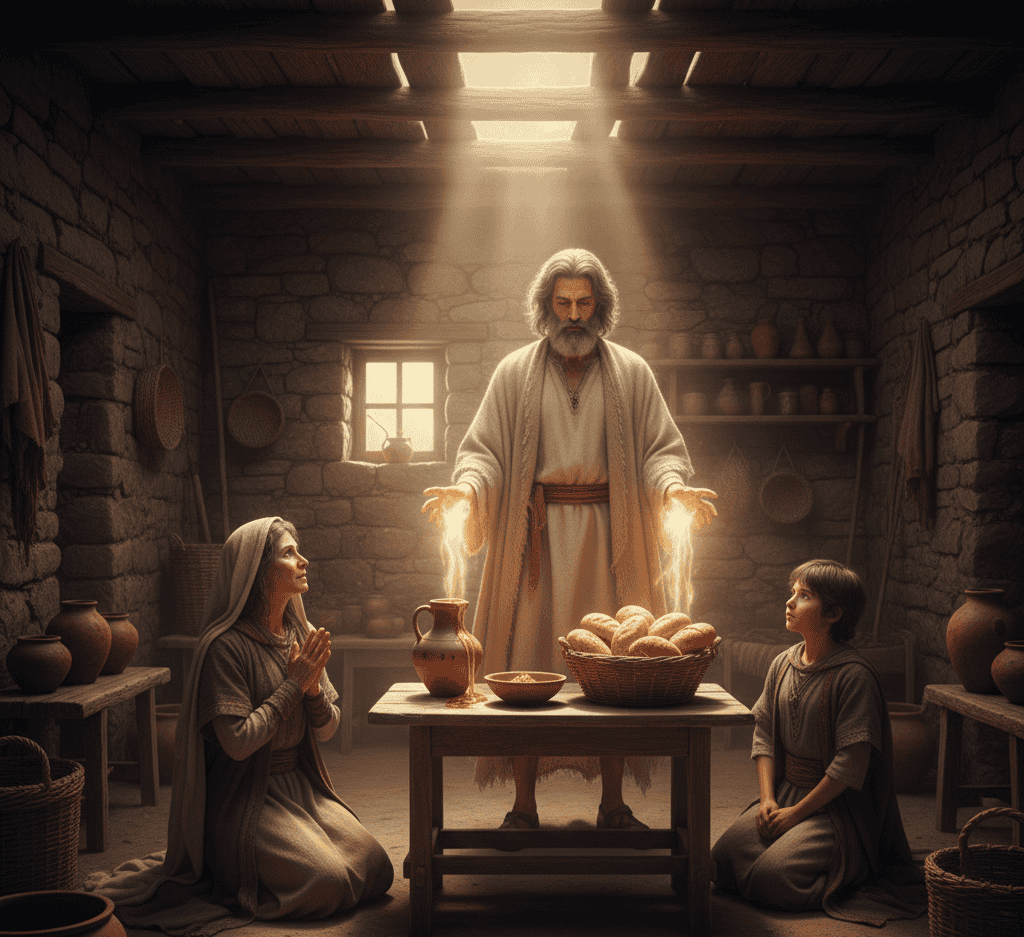
Throughout his life, Elijah performed miracles that demonstrated God’s power and presence.
He multiplied food during a famine, brought a widow’s son back to life, and called down fire from heaven to show that the Lord was real.
These miracles are not just amazing stories; they also teach about divine authority and intervention.
They show that God can work in ways that humans cannot explain. The miracles of Elijah were meant to strengthen faith, inspire obedience, and warn against idolatry and wrongdoing.
3. The Contest on Mount Carmel
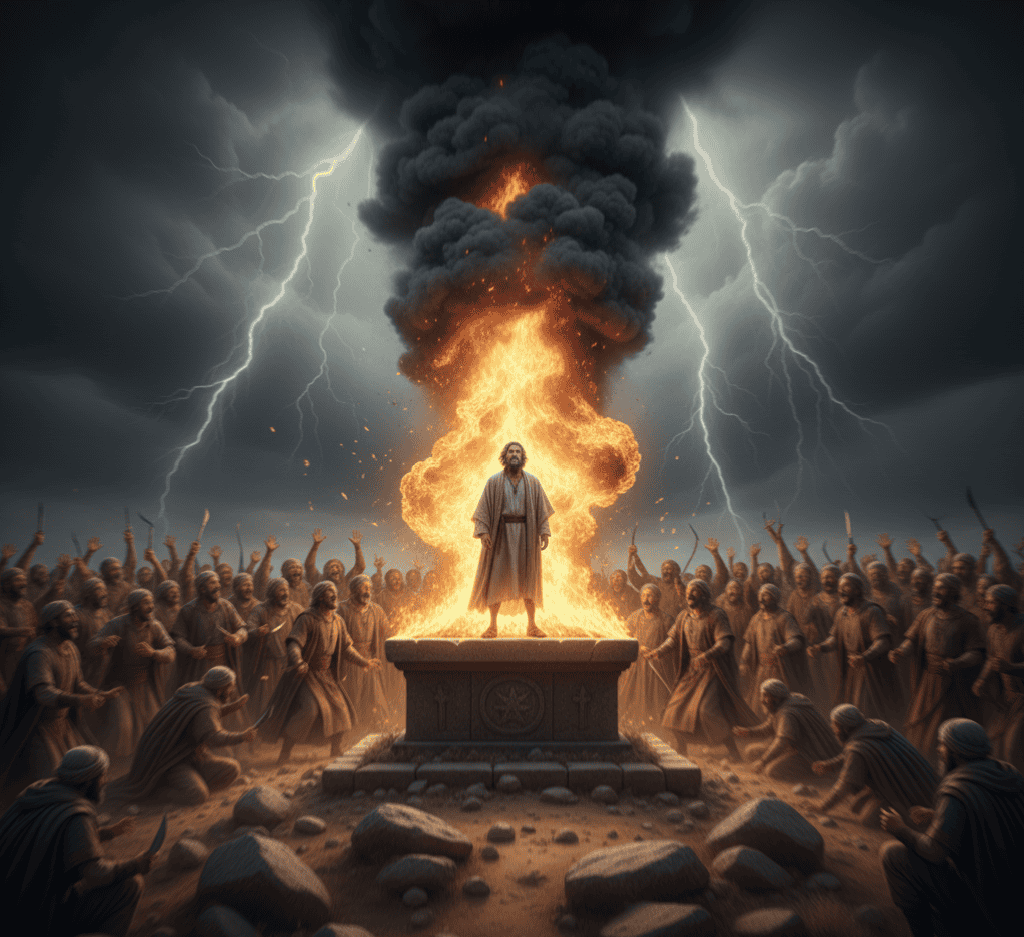
One of the most famous events in Elijah’s life is the contest on Mount Carmel. Elijah challenged the prophets of Baal to prove whose God was real.
Both sides built altars and called on their god to light a fire. The prophets of Baal failed, but Elijah’s altar was consumed by fire from heaven.
This contest was a dramatic demonstration of God’s supremacy. It also showed the importance of patience, faith, and trust in God.
The event has become symbolic of standing up for truth and facing overwhelming opposition with confidence in divine support.
4. Elijah’s Journey and Moments of Despair
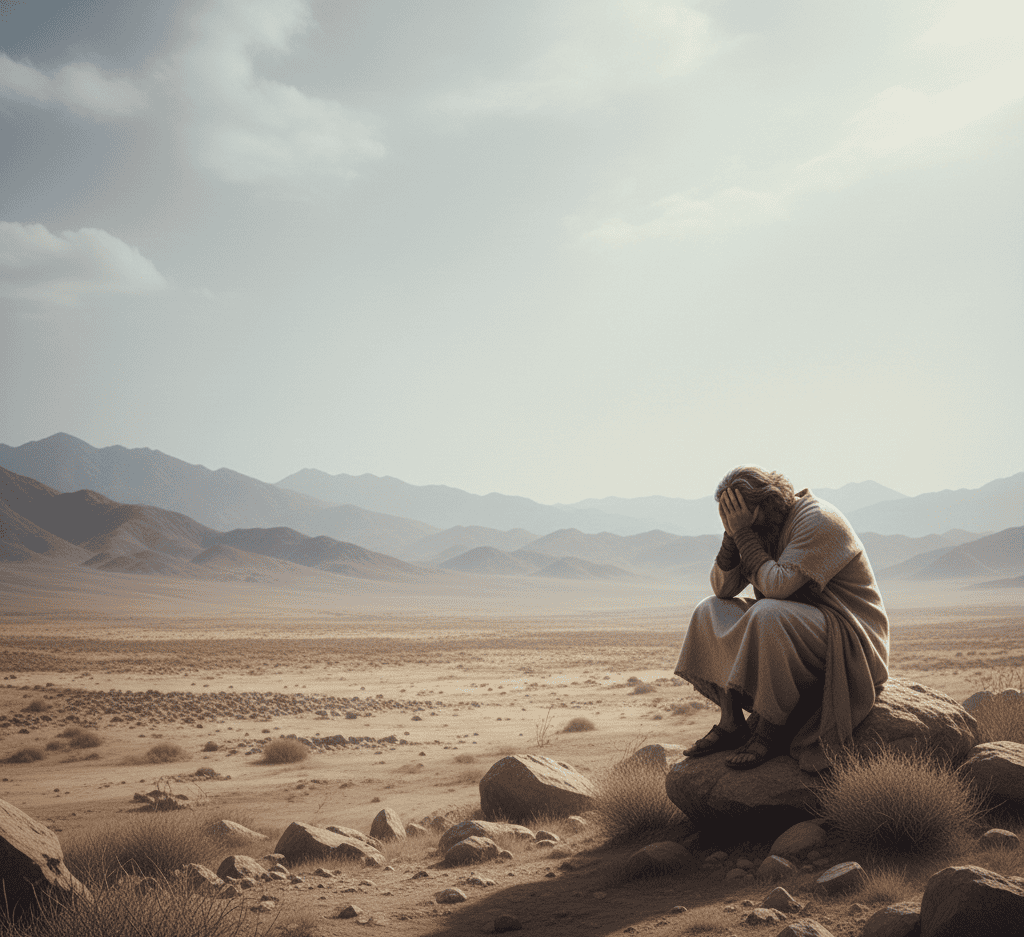
Despite his courage, Elijah experienced moments of despair and exhaustion. After the contest on Mount Carmel, he fled into the wilderness, feeling alone and defeated.
He prayed for death and expressed fear and hopelessness. This part of the story shows that even strong people of faith can struggle with doubt and emotional pain.
Elijah’s honesty in expressing his feelings teaches that spiritual leaders are human and that it is normal to feel overwhelmed.
The story encourages readers to seek rest, renewal, and guidance during hard times.
5. God’s Gentle Whisper
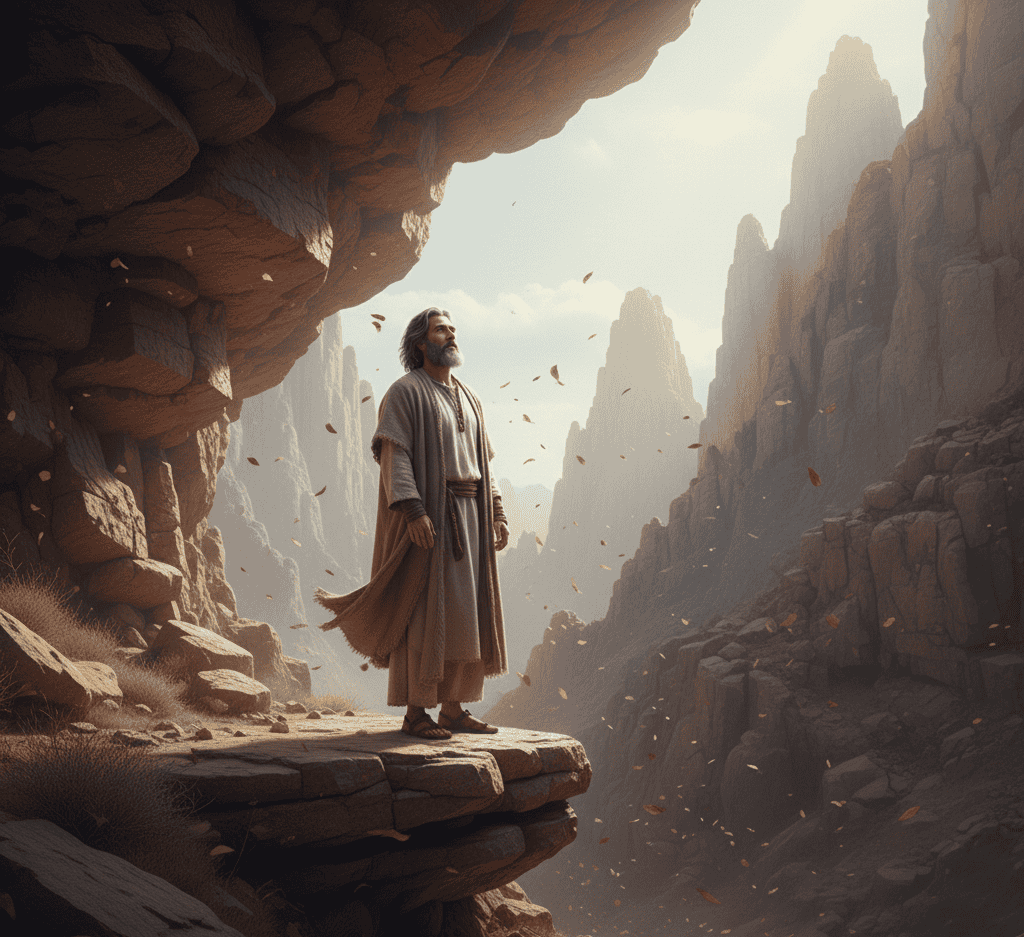
While Elijah experienced dramatic miracles and challenges, God also spoke to him in quiet ways.
After Elijah fled to Mount Horeb, he expected God to appear in powerful natural events like wind, earthquake, or fire. Instead, God appeared as a gentle whisper.
This moment teaches that divine guidance is not always loud or spectacular. Sometimes, God works quietly and subtly.
The gentle whisper shows that strength and power can come in unexpected forms, and it encourages attentiveness to small signs of guidance in life.
6. The Chariots of Fire and the Ascension
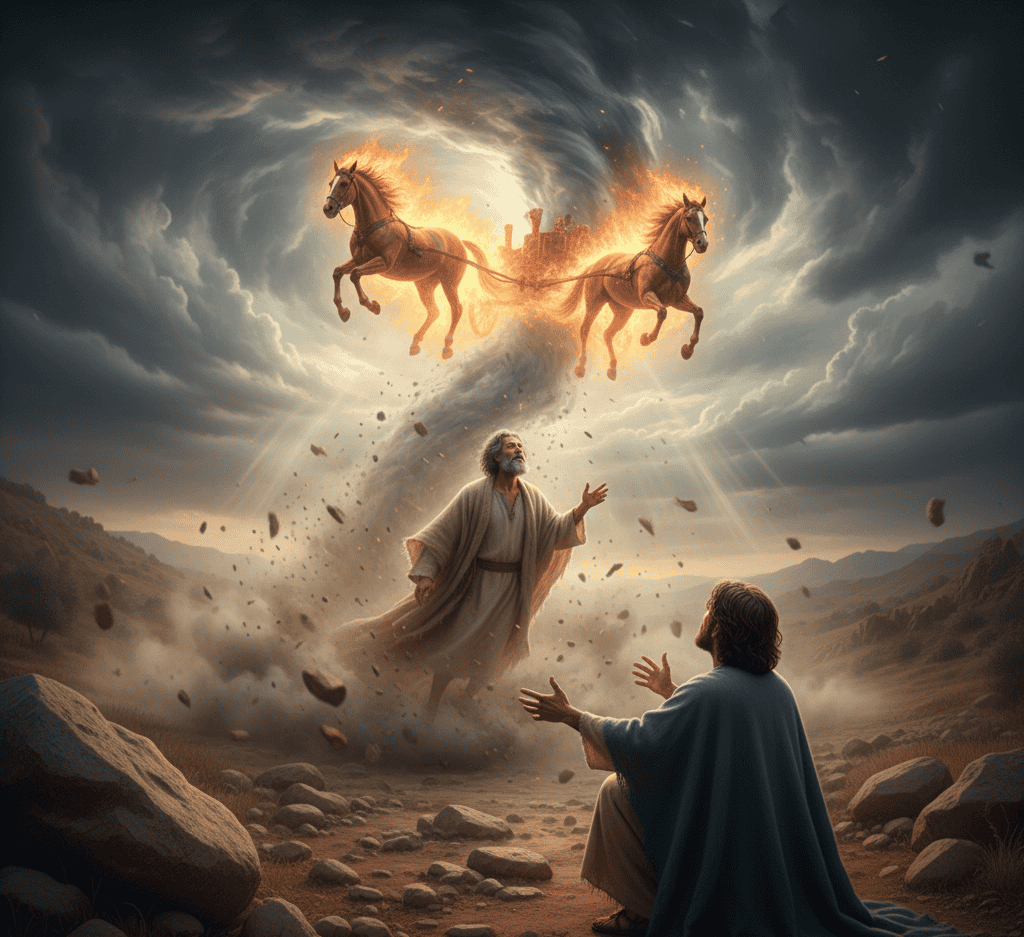
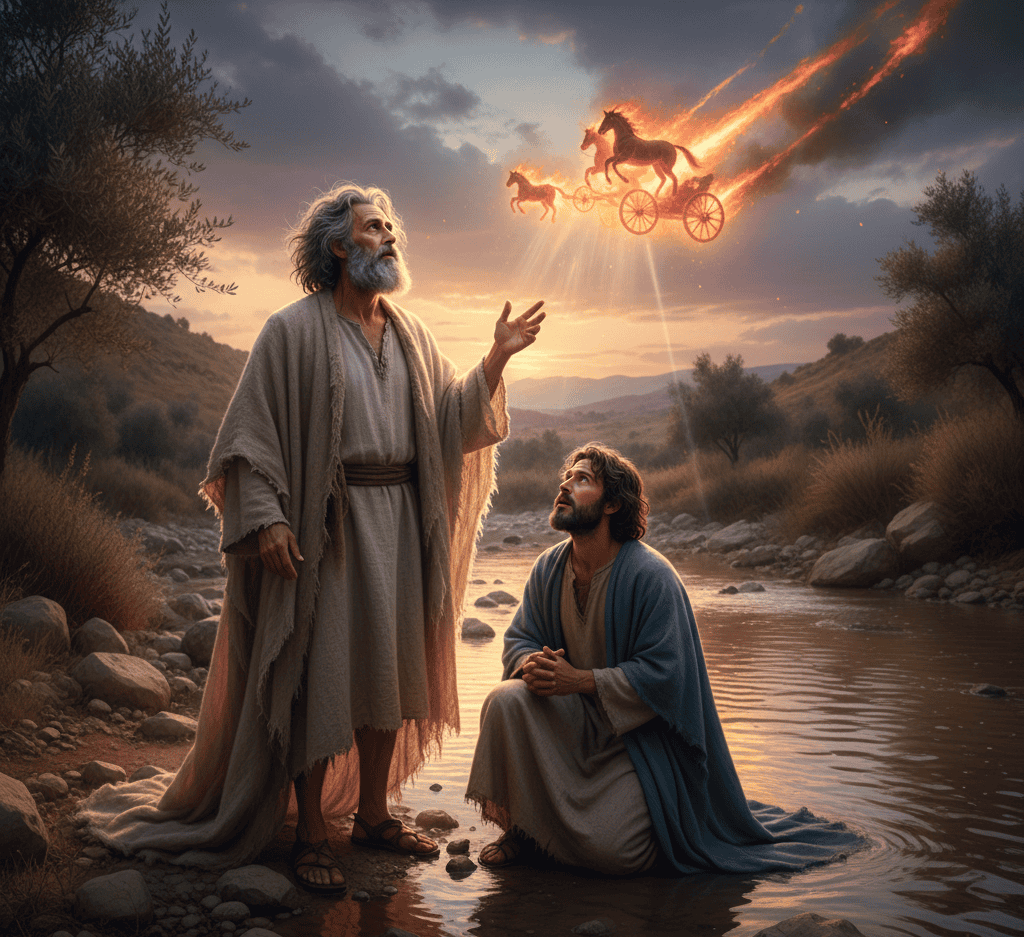
The climax of Elijah’s story is his departure from earth. As he traveled with his disciple Elisha, a chariot of fire and horses of fire appeared, and Elijah was taken up into heaven in a whirlwind.
This event is remarkable because it shows a direct interaction between the divine and human life.
The chariots of fire symbolize God’s power, majesty, and ability to transcend human understanding.
Elijah’s ascension has inspired generations to think about life, death, and the spiritual realm in new ways.
It also demonstrates that God rewards faithfulness in ways beyond human imagination.
7. Elisha’s Role and the Transfer of Prophetic Authority
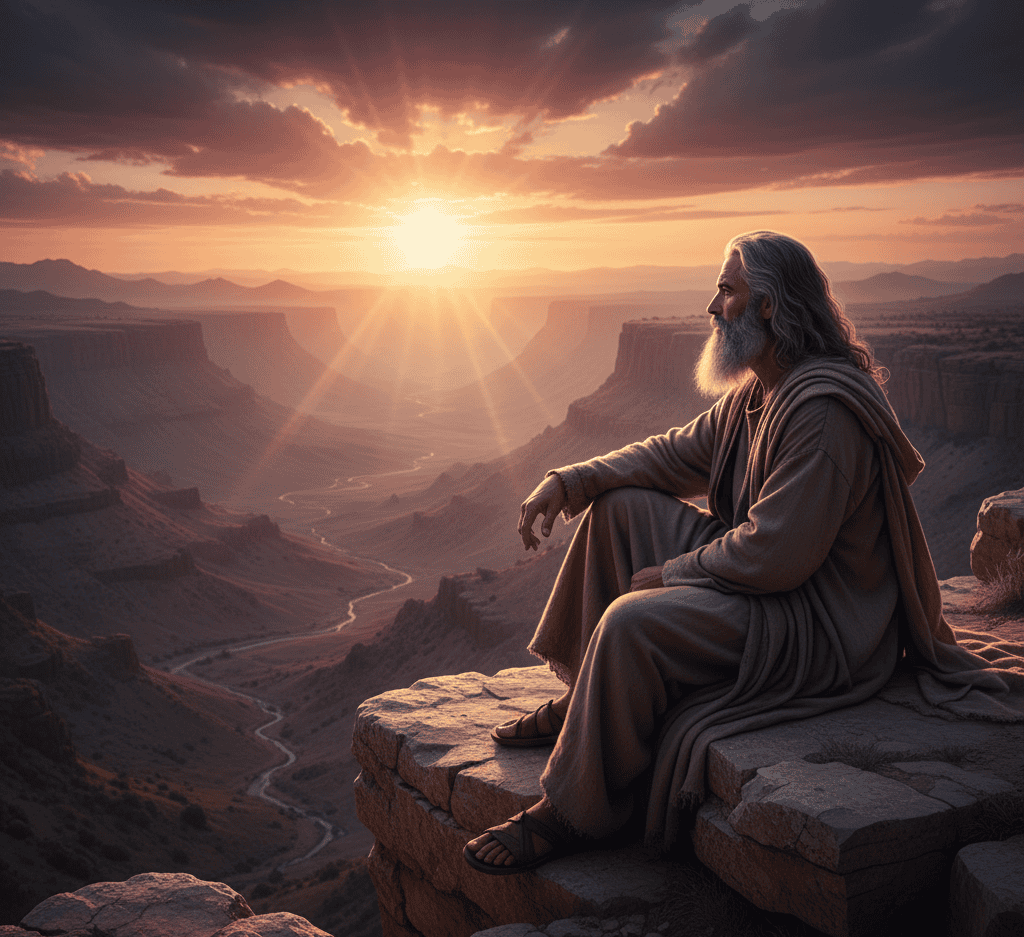
Before his departure, Elijah passed on his prophetic authority to Elisha.
He struck the Jordan River with his cloak, parting the water, and Elisha witnessed the miracles and received a double portion of Elijah’s spirit.
This transfer is significant because it shows continuity in divine work. The story emphasizes mentorship, preparation, and the passing of wisdom from one generation to the next.
Elijah’s guidance ensured that his mission and the lessons of his life would continue through Elisha, demonstrating the importance of leadership and preparation for those who follow.
8. Lessons About Faith, Obedience, and Divine Mystery
The story of Elijah and the chariots of fire contains many lessons. It teaches faith and obedience to God, even when life is difficult or dangerous.
It shows that God works in both dramatic and subtle ways, and that divine purposes may be beyond human understanding.
Elijah’s life reminds readers that courage, honesty, and perseverance are important in spiritual journeys.
His ascension illustrates the mystery of divine interaction, showing that God can act in ways humans cannot predict or fully comprehend.
The story encourages reflection on morality, responsibility, and the power of faith in shaping one’s path.

自出生以来,我一直感觉到自己与神灵有着紧密的联系。作为一名作家和导师,我的使命是帮助他人在最黑暗的时刻找到爱、幸福和内心的力量。