
Conspiracies have fascinated humans for centuries. They often emerge where information is scarce, events are mysterious, or official explanations leave gaps that spark curiosity.
Some conspiracies involve governments, secret societies, or powerful individuals, while others focus on unexplained phenomena, historical events, or hidden technology.
Whether true, partially true, or completely fabricated, these theories reveal how people try to make sense of complex events and hidden agendas.
They mix history, psychology, and skepticism, challenging us to question what we think we know.
This article explores ten conspiracies that will make you think, raising questions about power, secrecy, and the world around us in ways both intriguing and unsettling.
1. The Illuminati Controls World Events
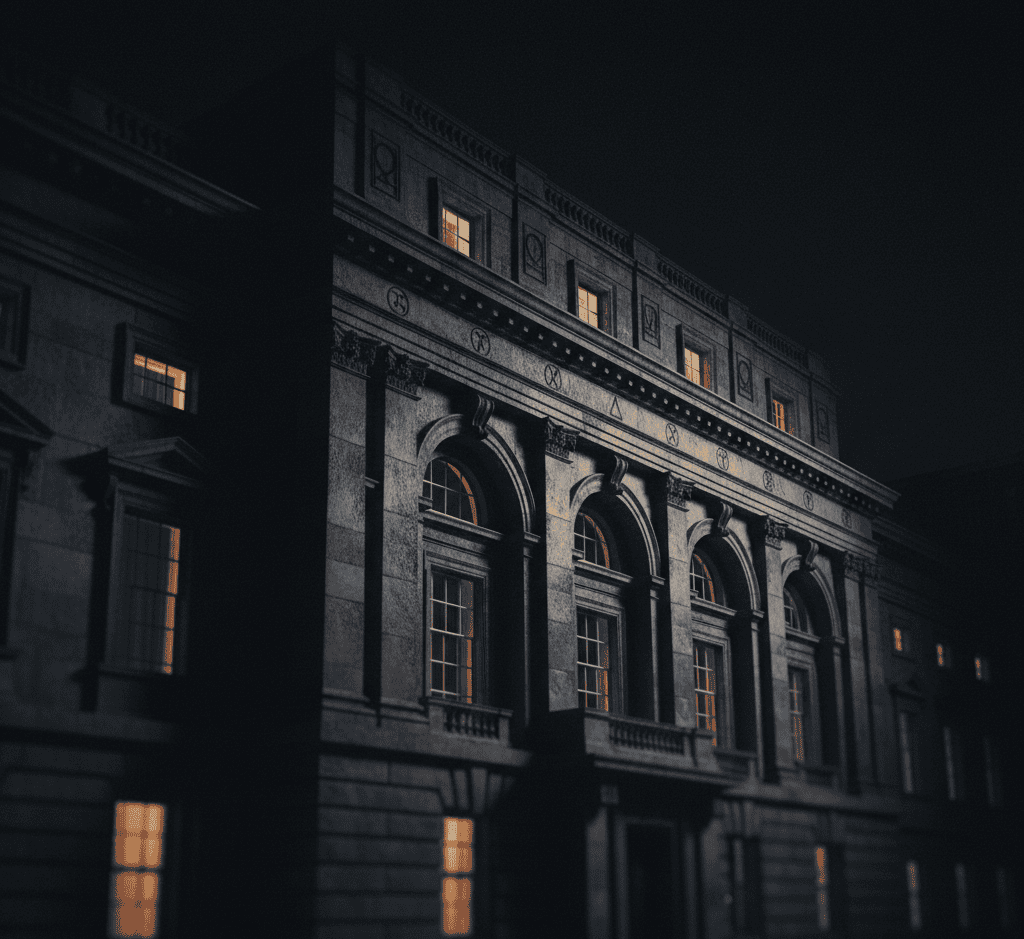
The Illuminati is often said to be a secret society manipulating global events for centuries. Some believe they influence governments, finance, and culture to establish a New World Order.
Although historical records show the Bavarian Illuminati existed in the eighteenth century, modern claims about their power are largely speculative and fueled by conspiracy enthusiasts.
Symbols in media, architecture, and entertainment are often cited as “proof” of their influence. Whether real or exaggerated, the idea challenges assumptions about transparency and power.
It raises questions about who truly shapes major decisions in politics, economics, and social structures across the globe today.
2. The Moon Landing Was Staged
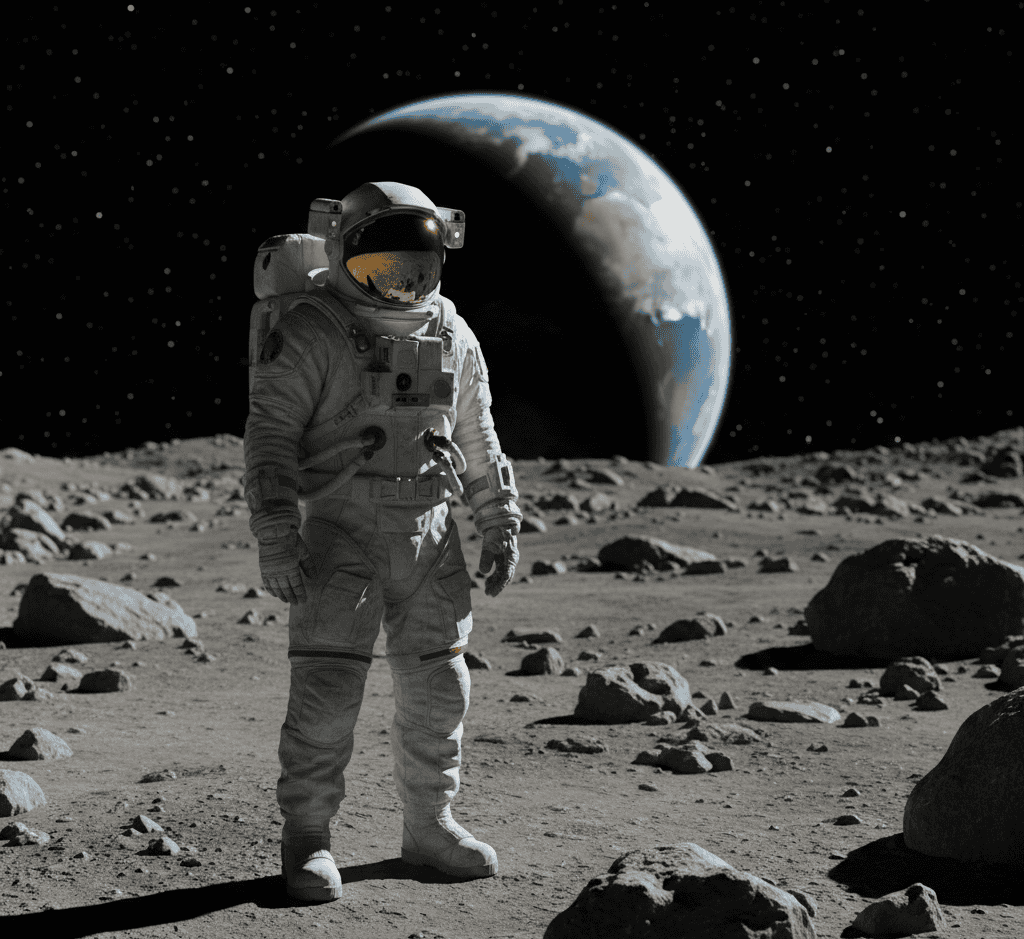
A popular conspiracy theory claims that the Apollo moon landings were faked by NASA and the United States government during the Cold War.
Skeptics argue that photos, videos, and astronaut behavior suggest studio filming rather than real lunar conditions.
They point to shadows, flag movements, and the lack of stars in photographs as evidence. NASA and scientific communities consistently provide explanations debunking these claims.
Still, the conspiracy persists, fueled by distrust of institutions and fascination with space exploration.
This theory invites us to consider how technology, politics, and media can be manipulated to create convincing illusions or narratives.
3. Area 51 Hides Alien Technology
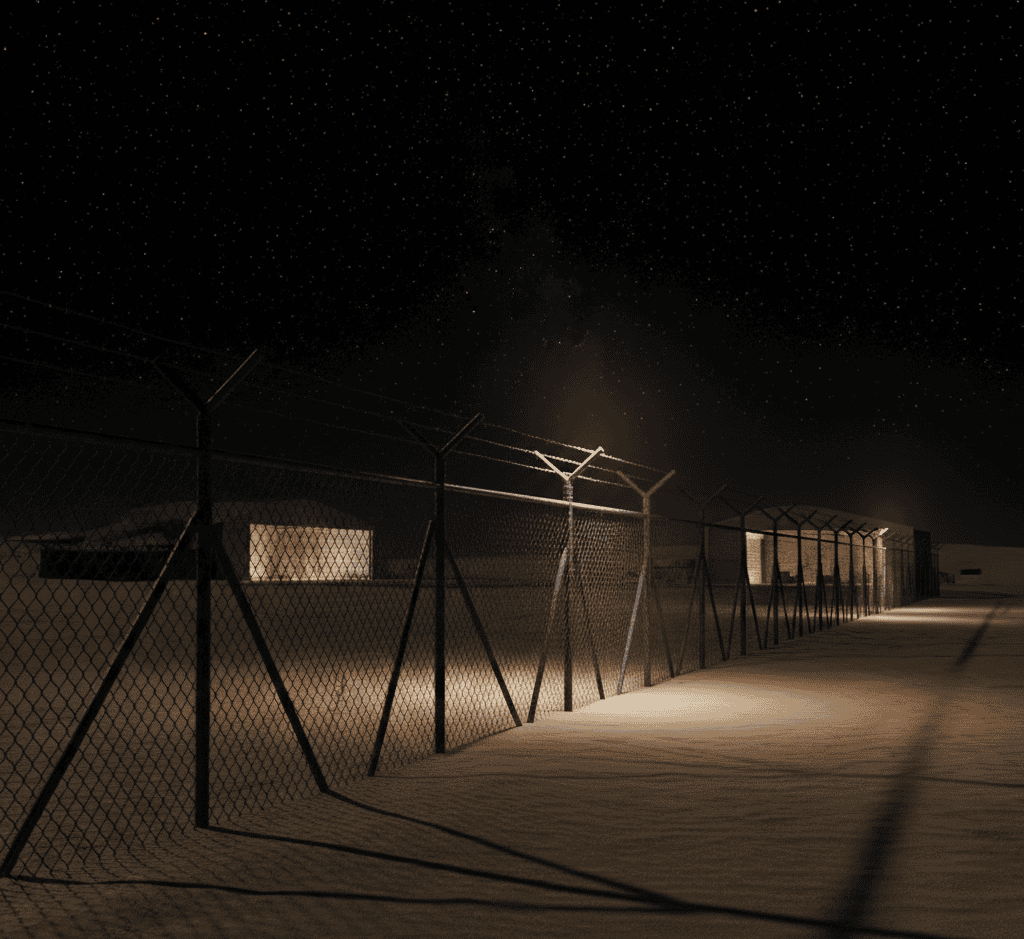
Area 51, a classified U.S. Air Force facility in Nevada, has long been linked to extraterrestrial theories.
Many believe the government stores alien spacecraft, bodies, and advanced technology there.
Its secretive nature and restricted access feed speculation about what occurs inside. While Area 51 is used for testing experimental aircraft and surveillance, its association with UFOs continues to inspire pop culture, documentaries, and research.
This conspiracy reflects humanity’s curiosity about life beyond Earth and skepticism toward official secrecy.
It raises questions about what is truly known about the universe and what governments may keep hidden from the public.
4. The New World Order Exists

The New World Order conspiracy theory suggests that a powerful, hidden elite is working to create a single global government.
Proponents claim this group manipulates economic crises, wars, and international policies to centralize control.
Historical events, secret meetings, and international organizations are often interpreted as evidence.
Critics argue that the theory oversimplifies complex geopolitics. Regardless of the truth, it highlights concerns about transparency, authority, and influence in global governance.
People are drawn to this theory because it provides a framework to understand uncertainty and perceive patterns in world events that might otherwise seem random or disconnected.
5. 9/11 Was an Inside Job

Some believe that the September 11 attacks in the United States were orchestrated or permitted by government insiders to justify wars, surveillance, and policy changes.
Conspiracy theorists cite building collapses, missing footage, and alleged inconsistencies in official reports as evidence.
Investigations and expert analyses contradict these claims, but the theory continues to attract attention.
The debate over 9/11 conspiracies demonstrates how fear, tragedy, and skepticism combine to create enduring narratives.
It challenges citizens to critically examine evidence, question authority, and balance doubt with credible research while considering the impact of traumatic events on public perception.
6. Chemtrails Poison the Population
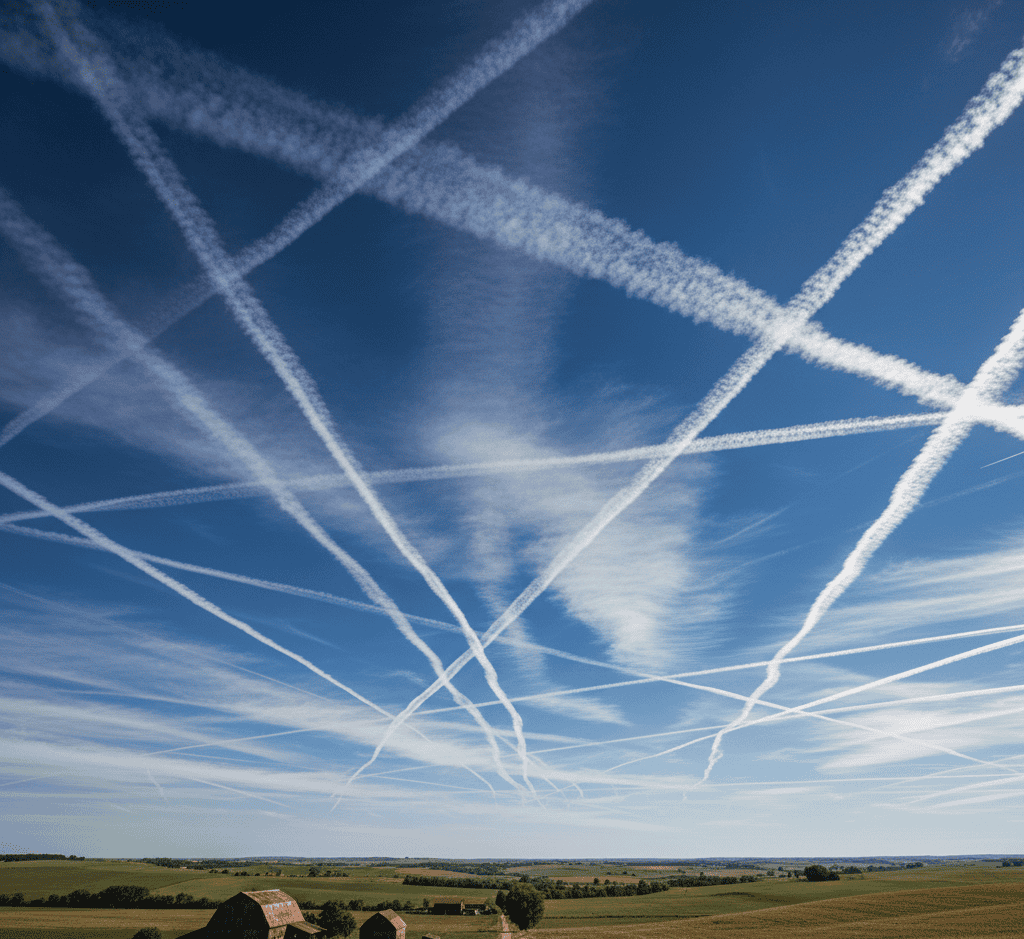
The chemtrail conspiracy claims that governments or organizations spray chemicals from airplanes to control populations, weather, or the environment.
Proponents point to white streaks in the sky, claiming they differ from normal contrails. Scientists explain these lines as condensation trails formed from water vapor and engine exhaust.
Despite evidence to the contrary, this theory persists, reflecting public mistrust and concern over environmental safety.
It encourages critical thinking about scientific literacy, media influence, and the way society interprets visual evidence in a complex world.
7. The JFK Assassination Was a Conspiracy
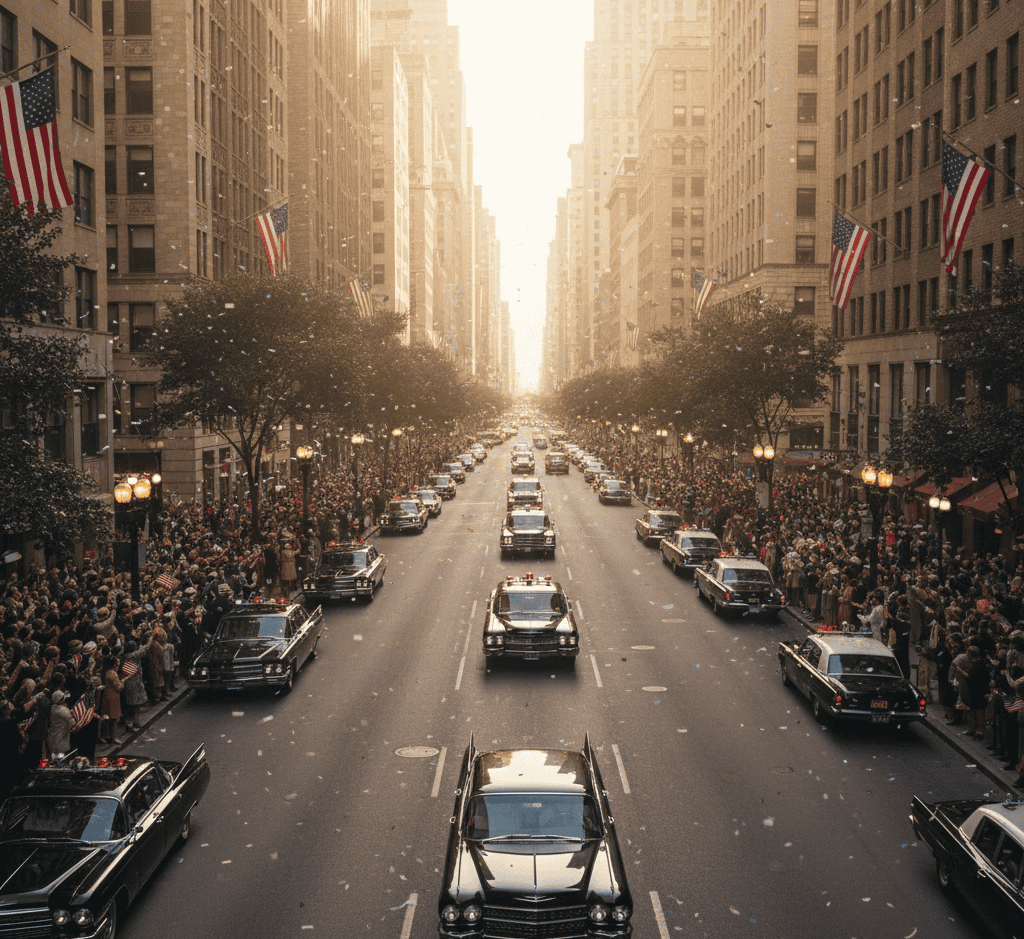
The assassination of President John F. Kennedy in 1963 remains one of the most studied conspiracies in modern history.
Many claim that multiple shooters, government agencies, or criminal organizations were involved rather than the lone gunman, Lee Harvey Oswald.
Evidence, including witness testimony, forensic analysis, and inconsistencies in reports, fuels speculation.
While official investigations concluded Oswald acted alone, the controversy continues in books, films, and research.
This conspiracy captures the human fascination with political intrigue and unexplained events, highlighting how national trauma, secrecy, and media shape collective memory and perpetuate alternative narratives decades after the fact.
8. HAARP Manipulates Weather
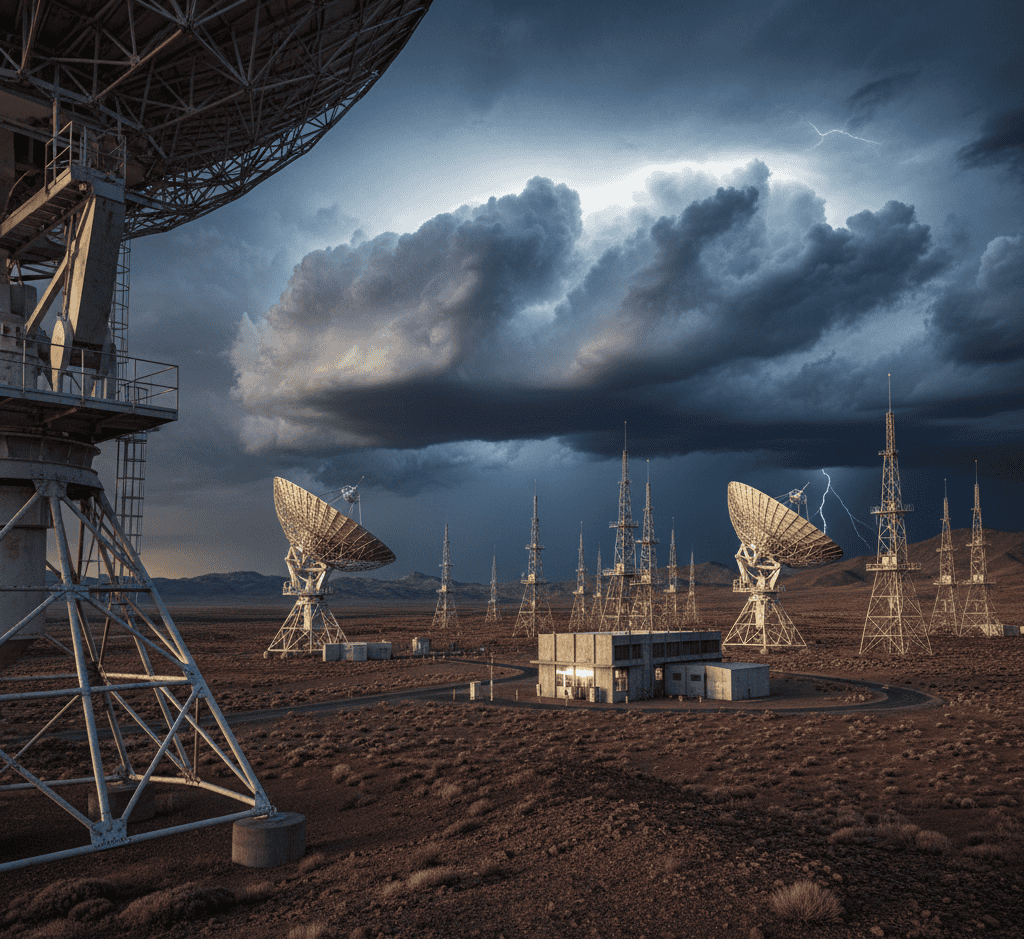
The High Frequency Active Auroral Research Program, or HAARP, was designed to study the ionosphere and improve radio communications.
However, conspiracy theories claim it can control the weather, cause earthquakes, or trigger natural disasters. Its secrecy and military association amplify speculation.
Scientists dismiss these claims, explaining that HAARP’s technology cannot manipulate large-scale weather systems.
Still, the theory endures as an example of how complex scientific projects are misunderstood or exaggerated.
It reflects anxiety about environmental control and illustrates how scientific knowledge can be twisted into narratives that appear both credible and alarming to the general public.
9. The Titanic Sinking Was Planned

Some conspiracy theorists argue that the Titanic disaster in 1912 was deliberate, designed to eliminate wealthy rivals or manipulate insurance policies.
Theorists point to ship ownership, alleged warnings ignored, and timing coincidences as evidence.
Historical analysis and maritime research dispute these claims, attributing the sinking to iceberg collision and human error.
It highlights the human desire to find hidden meaning in tragedies and the tendency to interpret complex events as orchestrated rather than accidental, reflecting a psychological need for narrative control in uncertain circumstances.
10. The Denver International Airport Hides Secret Agendas
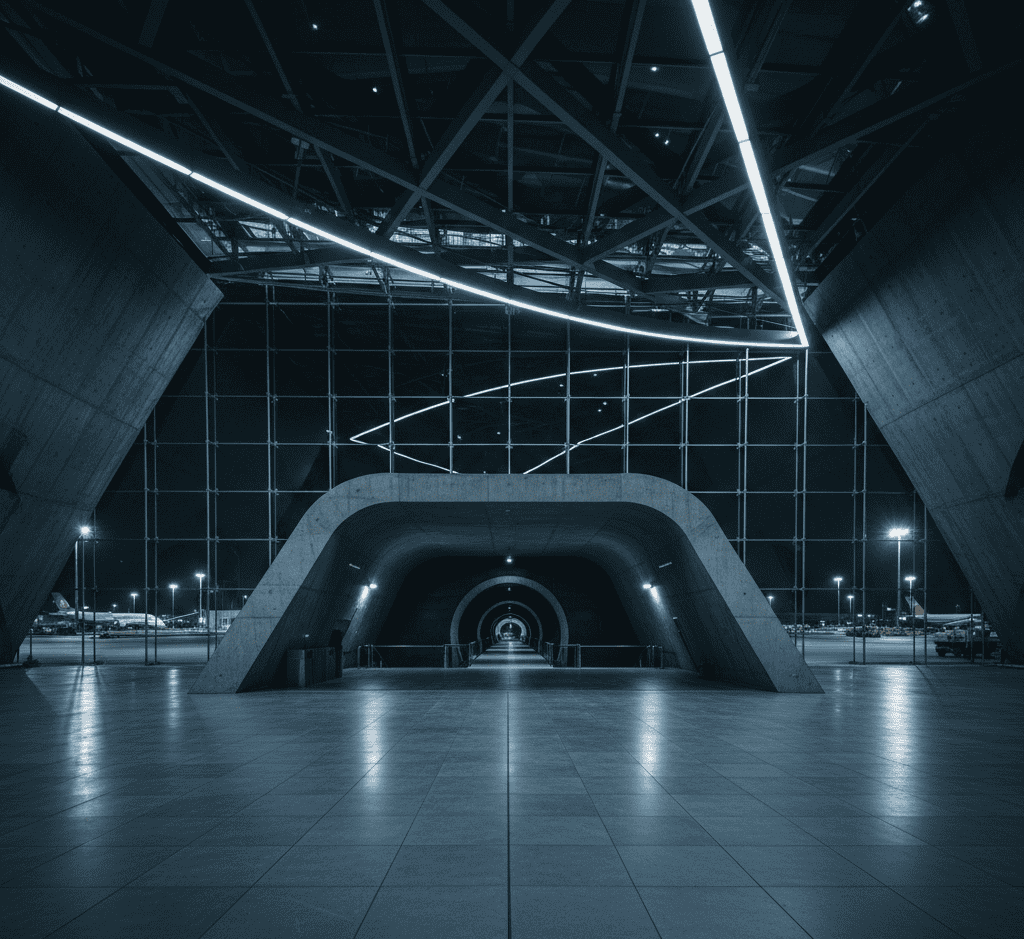
Some conspiracy theorists believe the Denver International Airport is more than just a hub for travel.
They claim its unusual artwork, underground tunnels, and cryptic symbols point to secret societies, underground bunkers for elites, or even plans for a New World Order.
Murals depicting apocalyptic scenes, hidden codes, and massive underground construction fuel speculation that the airport is a headquarters for shadowy operations beyond public knowledge.
Whether true or exaggerated, these details make people question what really lies beneath its floors and what messages the designs are intended to convey.
For many, Denver International Airport has become a modern symbol of hidden power and secret planning that continues to inspire fascination and debate.

自出生以来,我一直感觉到自己与神灵有着紧密的联系。作为一名作家和导师,我的使命是帮助他人在最黑暗的时刻找到爱、幸福和内心的力量。