

Throughout history, societies have used extreme and often terrifying punishments to enforce laws, maintain order, or display power.
Ancient civilizations developed methods that were not only physically painful but also psychologically tormenting, designed to instill fear in communities.
These punishments reflected cultural beliefs, social hierarchies, and sometimes religious practices, serving as both deterrent and spectacle.
While some were reserved for criminals, others targeted enemies, traitors, or those who violated societal norms.
Understanding these punishments reveals the harsh realities of justice in the ancient world and the lengths to which humans have gone to enforce authority and control.
Here are ten chilling punishments used in ancient times.
1. Crucifixion

Crucifixion was a brutal method of execution used notably by the Romans. Victims were nailed or tied to wooden crosses and left to die slowly over hours or even days.
This punishment served as a public warning, demonstrating the consequences of defying authority.
The suffering was prolonged, exposing individuals to dehydration, exhaustion, and extreme pain.
Crucifixion was often reserved for slaves, rebels, or political criminals, making it both a deterrent and a display of absolute power.
Its horrific nature has made it one of history’s most infamous forms of punishment.
2. Scaphism

Scaphism, also known as “the boats,” was an ancient Persian punishment that involved trapping a victim between two boats, force-feeding them milk and honey, and leaving them exposed to insects.
Over time, the person would suffer extreme dehydration, starvation, and infestation, leading to a prolonged and agonizing death.
This punishment exemplified psychological and physical torment, emphasizing cruelty and humiliation.
Its existence demonstrates how ancient societies could create extremely elaborate methods to inflict maximum suffering as a form of justice or revenge.
3. Flaying

Flaying involved removing the skin of a living person, often used as a punishment for traitors, rebels, or severe criminals.
It was practiced in several ancient cultures, including Assyria and Persia, as a gruesome public deterrent.
Victims often died from shock, blood loss, or infection. The method’s brutality reflected the ruler’s desire to maintain control through fear, sending a stark message to anyone considering rebellion or disobedience.
Flaying remains one of the most horrifying punishments in history due to its intense physical and psychological torment.
4. Breaking on the Wheel

Breaking on the wheel was a form of execution used in Europe but with roots in earlier civilizations.
Victims were tied to a large wheel, and their limbs were systematically broken with clubs or hammers.
Death could take hours or even days, depending on the severity of the blows. This method served as a public spectacle, demonstrating the consequences of severe crimes.
The ritualized nature of the punishment highlighted both the authority of the executioner and the suffering inflicted, making it a particularly chilling method in the eyes of ancient observers.
5. The Brazen Bull

The brazen bull was an execution device used in ancient Greece. The condemned were locked inside a hollow metal bull, which was then heated over a fire.
Victims would be roasted alive while their screams were funneled through tubes to sound like the bull bellowing.
This punishment combined physical agony with psychological terror, turning execution into a horrifying spectacle.
It was designed to instill fear in the public while punishing individuals who committed serious offenses, such as treason or sacrilege.
The brazen bull remains a notorious example of human cruelty in antiquity.
6. Impalement

Impalement was a gruesome method where a sharp stake was inserted through the body, often through the torso or rectum, leaving the victim to die slowly.
This punishment was used by various ancient cultures, including the Assyrians, Persians, and medieval Eastern Europeans like Vlad the Impaler.
It was both a method of execution and a terror tactic, demonstrating the power of rulers and the extreme consequences of defiance.
Impalement’s prolonged suffering and public nature made it an unforgettable symbol of brutality in human history.
7. Boiling Alive

In some ancient societies, boiling a criminal alive was used as a punishment for severe crimes or enemies of the state.
The condemned were immersed in boiling water, oil, or tar, resulting in a slow and agonizing death.
This method was used for treachery, murder, or acts considered extremely dishonorable. It combined physical pain with public humiliation, serving as a warning to others.
The method highlights the extreme lengths societies would go to enforce laws and instill obedience through fear.
8. Drawing and Quartering

Drawing and quartering was a punishment used primarily in medieval England but had ancient precedents.
It involved dragging the condemned to the place of execution, hanging them almost to death, disemboweling, and finally dividing the body into four parts.
This extreme form of punishment was reserved for the most severe crimes, often treason.
Its purpose was both physical torture and psychological terror, demonstrating the ruler’s control and deterring potential rebels or criminals from challenging authority.
9. Exposure to Wild Animals
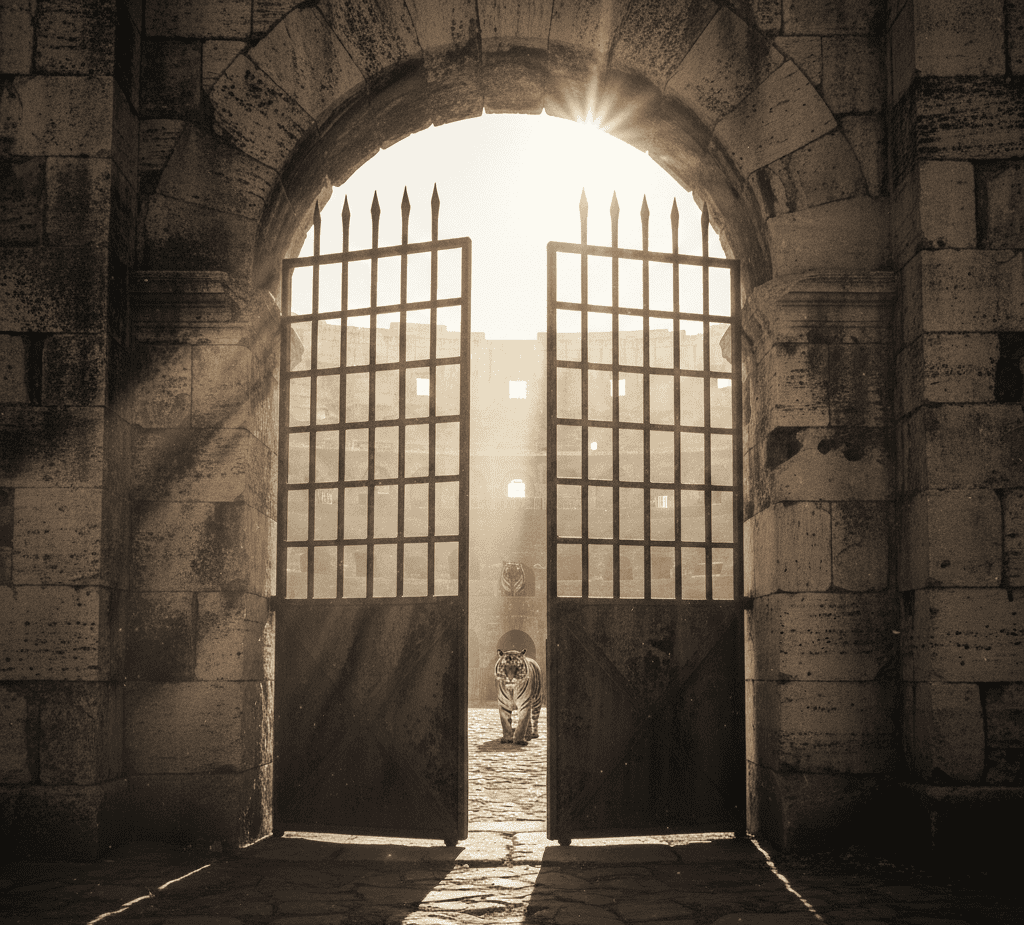
Exposing criminals to wild animals was common in ancient arenas, especially in Rome.
Lions, leopards, and other predators were used to execute prisoners, often in front of large audiences.
This punishment combined public spectacle with a slow, terrifying death. It served as entertainment while reinforcing social hierarchy and demonstrating the consequences of criminal or political opposition.
The fear and brutality of facing wild beasts made this method one of the most psychologically and physically shocking punishments in ancient times.
10. Punishments for Theft in Ancient Civilizations
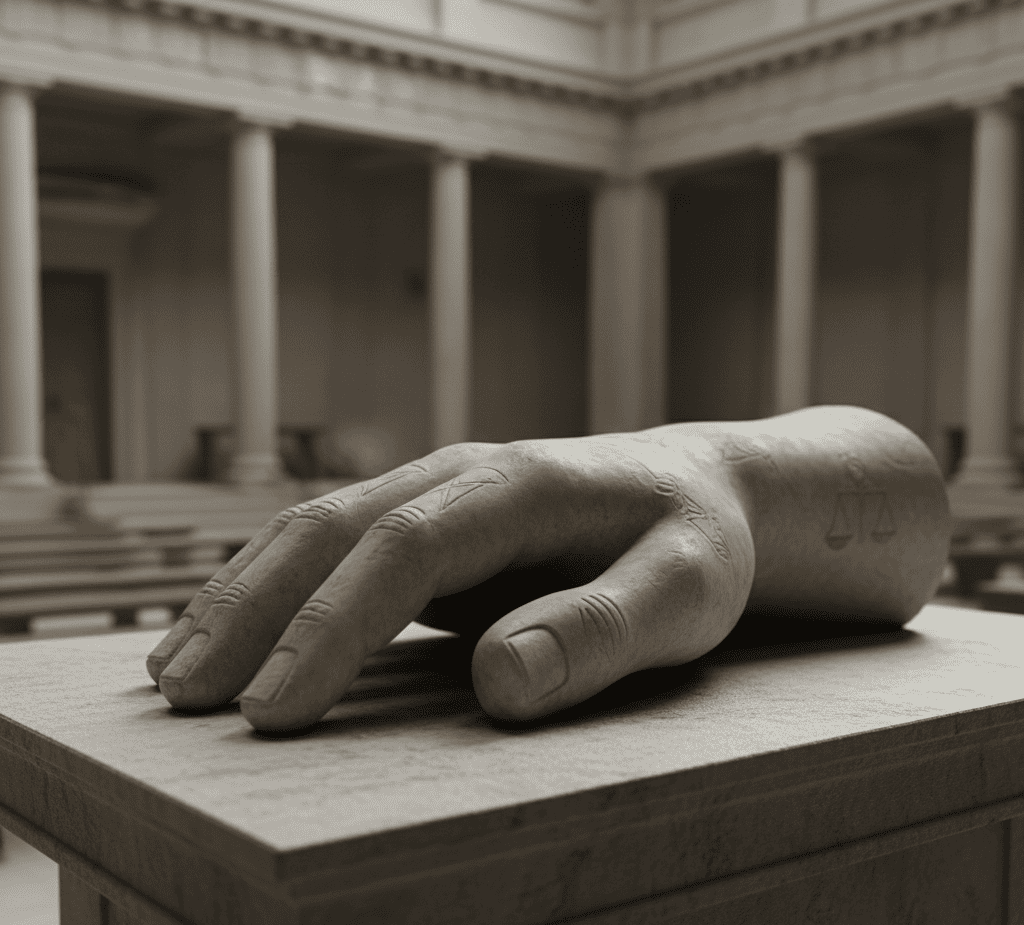
Many ancient civilizations had extreme punishments for theft, often including amputation of hands, mutilation, or death.
These measures were intended to protect property, maintain social order, and deter crime. In some cases, even minor infractions could result in severe physical penalties.
Laws were strictly enforced, with harsh consequences ensuring compliance through fear.
The severity of these punishments highlights the value placed on law, order, and deterrence in ancient societies, reflecting a world where justice was often absolute, public, and merciless.

自出生以来,我一直感觉到自己与神灵有着紧密的联系。作为一名作家和导师,我的使命是帮助他人在最黑暗的时刻找到爱、幸福和内心的力量。