
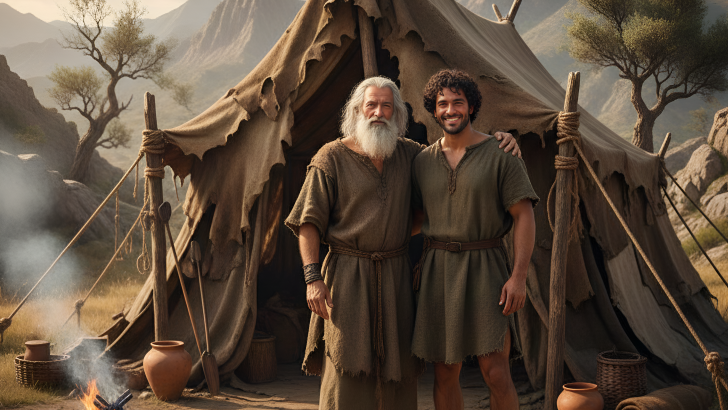
The story of Noah is one of the most well-known accounts in the Bible, but the details about his sons are often overlooked.
Ham, one of Noah’s three sons, appears only briefly in the biblical text, but his story has been discussed and debated for centuries.
His actions after the flood led to consequences that affected future generations and became the subject of many interpretations.
Over time, different traditions and misunderstandings added layers to his story that are not always found in scripture itself.
These ten facts explore the lesser-known details, cultural context, and deeper meaning behind the hidden story of Ham.
1. Ham Was One of the Three Survivors of the Flood
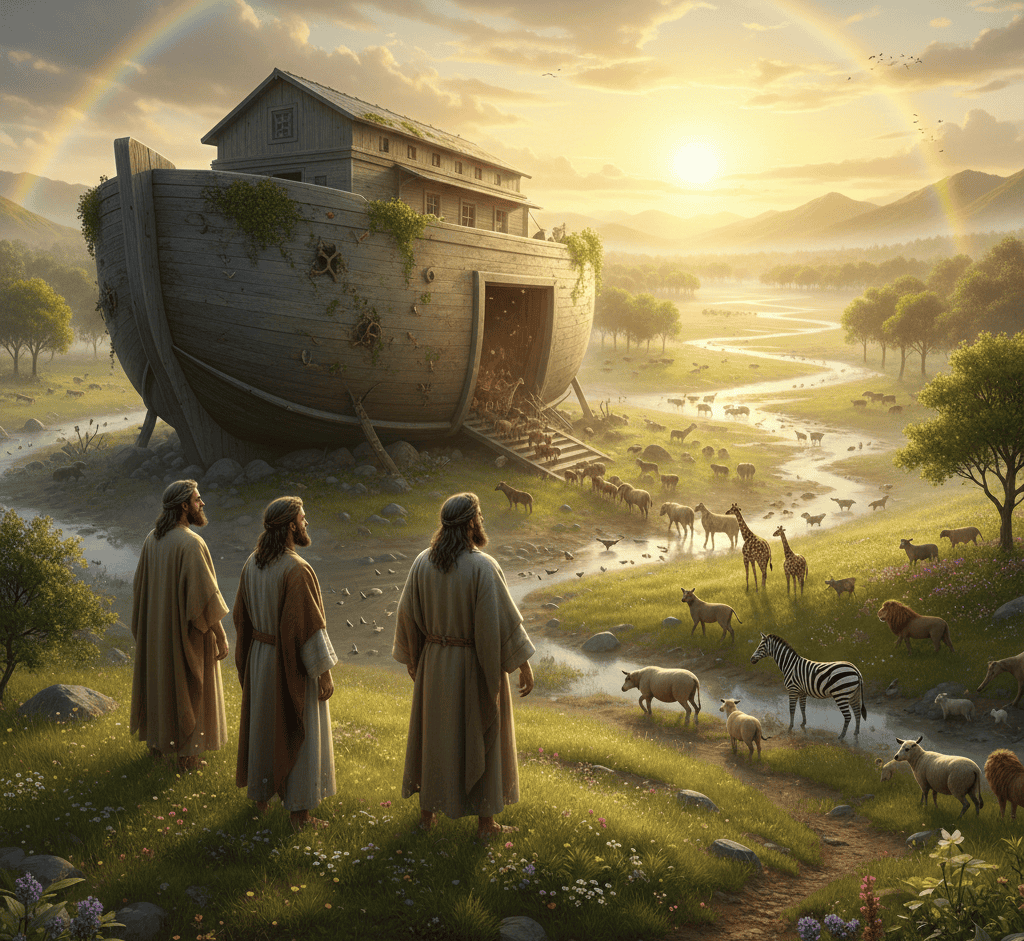
Ham was one of Noah’s three sons, along with Shem and Japhet, who survived the great flood.
According to the biblical account, these three families became the ancestors of the nations that spread across the earth afterward.
Ham’s survival placed him at the center of a new beginning for humanity.
His role was not minor, since his descendants would later form several important ancient cultures.
Although the Bible does not describe his personality in detail, his place among the survivors shows that he shared in the responsibility of rebuilding life after the destruction.
His story begins with survival, but later becomes more complicated.
2. His Name May Reflect Cultural Meaning

The name Ham has been studied by scholars for its possible meaning and cultural background.
Some believe it may be connected to a word meaning warm, dark, or hot, possibly reflecting regions where his descendants later lived.
Names in the ancient world often carried symbolic or geographic meaning rather than being simple labels.
While the Bible does not explain the name directly, later traditions tried to connect it with specific lands and peoples.
These interpretations influenced how different cultures understood his story over time.
The meaning of his name became part of the broader attempt to explain the origins of nations after the flood.
3. The Incident with Noah Is Brief but Important
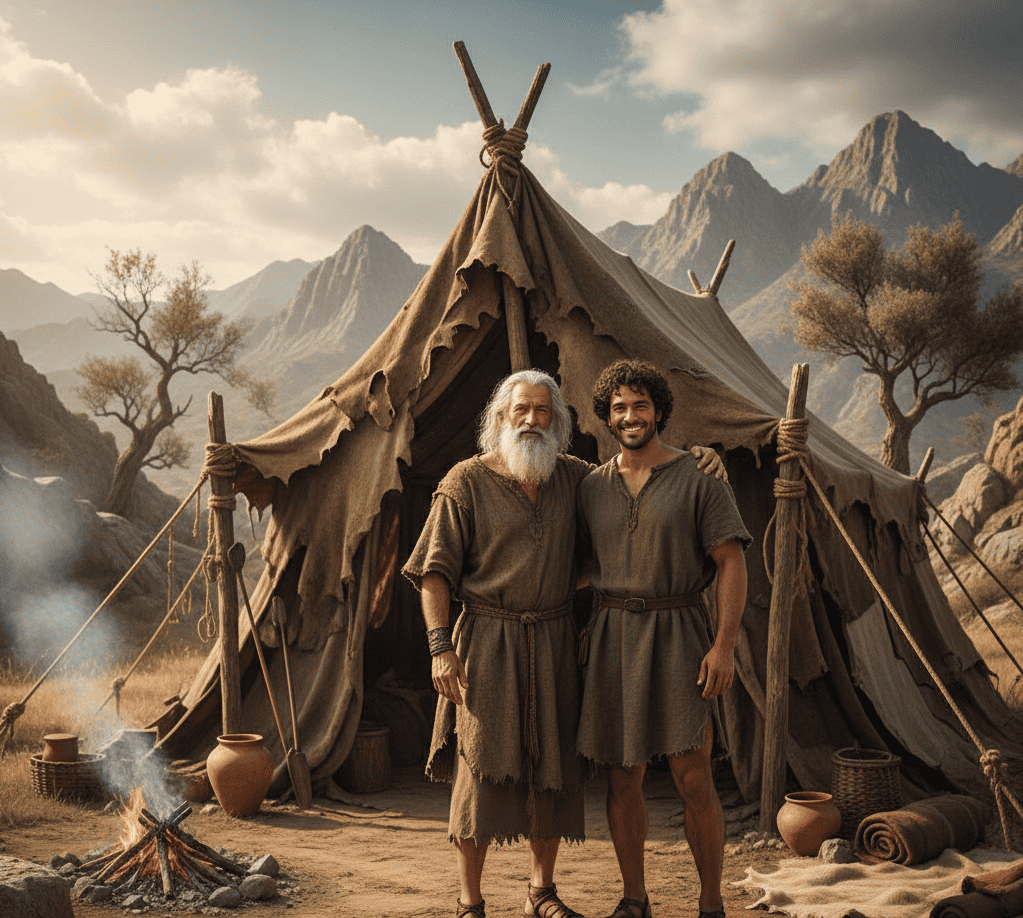
Ham’s most famous moment appears in a short but significant passage after the flood. Noah planted a vineyard, drank wine, and became uncovered inside his tent.
Ham saw his father’s condition and told his brothers, while Shem and Japheth respectfully covered Noah without looking.
The text gives few details, which has led to many interpretations about what Ham actually did wrong.
Some believe the offense was disrespect, while others suggest a deeper violation of honor or family boundaries.
The brief nature of the story leaves room for debate, but it clearly presents the event as a serious act of dishonor.
4. The Curse Fell on Canaan, Not Ham
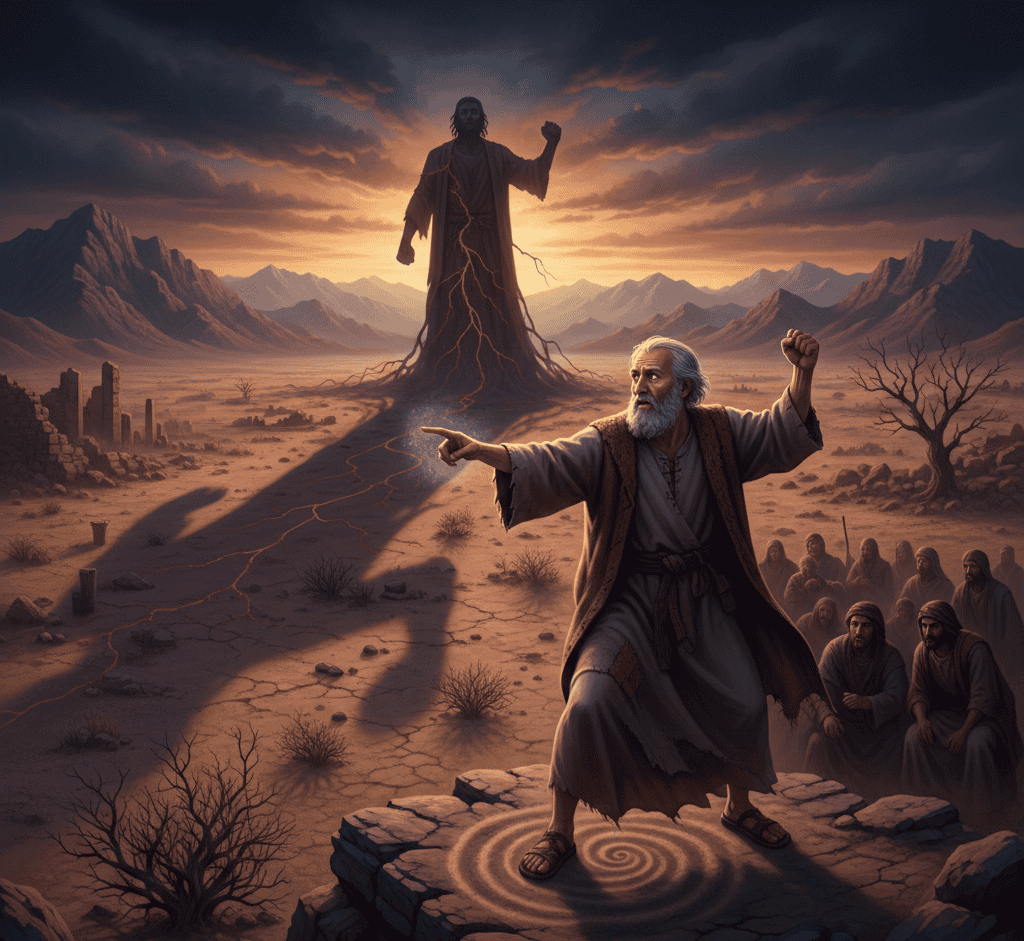
One surprising detail in the story is that Noah did not curse Ham directly. Instead, he placed a curse on Canaan, one of Ham’s sons.
This has confused readers for centuries and led to many discussions about the reason behind it.
Some scholars believe the curse reflected later conflicts between Israel and the Canaanite peoples.
Others see it as a prophetic statement about future events rather than a personal punishment.
The text itself does not fully explain the decision. What is clear is that the consequences of the incident affected Ham’s family line rather than Ham alone.
5. His Descendants Formed Major Ancient Nations
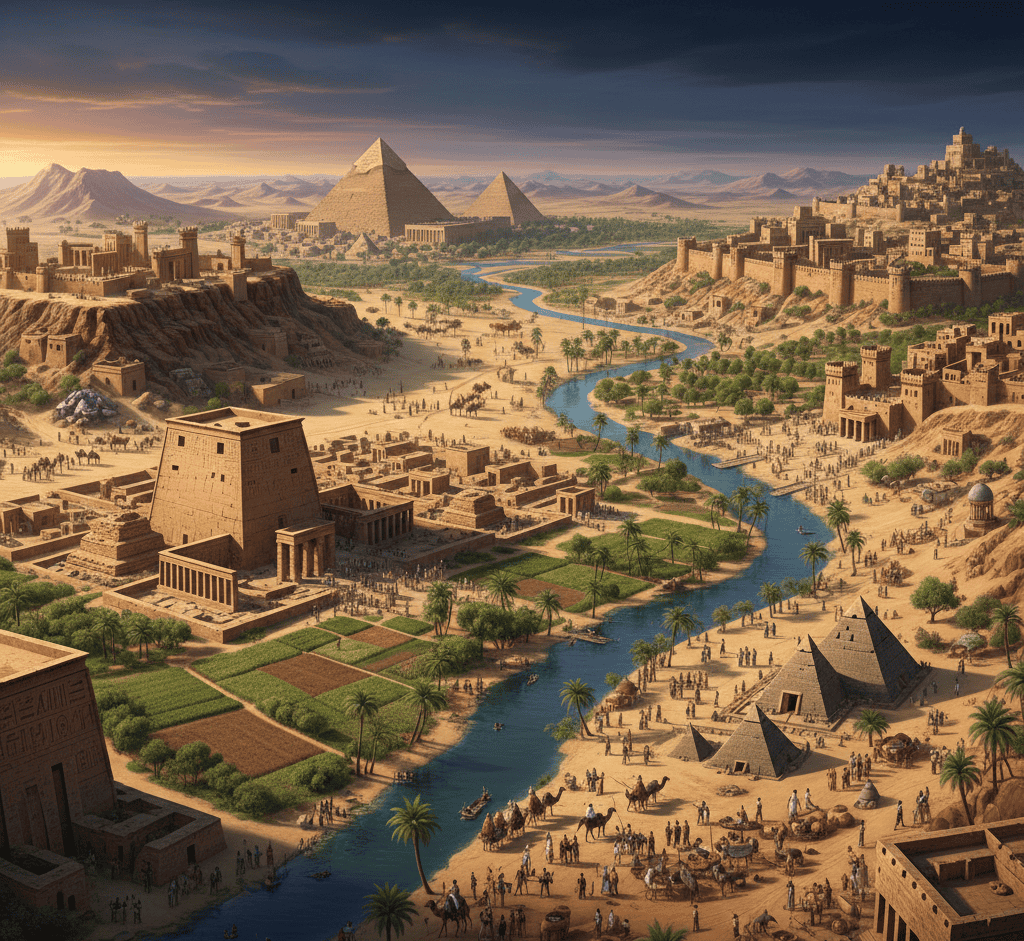
The Bible lists several nations that came from Ham’s descendants. These include Egypt, Cush, Put, and Canaan, regions associated with parts of Africa and the Near East.
Many of these civilizations became powerful and influential in ancient history. Egypt, in particular, played a major role throughout the biblical narrative.
This connection shows that Ham’s family line was not minor or forgotten, but central to many events that followed.
The spread of his descendants across large regions reflects the biblical theme of nations developing from the families that survived the flood.
6. His Story Was Later Misused in History

Over time, the story of Ham and the curse of Canaan was misunderstood and misused by some groups.
Certain interpretations wrongly claimed that Ham himself was cursed or that his descendants were meant to be inferior.
These ideas were used to justify discrimination and slavery, even though the biblical text does not support such conclusions.
Modern scholars strongly reject these interpretations as incorrect and harmful.
Understanding the original passage helps separate scripture from later misuse. This history shows how important careful interpretation is when reading ancient texts.
7. Ham’s Line Included Both Power and Conflict

The descendants of Ham were involved in many major events described in the Bible.
Egypt became both a place of refuge and a place of oppression for the Israelites.
Canaan became the land promised to Israel, but also the source of long conflicts. These connections show that Ham’s family line played a complex role in biblical history.
They were neither purely good nor purely evil, but part of the larger human story of power, struggle, and change.
This balance reflects the Bible’s broader picture of nations rising and falling over time.
8. The Story Reflects the Importance of Honor
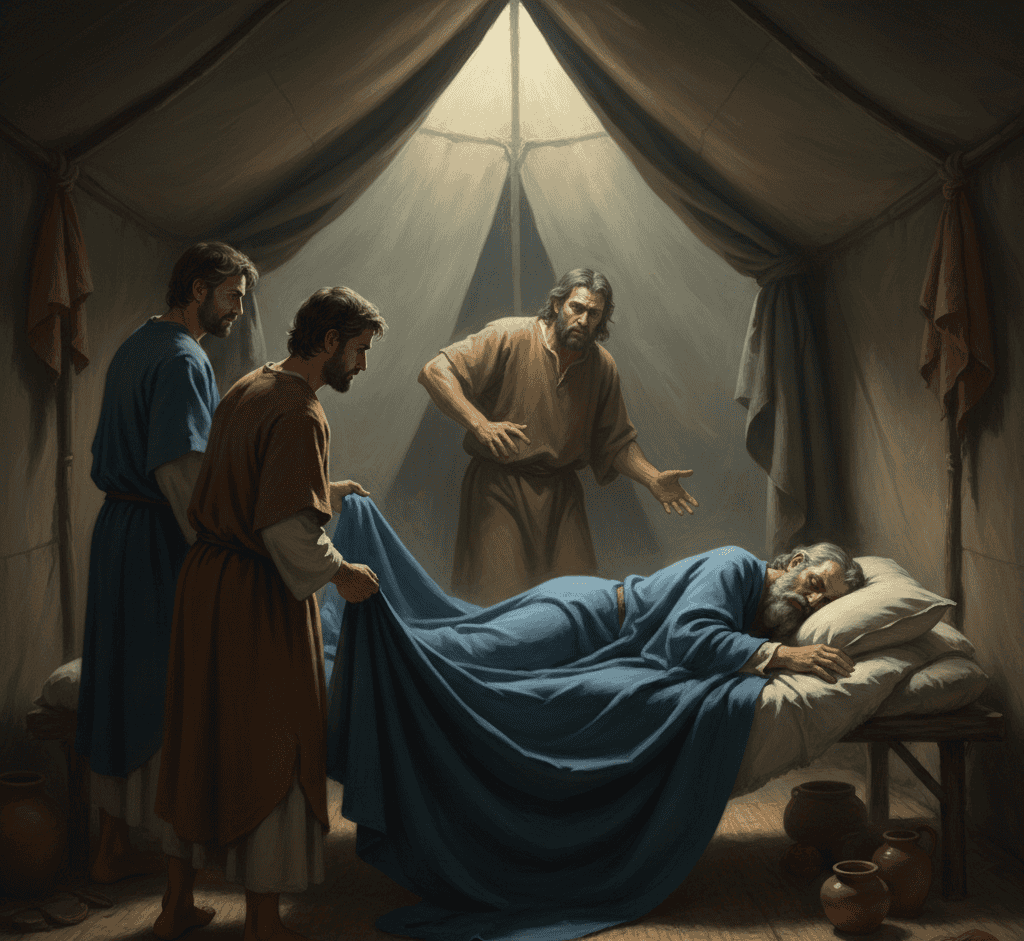
The central lesson many readers see in Ham’s story is the importance of respect within the family.
In ancient cultures, honoring parents was considered essential for social stability and moral order.
Ham’s failure is often understood as public dishonor rather than simple curiosity. In contrast, Shem and Japheth acted with discretion and respect.
The story emphasizes how small actions toward family members could carry serious consequences in traditional societies.
It also reflects a broader biblical theme that respect, responsibility, and humility within the family shape the future of generations.
9. His Role Connects to the Spread of Nations
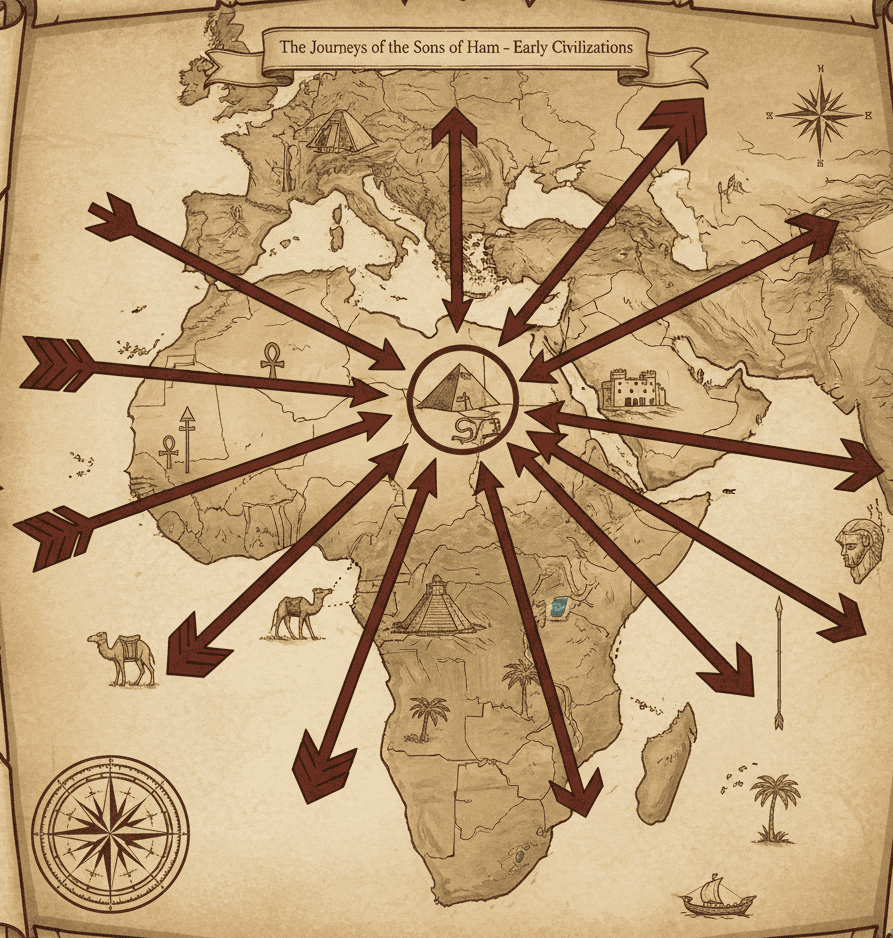
After the flood, the families of Noah’s sons spread across different regions, forming distinct peoples and cultures.
Ham’s descendants settled mainly in the southern and western areas of the known world.
This geographic pattern became part of the biblical explanation for the diversity of nations.
The story helped ancient readers understand how different cultures were related through a shared origin.
It also reinforced the idea that all humanity came from a common family. Ham’s role in this process connects his story to the larger theme of human expansion after the flood.
10. His Story Shows How Small Actions Can Have Lasting Effects
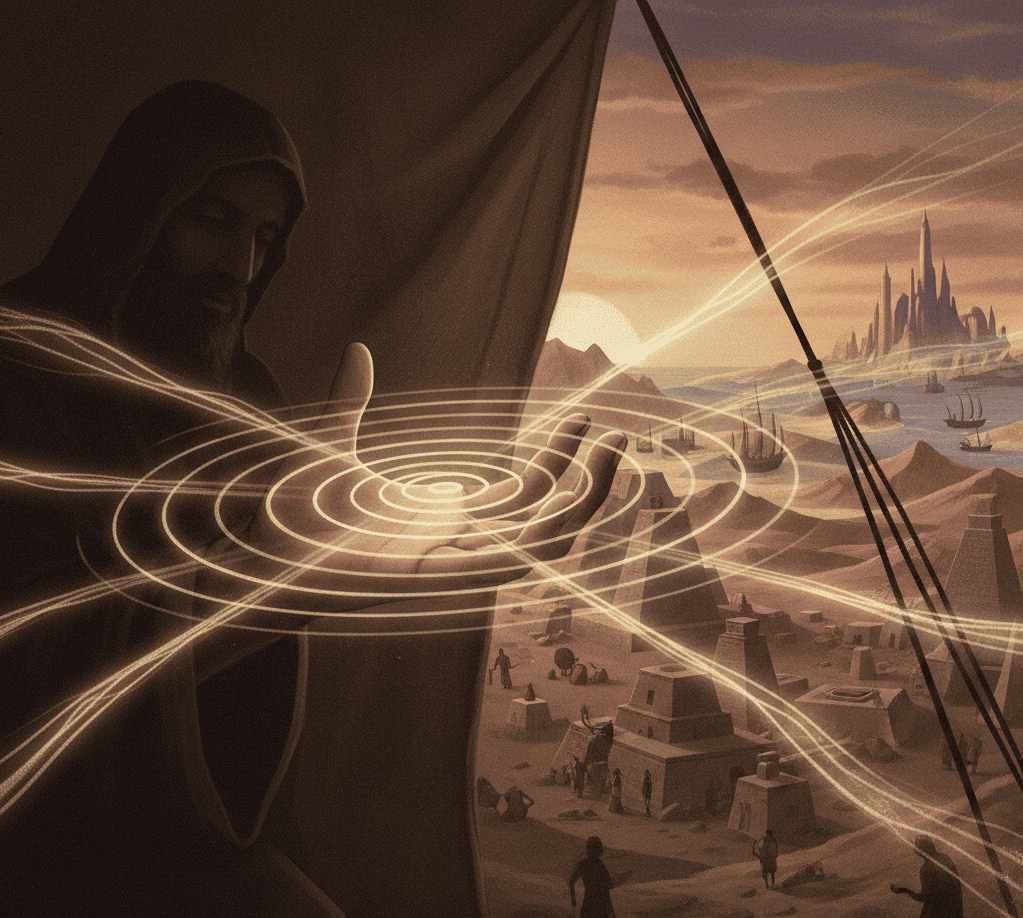
One of the most powerful themes in the story of Ham is how a single moment can influence future generations.
The brief incident in Noah’s tent led to words that shaped the destiny of an entire family line.
Whether understood as prophecy, consequence, or symbolic teaching, the story highlights the lasting impact of choices.
Ancient readers would have seen it as a warning about respect, responsibility, and self-control.
Even today, the account reminds readers that actions within families and communities can carry effects far beyond the present moment.

自出生以来,我一直感觉到自己与神灵有着紧密的联系。作为一名作家和导师,我的使命是帮助他人在最黑暗的时刻找到爱、幸福和内心的力量。