
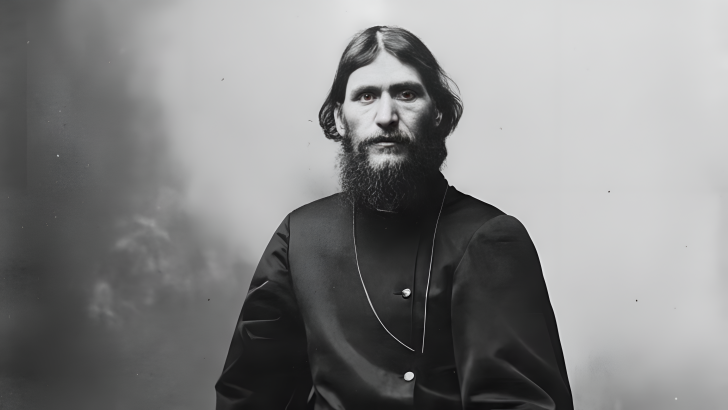
Few figures in history are as mysterious and notorious as Grigori Rasputin.
A peasant from Siberia, he rose to become a trusted advisor to the Romanov family, particularly Tsarina Alexandra, thanks to his reputation as a holy man and healer.
Rasputin’s influence over the Russian royal court sparked rumors, scandal, and fear among nobles, clergy, and commoners alike.
He became a symbol of the corruption, decadence, and instability that many associated with the final years of Imperial Russia.
Beyond politics, he is remembered for his incredible resilience. Stories claim he survived multiple assassination attempts before finally dying.
These ten facts explore Rasputin’s life, his strange influence over the Romanovs, and the legend that grew around the man who seemed impossible to kill.
1. He Came From Humble Origins
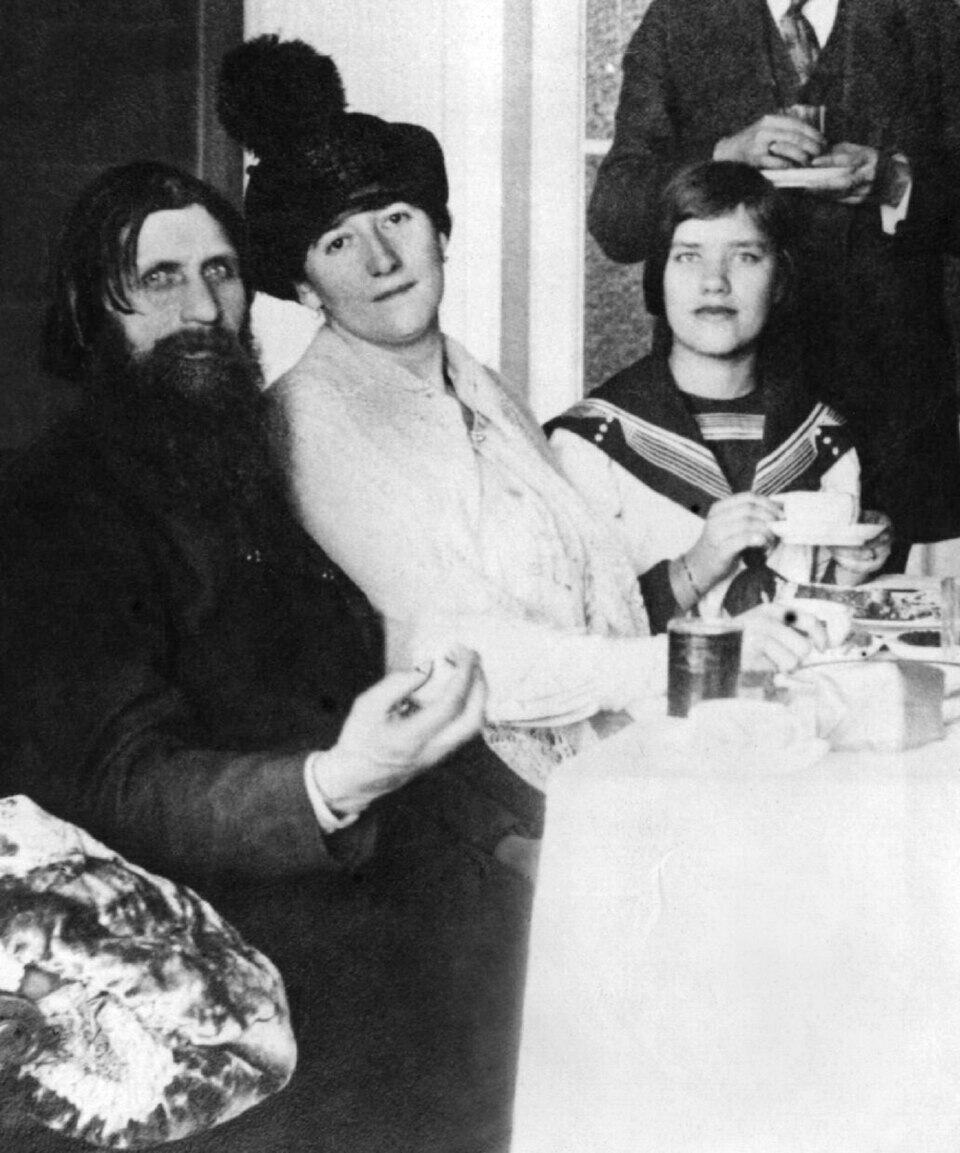
Grigori Rasputin was born in 1869 in a small Siberian village named Pokrovskoye. His family were peasants who lived a simple life focused on farming and Orthodox Christian traditions.
As a young man, Rasputin was known for being pious but also wild and difficult, often wandering and seeking spiritual experiences.
Eventually, he became a wandering mystic, claiming visions and healing powers. These early years shaped his reputation as a man touched by the divine.
Despite his humble beginnings, he would eventually enter the highest levels of Russian society.
His story demonstrates how charisma, religious mystique, and timing could allow someone from a modest background to gain influence far beyond their village.
2. He Became a Spiritual Healer
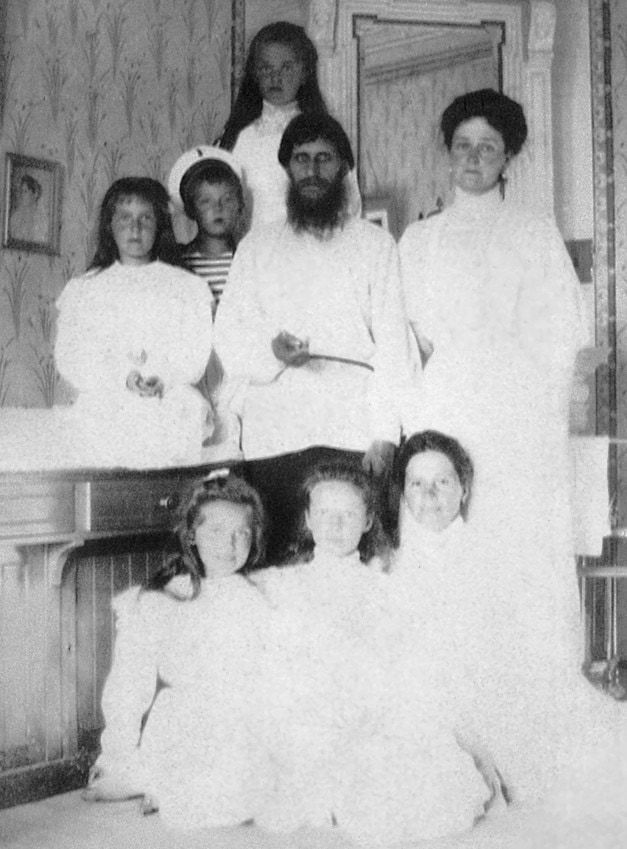
Rasputin’s rise to fame largely came from his reputation as a spiritual healer. He claimed to have the ability to cure illness through prayer, laying on of hands, and advice inspired by divine insight.
This reputation reached the Russian royal family when Tsarina Alexandra, desperate for help with her son Alexei’s hemophilia, invited him to the palace.
Rasputin’s presence seemed to ease the young boy’s suffering, earning the trust and devotion of the tsarina.
While some believed in his powers sincerely, others thought his abilities were exaggerated or fraudulent.
Regardless, his role as healer allowed him to become a central figure in the court.
3. He Gained Influence Over the Romanovs
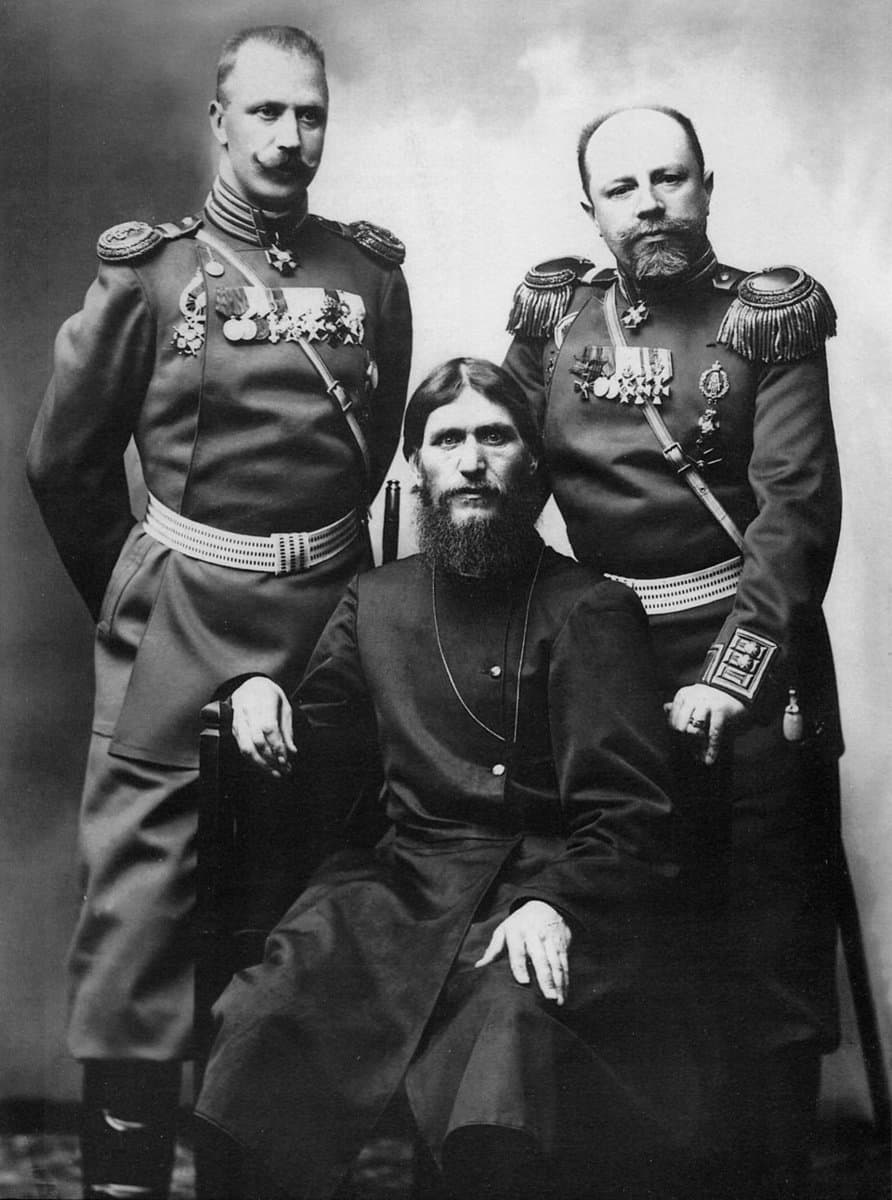
Once accepted into the royal circle, Rasputin quickly gained influence over Tsarina Alexandra and, indirectly, over Tsar Nicholas II.
Alexandra believed he had divine insight and often consulted him on personal and political matters.
This caused friction with ministers, generals, and nobles, who saw him as a dangerous and manipulative figure.
His ability to sway decisions and gain access to confidential matters made him a symbol of scandal and intrigue.
Rasputin’s influence reflected the tsarina’s desperation and trust rather than formal political power, yet it was enough to provoke widespread criticism.
His relationship with the royal family would shape his legacy and contribute to the public perception of the monarchy’s instability.
4. He Survived Multiple Assassination Attempts
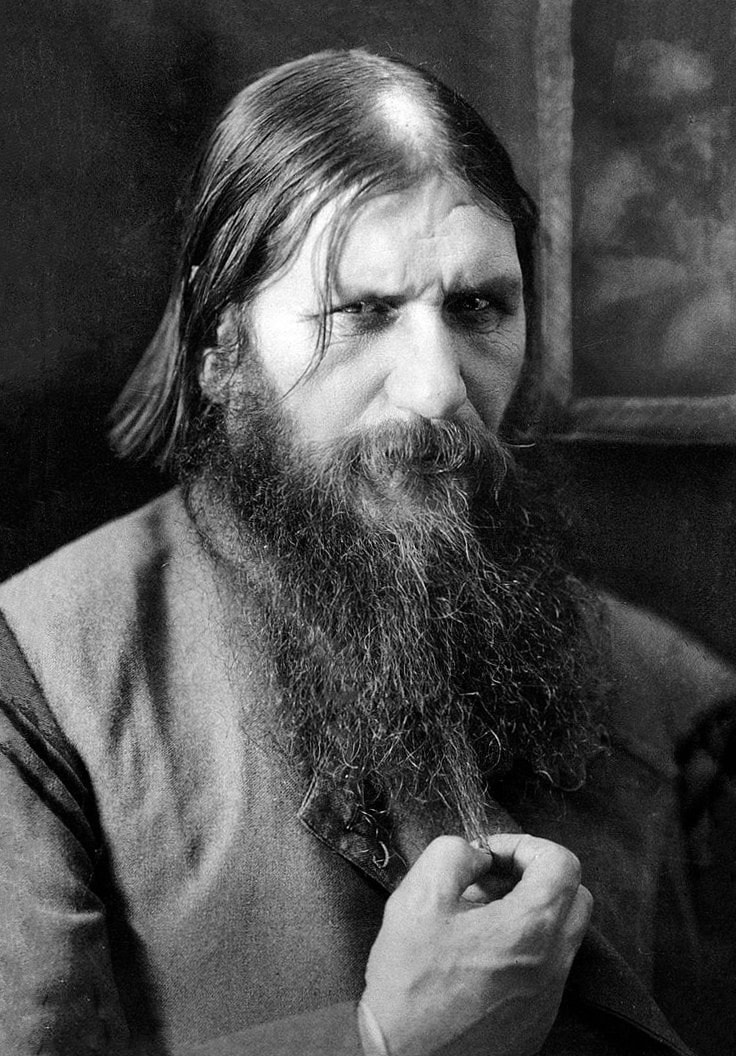
Rasputin became infamous for surviving several assassination attempts, which only increased his legendary reputation.
Nobles who opposed him tried poisoning, shooting, and even beating him, yet the stories claim he kept surviving.
According to accounts, one attempt involved cyanide that reportedly failed to kill him, followed by gunshots and a final drowning attempt.
While some of these stories were exaggerated or mythologized, they contributed to the idea that Rasputin had almost supernatural resilience.
This reputation made him both feared and fascinating. People began to see him as untouchable or divinely protected, which added to the legend of the man who refused to die.
5. His Life Was Surrounded by Scandal
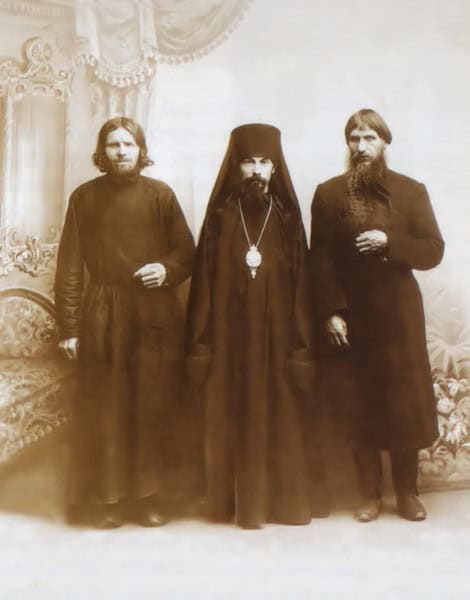
Rasputin’s reputation was not solely based on miracles and resilience. Rumors of sexual impropriety, manipulation, and indulgence in debauchery surrounded him.
He was said to have affairs with noblewomen and courtiers, and his behavior in social circles shocked traditionalists.
While some claims were likely exaggerated by enemies, the scandals fueled public outrage and distrust toward the royal family.
For many, Rasputin represented the corruption and moral decay of the Romanov court.
His personal conduct, whether fully true or partly slandered, became inseparable from his public persona, making him a controversial and notorious figure in Russian history.
6. He Played a Role in Russian Politics
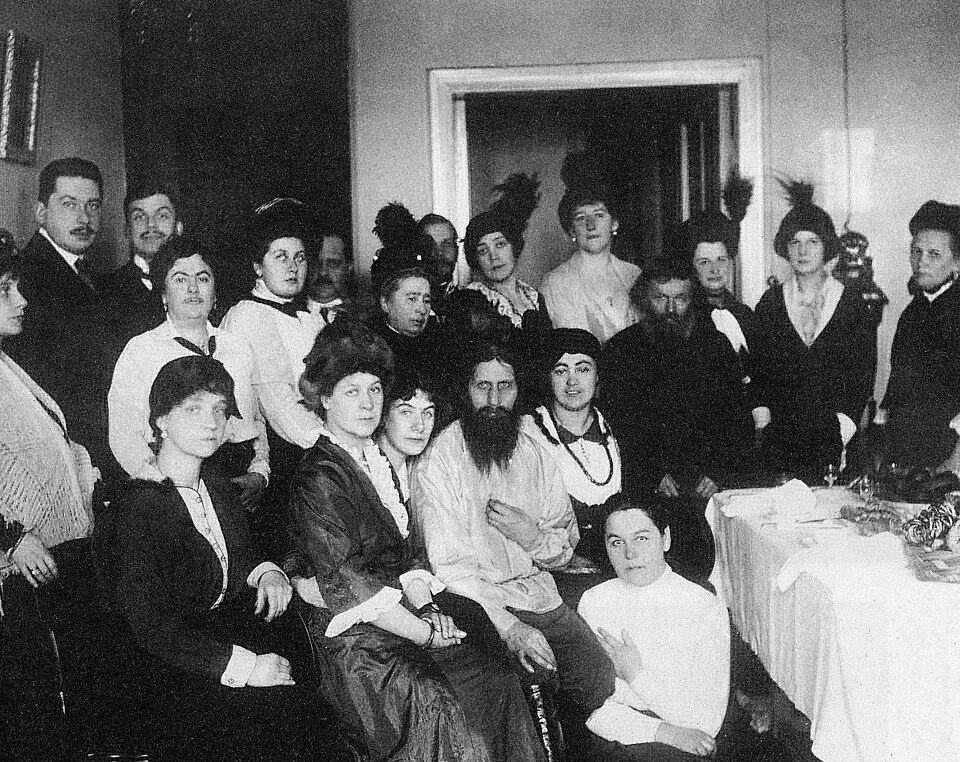
Although not an official politician, Rasputin influenced political appointments and decisions.
Ministers, generals, and even Tsar Nicholas II were reportedly affected by his recommendations or vetoes.
His interference during World War I, particularly in choosing ministers and military leaders, angered many and contributed to political instability.
Critics argued that Rasputin’s influence weakened Russia’s governance and contributed to the revolutionary sentiment that would soon engulf the country.
While his actual power is debated, his presence in political matters was enough to create fear and resentment among nobles and reformers, cementing his role as a symbol of corruption and dangerous influence.
7. He Was a Controversial Figure in the Church
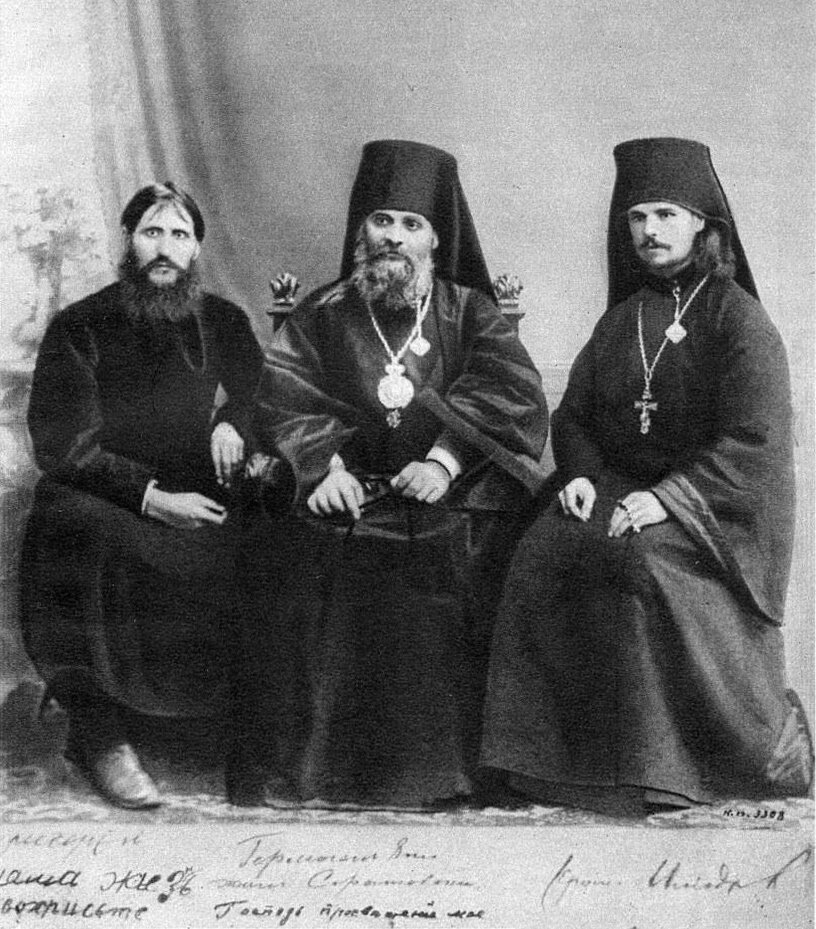
Although Rasputin was considered a holy man by some, he was viewed with suspicion by the Orthodox Church hierarchy.
Clergy criticized his lifestyle, unorthodox practices, and the influence he wielded over the tsarina.
Some called him a fraud or heretic, while others feared his spiritual authority undermined traditional church structures.
His complex relationship with the Church added another layer of intrigue to his life, making him both feared and revered.
The contrast between his alleged piety and scandalous behavior contributed to the enduring fascination with Rasputin and highlighted the tension between religion, politics, and society in early twentieth-century Russia.
8. His Death Was Legendary
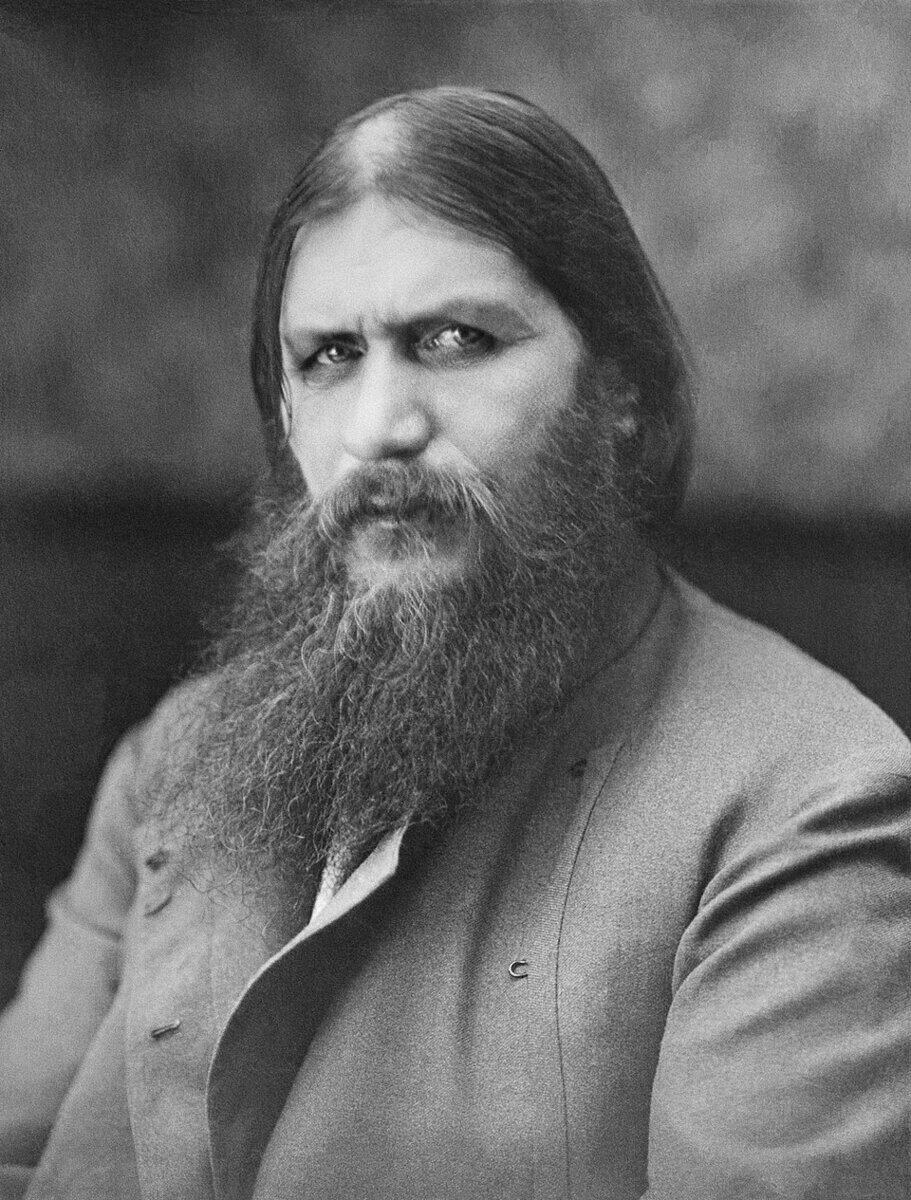
Rasputin’s death in 1916 is one of the most famous and sensationalized events in history.
Noble conspirators sought to end his influence and reportedly used poison, bullets, and ultimately drowning in the icy Neva River.
Some accounts claim he survived poison and gunshots before finally succumbing, feeding the myth that he was almost impossible to kill.
His dramatic death became a story that blended fact and legend, emphasizing his resilience and the fear he inspired among enemies.
The tale of his demise continues to be retold as an example of how his life and death blurred the line between myth, mystery, and historical reality.
9. His Legacy Inspired Myths and Literature
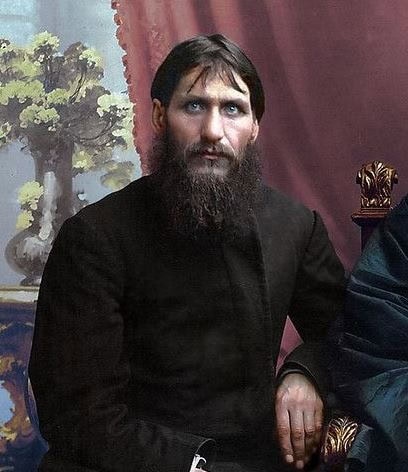
Rasputin’s extraordinary life inspired countless books, plays, films, and songs.
Writers were drawn to his mysterious persona, the rumors of supernatural powers, and his notorious role in the fall of the Romanovs.
From conspiracy theories to historical novels, Rasputin became a symbol of the enigmatic and dangerous mystic who could influence kings.
His story transcended Russian history, influencing popular culture worldwide.
The myths surrounding him often blur the line between truth and fiction, reflecting both the fear and fascination his life inspired.
This cultural legacy ensures that Rasputin remains one of the most intriguing figures in history.
10. He Remains a Symbol of Mystery and Resilience
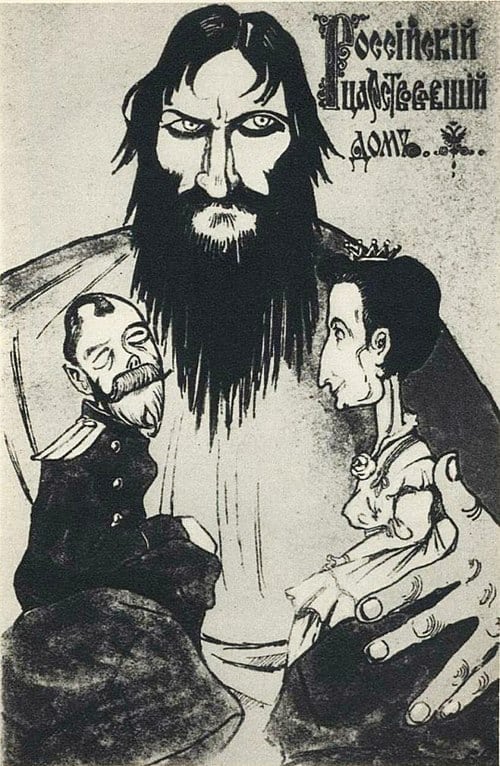
Today, Rasputin is remembered as a man whose life defies easy explanation.
He rose from obscurity to influence empires, survived violent attacks, and left a story full of intrigue, scandal, and legend.
Scholars continue to debate which parts of his life are factual and which are exaggerated or mythologized.
His combination of charisma, spiritual influence, and seeming invincibility makes him a symbol of mystery, resilience, and the dramatic turbulence of Imperial Russia.
Rasputin’s life story continues to captivate, proving that history often produces characters whose complexity and contradictions inspire fascination centuries later.

自出生以来,我一直感觉到自己与神灵有着紧密的联系。作为一名作家和导师,我的使命是帮助他人在最黑暗的时刻找到爱、幸福和内心的力量。