
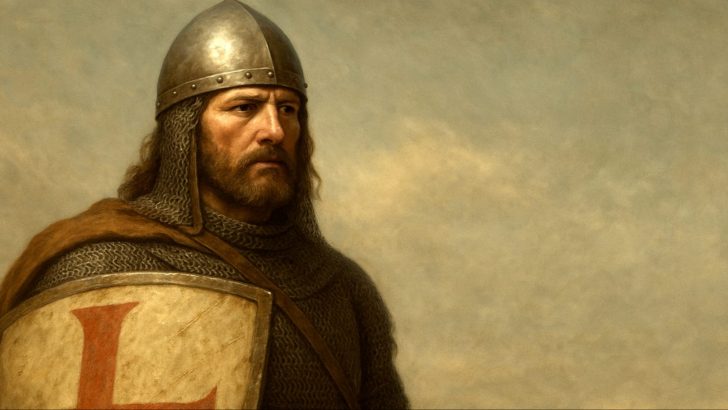
Throughout history, many brave rulers and missionaries risked everything to defend and spread Christianity. They understood the importance of spiritual battle.
From kings to emperors, saints to warriors, each of these figures played a crucial role in shaping a Christian world.
Their courage and determination continue to inspire believers to this day!
1. King Josiah
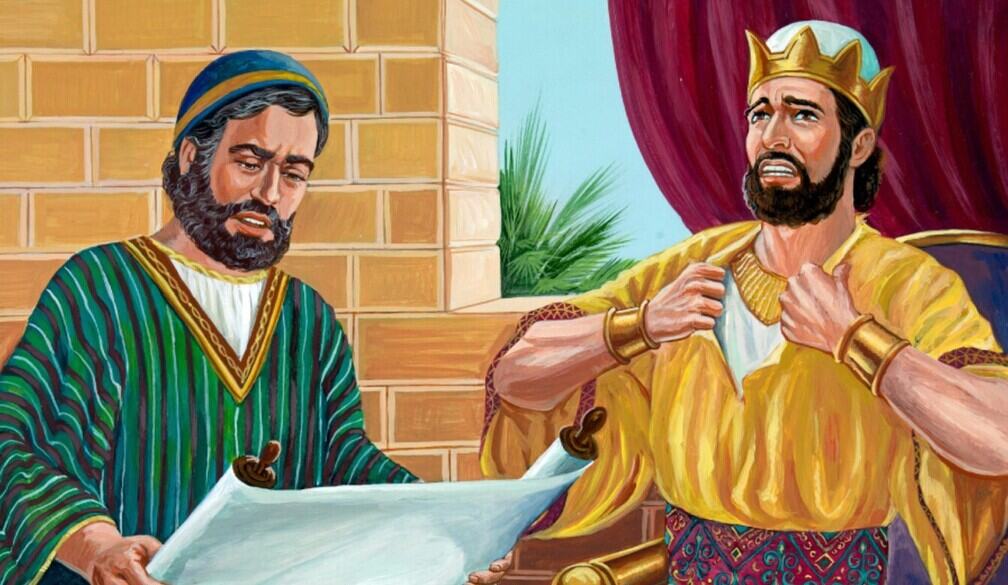
King Josiah of Judah was a young king with a burning passion for restoring true worship.
When he ascended to the throne, pagan practices and idol worship were rampant in Israel.
Driven by his faith, he led a major reform, tearing down pagan altars and purging the land of false gods.
His most notable act was the rediscovery of the Book of the Law, which sparked a nationwide spiritual revival.
Josiah’s unwavering dedication to God’s commandments made him a fierce defender of the faith.
His leadership proved that faithfulness to God can defeat spiritual darkness and bring renewal to a whole nation.
2. Constantine the Great
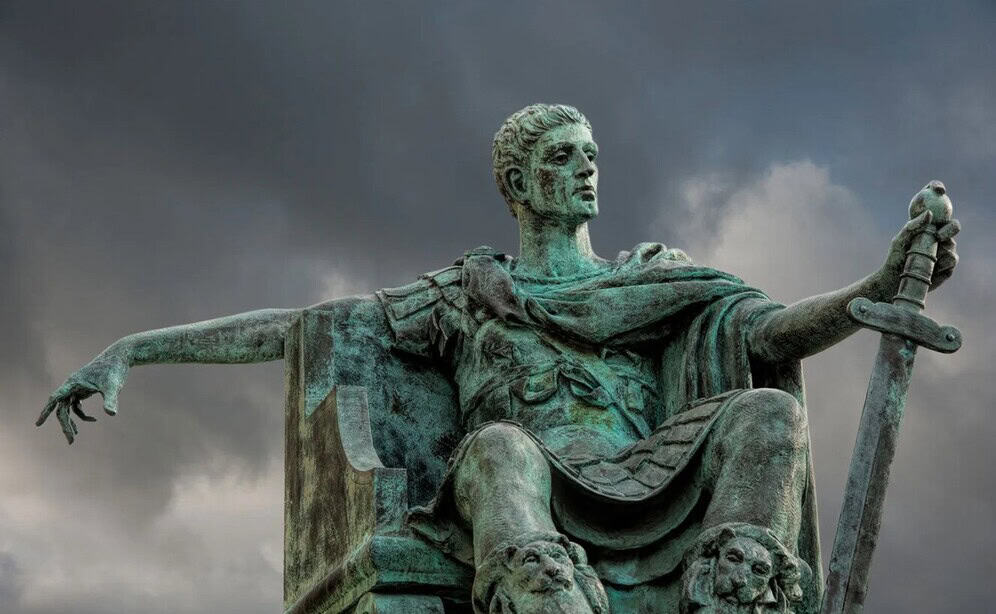
Constantine I single-handedly changed the course of Christian history.
He initially fought to protect the Roman Empire and its pagan traditions, but had a profound experience during the Battle of the Milvian Bridge.
Seeing a vision of the cross, he embraced Christianity and made it the favored religion of the empire.
Constantine’s Edict of Milan in 313 AD legalized the faith, breaking ages of pagan dominance. He also held the First Council of Nicaea, where Christian doctrine was unified.
Constantine fought hard to eradicate pagan practices from public life and promoted new values across the empire.
His leadership changed everything, establishing the faith in Christ as the dominant one in Europe and shaping the future of Western civilization.
3. St. Maurice
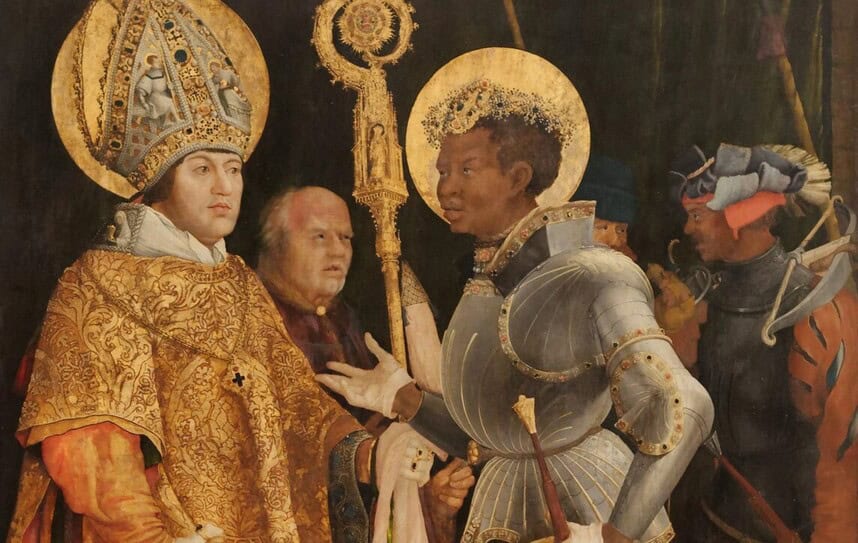
St. Maurice was a legendary Christian soldier and the leader of the Theban Legion.
Though he faced brutal persecution, Maurice refused to give up his faith, even when ordered to participate in pagan rituals.
When it was time to sacrifice to pagan gods, Maurice and his men firmly refused to betray their beliefs.
Their refusal to compromise their religion led to martyrdom, and they became symbols of faith and courage.
St. Maurice’s story reveals the pagan pressures people of the time endured, and his legacy inspired countless believers to remain strong under persecution.
4. Theodosius I
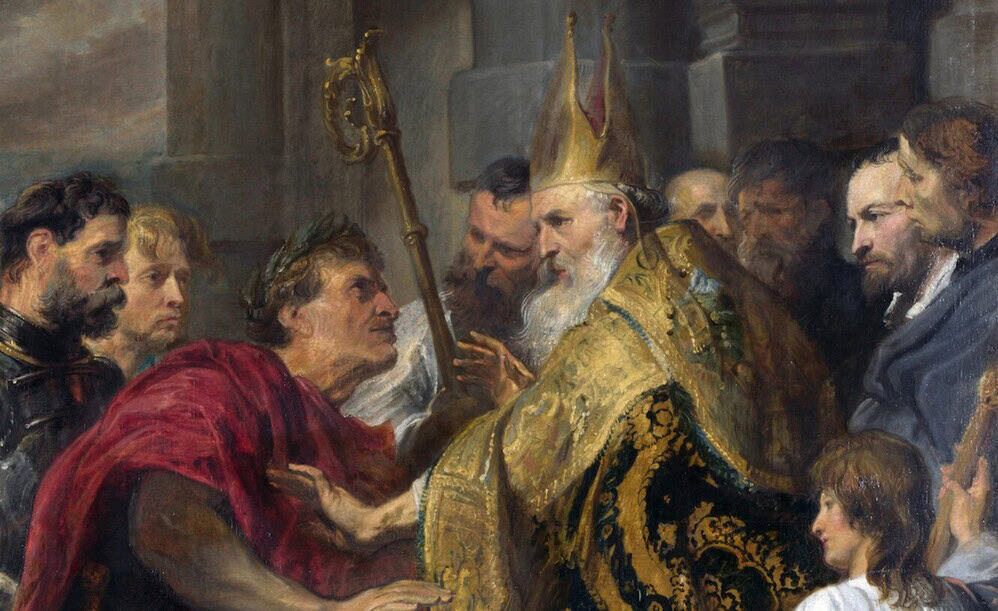
Emperor Theodosius I was a fierce defender of Christ’s teachings, who worked tirelessly to end pagan practices.
He declared Christianity the official state religion of the Roman Empire and took decisive action against pagan temples and practices.
Theodosius issued laws banning pagan sacrifices and shutting down temples, aiming to eradicate the old religion completely.
His efforts were both political and spiritual, as he aimed to establish the supremacy of the new faith.
His policies were controversial and cruel, and they marked a turning point in ending pagan dominance.
Theodosius fought with conviction, knowing that the future of the faith depended on his leadership.
5. Charlemagne
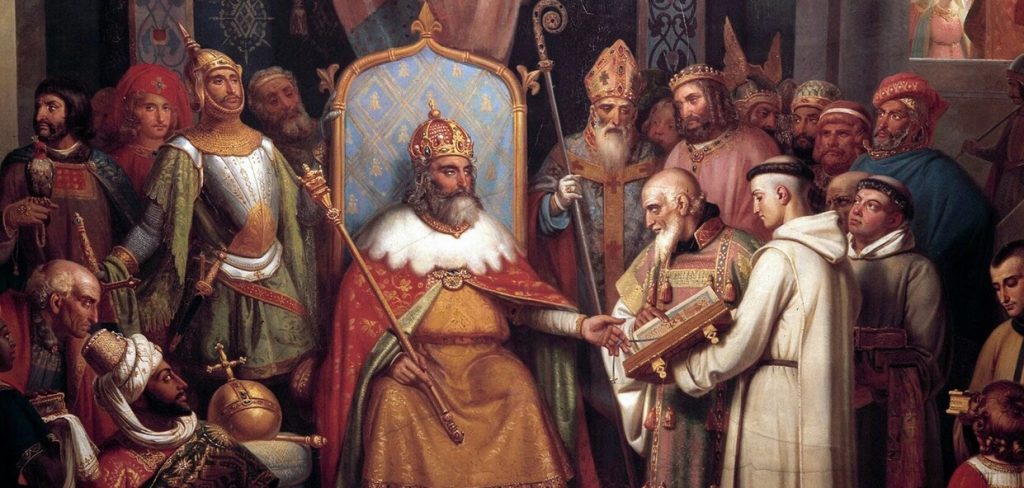
Charlemagne was a Christian warrior as much as he was a ruler.
He extended his empire through military campaigns, often clashing with pagan tribes and local rulers who refused to convert.
Charlemagne didn’t just conquer; he promoted Christian education, built churches, and supported the spreading of the faith.
He saw himself as a defender of Christendom, fighting paganism to unify Europe under new principles.
His efforts to convert Saxons and other tribes involved brutal campaigns.
His leadership was marked by faith and force, and he believed that with them, he could change the world.
6. Alfred the Great
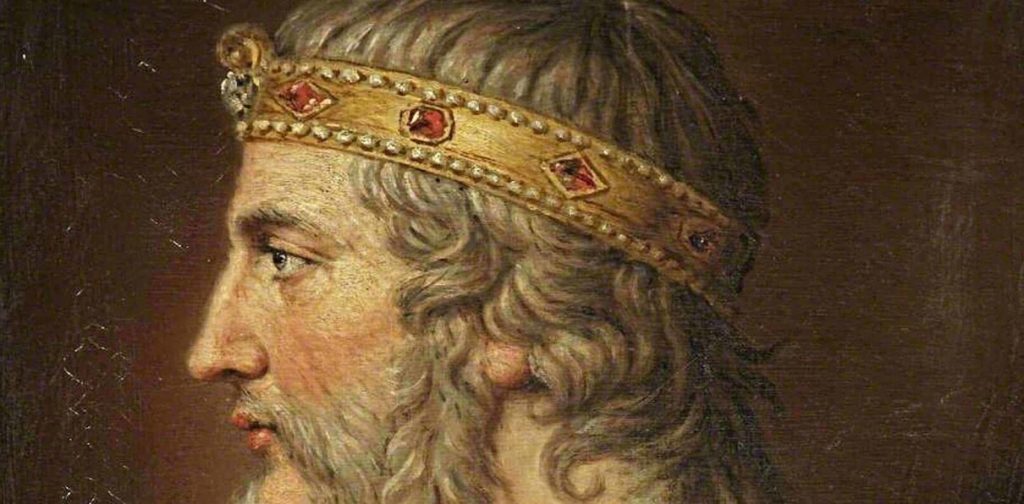
King Alfred of Wessex was a wise ruler who fought tirelessly against the Vikings. These pagan invaders threatened England’s Christian heritage.
He believed in the power of faith to unite his people against Viking brutality.
Alfred promoted the faith by building churches, supporting monks, and encouraging education rooted in biblical values.
When Vikings attacked, he led the fight to defend his kingdom, inspiring the people who followed him.
His leadership helped preserve the faith in England, and he saw himself as a defender of his people and their values.
7. Godfrey of Bouillon

Godfrey of Bouillon was a prominent leader during the First Crusade, fighting to reclaim Jerusalem from pagan and Muslim forces.
His faith drove him to risk his life for the holy city.
Godfrey refused to accept the title of king, choosing instead to be a defender of the Holy Sepulchre. His determination to fight the enemies of Christ and protect pilgrims was legendary.
He believed in the divine mission, inspiring Crusaders to keep fighting.
His relentless fight demonstrated that faith can be a bold, active force that confronts darkness directly.
8. Clovis I
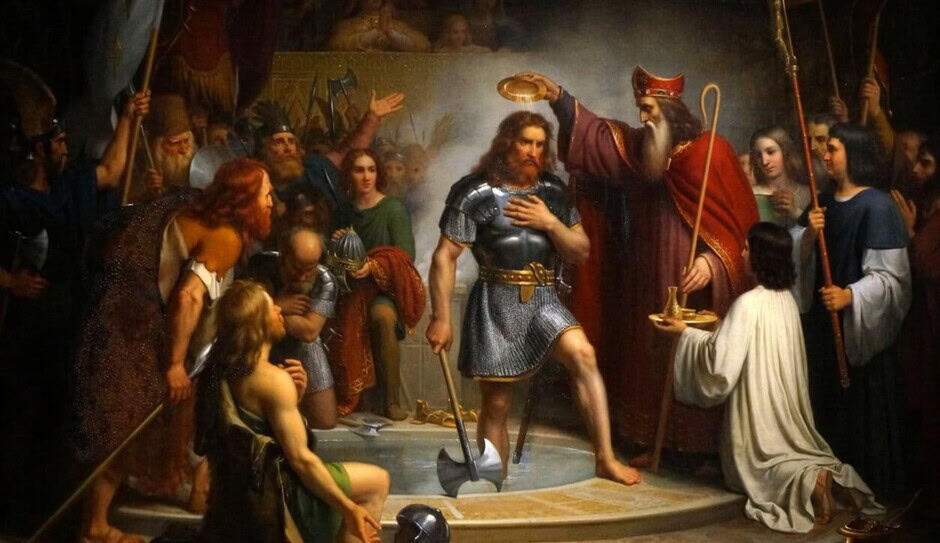
Clovis I was a barbarian king who converted to Christianity and changed the course of history.
After a major battle, he vowed to convert if he won, and he kept his word, becoming the first king of the Franks to embrace the new religion.
His conversion was a strategic move that united his people and gained the support of the Church.
Clovis fought to spread the faith among his tribes, often having to fight pagan rivals in the process.
His leadership helped Christianize large parts of Europe, laying the foundation for future kingdoms.

A little Aquarius, devoted to writing and embroidery. Through my writing, I hope to empower readers to align with their true selves and navigate life’s mysteries with confidence.