

Despite centuries of suppression, pagan heritage has stubbornly persisted and continues to influence modern beliefs.
This goes beyond old gods and festivals; pagan tradition is the essence of what makes a 文化 unique.
In many ways, paganism is the foundation of national identity, deeply woven into our history, holidays, and the collective consciousness.
Here’s why it’s great that we refuse to let these traditions go!
1. Ancient Roots
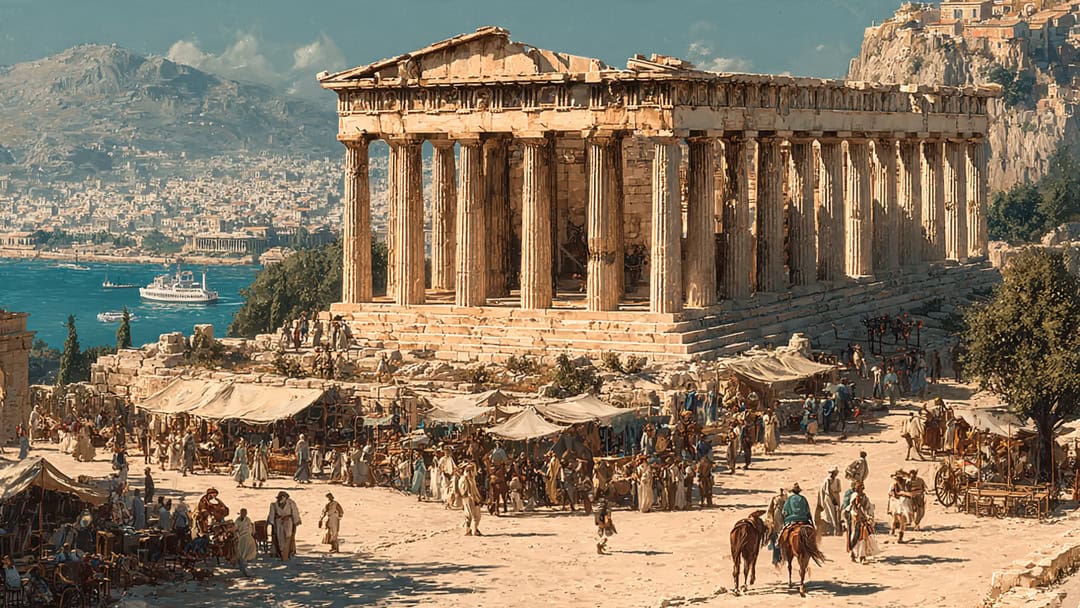
Paganism has formed the bedrock of every civilization. Each tribe has developed its own beliefs that shaped its culture and worldview.
These beliefs dictated festivals and moral values. Think of the Mesoamerican, European, African and all other peoples with their distinct cultures.
他们的 environment and lifestyle shaped their myths, which in turn shaped the way these civilizations developed.
Even after monotheistic religions became dominant, these ancient roots remained beneath the surface. They’re part of cultural DNA, and they’re passed down through generations.
When we celebrate Christmas, Valentine’s Day, Easter, or even May 1st, we’re echoing pagan rituals that have been woven into our history for centuries.
They’re living proof of how history and heritage shape our collective identity.
2. Christianity and Pagan Tradition
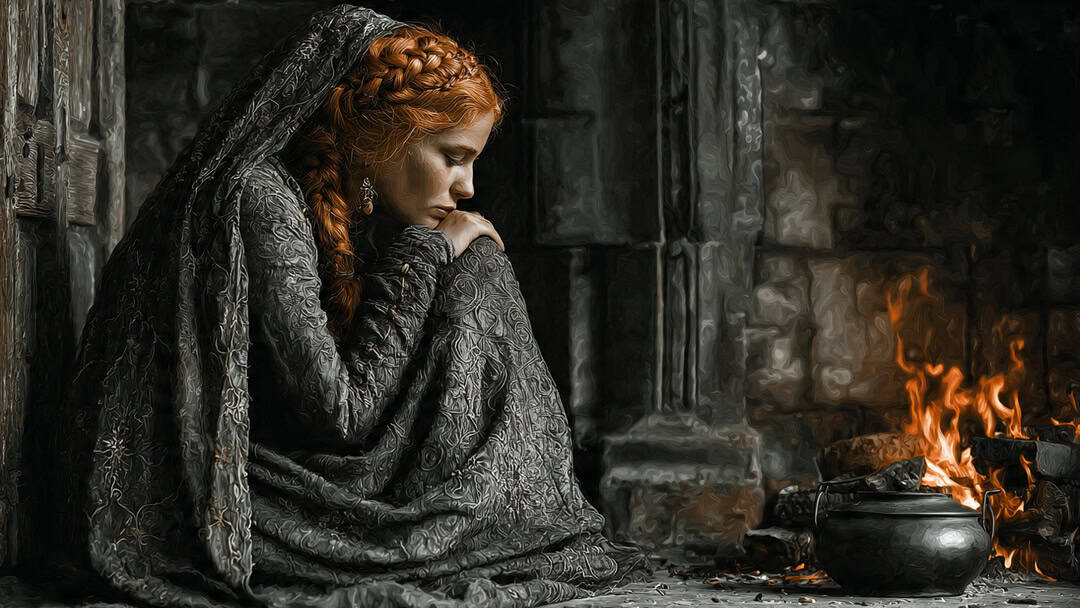
Christianity grew and spread amid pagan cultures. The Christian church routinely adopted and transformed local pagan traditions to ease conversion.
For instance, Christmas aligns with the winter solstice celebration, and Easter coincides with spring fertility rites.
These adaptations allowed Christianity to integrate into local customs, making it easier for communities to accept the new faith.
Many Christian symbols that are popular to this day are directly borrowed from paganism – holly, Yule logs, rabbits, eggs, etc.
The idea that Christianity can ever fully replace pagan myths is a fantasy, though a number of netizens claim that’s what they would like.
Such wishes lack insight, and I’d dare day reason, since removing paganism would mean removing all that makes nations and cultures unique.
In a way, it would mean removing culture.
3. Cultural vs. Religious Identity
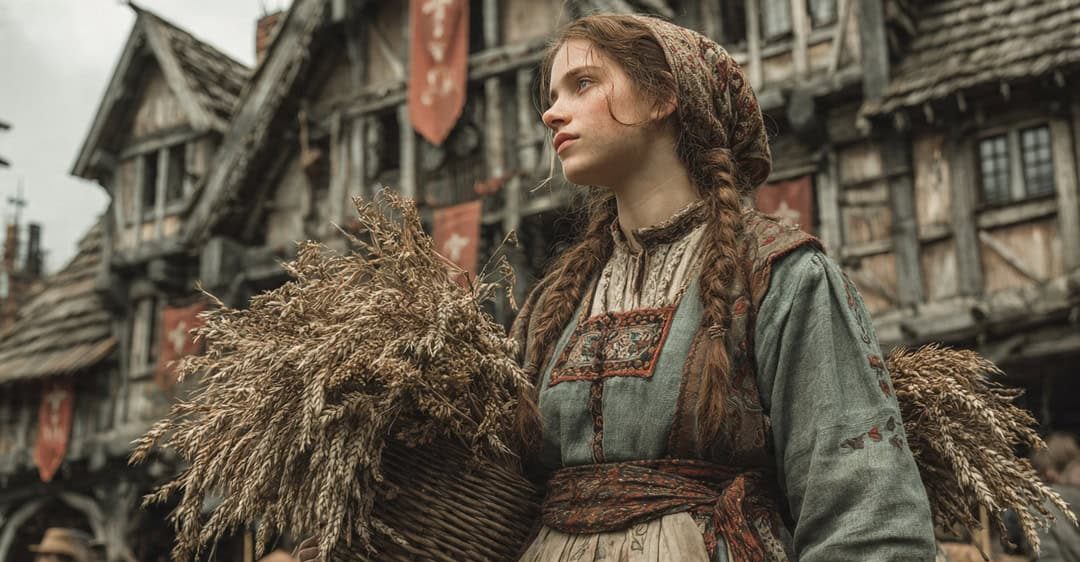
Some online voices claim that paganism is evil and that we should practice “pure” religion, and they seem to be confusing religion with cultural identity.
Christianity, especially in Europe, is often mistaken for an ethnic mark, when it’s just a faith.
Pagan traditions, on the other hand, are embedded in the essence of a nation’s history and prehistory.
These aren’t just religious practices; they’re expressions of a people’s worldview, connection to 自然,以及 ancestral memory.
Removing these traditions would be like erasing your own culture.
A nation’s culture entails the entire historical and mental landscape that shapes its people’s identity. Religion alone can never do that.
4. The Resilience of Paganism

Despite efforts to suppress pagan practices, they have persisted. Paganism lives on in folklore, celebrations, dances, and even subconscious cultural habits.
In the Nordic countries, midsummer celebrations still honor ancient gods and spirits. In Slavic regions, pagan motifs echo in art, music, architecture, and food.
Greek traditions survive alongside the Christian, blending the old with the new.
Pagan heritage isn’t just a quaint relic; it’s an integral part of each of these cultures.
These traditions reinforce national identity and mentalities that have endured centuries of change and upheaval.
5. The Diversity of Cultural Heritage
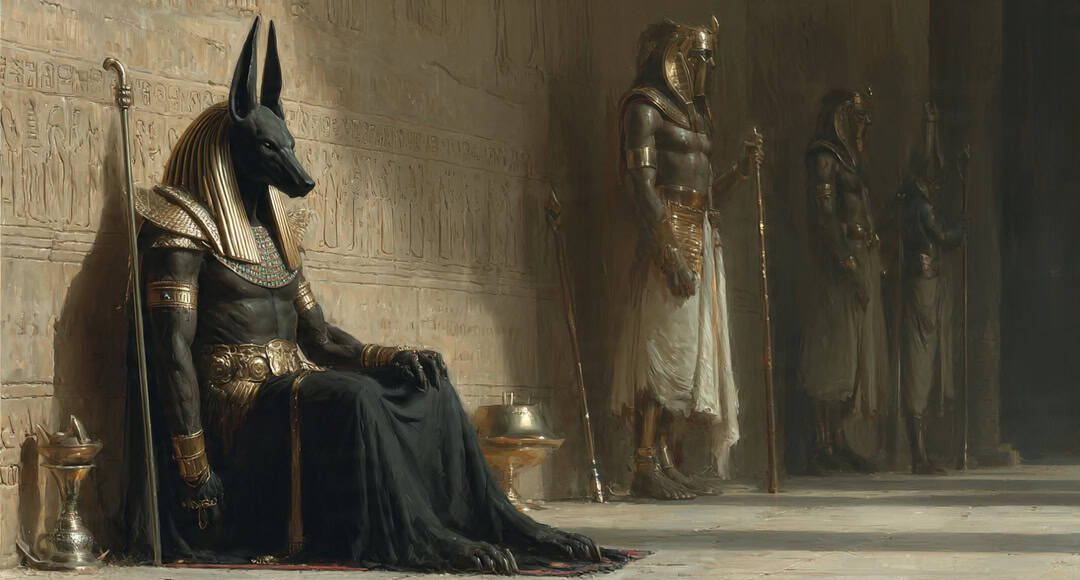
Every culture that has managed to preserve its pagan roots displays unique traits that set it apart.
Yule festivals, rain dances, and indigenous elements are all blended with Christianity.
These are the very traditions that give each culture a distinctive flavor, connecting the present to its rich prehistory.
This way, paganism fosters a sense of pride and belonging.
Without pagan roots, many of these traditions would lose their authenticity and depth.
It’s precisely the mixture of pagan and Christian influences that creates the rich diversity we see worldwide.
6. Paganism as a Source of Mentality

Pagan traditions often emphasize harmony with nature and respect for ancestors. These values shape the mentality of the people who keep them alive.
For instance, Norse and Celtic paganism highlight resilience, independence, and a deep connection to the land.
These mentalities continue to influence modern cultural attitudes and social structures; they might even shape political views.
If these traditions are suppressed, something essential is lost: an understanding of our place in the natural world and our shared history.
Paganism offers a worldview shaped by balance and continuity. It inspires and grounds modern societies in a way foreign religion never could.
7. Pagan Doesn’t Equal Evil

It’s common to hear that pagan practices are evil, but this perception comes from historical prejudice and misunderstandings.
These rituals celebrate nature and the seasons, and nothing about them is necessarily negative. They’re expressions of connection and respect.
However, they do clash with the monotheistic worldview that’s separate from nature and concerned with rigid morality.
From this perspective, you might understand how a rowdy seasonal festival might appear immoral.
Still, labeling these practices as evil ignores their cultural and spiritual significance. Demonizing paganism only brings ignorance and cultural loss.
Most of these traditions are simply ways of connecting to the world and ancestors.
8. Preserving Cultural Identity

In a globalized world, cultural diversity is already under threat. When paganism is dismissed, we lose a vital part of our heritage.
These traditions act as anchors to our 古代智慧 and worldview.
Preserving them enriches understanding across cultures, since all pagan traditions have certain things in common.
This doesn’t mean rejecting Christianity, Islam, or any other religion; we simply need to acknowledge that these pagan roots are intertwined with our identities.
It ensures that future generations inherit a world rich in history, meaning, and cultural variety.
I’m sure most of us can agree: those are definitely worth protecting.
9. Why Pagan Tradition Is Here to Stay
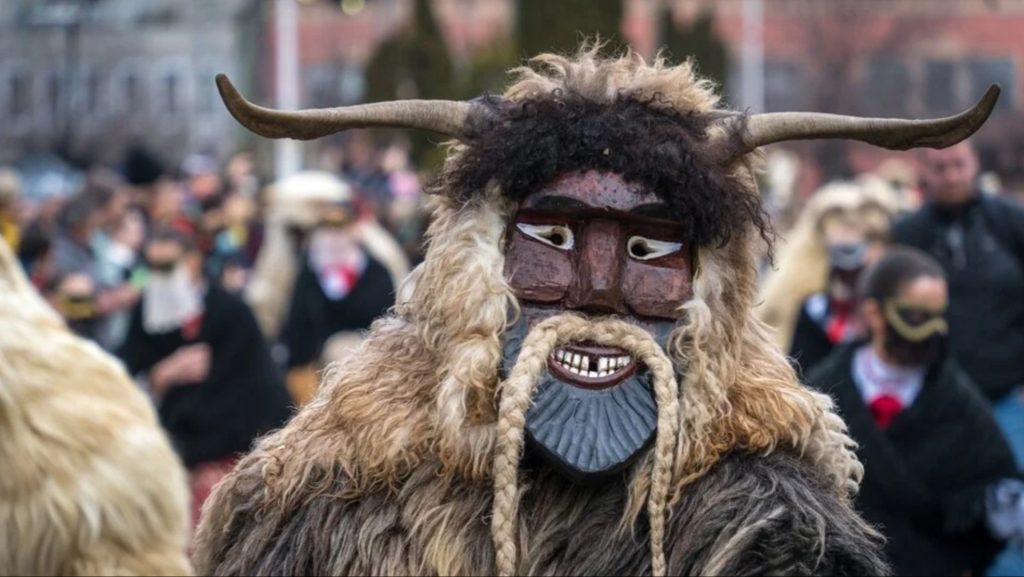
Pagan traditions are woven into our collective consciousness, so they’re not going anywhere.
They survive because they speak to fundamental human experiences: nature, seasons, life cycles, and ancestral memory.
Modern paganism and revived practices show that these traditions are still very relevant.
They serve as a reminder of our roots and culture, through its many phases.
Our history is a tapestry of influences, and pagan heritage is a crucial thread.
It continues to inspire and define cultural identities, and remains far from being obsolete.

A little Aquarius, devoted to writing and embroidery. Through my writing, I hope to empower readers to align with their true selves and navigate life’s mysteries with confidence.