

When most people hear the word Vikings, they picture towering warriors with braided beards, longships cutting through icy seas, and dramatic battle scenes that look like they came straight out of a fantasy movie. For a long time, historians assumed many of these stories were exaggerated legends told to make the Norse sound more terrifying than they really were.
But here’s the funny twist: modern archaeology keeps discovering that some of the “wild Viking myths” were actually… pretty accurate. It turns out that the Norse people were not only fierce explorers and warriors but also deeply spiritual, adventurous, and surprisingly advanced for their time.
From epic voyages across the Atlantic to a belief system full of powerful gods like 奥丁神 和 雷神, many of the legendary tales surrounding Viking life have turned out to contain more truth than fiction. Here are some of the myths that historians once doubted—but now know were real.
1. Vikings Really Did Discover North America Before Columbus
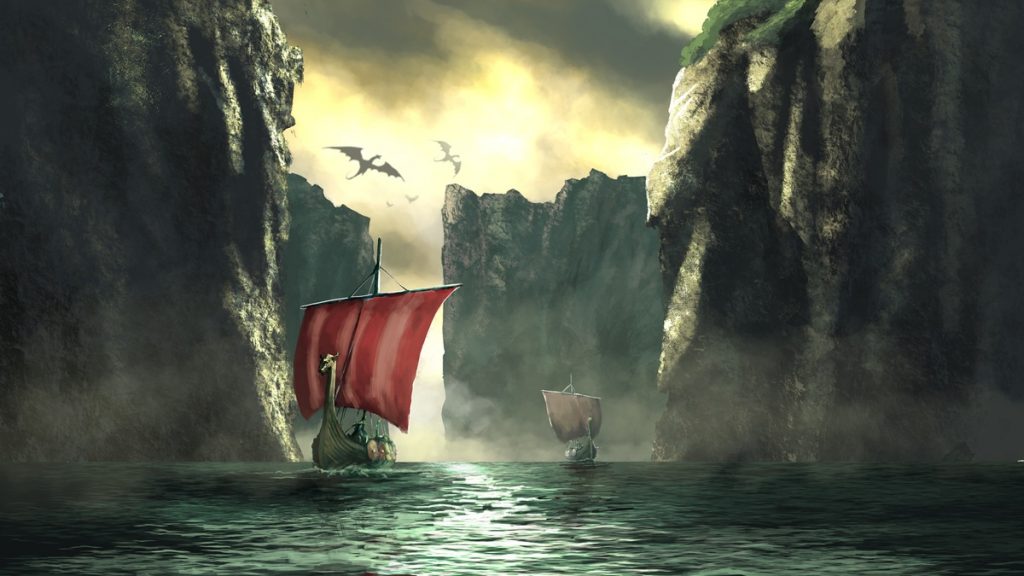
For centuries, the idea that Vikings reached North America long before European explorers sounded like an adventurous myth. Many scholars believed the stories in Norse sagas were simply heroic folklore meant to glorify Viking explorers.
Then archaeologists made a groundbreaking discovery in Newfoundland, Canada. At L’Anse aux Meadows, they uncovered the remains of a Norse settlement dating back to around the year 1000. That’s nearly 500 years before Christopher Columbus sailed across the Atlantic.
The site included Viking-style buildings, ironworking tools, and clear evidence of Norse craftsmanship. This confirmed that Viking explorers—likely led by Leif Erikson—did in fact reach the North American continent.
The spiritual aspect of this is fascinating too. Viking culture believed exploration was guided by fate and the will of the gods. Their journeys weren’t just about conquest; they were also seen as part of a destiny shaped by divine forces.
So yes—the legendary Viking voyages across the ocean weren’t just stories. They were real adventures written into history.
2. Viking Women Had More Power Than People Thought
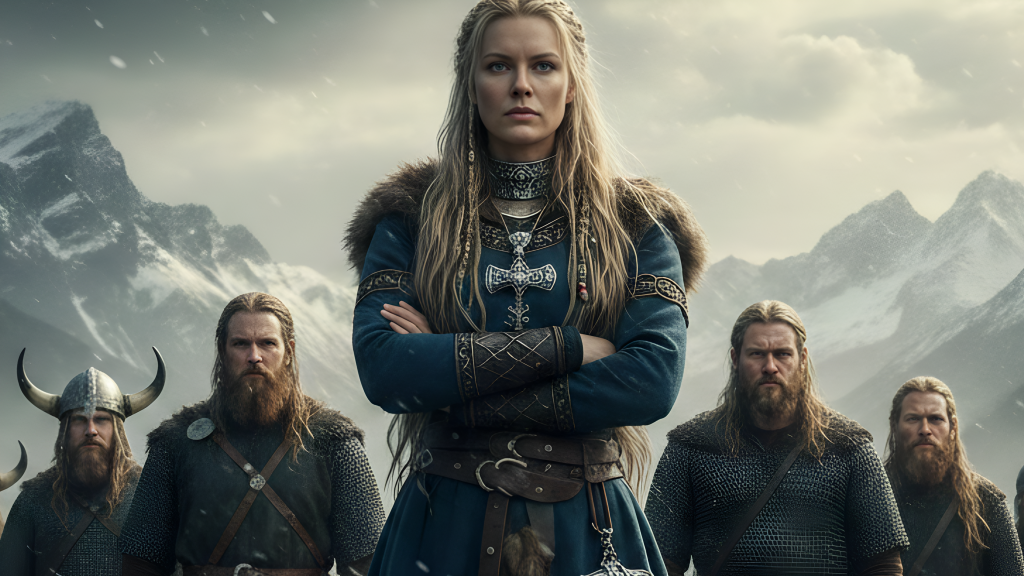
For a long time, historians assumed Viking society was strictly male-dominated. The common image showed men fighting in battles while women stayed home managing households.
However, archaeological discoveries have complicated that story. Viking women actually held more independence and authority than many women in other parts of medieval Europe. They could own property, inherit wealth, initiate divorce, and manage farms or businesses.
Even more intriguing is the discovery of graves that suggest female warriors may have existed. One famous burial site in Sweden, originally assumed to belong to a male warrior, was later confirmed through DNA analysis to belong to a woman.
While the idea of the legendary Valkyries choosing fallen warriors for the afterlife may be mythological, it reflects a culture that respected female strength and spiritual authority.
In other words, Viking women weren’t just background characters in history—they were powerful figures shaping their communities.
3. Vikings Were Deeply Spiritual
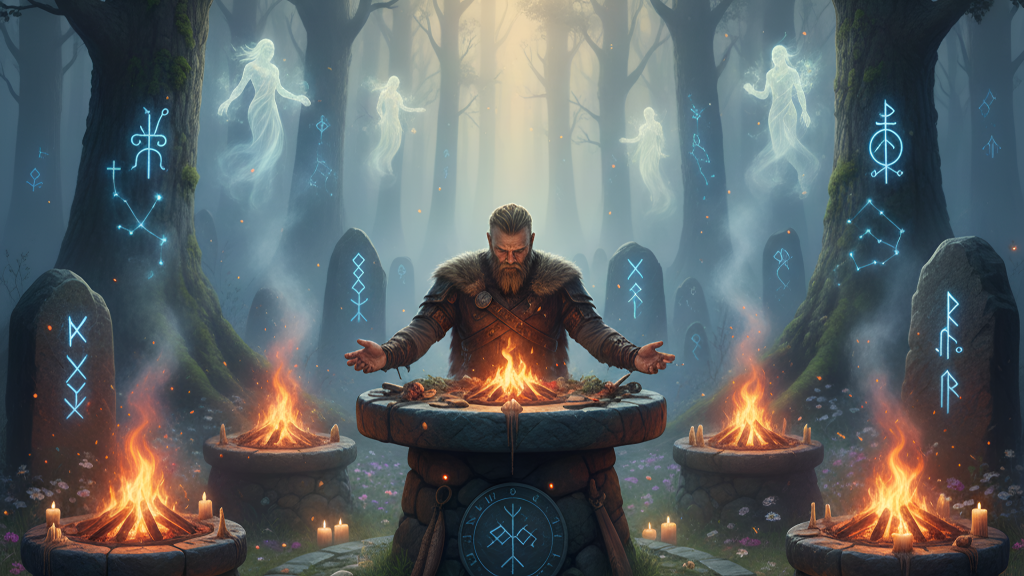
Another myth about Vikings was that they were simply violent raiders with little interest in philosophy or spirituality. In reality, their culture was deeply connected to myth, ritual, and the unseen world.
The Norse belief system, often called Norse Paganism, involved a complex cosmology with multiple realms connected by the cosmic tree Yggdrasil. According to their beliefs, the universe was an intricate web linking gods, humans, giants, and spirits.
Vikings believed fate played a powerful role in life. The mysterious Norns were said to weave the destiny of every person, including the gods themselves.
Spiritual practices included rituals, sacrifices, seasonal celebrations, and the use of runes for guidance or divination. In other words, Viking life wasn’t just about battles and exploration—it was also about understanding one’s place in a vast cosmic story.
Their worldview blended courage with acceptance of fate, which is partly why Viking legends feel so powerful even today.
4. Vikings Were Incredible Shipbuilders
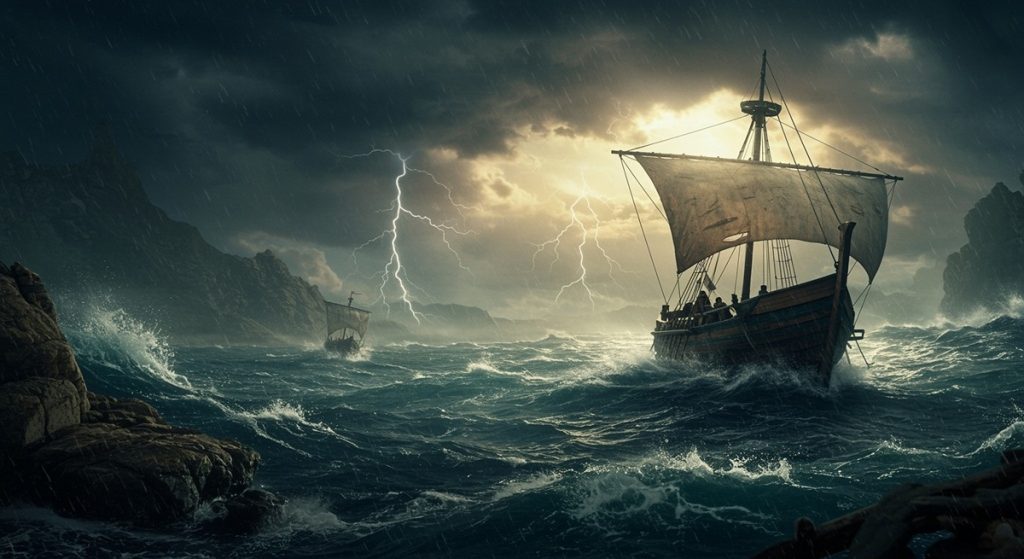
The legendary Viking longships once sounded almost mythical in their capabilities. Stories described vessels that were fast, flexible, and able to travel across both open oceans and shallow rivers.
Modern research has confirmed that Viking shipbuilding technology was remarkably advanced. Their famous Longship design allowed them to travel incredible distances while remaining agile and lightweight.
These ships were built using overlapping wooden planks, a technique called clinker construction. This made the vessels strong yet flexible enough to handle rough seas. At the same time, their shallow draft allowed them to sail up rivers or land directly on beaches.
This engineering genius explains how Vikings managed to explore so widely—from Scandinavia to the British Isles, parts of Europe, the Mediterranean, and even North America.
It’s almost poetic when you think about it. Their ships weren’t just transportation—they were symbols of freedom, exploration, and the Viking belief that the world was meant to be discovered.
5. Vikings Really Believed in an Epic End of the World
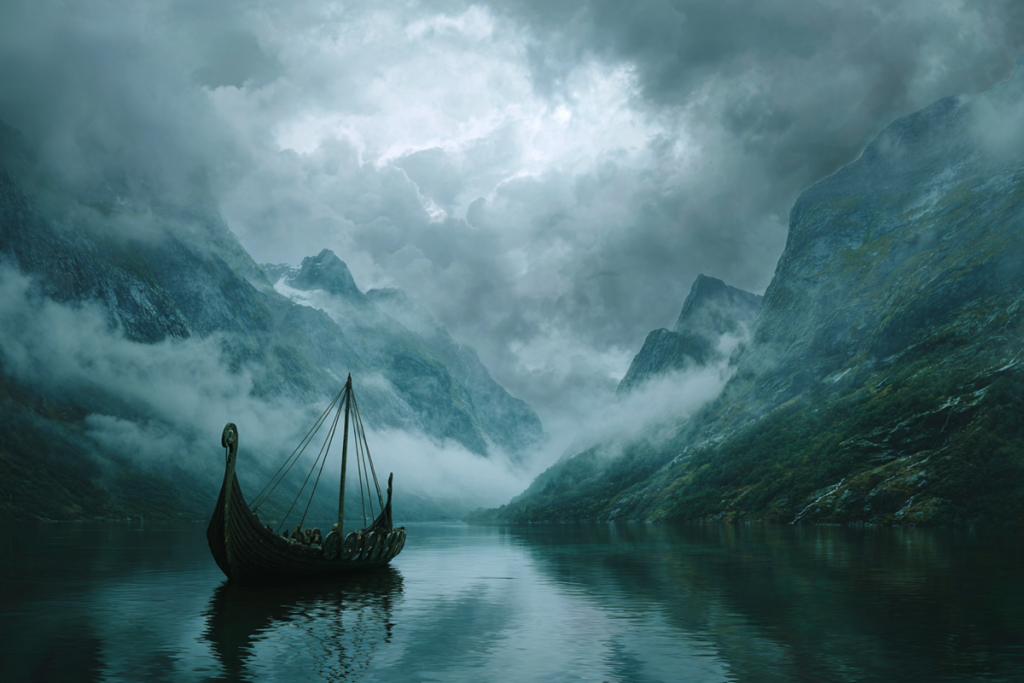
Perhaps one of the most dramatic elements of Viking mythology is the prophecy of Ragnarök, the catastrophic battle that would eventually destroy the world and many of the gods.
For a long time, scholars assumed this story was simply symbolic or exaggerated folklore. But historical evidence suggests that Vikings genuinely believed this cosmic event was part of their spiritual worldview.
According to Norse mythology, Ragnarök would involve massive natural disasters, the death of gods like 雷神 和 奥丁神, and a final battle between divine forces and chaos.
But interestingly, Ragnarök wasn’t just about destruction. After the devastation, the world would be reborn—green, peaceful, and renewed.
This belief reveals something surprisingly philosophical about Viking culture. They understood that endings and beginnings are connected, a theme that appears in many spiritual traditions.
In other words, even their vision of the apocalypse carried a message of transformation and renewal.

Lover of good music, reading, astrology and making memories with friends and spreading positive vibes! 🎶✨I aim to inspire others to find meaning and purpose through a deeper understanding of the universe’s energies.