
Trees in the Bible aren’t just background scenery—they’re practically main characters with deep spiritual symbolism, dramatic storylines, and, honestly, better plot development than some people. From the very beginning, trees represent life, wisdom, temptation, healing, and divine promises. They witness humanity’s highest moments and its most questionable decisions (looking at you, forbidden fruit situation).
Spiritually, trees remind us of growth, rootedness, and connection between heaven and earth. They don’t rush, they don’t panic, and yet they play crucial roles in shaping faith and history. So let’s take a walk through scripture’s most iconic trees—the ones that didn’t just stand there looking pretty, but actually changed everything.
1. The Tree of Life
Ah yes, the original symbol of eternal vibes. The Tree of Life appears in the Garden of Eden and represents immortality, divine connection, and pure, uninterrupted harmony with God. Basically, it’s what humanity 曾经 before everything got… complicated.
Spiritually, this tree is about alignment with divine energy—living in a state where nothing is missing, broken, or chaotic. And then, of course, humanity said, “Let’s try something else,” and access to it was lost. Classic.
But the story doesn’t end there. The Tree of Life reappears in the Book of Revelation, symbolizing restoration and eternal life. So even though we fumbled the opportunity early on, the spiritual message is clear: what was lost can be regained. Growth is a full-circle moment, not a one-time chance.
2. The Tree of the Knowledge of Good and Evil
This is the tree that launched a thousand theological debates—and one very famous bad decision. The Tree of the Knowledge of Good and Evil represents moral awareness, free will, and the moment humanity chose independence over obedience.
Spiritually, this tree isn’t just about “breaking rules.” It’s about the human desire to understand, control, and define reality on our own terms. It’s giving “I’ll figure it out myself” energy—and then realizing maybe we didn’t think it through.
But here’s the deeper truth: this tree represents growth through experience. Yes, it led to hardship, but it also opened the door to wisdom, accountability, and spiritual evolution. Sometimes, the path to understanding isn’t clean—it’s messy, human, and full of lessons we didn’t plan to learn.
3. The Fig Tree (Adam and Eve’s Cover-Up)
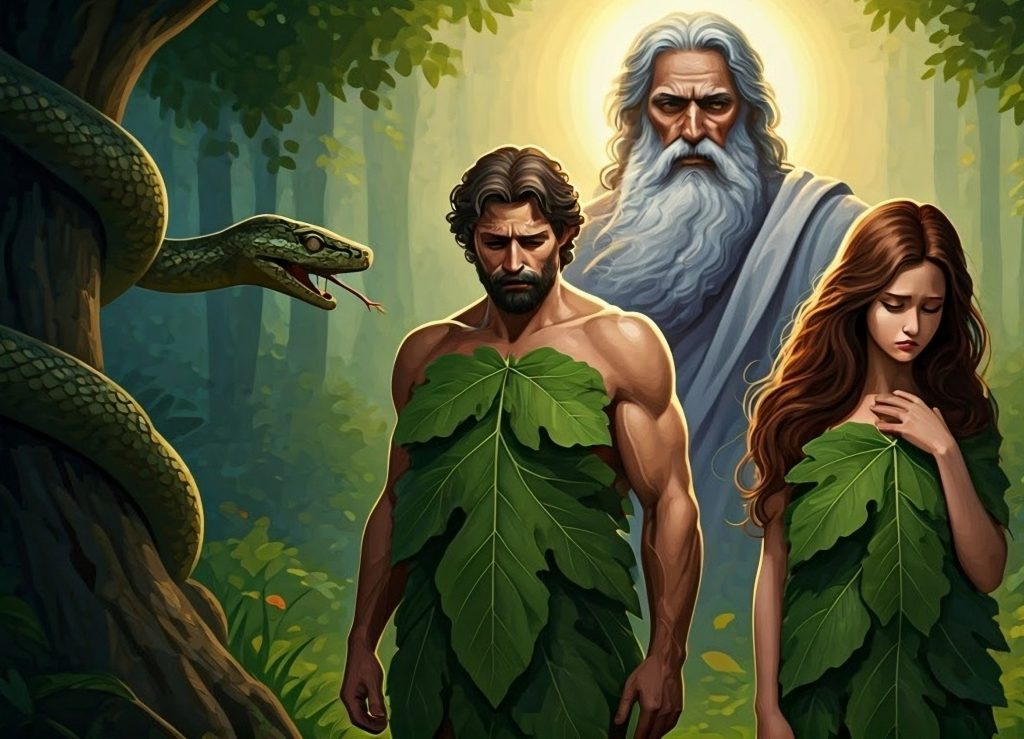
After the whole forbidden fruit situation, Adam and Eve suddenly became very aware… and very concerned about their wardrobe. Enter the fig tree, whose leaves became the first attempt at damage control.
Spiritually, the fig tree here represents human instinct to hide, cover up, and fix things on our own after making mistakes. It’s the ancient version of pretending everything is fine when it very much is not.
But the deeper message? You can’t truly heal what you’re trying to hide. The fig leaves didn’t solve the problem—they just delayed the conversation. Growth begins when we stop covering up and start being honest, even when it’s uncomfortable.
Also, let’s be real: fig leaves as an outfit choice? Bold. Questionable, but bold.
4. Noah’s Olive Tree (Olive Leaf)
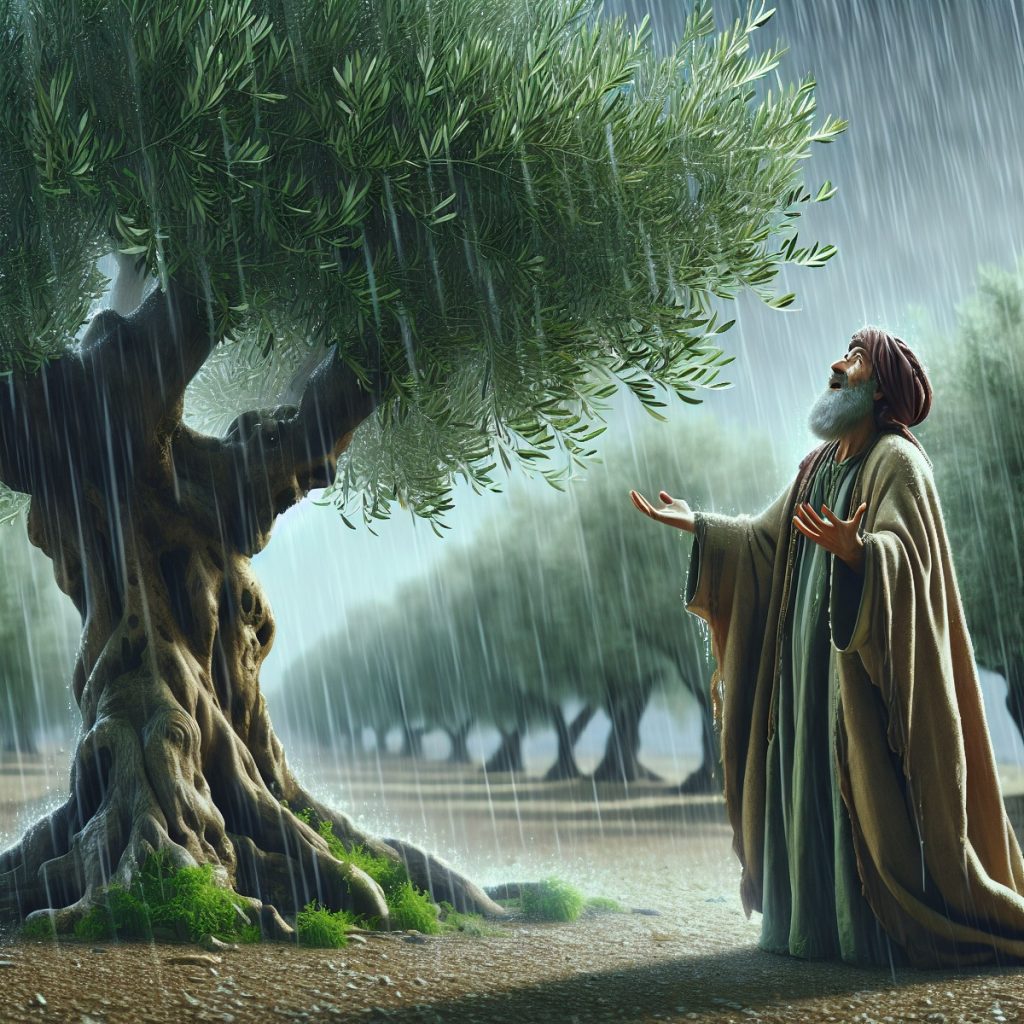
After the flood, when everything was chaos and uncertainty, a dove returned to Noah with an olive leaf. Not a full tree, but enough to say: “Hey, life is coming back.”
Spiritually, the olive tree represents peace, renewal, and hope after destruction. It’s the ultimate “things are getting better” sign from the universe.
This moment reminds us that even after the most overwhelming storms, restoration begins quietly. Not with a grand announcement, but with a small, undeniable sign.
The olive tree continues to symbolize reconciliation and divine promise throughout scripture. It’s basically the biblical equivalent of a deep exhale after holding your breath way too long.
5. Abraham’s Oak of Mamre
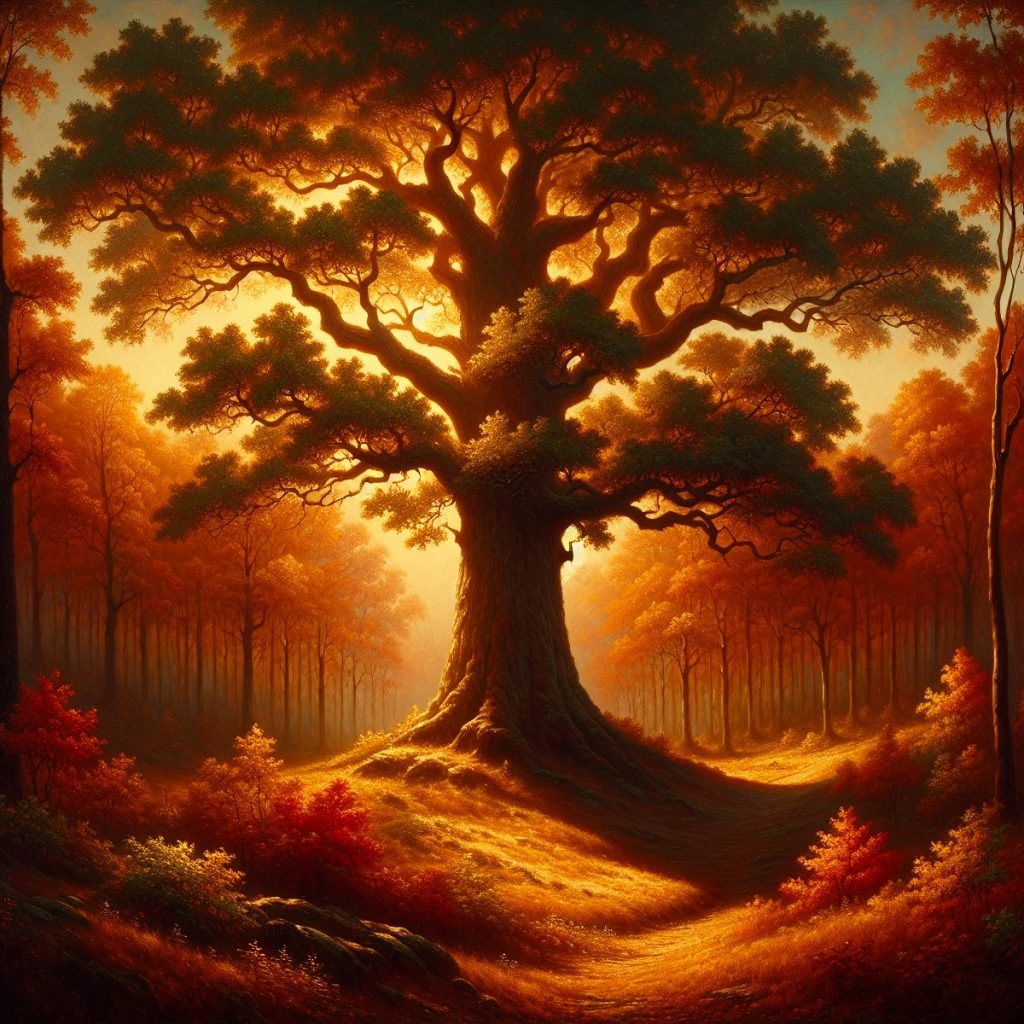
Abraham often set up camp near great trees, but the oak of Mamre stands out as a place of divine encounter. It’s where he welcomed mysterious visitors (angels, in disguise) and received life-changing promises.
Spiritually, this tree represents hospitality, openness, and being ready for divine moments—even when they show up unexpectedly. Abraham didn’t know who his guests truly were at first, but his willingness to welcome them changed everything.
The message here is simple but powerful: how you treat “ordinary” moments can open the door to extraordinary blessings. Sometimes, divine encounters don’t come with a dramatic introduction—they just show up, waiting to see how you respond.
6. The Burning Bush (Yes, It Counts)
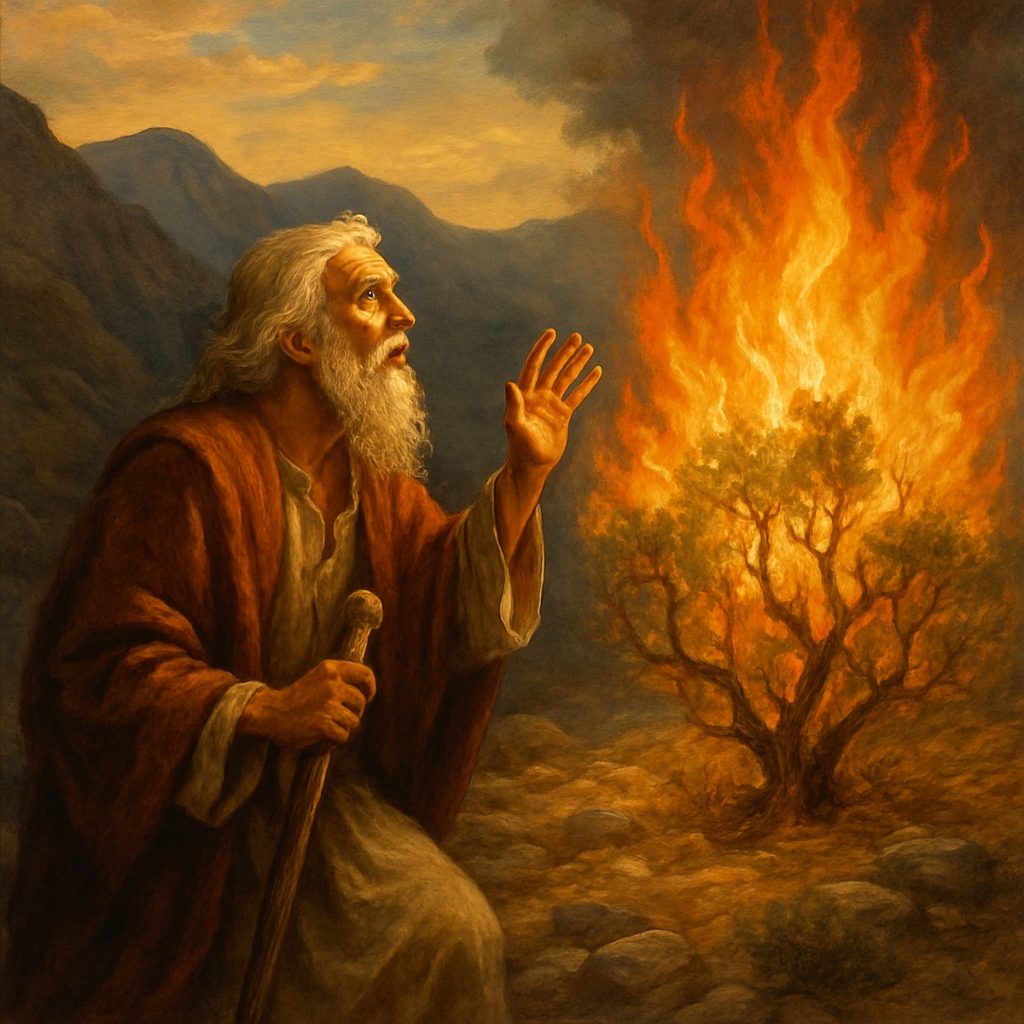
Okay, technically not a tree—but spiritually, it’s in the same botanical category, and it’s too important to ignore. This is where Moses encounters God in a bush that burns without being consumed.
Spiritually, this represents divine presence, calling, and transformation. It’s the moment where everything changes—and also where Moses is like, “Are you sure you’ve got the right person?” Relatable.
The burning bush reminds us that purpose often finds us when we least expect it, and usually when we feel least qualified. Growth begins when we step toward the calling, even if we’re unsure.
Also, imagine seeing a plant on fire that just… keeps going. That’s not subtle. That’s divine urgency.
7. The Palm Tree

Palm trees appear throughout the Bible as symbols of victory, righteousness, and flourishing under pressure. They grow in harsh environments but still thrive—basically the definition of resilient energy.
Spiritually, the palm tree represents strength with grace. It bends but doesn’t break, stands tall without arrogance, and continues to grow even in difficult conditions.
It’s also associated with celebration and triumph, reminding us that endurance leads to joy. You don’t go through challenges for nothing—there’s purpose in the process.
If the palm tree had a motto, it would be: “Stay rooted, stay flexible, and keep thriving no matter what.”
8. The Mustard Tree
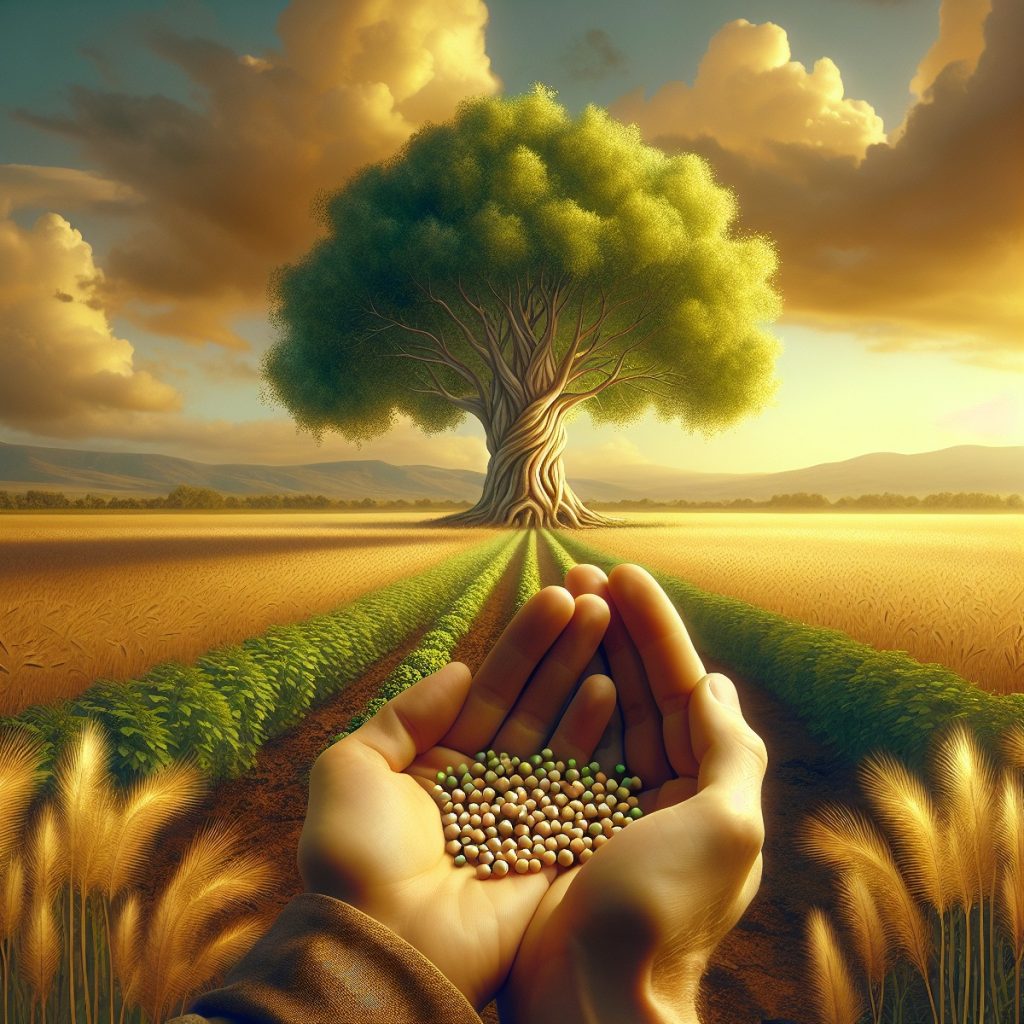
The mustard seed is tiny—almost laughably small—but it grows into a large tree where birds can rest. Spiritually, this is one of the most powerful metaphors for faith.
It’s about starting small and trusting that growth will come. You don’t need massive certainty or perfect conditions—just a little faith and a willingness to nurture it.
The message here is comforting: your beginnings don’t determine your outcome. Even the smallest step, belief, or effort can grow into something far greater than you imagined.
Also, it’s a subtle reminder that big things often start quietly. Not everything needs to be dramatic to be meaningful.
9. The Sycamore Tree (Zacchaeus’ Climb)
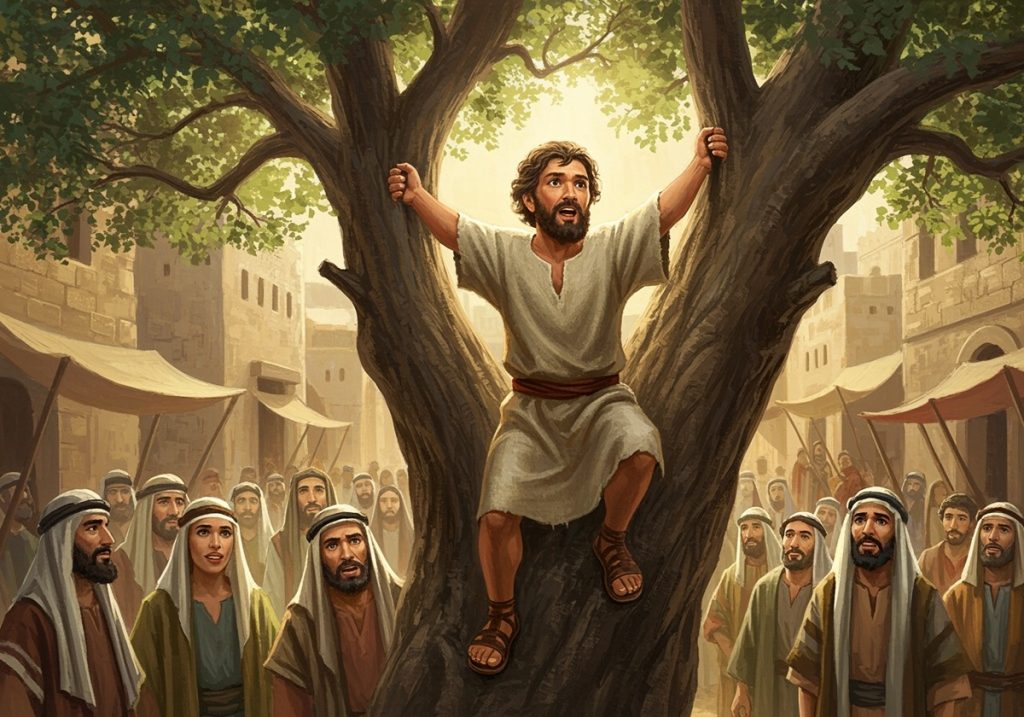
Zacchaeus climbed a sycamore tree just to catch a glimpse of Jesus—and ended up having a life-changing encounter.
Spiritually, this tree represents effort, curiosity, and the willingness to rise above obstacles (and crowds) to seek something greater. Zacchaeus didn’t let his limitations stop him—he got creative.
The lesson? Sometimes, spiritual growth requires you to step outside your comfort zone and do something a little unexpected. Climb the metaphorical tree. Take the extra step. Make the effort.
And the beautiful part? That effort didn’t go unnoticed. What started as curiosity turned into transformation.
10. The Cross (The Ultimate Tree)
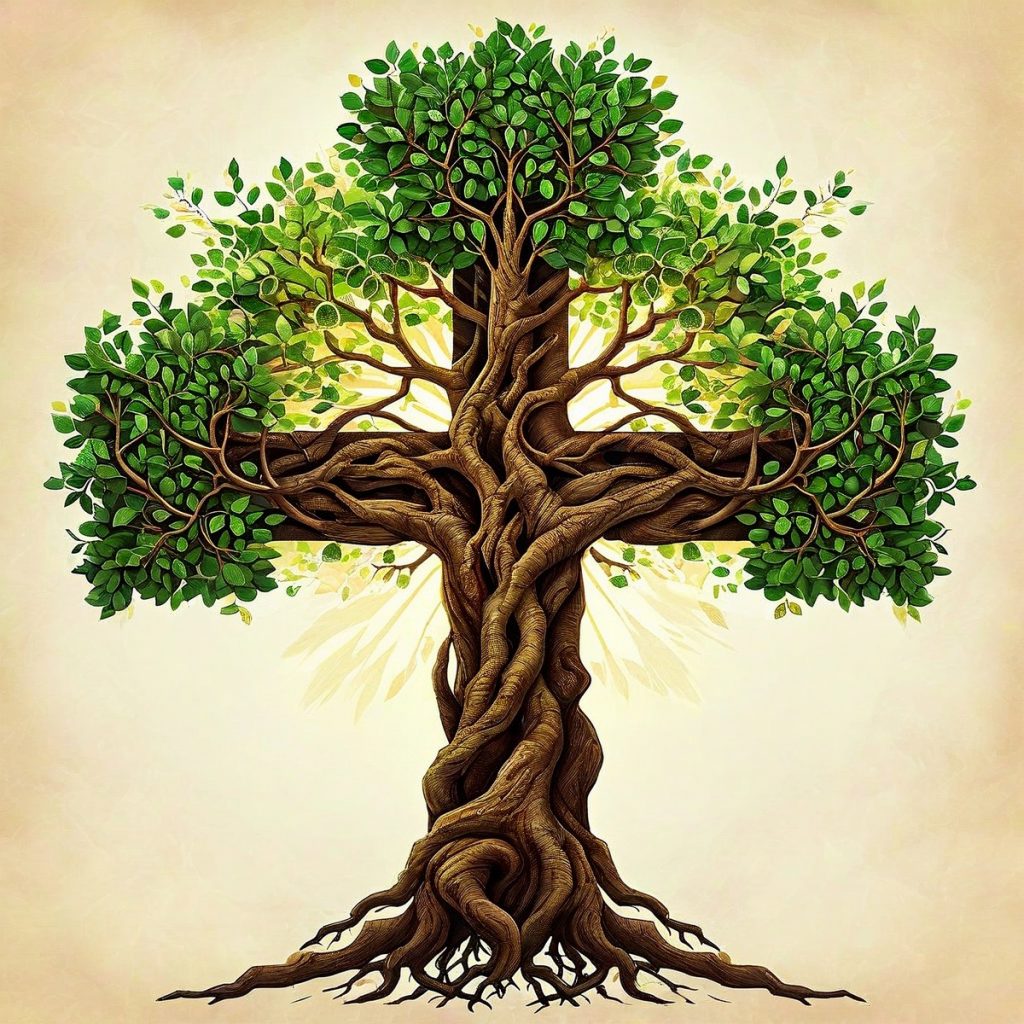
The cross, often referred to as a “tree” in scripture, is the most significant of them all. It represents sacrifice, redemption, and the ultimate act of love.
Spiritually, this is where everything shifts. What once symbolized suffering becomes a symbol of hope, renewal, and salvation. It’s the reminder that even the darkest moments can carry profound purpose.
The cross teaches that transformation often comes through difficulty—not because suffering is the goal, but because growth can emerge from it.
It’s the ultimate full-circle moment: from the trees of Eden to the tree of redemption. Loss, learning, and restoration—all connected through something as simple, yet powerful, as a tree.

Lover of good music, reading, astrology and making memories with friends and spreading positive vibes! 🎶✨I aim to inspire others to find meaning and purpose through a deeper understanding of the universe’s energies.